
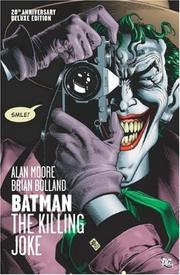
Batman: The Killing Joke
2,016-word summary 9 min read 64 pages in the book
- First published
- 1988
- Publisher
- DC Comics
- Pages
- 64
- ISBN
- 9781401216672
Reading options
What's inside (9 sections)
I read Batman: The Killing Joke in one sitting on a couch that was too small, which felt wrong for a book people argue about so loudly. Alan Moore wrote it, Brian Bolland drew it, and DC Comics published it in 1988. The deluxe edition I cite runs 64 pages with ISBN 9781401216672. It is a prestige one shot, not a long run. Batman visits Arkham to talk to the Joker about how their fight will end badly, finds the Joker gone, and spends a rainy night trying to stop him from proving that anyone can be broken by one terrible day. The Joker, meanwhile, remembers a life as a failed comedian and tells Batman they are mirror images. It is short, ugly, beautiful, and still uncomfortable in ways that feel intentional and in ways that maybe were not fully thought through.
The present tense plot is simple. Batman goes to Arkham Asylum for a conversation. He wants to end the cycle without one of them killing the other. The cell holds a grinning man who does not respond. Batman realizes the Joker escaped months ago, leaving a double. At the same time, the Joker buys an old amusement park, sets up a haunted house ride with a new theme, and drives to Commissioner Gordon home. He shoots Barbara Gordon through the spine at her door, strips her for photos while she bleeds, and has his men beat her father unconscious and drag him to the park. There, Gordon is stripped, chained in a freak show cage, and forced to look at enlarged photos of his wounded daughter while drugged and mocked by dwarfs and carnies. The Joker announces the point. Give a decent man enough horror and he will agree that law is a joke.
Batman races the rain. He finds the park, walks through traps that are more theatrical than lethal, and reaches the house of mirrors and monsters. Gordon, naked and shivering, tells Batman to do the job by the book. Bring him in clean. That line matters because it rejects the Joker thesis from inside suffering. Batman and the Joker talk, fight on a carousel of odd horses, and end with Batman offering help, a hand extended, a chance to stop. The Joker tells a joke about two inmates and a flashlight beam, laughs, and Batman laughs too. The panels tighten on their hands on each other shoulders. The rain keeps falling. The laughter stops or does not. Readers have fought over the last panels for decades.
Intercut with this is the famous origin. A nameless engineer quits a chemical plant job to try stand up comedy. He is bad at it. His wife Jeannie is pregnant. They are poor. Two criminals offer him work as a guide through the plant he used to work at, with a Red Hood mask to hide his face. He agrees because he needs money for the baby. Police tell him his wife died in a household accident involving a bottle warmer. Grief struck and pressured, he goes through with the robbery. Batman intervenes. He falls into a vat of chemicals. He surfaces bleached, green haired, grinning from nerve damage. His past, he says, is multiple choice. He prefers it that way. Sometimes he remembers it one way, sometimes another.
Why it hit hard
Bolland art is the first reason. Every rain drop, every wrinkle on Gordon face, every smeared grin is exact. The flashback pages use a softer palette, washed yellows and browns, that make the comedian past feel sad rather than evil. The present is cold blues and carnival reds. Barbara shooting is staged without gore porn. One panel, a close door, a sound effect, then her on the floor trying to crawl. The horror is in Gordon forced viewing, not in viscera. That restraint makes it worse. You sit with Gordon having to look. Bolland makes you look at him looking, which implicates you. It is skilled and queasy at once.
Moore dialogue is the second reason. The Joker thesis is stated clearly enough to argue with. All it takes is one bad day to reduce the sanest man to lunacy. Batman counter is not a speech but a practice. Gordon refusal. Batman offer of help. The book suggests some people absorb horror and still choose procedure, care, mercy. The final joke about the flashlight beam is about trust. One inmate will not walk the beam because the other will turn it off. The Joker tells it as proof no one trusts anyone. Batman laughter could mean he gets the bleakness, or that he sees a third option, hold the light steady. Ambiguity is the point, though not everyone finds it earned.
The Barbara problem
No honest summary can skip this. Barbara Gordon, then Batgirl, is shot, stripped, photographed, and left paralyzed to motivate two men. She gets almost no interiority. Later writers rebuilt her as Oracle, a hacker and strategist who leads from a wheelchair, and that work is excellent, but it does not retroactively give her agency here. Moore has said he was following editorial permission and the fashion for grim stories, and that he now finds the book too nasty. Bolland has called it overrated. Those admissions help but do not fix the page where a young woman is undressed for someone else argument.
How you weigh that will decide how you rate the book. If you read it as a Batman Joker duel, it is tight and memorable. If you read it for Barbara, it is a fridging before the term existed. I land in both places. The Gordon scenes are powerful because Gordon holds. The Barbara treatment is cheap because the story needs her pain but not her personhood. Modern collections include introductions that name this. Read those. Talk about it. Do not hand this to a young reader without context. The images of a bleeding woman being photographed for torture will stick, and they should prompt questions about who gets to be a symbol and who gets to be a person.
The origin debate
The comedian flashback is both moving and slippery. As a portrait of a man ground down by failure, it works. bombing on stage while his wife tries to laugh kindly. Taking a criminal job out of shame. Losing Jeannie to a freak accident that feels too random to mean anything. The chemical bath as a literalization of grief that will not wash off. Many readers took this as the Joker definitive past. Moore meant the opposite. The Joker says he prefers his past multiple choice. Later comics offered other origins. The book itself warns you not to trust the memory. That warning is often ignored because Bolland draws the sad comedian so well you want it to be true. Sit with the unreliability. It makes the Joker less sympathetic and more frightening. He chooses the version that excuses him tonight.
Batman in this book is tired and decent. He opens by worrying he will have to kill the Joker one day. He closes by offering rehabilitation that will almost certainly fail. Between those beats he does solid detective work, takes punches, and listens to Gordon. This is not the fascist Batman of some later stories. He wants a legal ending. Gordon insistence helps him hold that line. Their alliance, built over years of Year One rain and long Halloweens, is the moral spine. Two men who have seen the worst of Gotham refuse to become what they fight. That refusal is quieter than the Joker speeches and more durable.
Craft notes
At 64 pages, every panel counts. Moore uses nine panel grids for talk and wide splashes for shock. The amusement park funhouse is a tour of Batman rogues as wax and posters, a reminder that Gotham recycles its traumas as entertainment. The color timing matters. John Higgins original colors were bright and acidic. Bolland recoloring for the deluxe is muted and colder. Fans argue over which is better. I prefer the deluxe for the flashbacks and the original for the carnival. Either way, the rain is a character. It streaks windows, soaks suits, makes the final laughter look like shivering.
The last page needs a paragraph. Batman hands are on Joker shoulders. Joker hands are on Batman arms. Headlights from police cars approach. Laughter overlaps in the same balloons. Then the rain lines take over and the figures blur. Some readers swear Batman strangles the Joker here, citing hand placement and the abrupt stop. Most close readings find no break, only a shared moment before arrest. Moore script says they laugh and the police arrive. I read it as Batman holding a man who will be locked up again tomorrow, laughing because the joke about trust describes them both and because he is exhausted. Your reading may differ. That openness is rare in superhero comics and part of why the book endures.
Who should read it
Read it if you care about Batman myth, Joker history, or comics craft, and read it with context about Barbara. Pair it with Batgirl Special work and later Oracle stories to see what she became despite this beginning. Do not start here if you are new to Gotham. Year One gives you Gordon and Batman with less cruelty. The Long Halloween gives you mystery with similar rain. Killing Joke is a nightcap, bitter and short, best taken after you know who these people are when they are not at their worst.
Gordon holds the line
The scene I return to is not the shooting but Gordon in the cage. Stripped, cold, shown photos of his bleeding daughter while carnival music plays, he is given every reason to say the law is finished. The Joker wants one sentence. Yes, you are like me now. Gordon refuses it. He tells Batman to bring the man in by the book. That choice is not naive. Gordon knows Gotham courts fail. He knows Arkham leaks. He still asks for procedure, because procedure is what separates his pain from the Joker use of pain. Bolland draws him shaking but upright, eyes averted from the photos yet facing Batman. It is the most heroic image in the book and it involves no punch.
Rereading after Oracle
If you read this after following Barbara as Oracle, the book changes. You know she will rebuild a life around computers, informants, and a fierce independence that outshines many standing heroes. That knowledge makes her silence here louder. You start to notice small things. The way she opens the door without fear. The books on her shelf. The photo of her as Batgirl that the Joker lingers on. She was a librarian and a hero before this night. The story takes that in one panel. Later work gives it back across years. I now read Killing Joke as a beginning Barbara did not choose, followed by a long answer she did choose. Keep both in mind. The book is weaker for needing outside repair, and stronger because that repair happened and lasted.
I keep it on the shelf because it forces a question I do not want to dodge. What does one bad day prove. The Joker says it proves everyone is one step from him. Gordon and Batman say it proves you can have the worst day and still ask for handcuffs instead of revenge. Barbara later says it proves you can be harmed for someone else story and still author your own. That last answer is not in these pages, but the book makes you need it. For craft and for argument, for beauty and for failure, it remains worth facing, preferably in daylight, preferably with someone to talk to after.
Content notes are firm. Shooting with paralysis, nonsexual nudity under duress, photographed injury of a woman, torture by forced viewing, clown horror, and discussion of infant death in the flashback. None of it is gory by modern standards, but the sexualized humiliation is explicit in intent. Mature readers only, and even then with a clear head.
FAQ
When was Batman: The Killing Joke published?
DC Comics published it in 1988. The deluxe hardcover runs 64 pages and the ISBN is 9781401216672.
Who are the main characters?
Batman, the Joker, Commissioner James Gordon, and Barbara Gordon, who later becomes Oracle.
Is it part of a series?
No. It is a standalone graphic novel, though its injury to Barbara Gordon shaped later continuity.
Similar books
Batman: Year One
Honest cop Gordon and returning Bruce Wayne start at the bottom of rotten Gotham in endless rain.
1,993-word summary · 9 min read
Batman: The Long Halloween
Batman, Jim Gordon, and Harvey Dent hunt a serial killer who strikes on holidays, from Halloween to Halloween, in the noir epic that carries Harvey Dent toward…
2,041-word summary · 9 min read
Batman: The Dark Knight Returns
A 55-year-old Bruce Wayne ends ten years of retirement to face gangs, the Joker, and Superman.
2,249-word summary · 10 min read
Ms. Marvel, Vol. 1: No Normal
Kamala Khan, a Jersey City teenager and Carol Danvers fan, gains shapeshifting powers and has to decide what kind of hero she wants to be.
2,579-word summary · 11 min read
Adulthood Is a Myth
Andersen's debut Sarah's Scribbles collection jokes about staying in, bad bras, awkward dating, and the strange comfort of pajamas.
2,424-word summary · 11 min read
Fables, Vol. 1: Legends in Exile
Exiled fairy tales hide in New York, and sheriff Bigby Wolf must solve Rose Red's bloody disappearance.
2,984-word summary · 13 min read
V for Vendetta
A masked rebel stalks fascist London while lost girl Evey finds her nerve, in Alan Moore and David Lloyd's 1988 DC graphic novel.
2,991-word summary · 13 min read
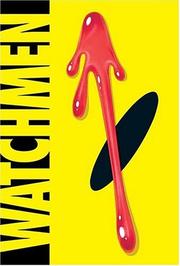
Watchmen
A full retelling of Alan Moore's Watchmen: a retired hero's death in 1985 America sparks a sprawling plot with an exiled god and a shocking bid for peace, from…
2,762-word summary · 12 min read

What She Knew
Rachel lets her eight-year-old son run ahead in a Bristol park, and the nine-day search turns her into a suspect in the public eye.
2,952-word summary · 13 min read

The Beach House
A young valet is beaten to death at a Hamptons party, and his law-student brother spends a year building a case against the family that covered it up.
2,049-word summary · 9 min read
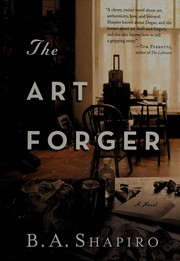
The Art Forger
A disgraced Boston painter agrees to copy a Degas stolen from the Gardner Museum, then begins to suspect the original she is copying is itself a forgery.
2,117-word summary · 9 min read

Six Years
A professor who promised to forget the woman he loved sees her husband's obituary and discovers that the wedding, the marriage, and the woman herself may never…
2,076-word summary · 9 min read

How the Light Gets In
Gamache investigates the murder of the last Ouellet quintuplet while the Sûreté he served is dismantled from inside by the man who took his protégé.
2,279-word summary · 10 min read

Bury Your Dead
Recovering from a failed raid that killed his officers, Gamache investigates a murder in a Quebec City library while Beauvoir reopens a case in Three Pines.
2,022-word summary · 9 min read
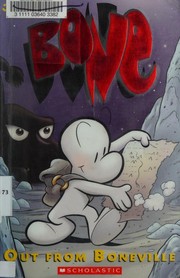
Bone, Vol. 1: Out from Boneville
Three cartoon cousins are run out of Boneville, separated by locusts, and dropped into a valley where rat creatures and an old grudge are waiting.
2,155-word summary · 10 min read

The Trespasser
A Dublin Murder Squad detective investigates a staged dinner-party killing and finds a cover-up that reaches into her own department.
2,051-word summary · 9 min read

Rules of Prey
Minneapolis detective Lucas Davenport hunts a killer who leaves a new rule at every scene and treats murder as a game of wits.
1,914-word summary · 9 min read

The Late Show
Exiled to the LAPD night shift after accusing her supervisor, Renée Ballard keeps two cases that were meant to be handed off at dawn: a brutal assault and a…
2,563-word summary · 11 min read
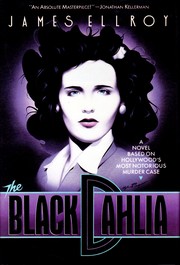
The Black Dahlia
James Ellroy builds a fiction around the real Black Dahlia murder, following two Los Angeles cops whose partnership and obsessions destroy them.
2,533-word summary · 11 min read
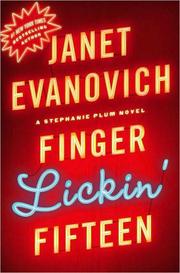
Finger Lickin' Fifteen
Lula sees a celebrity chef decapitated and talks Stephanie into entering a barbecue contest to lure the killers, while Ranger hires her to find a security leak…
2,248-word summary · 10 min read
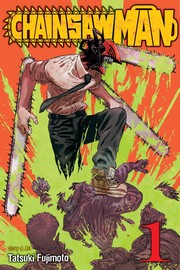
Chainsaw Man, Vol. 1: Dog and Chainsaw
A broke teenage devil hunter and his chainsaw dog get a second life, a government leash, and a fight that stops mid-swing in Fujimoto's horror comedy.
2,584-word summary · 11 min read

4th of July
Lindsay Boxer shoots two armed teenagers in self-defense, faces a wrongful-death trial, and spends her leave chasing a string of throat-slashing murders in…
2,192-word summary · 10 min read

The Camel Club
Four Washington misfits witness a murder on Roosevelt Island and stumble into a conspiracy that reaches the Oval Office, with a hostage president and a nuclear…
2,354-word summary · 10 min read
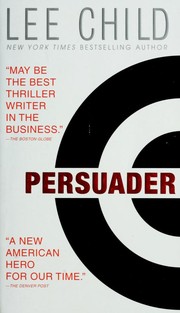
Persuader
Reacher goes undercover in a Maine crime family to find a missing DEA agent and the man he once failed to kill, and Lee Child keeps the whole thing tight,…
2,278-word summary · 10 min read

61 Hours
A bus crash strands Jack Reacher in a snowbound South Dakota town where a drug gang, a corrupt police force, and a single witness are on a collision course.
2,227-word summary · 10 min read
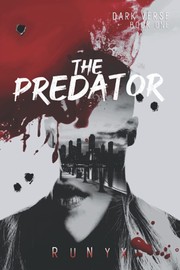
The Predator
Coder Morana Vitalio and mob enforcer Tristan Caine chase stolen software while a case of missing girls from twenty years back catches up with them both.
2,296-word summary · 10 min read
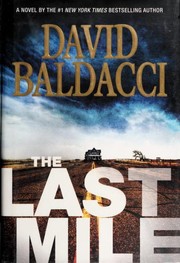
The Last Mile
Melvin Mars is hours from execution for his parents' murder when another man confesses, and FBI cold case detective Amos Decker goes looking for the trap.
2,746-word summary · 12 min read

Still Missing
A realtor is abducted at a Vancouver Island open house and held for more than a year. Told through therapy sessions, the novel follows her escape and the hunt…
2,466-word summary · 11 min read
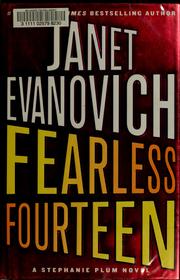
Fearless Fourteen
Bounty hunter Stephanie Plum babysits a teenager, guards a fading singer, and hunts nine stolen million dollars under her boyfriend's basement.
2,466-word summary · 11 min read

Bad Luck and Trouble
A deposit of $1,030 summons Jack Reacher back to his old army unit, which is being picked off one name at a time.
2,366-word summary · 11 min read