
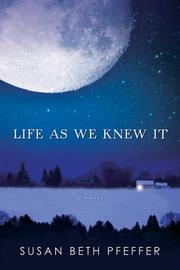
Life As We Knew It
2,485-word summary 11 min read 337 pages in the book
- First published
- 2006
- Publisher
- Harcourt
- Pages
- 337
- ISBN
- 9780152058265
- Series
- Last Survivors (#1)
Reading options
What's inside (7 sections)
I put this book off for years because I assumed it was another teen doom story where the science falls apart in chapter three and the rest is just people crying in a bunker. A friend kept pushing it at me, saying the moon stuff was only half the point, and the other half was the diary of a sixteen-year-old girl who stays funny and bratty and human while her town starves. She was right. I read it in three sittings, mostly late at night, and the winter chapters made me get up to check my own pantry like an idiot.
Miranda Evans is sixteen and a sophomore in Howell, a small town in northeastern Pennsylvania. She lives with her mother, Laura, a writer who works from home; her older brother Matt, who is home from college; and her younger brother Jonny, who is thirteen and obsessed with baseball. Her parents are divorced. Her dad, Hal, has remarried a younger woman named Lisa, and Lisa is pregnant. Miranda keeps a diary, at first because school requires it, or partly for that reason, and the whole book is those entries, dated from May into the next spring. That shape matters. You only ever know what Miranda knows, and she misses plenty.
The voice is the reason the book works. Miranda worries about her grades and her swimming and whether a boy named Dan will notice her. She fights with her mom about nothing. She is a little vain about her skating, a little mean about her friend Megan, a little jealous of every girl in school. Then the moon gets hit and none of that goes away, it just sits next to hunger and funerals, which feels true to sixteen in a way that scared me. Pfeffer never turns her into a saint. Even months into the disaster Miranda can spend a whole entry sulking about being hungry while her mother quietly skips meals, and you want to shake her, and then you remember she is a kid who has lost every comfort she ever had.
The night the moon got hit
The book itself came out in 2006 from Harcourt, 337 pages in the first hardcover, and it opens the Last Survivors series, followed by The Dead and the Gone. Everyone knows a meteor is coming. The news talks about it for days. People plan moon-watching parties because the strike is supposed to be visible and harmless, a pretty flash on the surface. Miranda watches with her family. The flash is bigger than predicted. The power flickers. That night the moon looks wrong in the sky, lower and larger, and Miranda writes about it the way you would write about a strange dog on your street, curious but not afraid yet.
Fear arrives in pieces. The tides go insane. Coastal cities flood. Then come the reports of tsunamis wiping out shorelines on multiple continents, earthquakes in places that never get them, and volcanoes waking up. Phones stop working reliably. The television fills with footage that does not look real and then goes dark in stretches. Miranda's dad calls when he can, then cannot. School stays open a little while, with everyone pretending this is a bad week instead of a new world.
What I liked here is the pacing. Pfeffer does not blow up the planet on page ten. She lets the weirdness pile up through small entries. No mail. Gas station lines. The hospital filling. A neighbor saying the grocery store is limiting bags of rice. Miranda still goes to school and gossips. That slow pileup frightened me more than any single explosion would have, because I recognized it. It reads like every real shortage I have lived through, stretched until it snaps.
One fair knock, and I will get the science complaint out of the way early. An asteroid shoving the moon into a closer orbit and causing all of this is, to put it gently, not how orbital mechanics works. People who know physics have laughed at the premise for years. I laughed a little too. But the book is not really arguing about gravity. It is arguing about tides and ash and cold, and once you grant the one impossible shove, the chain of effects (floods, quakes, volcanic winter) is drawn with enough care that I stopped objecting around page fifty. If you need hard science fiction, this will annoy you. If you can grant one miracle, the rest plays fair.
Summer with empty shelves
Laura, the mom, turns out to be the hero of the book, and Pfeffer writes her without speeches. Early on, while other people are still saying the stores will restock, Laura buys extra food, fills the car with gas, gets cash, stocks medicine and vitamins. She makes lists. She cans things. She is not a survivalist. She is a worried mother with a credit card and a library card, and her quick shopping trips in May and June are the reason her kids are alive the next March. I kept thinking about my own kitchen while I read these chapters. I own maybe four days of food. The Evans family nearly makes it a year on planning and luck, and luck runs out more than once.
Summer in Howell is strange and hot and broken. The power comes and goes, then mostly goes. Gas gets scarce, then absurdly priced, then gone for ordinary people. Work dries up. The school closes, and later parts of it get used as a hospital and a shelter during the flu. Miranda's world shrinks to the house, the yard, the neighbors, and whoever is still on her street. She sunbathes on days she should be hauling water. She fights with Jonny over food. She reads the same books twice because there is nothing else to do.
Two threads carry the summer. The first is Megan, Miranda's best friend, who falls in with a strict church crowd and turns intensely religious. Megan decides the disaster is judgment, stops eating properly, gives away food she cannot spare, and eventually leaves town with church people heading somewhere safer. Miranda is furious and sad and a little superior about it, all at once. I thought this subplot would pay off later, and mostly it just ends. Megan writes once or twice, and then she is gone. That bothered me on first read. On reflection, people did just vanish in that year, friends included, and Miranda's helpless anger at losing Megan to faith reads honest even if the thread feels cut short.
The second thread is Sammi, Matt's girlfriend, who gets pregnant right as the world ends. Matt is nineteen or so, decent, overwhelmed, trying to act like a man while still being a kid. He stays through the worst of it, chops wood, stands in lines, does the heavy work. But Sammi is sick and scared and far from her own family, and the pregnancy forces choices nobody is ready for. I will not spoil every turn here, since the book follows Matt's decisions across the whole year, but the shape of it stayed with me. Disaster does not pause ordinary life. Babies still come. Couples still fight. Matt wanting to do right by Sammi while his own family is starving is one of the best knots in the book, and Pfeffer never unties it cleanly.
The winter that tries to finish them
If you read this book, the winter is what you will remember. Volcanic ash spreads around the planet and blocks the sun. Temperatures crash months early. Snow falls gray. The sun, when it shows at all, is pale and small. The Evans family seals off most of the house and lives in the living room around a woodstove, burning furniture and books and finally the trees in their own yard. They eat one thin meal a day, then less. Miranda describes the hunger in plain sentences that got under my skin. Dizziness on the stairs. Dreaming about food. Fighting over crumbs. Her mom dividing cans with a calculator and a pencil, stretching soup with water until it is basically warm salt.
The flu arrives with the cold and kills people the family knows. A boy Miranda liked, Brandon Erlich, dies. Classmates die. The hospital, such as it is, cannot keep up. There are stretches where Miranda does not leave the house for days because the cold can injure uncovered skin fast and there is nowhere to go anyway. School is a memory. Skating, which was her identity, becomes impossible, and then she tries it once on a frozen pond and nearly pays for it. Pfeffer is good on this. She shows a girl losing the thing that made her special and finding nothing to replace it except chores and waiting.
Mrs. Nesbitt is the neighbor who moves in when her own house gets too cold and too empty, and she is my favorite character in the book. She is older, proper, funny in a dry way, and she brings food and order and company. She also brings the book's hardest scenes, because older people with health problems do not survive this winter well. I cried at her chapters, which embarrassed me, because on paper she is a minor figure. But she changes the house. With her there, the family eats together, talks, keeps manners. When she weakens, Miranda has to face what generosity costs when there is not enough. The entries around Mrs. Nesbitt's decline are the best writing in the novel, plain and unsparing and free of self pity.
A word on the diary form, since it cuts both ways. The dated entries let Pfeffer skip weeks with a single line, which suits a starving winter where nothing happens except cold. But it also means big events land sideways. Someone dies between entries. A trip happens off page. Twice I flipped back to check whether I had missed a scene, and I had not, it just was not shown. That is a fair criticism. The book sometimes tells you the worst things in summary after they happen. Yet the same trick gives the winter its foggy endless feel. Days blur for Miranda exactly the way they would blur for you.
The people who walk away
One by one, people leave, and each leaving hollows the book a little more. Matt goes, for reasons tied to Sammi and the baby and his own need to be useful somewhere else. Hal, Miranda's dad, tries to hold his second family together while Lisa's pregnancy advances and supplies thin. There are visits between the households early on, tense and sad, with everyone performing normal while counting each other's cans with their eyes. Then travel gets dangerous, gas runs out, and the families lose touch for stretches. Miranda writes about her dad with a mix of love and resentment that felt exact. He started over with a new wife and a coming baby, and now the old family and the new one are competing for the same shrinking pile of food.
Loneliness is the real subject of the middle third, more than hunger. Jonny retreats into himself. Laura works herself thin and stops sleeping. Miranda has no school, no friends nearby, no future she can picture. She rereads old magazines. She argues with her mother about portions. She feels guilty about everything and apologizes in her diary to people who will never read it. I found these chapters slow in the middle of the night, and I will admit I skimmed some pages where Miranda circles the same thoughts. But skimming felt wrong afterward, because the circling is the point. Grief and hunger make small minds of us. The book refuses to entertain you every minute, and I respect that even when I itched for something to happen.
The religious question lingers without getting preachy, which I appreciated. Megan's certainty looks foolish and then brave and then just sad. Miranda prays sometimes and doubts herself immediately. Laura keeps no patience for sermons but says grace over thin soup because ritual holds the family together. Nobody gets converted and nobody gets mocked. For a book about the end of the world, it is remarkably free of grand statements about God. People either share food or they do not, and that is the theology.
Spring, seeds, and Matt at the door
Winter does not end so much as loosen. The family is still alive in March, which surprises Miranda a little, and by April there is talk of planting. The sun looks more like itself. The ash thins. Laura, who saved seeds and read library books on gardening back when books were for reading instead of burning, plans a garden in the yard. Jonny, half grown and solemn now, helps. Miranda, weak and shaky, learns how to hold a hoe. These chapters are quiet and I loved them. After so much hoarding and counting, watching the family bet on dirt feels like the first free breath in two hundred pages.
I am being careful with the ending because it deserves to land fresh. What I can say is that Matt comes back, and he does not come alone. Sammi's story resolves in a way that is sadder and kinder than I expected. The dad's family has news too. Nobody is rescued. No government trucks roll in with blankets and apologies. The help that arrives is small, local, and personal, and the book treats a bag of seeds and a living brother as the miracles they are. The last entries point forward without promising anything. Miranda is still hungry. The world is still broken. But there is a garden, and there is summer coming, and there might be electricity again someday.
So who should read it. Teen readers who like survival stories will tear through it, though younger or sensitive kids should know the winter chapters are bleak about starvation and death, including deaths of people Miranda loves. Adults who normally skip young adult fiction should try it anyway, because Laura's parenting and Mrs. Nesbitt's grace give grown readers plenty to hold. Science sticklers should stay away or make peace early. Readers who need fast plots should know the middle is slow on purpose.
What stays with me, days later, is not the moon at all. It is Laura dividing soup. It is Mrs. Nesbitt insisting on manners with nothing on the table. It is Matt chopping wood until his hands bleed and then leaving anyway. The book argues, without ever saying so outright, that survival is mostly boring virtues repeated daily. Stock food early. Share it. Keep a stove lit. Write things down. Plant something even when you doubt the harvest. I closed it wanting to buy rice and batteries and call my family, which is probably the highest praise a book like this can earn.
FAQ
Is Life As We Knew It the first book in a series?
Yes, it opens the Last Survivors series and was published in 2006 by Harcourt. The Dead and the Gone follows it with new characters in New York City.
How does the moon cause the disasters in the book?
An asteroid strike pushes the moon into a closer orbit, so tides flood the coasts, earthquakes and volcanoes follow, and spreading ash cools the earth into a brutal winter.
Is it too bleak for younger teens?
The winter chapters are grim about starvation and flu deaths, but there is no gore for its own sake and the ending leaves room for hope. Sensitive readers may want to pace the middle of the book.
Similar books
More from Last Survivors first, then related titles.
The House of the Scorpion
A clone raised in a drug lord's poppy fields learns what he was made for and chooses what to do with the life he was given.
2,527-word summary · 11 min read
Among the Hidden
Twelve-year-old Luke, an illegal third child, befriends Jen and faces the cost of stepping out of hiding.
2,923-word summary · 13 min read
The Age of Miracles
A California girl grows up while the Earth's rotation slows, and ordinary adolescence continues alongside slow catastrophe.
2,417-word summary · 11 min read

Wither
In a future where women die at twenty, sixteen-year-old Rhine is sold as a bride to a wealthy stranger and plots an escape from a beautiful prison.
2,395-word summary · 11 min read

Never Fade
Ruby, now a leader in the Children's League, must track down the boy whose memories she erased, because he holds the only proof of what caused the disease that…
2,188-word summary · 10 min read
The Infinite Sea
Cassie and Squad 53 wait out winter in a hotel while Ringer is retaken and learns the truth behind the 5th Wave.
2,985-word summary · 13 min read
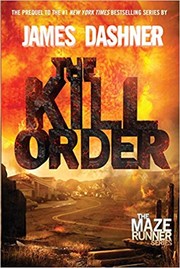
The Kill Order
Mark survives flares and Flare virus as WICKED forms thirteen years before maze.
2,129-word summary · 9 min read
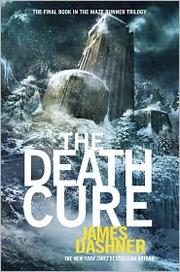
The Death Cure
Thomas refuses WICKED's final test, remembers too much, and runs with the Gladers toward a last cure and a ship north.
2,955-word summary · 13 min read
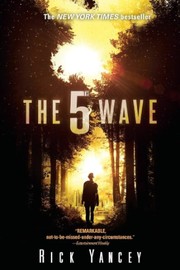
The 5th Wave
Cassie Sullivan crosses ruined Ohio to save Sammy after four alien waves, trusting Evan Walker while doubting him.
3,063-word summary · 14 min read
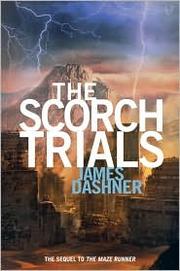
The Scorch Trials
Thomas and the Gladers cross a burned wasteland to reach haven while WICKED watches.
2,097-word summary · 9 min read
The Maze Runner
Maze Runner retold: Thomas wakes in Glade, walls move, Grievers sting, Teresa triggers end.
1,907-word summary · 8 min read
The Giver
Lois Lowry's The Giver retold: Jonas's Assignment, the memories, release, and the sled ride out.
2,510-word summary · 11 min read
The Hunger Games
Suzanne Collins's The Hunger Games explained: the reaping, Rue, the tracker jackers, the nightlock berry standoff, and what the arena is really for.
2,295-word summary · 10 min read
Catching Fire
Suzanne Collins's Catching Fire explained: the Quarter Quell, the arena's secret, Finnick and Johanna, and the moment the Games turn into a rescue.
2,459-word summary · 11 min read

What Happened to Goodbye
Mclean has reinvented herself in four towns since her parents divorced. In Lakeview she uses her real name, and for the first time staying put becomes a choice.
2,796-word summary · 12 min read

Iron Widow
Wu Zetian enlists to avenge her sister, kills her pilot, and becomes an Iron Widow in a mecha Huaxia where the machines are built to kill women.
2,444-word summary · 11 min read

Wilder Girls
At a quarantined boarding school off Maine, three girls with strange mutations search for a missing friend and learn what the adults have hidden.
2,594-word summary · 12 min read

Starsight
Spensa Nightshade goes undercover aboard the Superiority space station Starsight to steal a hyperdrive, and finds a frightened bureaucracy where she expected…
2,568-word summary · 11 min read

Divergent: Official Illustrated Movie Companion
An oversize behind-the-scenes guide to the 2014 Divergent film, with casting stories, costume and set design, and scores of photos.
2,524-word summary · 11 min read
The Second Summer of the Sisterhood
Four friends share the traveling pants through a summer of grandmothers, first loves, and mothers who are learning to let go.
2,209-word summary · 10 min read

Reveal Me
A Shatter Me novella told by Kenji, set between Defy Me and Imagine Me, as the rebels learn Anderson has taken hostages and Juliette faces Emmaline.
2,098-word summary · 9 min read
On the Come Up
Bri Jackson, a sixteen-year-old rapper in Garden Heights, chases a record deal while a viral song turns her into a symbol she never wanted to be.
2,034-word summary · 9 min read
I Who Have Never Known Men
Forty women in a cage, one child who remembers nothing, and a nearly empty world above the bunker. Harpman's quiet, unexplained dystopia.
2,025-word summary · 9 min read

Aristotle and Dante Dive into the Waters of the World
Ari and Dante return for senior year in El Paso, navigating first love, AIDS, family grief, and the cost of being openly gay in 1987 Texas.
2,188-word summary · 10 min read
The Twelve
The middle volume of the Passage trilogy braids the year America died, a picnic massacre decades earlier, and the survivors' war against the twelve master…
2,089-word summary · 9 min read

Someone Like You
Halley and her best friend Scarlett face a summer of grief, a surprise pregnancy, and Halley's dangerous first romance in Sarah Dessen's 1998 young adult novel.
2,218-word summary · 10 min read
La Belle Sauvage
Philip Pullman's prequel to His Dark Materials follows eleven-year-old Malcolm Polstead as a secret message, a hunted baby, and the flood of the century carry…
2,530-word summary · 11 min read