Gone
1,908-word summary 8 min read 558 pages in the book
- First published
- 2008
- Publisher
- HarperTeen
- Pages
- 558
- ISBN
- 9780061448768
- Series
- Gone (#1)
Reading options
What's inside (5 sections)
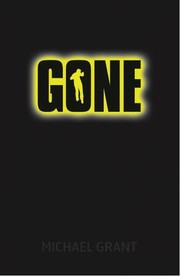
Everyone over fifteen disappears and the kids left must decide fast what kind of town remains. Gone by Michael Grant was first published in 2008 by HarperTeen, a 558 page hardcover with ISBN 9780061448768. It is book one of Gone. On Sam thirteenth birthday, adults blink out mid act in Perdido Beach. Phones die. Roads end at a dome. Kids with strange powers emerge. I read it in three sittings, stressed the whole time in the way good dystopias demand. No adults to fix it. Just teens with hunger and heat.
Sam Temple narrates much of it in close third that stays near his fear without drowning in it. He is fourteen, a surfer kid who once saved a drowning boy and never told. Now the town looks to him because he stays calm one minute longer than others. He hides a power. Light that burns from his hands when panic spikes. He fears it means he is a freak among freaks. His best friend Quinn surfs and jokes to avoid leading. Astrid, the genius girl Sam likes, names things and organizes because someone must. Her little brother Pete, autistic and silent, may be the most powerful of all and the least able to explain. That mix of capable and vulnerable drives every decision. Who eats. Who guards. Who decides.
Caine Soren rules Coates Academy across town and wants the whole dome. Charming. Ruthless. Telekinetic when angry. His lieutenant Drake, with a whip hand grafted after injury, enforces through pain that he enjoys. Diana, sharp and tired, dates Caine while seeing through him. They take the power plant, hoard food, and recruit kids with promises and threats. Their school becomes an army with homework replaced by drills. It works until hunger hits everyone equally. Power does not fill stomachs. That limit will shape the series more than any blast.
The dome drops
The opening is brilliantly staged chaos that Grant sustains for fifty pages without losing clarity. Teachers vanish mid sentence. Drivers vanish from moving cars. Babies remain with no one to hold them. Fires start. Dogs roam. Sam finds himself holding a class of staring kids because he kept talking when the teacher disappeared mid word. That accident of composure becomes reputation by lunch. He does not want it. Quinn wants less. Astrid makes lists because lists beat screaming. The three walk home through streets where traffic lights blink for no one and phones show no signal. Normal ends by noon.
The dome itself gets rules fast that keep later twists fair. Nothing in or out. Animals too. Power flickers. Water runs until tanks empty. Food in stores lasts weeks if rationed, days if looted. Kids with powers appear in both towns. Sam light. Caine moving things. Others healing, burning, reading minds. No one knows why. Theories spread faster than facts. Government experiment. Religious rapture. Alien test. Grant lets kids argue without authorial wink. Uncertainty fuels politics. Those who claim answers gain followers whether right or not. Caine claims most loudly. Sam claims least. That difference decides early allegiances more than powers do.
Daycare becomes the first crisis that shows who leads how. Babies and toddlers left in homes and cribs need feeding now, not after meetings. Mary, a church girl with a kind spine, organizes care in the school gym with bottles and blankets. She burns out fast with no relief. Older kids steal formula for siblings. A scene where Sam changes diapers badly while Astrid directs had me laughing through dread. Heroics include wipes. That domestic detail keeps the book human scaled despite powers. Saving the world starts with feeding infants on time.
Astrid earns her genius tag through systems rather than speeches. She inventories stores. Calculates ration days. Posts guard schedules. Her whiteboard math calms crowds that powers cannot. Quinn provides the counterweight of normal kid honesty. He admits fear, wants to surf, and follows Sam because someone must decide and Sam hates deciding least. Their trio works because roles differ. Thinker. Joker. Reluctant decider. When Astrid and Sam clash over ration strictness versus mercy meals, Quinn breaks ties with gut questions. What would adults do. What should kids do better. Those questions guide better than any power ranking.
A fair note. Early chapters introduce many kids fast. Lana with healing dogs. Edilio with quiet competence. Howard with jokes that curdle. Keep a list of names and powers for fifty pages. It sticks once hunger sorts leaders from loudmouths. If powers confuse, focus on needs. Who feeds. Who guards. Powers decorate those jobs. Grant knows this and keeps food central even when blasts tempt focus. Empty stomachs drive more plot than energy beams. Remember that and the crowd scenes stay clear.
Coates versus town
The middle runs on two towns drifting to war while individuals cross lines in both directions, which keeps it from becoming simple good versus evil. Coates under Caine promises order through strength. Share food by rank. Punish theft with pain. Drake demonstrates on doubters with a belt that becomes part of his arm in later books. Kids join for safety and stay from fear. Diana sees the rot but stays for complicated loves and hates she will not name yet. Her dry asides to Caine in councils show intelligence serving power it despises. That tension will snap later. Here it simmers with sarcasm as armor.
Perdido Beach under Sam promises order through meetings that fray as hunger grows. Town halls where everyone shouts. Committees that dissolve. Astrid rules posted and ignored. Edilio emerges as the steady second who enforces without enjoying it. He guards stores, breaks fights, and tells Sam truths Sam avoids. You are the leader whether you claim it or not. That unwanted crown weighs more than any power. Sam wears it badly and keeps wearing it because no one else will. Leadership as burden, not prize, is the book mature take that separates it from power fantasies. Strongest kid still cries after decisions. Good.
Lana and the healing dogs subplot deserves mention as the book soul amid politics. Thrown from a car during the dome drop, left with a dead family, healed by her dog Patrick licking, Lana discovers she can heal others at cost to herself. She hides with dogs in the desert, afraid of being used. When towns find her, both sides want her as asset. She chooses to help individuals while refusing armies. A scene where she heals a burned child while dogs whine with her pain shows power as service with receipts. Gifts hurt to use. That cost keeps healing from feeling like cheat code. Grant prices every power in pain or hunger. Fair trade for stakes.
Drake menace escalates usefully from bully to monster without losing human roots. A Coates enforcer who likes hurting, given a whip hand by Caine indulgence, he targets Sam personally after humiliations. Their fights are brutal and clumsy rather than cinematic. Kids with powers still fight like kids. Tripping. Biting. Screaming. Drake enjoys it in ways that scare even Caine lieutenants. That enjoyment marks him as different from leaders who use violence as tool. He is the tool that likes cutting. Watch his hand. It tells you when negotiations end and pain starts.
If there is a sag, it is the middle council loop where both towns debate food rules for chapters. Necessary to show governance without adults, but two meetings repeat. I skimmed one ration argument and missed nothing. The payoff, when stores empty and barter turns to theft, needs the buildup of failed plans. Still, tighter by thirty pages would have helped momentum between power displays that readers bought the book for. Hunger politics matter. They just repeat at both tables.
What power costs
The finale pairs a power plant siege with a hunger riot that forces every kid to pick a side by action, not speech. Caine needs the plant to hold Coates lights. Sam needs food trucks to reach town stores. Both march with followers who are tired, scared, and done with talks. The battle is messy in the best way. Powers misfire. Plans collapse on bad intel. Kids defect mid fight when ordered to hurt friends. Drake whips whoever is near. Lana heals whoever she reaches. Astrid calculates exits. Quinn surfs chaos with a joke that keeps one squad from breaking. No one wins clean. The plant holds by luck. Stores empty anyway. Victory tastes like dust.
Sam choice at the end, to claim leadership he never wanted after Caine falls but does not die, lands because exhaustion replaces triumph. He stands in a square with hungry kids and says what can be done tomorrow. Ration. Bury. Guard. No promises about parents returning. No lies about dome ending. That honesty, learned from Astrid lists and Edilio steadiness, steadies more than powers ever did. Caine retreats to lick wounds and plan, not defeated in spirit, which sets the series engine. Two leaders. One dome. Shrinking food. Powers growing with puberty and fear. Next books will test whether order can hold without adults to blame.
What stays with me is Grant argument about kids and power shorn of sentiment. Remove adults and kids do not become angels or devils. They become tired managers of hunger with occasional light shows. The powers decorate, not decide. Decisions about food, babies, and guards decide. Sam light matters less than his willingness to stand in squares and speak plainly when lies would poll easier. That willingness, practiced while scared, is the real superpower the book honors. Glow fades. Character holds, barely, through nights that smell of smoke and diapers.
Read it if you like Lord of the Flies with powers and maps. Start here, not later, because dome rules build. It pairs well with snacks you will feel guilty eating as stores empty on page. Do not expect clean heroes. Expect hungry kids doing math under pressure. By the last page you will check your own pantry. Mine gained two cans after finishing. Sam would approve of labels and locks. Quinn would joke about my surfing. Astrid would calculate days. All three live in my head now when cupboards look thin. That is the book working as intended. The dome mystery deserves a last note on what Grant withholds wisely. No explanation in book one for why adults vanished or why powers bloom with puberty. Theories spread among kids faster than facts. Government experiment. Religious rapture. Alien test. Grant lets characters argue without authorial wink, which keeps focus on response rather than cause. Uncertainty fuels politics in vacuum. Those who claim answers gain followers whether right or not. Caine claims loudest. Sam claims least. That difference decides early allegiances more than powers do. Later books will explain. Here, not knowing is the point. Act without full story. Decide hungry. Live with it. Edilio deserves a last salute as the book true leader material. Quiet, competent, and kind without performing either, he guards stores, breaks fights, and tells Sam truths Sam avoids. You are the leader whether you claim it or not. That unwanted crown weighs more than any power. Edilio wears responsibility without enjoying it, which makes him trustworthy in ways charisma cannot buy. When Sam falters, Edilio holds the square with steady voice and fair shares. No light shows. Just lists kept and promises kept. Teams need that steadiness more than blasts. Remember his name when sequels test loyalties. He stays worth following.
FAQ
When was Gone published?
HarperTeen published it in 2008. It runs 558 pages and the hardcover ISBN is 9780061448768.
Is it part of a series?
Yes. It is book one of Gone, followed by Hunger. Start here for the dome rules.
Similar books
More from Gone first, then related titles.

Never Fade
Ruby, now a leader in the Children's League, must track down the boy whose memories she erased, because he holds the only proof of what caused the disease that…
2,188-word summary · 10 min read
The House of the Scorpion
A clone raised in a drug lord's poppy fields learns what he was made for and chooses what to do with the life he was given.
2,527-word summary · 11 min read

Reveal Me
A Shatter Me novella told by Kenji, set between Defy Me and Imagine Me, as the rebels learn Anderson has taken hostages and Juliette faces Emmaline.
2,098-word summary · 9 min read

Wither
In a future where women die at twenty, sixteen-year-old Rhine is sold as a bride to a wealthy stranger and plots an escape from a beautiful prison.
2,395-word summary · 11 min read
Life As We Knew It
Sixteen-year-old Miranda keeps a diary while an asteroid strike on the moon brings tsunamis, blackouts, and a frozen year of hunger to her Pennsylvania town.
2,485-word summary · 11 min read
Among the Hidden
Twelve-year-old Luke, an illegal third child, befriends Jen and faces the cost of stepping out of hiding.
2,923-word summary · 13 min read
The Infinite Sea
Cassie and Squad 53 wait out winter in a hotel while Ringer is retaken and learns the truth behind the 5th Wave.
2,985-word summary · 13 min read
The Darkest Minds
A teen with mind powers escapes a government camp and joins three runaways in Bracken's 2012 dystopia, first in The Darkest Minds series.
2,038-word summary · 9 min read
Imagine Me
Juliette remembers who she was and storms the capital to end the Reestablishment for good.
2,090-word summary · 9 min read
The Kill Order
Mark survives flares and Flare virus as WICKED forms thirteen years before maze.
2,129-word summary · 9 min read
Destroy Me
Shot by Juliette, Warner holds his base together while his father arrives with harsher plans for her.
2,556-word summary · 11 min read
The Death Cure
Thomas refuses WICKED's final test, remembers too much, and runs with the Gladers toward a last cure and a ship north.
2,955-word summary · 13 min read
The 5th Wave
Cassie Sullivan crosses ruined Ohio to save Sammy after four alien waves, trusting Evan Walker while doubting him.
3,063-word summary · 14 min read

The Scorch Trials
Thomas and the Gladers cross a burned wasteland to reach haven while WICKED watches.
2,097-word summary · 9 min read

Shatter Me
Juliette Ferrars, whose touch kills, is locked up by the Reestablishment until Adam and Warner pull her into war.
2,115-word summary · 9 min read
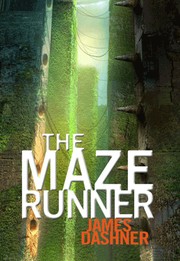
The Maze Runner
Maze Runner retold: Thomas wakes in Glade, walls move, Grievers sting, Teresa triggers end.
1,907-word summary · 8 min read

The Hunger Games
Suzanne Collins's The Hunger Games explained: the reaping, Rue, the tracker jackers, the nightlock berry standoff, and what the arena is really for.
2,295-word summary · 10 min read
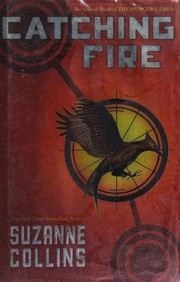
Catching Fire
Suzanne Collins's Catching Fire explained: the Quarter Quell, the arena's secret, Finnick and Johanna, and the moment the Games turn into a rescue.
2,459-word summary · 11 min read

Iron Widow
Wu Zetian enlists to avenge her sister, kills her pilot, and becomes an Iron Widow in a mecha Huaxia where the machines are built to kill women.
2,444-word summary · 11 min read

Wilder Girls
At a quarantined boarding school off Maine, three girls with strange mutations search for a missing friend and learn what the adults have hidden.
2,594-word summary · 12 min read

Divergent: Official Illustrated Movie Companion
An oversize behind-the-scenes guide to the 2014 Divergent film, with casting stories, costume and set design, and scores of photos.
2,524-word summary · 11 min read
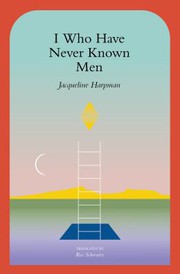
I Who Have Never Known Men
Forty women in a cage, one child who remembers nothing, and a nearly empty world above the bunker. Harpman's quiet, unexplained dystopia.
2,025-word summary · 9 min read
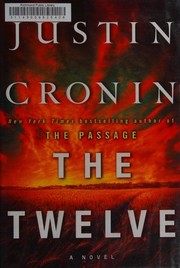
The Twelve
The middle volume of the Passage trilogy braids the year America died, a picnic massacre decades earlier, and the survivors' war against the twelve master…
2,089-word summary · 9 min read
The Rise of Nine
John, Six and Nine race to India to find Eight before the Mogs strike.
2,321-word summary · 10 min read


Under the Never Sky
Exiled from her Pod, Aria crosses a storm-scarred wilderness with Outsider Perry to find family and the fabled Still Blue.
2,572-word summary · 11 min read
Shadow Me
Kenji Kishimoto narrates for the first time as he joins Nazeera on a quiet mission after Restore Me, carrying painful secrets into Defy Me.
2,512-word summary · 11 min read