
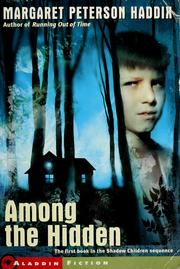
Among the Hidden
2,923-word summary 13 min read 160 pages in the book
- First published
- 1998
- Publisher
- Simon & Schuster Books for Young Readers
- Pages
- 160
- ISBN
- 9780689817007
- Series
- Shadow Children (#1)
Reading options
What's inside (8 sections)
I picked up Among the Hidden because I keep seeing it on middle school lists and I wanted to know why teachers trust it so much. Margaret Peterson Haddix published it with Simon and Schuster Books for Young Readers in 1998, a 160 page hardcover that opens the Shadow Children series. It follows Luke Garner, twelve, a third child in a country where families may have only two kids. I expected a short adventure with a clear villain. What I got was quieter and sadder, mostly about a boy stuck in an attic learning how wide the world is and how fast it can punish you for stepping out.
Luke has never been to school. He has never had a birthday party with friends. He has never slept over anywhere. He lives on his parents farm with his older brothers Matthew and Mark, and he hides whenever anyone outside the family comes near. His room is the attic, hot in summer and cold in winter, full of old toys and the same few books read too many times. His mother and dad love him, but love looks like rules here. Stay away from windows. Do not answer doors. Go up fast when cars pull in. Luke obeys because he knows the Population Police take third kids away and punish parents too. He does not fully grasp what that means at the start. He just knows he is the secret his family keeps.
The woods come down
The change starts with trees. The government cuts the woods by the Garner farm to build big new houses for rich families called Barons. While the woods stood, Luke could play outside in a narrow strip hidden from the road. He could weed garden rows. He could breathe air that did not smell like attic dust. Once the trees are gone and builders and buyers walk the land all day, that small freedom ends. His parents tell him he cannot go outside at all now. Too many eyes. Too much risk. Luke listens to saws and trucks from the vents and feels his world shrink to stairs and halls.
Money gets tight in the same stretch, which makes the house feel tense. The family loses use of some land they used to farm for food and cash. Taxes rise because the new development makes the area worth more on paper, even though the Garners are not rich. Luke mother takes a factory job to help pay bills, which means Luke spends long days alone. He watches the new street through an air vent. He learns the schedules of neighbors. He counts cars. He plays with Matthew old toys that feel babyish now. He rereads books until he can recite parts. I felt the drag of those days while I read, and I think Haddix wants you to feel it. Boredom becomes its own kind of hunger. Luke starts to take small risks just to feel awake, like standing near a window a second too long.
What struck me is how ordinary the fear is. No one kicks down the door in chapter one. Instead Luke mother cries quietly at the table. His dad snaps about the government and then goes silent. Matthew and Mark try to act normal but stop bringing friends home. Luke learns to read moods fast. A car slowing means attic now. A knock means attic and quiet. A neighbor looking over means stay flat. He gets good at being invisible, and being good at it makes him lonely in a way he cannot name yet. He has never had a friend, so he does not quite miss friendship. He misses air and movement and being able to laugh loud.
A face in the window
Then Luke sees something impossible. After the new families move in, after all the curtains go up, he spots a kid face in the window of a house where he knows two sons already live. He watches at times when everyone should be gone and sees lights and movement again. A third kid. Like him. He tells himself he imagined it. He checks again the next day. Same sign. A shadow passes. A light clicks off too fast. His chest pounds because hope feels dangerous. If there is another hidden kid that close, maybe he is not the only one. Maybe there is someone who knows what attic days feel like.
He waits until harvest season when his family works long hours away and the new street looks empty. Then he runs. That run across open ground might be my favorite scene for pure tension. Luke has not run in the open for weeks. His legs feel weak. His shoes slip. Every dog bark stops his heart. He reaches the back of the big house and forces a screen door. He slips inside and finds himself in a rich kitchen full of food he barely knows, smells of plastic and sugar and clean carpet. Then a girl tackles him. She thinks he is a thief. He thinks he might die right there. Then they stare and understand each other at once. Both hidden. Both third.
The girl is Jen Talbot, about his age, bold in a way Luke has never seen up close. She has a computer. She has a phone. She eats chips and soda that are against the law as well as regular meals. She talks fast and laughs loud and does not flinch when the house alarm beeps. She calls her dad to turn off the alarm and tells Luke the government cannot really see through TVs and track every kid the way his parents fear. Some of that is scare talk, she says. Some is real, but rich Barons can pay to bend rules. Luke feels shame about his worn clothes and farm dirt under his nails. Jen does not seem to care. She is thrilled. She sets up a signal with lights so he knows when it is safe to visit. She makes the broken screen look like her own doing to cover his tracks. In one afternoon Luke gets what he never had, a peer who gets the joke and the fear without needing it explained.
Jen and the chat room
Visits become the center of Luke life. He times chores. He lies about naps. He memorizes Jen signal. When he can, he slips over and sits on her floor while she types. She shows him a password protected chat room for shadow kids. About eight hundred log on most days. They use nicknames. They trade complaints about hiding, about parents, about hunger for school and streets. Some are funny. Some are angry. Some are scared to type much at all. Luke mostly reads at first. He cannot believe there are that many kids like him. All his life he thought he was a rare accident. Now he sees a crowd.
Jen is different from Luke in money and temper. Her family can bribe officials. She has a fake identity that lets her shop hidden under a coat and ride in cars without panic. She has books and printed articles. She has parents who argue about politics at dinner instead of whispering. Luke mother and dad taught him to keep his head down and be grateful to be alive. Jen parents, especially her dad who works inside the system, taught her to ask why the law exists and who it serves. So Jen talks about rights. She talks about history. She talks about how fear keeps people obedient even when rules stop making sense. Luke nods and also wants to run back to the attic. Both feelings sit together. I recognized that split. New ideas can thrill you and make you sick at once.
Their friendship has sweet normal parts that I held onto. Jen shares snacks and makes fun of his faces when he tastes soda for the first time. She lends him books so heavy he has to hide them under his shirt to carry home. She brags about her typing speed. She gets bored and mean when she is tired, then apologizes fast. Luke tells her about pigs and planting and his brothers. He shows her how to tell weather by clouds. She has never weeded a row. He has never used a chat room. They teach each other small things while big danger hums under every visit. That mix kept me reading through slower chapters, because the bond feels lived in rather than built for a lesson.
Why the law exists
Jen gives Luke two thick books and a stack of articles to read at home, and those pages change how he sees his own hunger. The books say famine and drought killed crops years ago. People starved. The government passed the Population Law to keep families to two kids so food would stretch. The government moved farmers to better land. The books frame the law as hard but needed. The articles say something else. They call the suffering of shadow kids a slow kind of killing. They say food could be shared fairer. They say leaders keep the law because it gives them control, not because it still saves lives. Luke reads both late at night with a flashlight and feels guilty either way. Guilty for eating when others hunger. Guilty for existing when the law says he should not.
When he asks Jen which side is right, she does not hesitate. Books are government print, she says. Articles tell the truth. Luke wants it to be that simple and cannot make himself believe it fully. He saw real hunger in nearby towns. He saw his parents give up meat some weeks. He knows weather can ruin a field. But he also knows Jen is not lying about being hunted for being born. He starts to ask better questions. If food is short, why do Barons waste so much. If the law is fair, why can rich kids buy safety while farm kids hide in attics. Why do officials need guns and raids to keep a good law in place. Haddix does not give a clean answer, which I liked. The history stays cloudy on purpose. Luke is twelve with limited schooling. He cannot settle farm policy. He can feel when power leans on the poor harder than on the rich.
This is also where Luke and Jen start to rub. Jen has a plan. She wants shadow kids to march to the president house and show themselves in daylight and demand change. She thinks numbers will protect them, especially since many hidden kids are Barons with powerful parents. The government would not shoot that many kids on camera, she says. Luke thinks she is wrong about safety. He thinks Barons might be spared while farm boys like him get shot first. He says so. Jen hears fear and calls it cowardice. He hears pride and calls it blindness. They fight and stop meeting for a while. Luke feels relief and shame together. Relief to be safe in the attic. Shame to leave Jen planning alone. I thought that fight rang true. Twelve year olds can love each other and still fail to say the scary thing kindly.
Goodbye
Early in April Jen tells Luke the date. Thursday. She will steal her parents car. About a thousand kids said they might come, though Luke doubts that number and so does part of Jen, I think. She begs him to join. He refuses. He says only rich kids can afford to be brave in public. She says she does not have time for him if he will not stand up. Harsh words. Doors slammed. Then, the night before the rally, Jen sneaks into his house in the dark and shines a small light in his face. She apologizes. She says he was a good friend. She says goodbye in a way that sounds final even though she tries to smile. Luke says he will see her after. She does not answer that part. She slips out. He lies awake hearing his brothers breathe and hating himself for staying.
What follows is the hardest part to read because nothing happens. For a week and a half Luke listens to the radio every chance he gets. No news about a march. No talk of shadow kids. He flashes Jen signal. No answer. He watches her house. No movement. His mother notices he is pale. His dad tells him to eat. He cannot explain why his stomach hurts. He imagines Jen grounded. He imagines her family fled. He imagines success he somehow missed. Slowly a worse thought settles. He waits until his family is gone, runs to Jen house again, breaks in, and goes to her computer. He logs into the chat room and types asking where Jen is. No one answers that either. Then a big man with a gun steps behind him.
The man is Jen dad, George Talbot. He lowers the gun when he sees Luke is a kid and a friend of Jen. Then he tells the truth plain. The rally drew only about forty kids. The Population Police shot them all, including Jen. The government cleaned the scene and blocked news. Jen dad has to act at work like nothing happened because Jen legally never existed. Luke feels the floor tilt. All that planning and light signals and shared chips ends in a quiet house and a father holding a gun he does not want to use. Haddix writes this without gore or speeches. That restraint made it hit harder for me than a battle scene would. One father. One boy. One computer humming with no replies.
Jen dad revelation doubles the shock. He works for the Population Police. Luke grabs for the gun in panic. Jen dad talks calm and fast. He says he took the job to sabotage raids from inside when he can. He says the famine was real but the law grew into a tool for fear. He says he does not believe taking rights fixed anything for long. He also says Luke is in danger right now because logging into the chat room set off a trace. Before they can plan, officers knock. Jen dad hides Luke in a closet and meets them with a steady voice. The officers search only that closet, take a bribe of fur coats, and leave. Jen dad then writes on paper that the house is bugged and they cannot speak aloud. In writing he offers Luke a choice. Stay hidden at home with risk rising, or take a false identity and live in public as someone else.
Becoming Lee Grant
Luke choice gives the book its close. He goes home that night and tells his parents everything, Jen and the rally and the deaths and the offer. His mother weeps and begs him to stay where she can watch him. His dad sits quiet a long time and then says Luke may never get another chance at school and daylight. A few days later Jen dad drives up in daylight with papers. Luke becomes Lee Grant, a Baron boy who died in an accident whose family quietly gave the identity to a network that helps shadow kids. The cover story is simple. Lee ran away and a farm family took him in. Punishment is boarding school. Luke hugs Matthew and Mark. He holds his mother tight. He shakes his dad hand like a grown man though his hands shake. Then he gets in the car.
That last ride moved me because Luke is both terrified and lit up. He watches the farm shrink behind glass. He thinks about Jen telling him to be free as himself and knows he will have to be free as someone else instead. He promises himself to learn and to find safer ways to help other hidden kids, not with a march that invites guns but with study and patience and quiet work from inside, the way Jen dad tries to do. It is not a triumph. Forty kids are dead. Jen is dead. His family must pretend he is gone. Yet the final image is forward motion, a boy who has never been to school heading toward one with a new name in his pocket and grief in his chest. I closed the book thinking about cost. Jen paid with her life for going public. Luke will pay with his name for staying alive.
A few honest criticisms so you can judge fit. The start moves slow. Attic days repeat, vent watching and toy sorting and rereading, and younger readers may fidget before Jen appears. The government stays thin on purpose, more threat than portrait, so adults who want detailed world building may find it simple. Jen can read as more idea than person in rally chapters, all speeches and plans, though her goodbye scene fills her back in. The ending rushes. The closet search and written notes and bribes happen fast, and Luke decision, huge as it is, gets only a few pages. Still, for a 160 page opener from 1998, the shape holds. Short chapters. Clear stakes. A friendship that feels real. A loss that is not softened. If you want dystopia for middle grade that does not hide the price of protest, this is a strong start. You should read it before book two, since Luke life as Lee starts there and every choice here sets up what comes next.
FAQ
When was Among the Hidden published?
Simon and Schuster Books for Young Readers published it on September 1, 1998. The hardcover runs 160 pages and the ISBN is 9780689817007.
Is Among the Hidden part of a series?
Yes. It is book 1 in the Shadow Children series, followed by Among the Impostors.
Who are the main characters?
Luke Garner, Jen Talbot, George Talbot, Mother, Dad, Matthew, Mark and the Population Police.
Similar books
More from Shadow Children first, then related titles.
Life As We Knew It
Sixteen-year-old Miranda keeps a diary while an asteroid strike on the moon brings tsunamis, blackouts, and a frozen year of hunger to her Pennsylvania town.
2,485-word summary · 11 min read

The House of the Scorpion
A clone raised in a drug lord's poppy fields learns what he was made for and chooses what to do with the life he was given.
2,527-word summary · 11 min read

Wither
In a future where women die at twenty, sixteen-year-old Rhine is sold as a bride to a wealthy stranger and plots an escape from a beautiful prison.
2,395-word summary · 11 min read

Never Fade
Ruby, now a leader in the Children's League, must track down the boy whose memories she erased, because he holds the only proof of what caused the disease that…
2,188-word summary · 10 min read

The Infinite Sea
Cassie and Squad 53 wait out winter in a hotel while Ringer is retaken and learns the truth behind the 5th Wave.
2,985-word summary · 13 min read
The Kill Order
Mark survives flares and Flare virus as WICKED forms thirteen years before maze.
2,129-word summary · 9 min read
The Death Cure
Thomas refuses WICKED's final test, remembers too much, and runs with the Gladers toward a last cure and a ship north.
2,955-word summary · 13 min read
The 5th Wave
Cassie Sullivan crosses ruined Ohio to save Sammy after four alien waves, trusting Evan Walker while doubting him.
3,063-word summary · 14 min read

The Scorch Trials
Thomas and the Gladers cross a burned wasteland to reach haven while WICKED watches.
2,097-word summary · 9 min read
The Maze Runner
Maze Runner retold: Thomas wakes in Glade, walls move, Grievers sting, Teresa triggers end.
1,907-word summary · 8 min read
The Hunger Games
Suzanne Collins's The Hunger Games explained: the reaping, Rue, the tracker jackers, the nightlock berry standoff, and what the arena is really for.
2,295-word summary · 10 min read
Catching Fire
Suzanne Collins's Catching Fire explained: the Quarter Quell, the arena's secret, Finnick and Johanna, and the moment the Games turn into a rescue.
2,459-word summary · 11 min read
The Icebound Land
Captured and enslaved in Skandia, Will fights a drug that erases him while Halt and Horace cut a bloody road through Gallica to bring him home.
2,088-word summary · 9 min read

Iron Widow
Wu Zetian enlists to avenge her sister, kills her pilot, and becomes an Iron Widow in a mecha Huaxia where the machines are built to kill women.
2,444-word summary · 11 min read

Wilder Girls
At a quarantined boarding school off Maine, three girls with strange mutations search for a missing friend and learn what the adults have hidden.
2,594-word summary · 12 min read
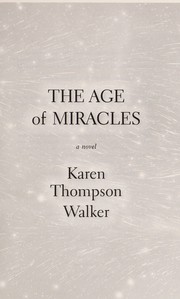
The Age of Miracles
A California girl grows up while the Earth's rotation slows, and ordinary adolescence continues alongside slow catastrophe.
2,417-word summary · 11 min read

Divergent: Official Illustrated Movie Companion
An oversize behind-the-scenes guide to the 2014 Divergent film, with casting stories, costume and set design, and scores of photos.
2,524-word summary · 11 min read
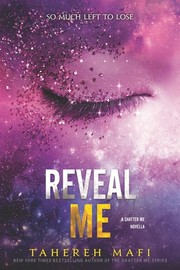
Reveal Me
A Shatter Me novella told by Kenji, set between Defy Me and Imagine Me, as the rebels learn Anderson has taken hostages and Juliette faces Emmaline.
2,098-word summary · 9 min read
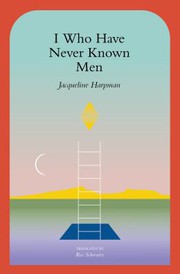
I Who Have Never Known Men
Forty women in a cage, one child who remembers nothing, and a nearly empty world above the bunker. Harpman's quiet, unexplained dystopia.
2,025-word summary · 9 min read
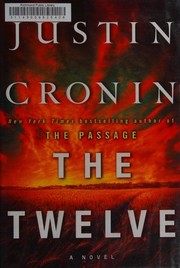
The Twelve
The middle volume of the Passage trilogy braids the year America died, a picnic massacre decades earlier, and the survivors' war against the twelve master…
2,089-word summary · 9 min read
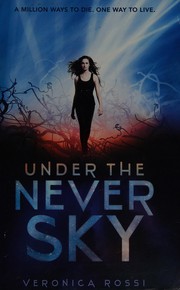
Under the Never Sky
Exiled from her Pod, Aria crosses a storm-scarred wilderness with Outsider Perry to find family and the fabled Still Blue.
2,572-word summary · 11 min read
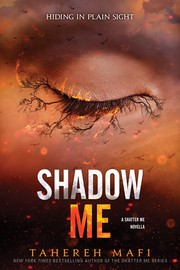
Shadow Me
Kenji Kishimoto narrates for the first time as he joins Nazeera on a quiet mission after Restore Me, carrying painful secrets into Defy Me.
2,512-word summary · 11 min read
The Year of the Flood
Toby and Ren live through the plague apart, guided by God's Gardeners, then join to find Amanda.
2,422-word summary · 11 min read
A Wind in the Door
Meg must save Charles Wallace from a cosmic sickness by naming and loving what she fears, helped by a cherubim called Progo.
2,214-word summary · 10 min read
The Running Man
Out of work in a broken 2025, Ben Richards enters a televised manhunt where each hour alive pays cash.
2,922-word summary · 13 min read