
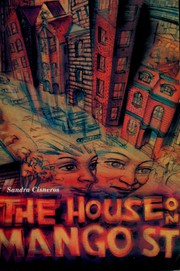
The House on Mango Street
2,567-word summary 11 min read 103 pages in the book
- First published
- 1983
- Publisher
- Arte Publico Press
- Pages
- 103
- ISBN
- 9780934770200
Reading options
What's inside (6 sections)
I picked this book up after hearing it taught in middle schools, high schools, and colleges at the same time, which made me curious about how a book so short could hold so many rooms. The House on Mango Street by Sandra Cisneros was first published in 1983 by Arte Publico Press, a 103 page first edition paperback with ISBN 9780934770200. I read it slowly, a few vignettes at a time, and the brevity felt honest rather than thin. Each piece lands like a note left on a kitchen table.
Esperanza Cordero narrates, a twelve year old Chicana girl in Chicago who has moved often and now lives in a small red house on Mango Street that her parents own but that feels far from the house of her dreams. She lives with Mama and Papa, two brothers named Carlos and Kiki, and little sister Nenny. The house has tight stairs, small rooms, and a yard that is mostly concrete. A nun at school passes the house and reacts with surprise, and that moment stays with Esperanza as proof that outsiders see poverty before they see people.
The form matters as much as the plot. The book holds forty four short vignettes that work like prose poems, some only a page, some a few pages, moving from hair to hips, from clouds to feet, from games to grief. The voice stays close to childhood while thinking like a writer learning her trade. I liked how fast the pages turn and how slowly the images settle.
A house that is far from a home
The opening pages set the ache that drives everything. Before Mango Street there were flats on Loomis and Keeler and Paulina, places Esperanza can barely map now, each move adding noise and one more child to the rooms. The new house is theirs, which should feel like arrival, but the roof sags and the door swells and the front steps slope. Her parents talk about a real house with pipes that work and a yard with trees, the kind seen on television, and Esperanza holds that picture beside the red walls that surround her now.
My Name explains the weight she carries inside that house. She was named after a great grandmother who lived bound by marriage and sorrow, and Esperanza likes the music of the name while rejecting the fate attached to it. She wants a name that lets her be herself, not a reminder of waiting by windows. Boys and Girls draws another line. Her brothers move in a separate world of rough games, while she and Nenny look for a best friend who will share secrets and silence in equal measure.
Cathy Who Is Queen of Cats offers brief friendship with an exit date, since Cathy family plans to move and Cathy warns about the street while repeating gossip she heard from adults. Our Good Day brings Lucy and Rachel, sisters with second hand bikes and quick laughter, who offer a bike ride and a long talk. That afternoon feels wide and free, the kind of day that makes a new street feel possible. Laughter follows, a warm piece about branches of the family and the way laughs carry traits across rooms, and Gil Furniture Bought and Sold shows the children drawn to a junk store full of musical boxes and old springs.
Meme Ortiz moves in after Cathy leaves, a child with a dog with two names who wins a contest for jumping from a tall tree and breaks both arms. The tone stays light but the point lands. Children test limits because the street gives them little else to test. Louie cousin visits with a fancy car that turns out to be stolen, and the children ride around feeling rich until police arrive and Louie cousin flees over fences. Marin comes into view here, an older girl who watches over the younger ones while waiting for a life that feels paused. Marin stays in my mind because she is both watcher and waited for. She is older, works nights, wears dark nylons, and sings while babysitting her cousins. She cannot leave the house much because a boyfriend in Puerto Rico writes and jealousy keeps her near the window. She tells the younger girls about dancing and luck and men, half warning and half dream. I felt fond of her and sad for her in the same beat.
Those Who Do Not turns outward. Esperanza says visitors enter the neighborhood afraid, expecting knives and danger, while residents know each face by name and habit. Then she flips the view. When her own people drive into a different part of town, fear rises in them too, windows roll up, eyes lock forward. Fear moves both ways across divided streets. That short piece does more work than many long essays, and it still reads fresh.
There Was an Old Woman shows Rosa Vargas with too many children and too little help, kids who howl and fall and learn to fly in the wrong ways. Angel Vargas dies after a fall, and the street mourns with a shrug that feels cruel until you see exhaustion behind it. Alicia Who Sees Mice brings a young woman studying at university while cooking and cleaning for a father who respects schooling yet fears losing her. Alicia rides buses early, reads late, and sees mice in the walls that no one else admits. Esperanza admires her and borrows courage from her lamp light.
Darius and the Clouds is brief and tender. Darius, a rough boy, points at clouds and names them with sudden poetry, and Esperanza sees softness hiding under bravado. And Some More follows with word games on the steps, where Lucy and Rachel and Nenny argue about names for feet and clouds while the evening cools. The Family of Little Feet changes the air. The girls receive used high heels and parade around the block feeling suddenly tall and looked at. A tramp warns them away from such attention, and the thrill curdles into shame. They hide the shoes and learn that growing can draw eyes they did not invite.
A Rice Sandwich wants a simple thing. Esperanza asks to eat in the school canteen with the other kids instead of walking home, inventing a long lunch hour at home to qualify. She sits under stairs with cold rice and watches others with thermoses and neat lunchboxes. A nun pities her, and Esperanza feels marked as poor in a room meant for rest. Chanclas gives her a small win. At a dance with an uncle birthday party, she wears old shoes and fears mockery, then dances well with a cousin and feels pretty despite worn soles. Hips turns playful again, with jump rope talk about hips as signs of womanhood, part joke and part rehearsal for bodies that are changing fast.
Friends, sisters, and watching windows
The First Job lands hard. Esperanza takes work matching parts in a photo shop to help pay for school, and an older man asks for a birthday kiss and forces his mouth on her. She tells it plainly, without melodrama, and the plain tone makes it worse. Papa Who Wakes Up Tired in the Dark follows with grief. Her grandfather has died, and Papa holds her while crying in a way she has never seen. She learns that fathers carry weight quietly until it breaks through. Born Bad stays with me because guilt sits at the center. Esperanza visits Aunt Lupe, blind and ill, reads to her, holds her hand, then later mocks her with friends and feels sick with shame after Lupe dies. She wonders if her meanness helped speed death, the way children link timing to fault. I found this vignette brave. It refuses to make the narrator sweet in order to keep reader comfort.
Elenita Cards Palm Water brings humor and ache. Esperanza visits a witch woman with friends to ask about a house and love and futures. Elenita reads cards in a kitchen full of clutter while a child tugs at her sleeve, and the answers feel vague and true at once. Geraldo No Last Name is short and sharp. A young worker dies in a hit and run after a dance, and no one at the hospital knows his full name. Marin holds his head in the emergency room. The story asks why some lives leave no paper trail, and answers with silence.
Ruthie, the friend of Edna, drifts through pages with pale skin and dim eyes, a woman who once wanted to be an artist and now plays with children and forgets errands. Esperanza likes her gentleness and sees how time can thin a dream without killing kindness. The Earl of Tennessee lives in a basement with music and dogs and rumors of a wife hidden behind curtains. No one knows the truth, and the mystery suits a street where everyone watches but few ask directly. Sire follows with a boy Esperanza watches with fear and pull, a boy with a bike and a girlfriend, a symbol of desire she does not yet want to name.
Four Skinny Trees gave me the clearest picture of Cisneros method. Esperanza sees four thin trees in front of her house, planted in concrete, pushing up despite poor soil. She claims them as teachers. Keep going, keep reaching, keep living where you were placed. She sees herself in bark and leaves without saying so outright. I underlined this part twice.
No Speak English introduces Mamacita, a large woman who misses home and refuses to leave the apartment, listening to Spanish radio and singing to a child. Her husband brings her north for love, but homesickness locks her inside. Rafaela Who Drinks Coconut and Papaya Juice on Tuesdays is cut from similar cloth. Young and pretty, married to an older man who fears she will run, she stays indoors and leans from windows on Tuesdays to ask children to bring juice. Beauty becomes a lock on the door.
Sally enters as glamour and warning at once. She wears nylons and short skirts and dark eye makeup, leans on fences at school, and draws rumors from boys. At home her father guards her with harsh rules and sometimes with blows. She dreams of love as rescue and tells stories of escape. Minerva Writes Poems mirrors Sally with a different ending already in motion. Minerva is only a little older than Esperanza, married with two children, writing poems on scraps while a husband leaves and returns and hits. She visits Esperanza to share verses, black and blue some nights, tender always. Esperanza sees a future she must refuse.
Shame, harm, and the wish to leave
Bums in the Attic flips the dream for a beat. Esperanza imagines a house with spare rooms where bums can sleep on soft cushions on winter nights, and she will travel to check on property while friends watch from below. The fantasy is kind and a little proud. She wants success that still makes room. Beautiful and Cruel follows with a vow. She will leave the table like a man, keep her own name, enter rooms by kicking doors. The words sound fierce from a young girl, and the fierceness feels earned after pages of locked doors.
A Smart Cookie honors Mama, who can speak two languages, sing, sew, and fix machines, yet left school because she felt ashamed of poor clothes. Mama tells Esperanza to study and stay in school, to avoid a life of waiting. What Sally Said is brief and brutal. Sally misses school, returns with bruises, says her father beat her with a belt, then defends him and asks that no one tell. Esperanza and her sister try to help, but Sally retreats into loyalty that fear built. The street watches and moves on.
The Monkey Garden marks a turn from child games to danger. A junked garden where the children once played with old cars becomes a place where boys steal Sally keys and demand kisses for return. Esperanza tries to intervene and feels powerless as Sally gives in to get keys back. The scene reads messy and true, with no adult rescue and no clear lesson, only the knowledge that play can curdle fast.
Red Clowns is the hardest vignette to sit with. At a carnival with Sally, Esperanza waits while Sally slips away with a boy, then a group of boys assaults Esperanza while lights spin and music plays. Cisneros writes it without graphic detail, which makes the pain sharper. Esperanza names shame and anger and the wish to forget. I paused here for a long time. The book earns trust by refusing to soften this night into a symbol.
Linoleum Roses shows where Sally path can lead. Sally marries young to escape home, moves into a small apartment with flowered linoleum, and finds a husband who locks her in and forbids phone calls. She looks at walls and dreams of windows. The Three Sisters arrive like a blessing after that darkness. At a wake for a neighbor child, three wise women with smoky eyes take Esperanza hands and tell her she will leave Mango Street and must return for the others. They name her hope and her duty in one breath.
Alicia and I Talking on Edna Steps brings the argument home. Alicia, still studying despite grief and work, tells Esperanza she will never leave if she keeps talking about leaving without studying. A House of My Own closes the circle. Esperanza pictures a quiet house, not a man house or a father house, with books and a table and a window for writing. She promises to pack and leave and to come back for those who cannot get out alone. Leaving becomes a promise rather than an escape.
What drags and what lasts
A fair note first. Readers who want a strong plot with rising action may feel restless here. Scenes do not link by cause and effect so much as by image and memory. Some vignettes repeat the same point about trapped women, and two or three schoolroom moments blur together. If you need twists and clear villains, this short book may feel slight. I missed momentum in the middle myself, then found that rereading two pages slowly gave more than rushing ahead.
What lasts outweighs that drag for me. The sentences are clean and musical without showing off. The portraits of Lucy and Rachel, Nenny word games, Darius clouds, the four trees, Mamacita songs, all stay visual after the book ends. The portraits of men are less full, often distant or harsh, which fits a girl view from windows but leaves some fathers and brothers as outlines. That limit feels honest to age rather than a flaw in craft, yet readers who want rounded male figures may notice the gap.
I would give this to a teen learning to write, to anyone new to Chicago stories, to readers who like poetry but fear long verse. Pair it with a walk around your own block, noting names and habits the way Esperanza does. Ask who sits by windows and why. The final pages do not claim triumph. Esperanza still lives on Mango Street when the book ends. She has a plan, a notebook, and a vow. That is enough to close on, and enough to carry forward.
FAQ
When was The House on Mango Street published?
It was first published in 1983 by Arte Publico Press. The first edition paperback runs 103 pages with ISBN 9780934770200.
Is The House on Mango Street a novel or stories?
It reads as forty four linked vignettes about Esperanza Cordero in Chicago. Many schools teach it as a coming of age novel in prose poems.
Who is Esperanza Cordero?
She is a young Chicana girl growing up on Mango Street in Chicago. She watches neighbors, starts to write, and dreams of a house of her own.
Similar books

Little Town on the Prairie
In the spring after the Long Winter, fifteen-year-old Laura sews shirts, studies for a teaching certificate, and helps send her blind sister Mary to college.
2,071-word summary · 9 min read

The Chosen
A shattered pair of glasses in a 1944 Brooklyn softball game starts a friendship between a Hasidic boy and his Orthodox neighbor, and their fathers pull them…
2,443-word summary · 11 min read
The Lottery
In Jackson's 1948 story, a village draws lots to keep the corn heavy, and the chosen person is stoned by her neighbors.
3,080-word summary · 14 min read
The Gift of the Magi
A young couple with almost no money each sells the thing they treasure most to buy a Christmas present for the other.
1,978-word summary · 9 min read
Hearts in Atlantis
Five linked stories follow Bobby Garfield, Carol Gerber, and their friends from a haunted childhood in 1960 to the long aftermath of Vietnam.
2,402-word summary · 11 min read
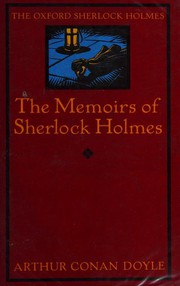
The Memoirs of Sherlock Holmes
Doyle's second Holmes collection gathers twelve Strand stories, including the early case of the Gloria Scott and the confrontation with Moriarty at Reichenbach…
2,390-word summary · 11 min read
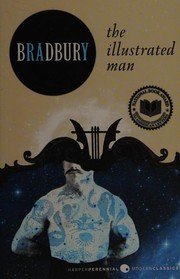
The Illustrated Man
A tattooed drifter's moving pictures retell eighteen Bradbury stories of children, rockets, Mars and the last night of the world.
2,791-word summary · 12 min read
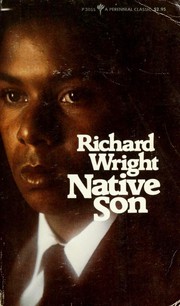
Native Son
Richard Wright's landmark novel follows Bigger Thomas through one panicked night in Chicago and the manhunt, trial and reckonings that follow, exposing the…
2,265-word summary · 10 min read
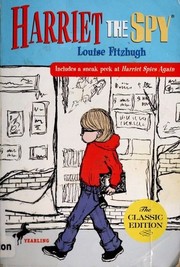
Harriet the Spy
Eleven year old Harriet Welsch fills notebooks with honest, often cruel observations about her neighbors, until her classmates read one and turn her spy route…
2,510-word summary · 11 min read
The Complete Fairy Tales
Mermaids, snow queens and tin soldiers in the full Andersen collection.
2,414-word summary · 11 min read
I Capture the Castle
Cassandra journals six months of love and money trouble in a castle.
2,402-word summary · 11 min read
Ham on Rye
Henry Chinaski grows up rough in Depression Los Angeles and finds writing.
2,244-word summary · 10 min read
The Call of Cthulhu and Other Weird Stories
Seventeen tales from Dagon to Innsmouth, led by Cthulhu, the Colour, and the Whisperer, in S. T. Joshi careful Penguin edition with notes and corrected texts.
2,593-word summary · 12 min read
The Call of Cthulhu
A professor's papers link a sculptor's dreams, a Louisiana cult raid, and a sailor's voyage to a sleeping god under the sea.
2,530-word summary · 11 min read
Demian
Hesse's 1919 German classic of Emil Sinclair, from Kromer blackmail to Demian, Abraxas, Beatrice and Frau Eva, ending in war: a short, strange guide to growing…
2,510-word summary · 11 min read
The Jungle Book
Mowgli, raised by wolves in the Seeonee Hills, learns the Law from Baloo and Bagheera while Shere Khan circles. Kipling's 1894 story collection.
2,799-word summary · 12 min read
Dead Poets Society
Keating tells Welton boys to seize the day and his secret club costs more than grades.
2,031-word summary · 9 min read
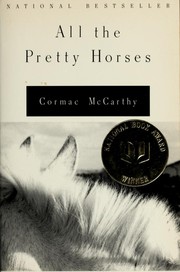
All the Pretty Horses
John Grady and Rawlins ride to Mexico for ranch work, finding love, prison, and a code that costs all.
2,677-word summary · 12 min read
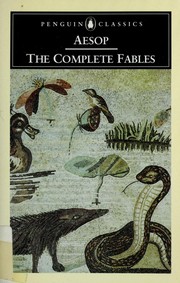
Aesop's Fables
Short animal tales of hares, foxes, ants, and wolves that still sting: old fables in plain modern English.
2,916-word summary · 13 min read
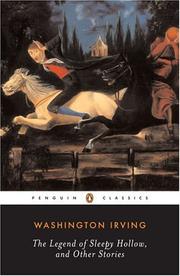
The Legend of Sleepy Hollow
A lanky schoolmaster courts a farmer's daughter in a haunted Dutch valley until a midnight ride by the Headless Horseman ends at the bridge.
2,968-word summary · 13 min read
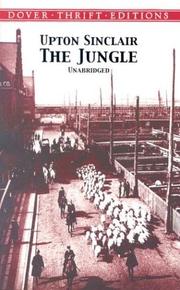
The Jungle
Jurgis Rudkus follows work to Chicago packinghouses, watches his family wear down from low pay and foul food, and ends by joining the socialists.
2,496-word summary · 11 min read

The Girls' Guide to Hunting and Fishing
Seven linked stories follow Jane Rosenal from fourteen to her thirties through family rows, publishing jobs, and dating manuals toward steadier love.
2,166-word summary · 10 min read
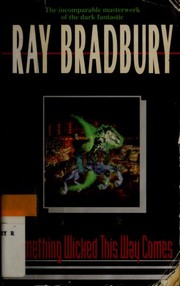
Something Wicked This Way Comes
Two boyhood friends meet a late October carnival that feeds on secret wishes, while Will's father learns how to fight it.
2,869-word summary · 13 min read
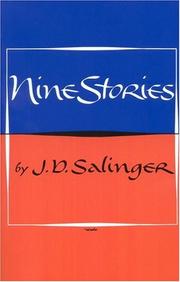
Nine Stories
Bananafish, Esme, and Teddy anchor Salinger's postwar Glass stories.
2,348-word summary · 10 min read
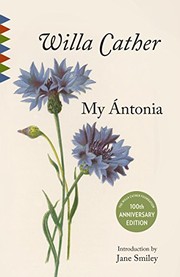
My Ántonia
Jim Burden recalls his Nebraska boyhood beside Bohemian friend Antonia Shimerda, from prairie farms to town work and a late return.
2,918-word summary · 13 min read
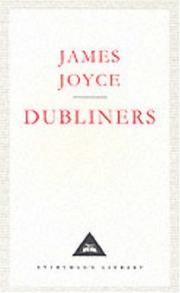
Dubliners
Fifteen Dublin stories from boyhood priests to Gabriel's snow, mapping paralysis that still moves readers.
2,111-word summary · 9 min read
A Portrait of the Artist as a Young Man
Stephen Dedalus grows from schoolboy to exile choosing art over church and nation.
2,072-word summary · 9 min read
Anne of the Island
Anne leaves Avonlea for Redmond College, shares Patty's Place with friends, and learns to tell admiration apart from love.
2,766-word summary · 12 min read

White Nights
A lonely dreamer spends four summer nights with Nastenka in Petersburg, listening, hoping, then losing her at dawn.
2,927-word summary · 13 min read
The Original Folk and Fairy Tales of the Brothers Grimm
Zipes translates all 156 tales from the Grimms' 1812 and 1815 first edition, rougher and stranger than the famous 1857 versions.
2,331-word summary · 10 min read