
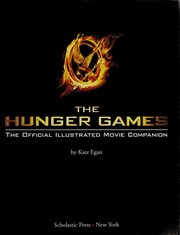
The Hunger Games: Official Illustrated Movie Companion
2,892-word summary 13 min read 160 pages in the book
- First published
- 2012
- Publisher
- Scholastic Press
- Pages
- 160
- ISBN
- 9780545422901
Reading options
What's inside (9 sections)
I bought The Hunger Games: Official Illustrated Movie Companion on a whim after rewatching the first film with my cousin, who had read the novels in school and kept pausing to say that is not how she pictured it. I wanted something that would show me how the movie was actually put together, not another retelling of Katniss story. Kate Egan book does that. It came out in 2012 from Scholastic Press, 160 pages in paperback, built as the official guide to the Lionsgate film directed by Gary Ross. It is mostly photos, with short interviews and set notes. I read it in two evenings with the film stills open on my laptop beside me.
The setup is simple. Egan walks through the making of the 2012 film from early development to shooting, using exclusive images and talks with author Suzanne Collins, producers Nina Jacobson and Jon Kilik, Ross, the casting team, designers, and the young cast. The six main parts cover history of the books, the cast, places and props, people and looks, filming, and legacy. If you want a plot summary of the novel, look elsewhere. This assumes you know the Reaping, the Games, Rue, the nightlock berries. Its interest is how you turn that into a PG-13 film shot in North Carolina that satisfies readers and still plays for people who never opened the books.
What surprised me is how readable it stays despite being a souvenir. Egan writes clear short blocks, lets captions carry facts, and keeps coming back to practical choices. Where to shoot District 12. How to make the Capitol feel rich without looking silly. How to cast teenagers who can carry an arena. How to show killing without lingering on gore. I flagged a lot of costume pages. My cousin flagged casting pages. We both ended up arguing about the ending, which tells you the book does its job.
How the book is put together
Egan opens with a brief history of The Hunger Games as books. Collins background in television writing, the 2008 publication by Scholastic Press, the fast rise in schools and libraries, the bidding for film rights. There are photos of early covers, of Collins in her writing room, of Jacobson talking about reading the manuscript late at night and calling about rights the next morning. It is short, maybe fifteen pages, and it skips sales figures and prize lists. That restraint helps. You get enough to understand why Lionsgate wanted it, a built in audience of teens and adults, a story that could play like survival action with political weight.
Then the structure follows production order. Script and vision. Casting. Design of places. Design of people. Shooting. Release push. Each chapter mixes full page stills, candid crew shots, sketches, and sidebars. One spread shows the Seam houses in District 12 next to the finished grade. Another shows the Training Center, the Capitol apartments, the arena control room. Captions often hold the best bits. Which warehouse became which set. How long a prosthetic took. What the actors ate between night shoots.
The trade off, which I will return to, is depth. Most interviews run a paragraph or two. Hard choices get mentioned and then smoothed over. Still, as a map, the order works. You can follow a decision from page to screen. I found myself flipping back and forth between design chapters and my memory of scenes, which is exactly what a companion should make you do.
Egan notes that Ross wanted the camera to stay close to Katniss, handheld and a little unsteady, so the audience feels her confusion rather than watching the Games like a sports broadcast.
That line stuck with me because the film does feel shaky in the woods, sometimes to a fault, and the book shows it was deliberate.
Script, Ross, and what to keep
A large early section covers adaptation, and this was my favorite to read. Ross came on as director and co writer with Collins and Billy Ray. Egan lays out their shared problem. The novel is first person, inside Katniss head, with long passages about hunger, fear, and calculation. Film cannot narrate all that. You need to show it in faces, in small actions, in the control room.
Collins talks in the book about letting go. Certain inner monologues had to go. The mockingjay pin origin was shortened. Madge, the mayor daughter who gives Katniss the pin in the novel, is cut. The pin comes from Prim at the Hob in the film, which fans debated. Egan presents it as a time choice, not a betrayal. You meet Prim, you see the pin, you move on. I missed Madge logic when I first saw the film, and I still think the shortcut loses a little District history. But reading Ross reasoning, that every extra backstory costs minutes you need for the arena, I understood the call.
Violence gets a frank discussion. To keep PG-13 and to keep sympathy, deaths happen fast, often off center or partly hidden by cuts. The blood is minimal. The horror comes from reactions. Egan includes storyboard notes for the Cornucopia bloodbath, showing wide shots that establish chaos and then tight shots on Katniss running. Ross says he wanted to imply rather than display. Some readers will call that softening. I think it was the only way to release a film teens could actually see in theaters, though it does make the Games feel less brutal than the book describes.
The control room is the big invention for film. In the novel you barely see the Gamemakers. In the film, with Wes Bentley as Seneca Crane and Donald Sutherland as President Snow, you cut away to men watching screens, talking about ratings and rebellion. Egan shows photos of that set, all dark glass and blue light, and quotes Jacobson on why they built it out. Without Katniss thoughts, you need someone to state the stakes. Snow stroking a white rose while talking about hope as control gives the political theme a face. It works on screen, even if purists dislike leaving Katniss point of view.
The script chapters are strongest when Egan lets disagreement show, even briefly, about what could be cut and what had to stay.
Finding Katniss, Peeta, Gale, and Haymitch
Casting takes up the next long stretch, with profiles and audition stories.
Jennifer Lawrence as Katniss gets the most space. At the time she was known for Winter Bone and X-Men First Class, twenty one playing sixteen. Egan recounts how Ross and Jacobson worried about finding someone who could hunt, starve, act with little dialogue, and carry almost every scene. Lawrence auditioned, then had to prove she could look underfed and fierce at once. There are rehearsal photos of her with a bow, hair braided, jacket too big. She talks about training with an archery coach, about learning to climb and run without looking athletic in a polished way, about trying to keep Katniss anger separate from self pity. One candid note I liked was her saying she kept tripping on roots during forest runs and they kept it because Katniss should not move like a soldier.
Josh Hutcherson as Peeta gets a warm, slightly defensive section. Book readers had fixed images of Peeta as soft and stocky, a baker boy, and Hutcherson came in leaner and more active looking. Egan shows his screen tests with Lawrence, the bakery scenes, the interview with Caesar Flickerman. Hutcherson talks about playing kindness as strategy and as truth at once, about gaining weight and then losing it for arena scenes. I thought the book handles the fan debate fairly. It admits the fit was not obvious, then shows chemistry photos that make the choice clearer.
Liam Hemsworth as Gale has less to do in this film, mostly Seam scenes and fence moments, and Egan is honest about that. There are photos of him and Lawrence at the Hob, trading squirrels, talking about running away. Hemsworth talks about playing waiting, which is hard to photograph. You can feel the book setting up a triangle the first film barely uses.
Haymitch, Effie, Cinna, and the Capitol crew get lively pages. Woody Harrelson as Haymitch is shown unshaven and funny between takes, then sharp in the elevator and training scenes. Egan notes they softened his drinking a bit for time but kept his bluntness. Elizabeth Banks as Effie is almost unrecognizable in pink wigs and stiff suits, and Banks talks about finding Effie belief in manners as a kind of armor. Lenny Kravitz as Cinna gets a lot of love, with photos of the gold eyeliner and the mockingjay dress sketches. Kravitz talks quietly about Cinna as the one adult who tells Katniss the truth about image. That section made me rewatch his scenes more closely.
Smaller tributes get quick boxes. Rue, played by Amandla Stenberg, gets a tender two pages about casting a young actor who could seem both game and childlike. Thresh, Cato, Clove, Foxface each get a paragraph and a still. The book does not pretend they are deep characters here. It presents them as faces you remember from the arena, which matches the film use.
Building District 12, the Capitol, and the arena
Design is where the illustrated part earns its keep. Egan spends many pages on places and props.
District 12 was built around Henry River Mill Village in North Carolina, a real abandoned mill town with gray wooden houses. Photos show the street before dressing, all weeds and sagging porches, and after, with laundry lines, coal dust, carts. Production designer Philip Messina talks about keeping colors desaturated, browns and grays, so the Seam feels hungry even in daylight. The Hob, the black market, is dressed with jars and tools. Katniss house is small and neat despite poverty, to show her care. I loved the before and after shots. You see how little they added to make it feel lived in.
The Capitol is the opposite problem. How to look rich and odd without turning into parody. Egan shows costume tests, wig walls, street sets in Charlotte dressed with banners and lights. The Training Center is sleek glass and steel. The apartments are white and round. The control room, as noted, is dark and quiet. The contrast with District 12 is deliberate. One crew quote mentions keeping Capitol food bright and oversized so the feast scenes feel wrong after Seam hunger.
The arena itself was shot in woods around North Carolina, with the Cornucopia built as a large metal horn in a clearing. Egan includes maps of the arena layout used by the crew, marks for the lake, the woods, the Careers camp, the fire wall. Photos show rain machines, smoke, fire rigs. The tracker jacker nest, the nightlock berries, the muttations at the end, which in the film look more like wolf dogs than the book creatures, get practical notes. The mutt choice was debated. The book explains they went with recognizable animals for budget and clarity, which disappointed some readers who wanted stranger monsters. I count myself among them, though I see why a blurry shape in the dark reads better on screen than a long explanation.
Props get fun sidebars. Bows, packs, parachutes with sponsor gifts, the mockingjay pin itself. Egan shows three versions of the pin before they locked the final gold circle with the bird. The Capitol seal, the screens, the betting boards all get a page. It is browsable in the best way. You can open anywhere and learn how a two second shot was made.
Clothes, hair, makeup, and the Capitol look
People design chapters are short but packed. Costume designer Judianna Makovsky talks about coding districts by texture. Seam clothes are worn cotton and wool, patched and faded. Capitol clothes are sculpted, shiny, with high collars and strange silhouettes. Katniss stays in her hunting jacket and boots for much of the film, with almost no makeup, so she reads as real next to Capitol polish. The interview dress, the parade costumes with fake flames, get sketch to screen spreads.
Makeup and hair get technical notes I enjoyed. Effie wigs took hours. Caesar Flickerman, played by Stanley Tucci, needed blue hair and whitened teeth that would read on bright stage lights. Tributes get dirt, cuts, burns applied each morning and touched up after runs. The book is frank that rain and sweat ruined work constantly. One makeup artist says they stopped aiming for perfect and aimed for consistent, so cuts matched across days.
The Capitol crowd extras get a page that made me laugh. Locals cast as Capitol citizens sat through wig fittings and nail painting. Photos show a waiting room full of people in bright suits reading phones with foam neck pieces on. It reminds you how much film depends on patient strangers.
Shooting, running, and the Games on camera
The filming section covers schedule and method. Egan explains the shoot moved between towns, forests, and studios in 2011, with weather delays and long night shoots. Ross favored handheld cameras close on Lawrence to keep tension. Cinematographer Tom Stern shot on film to keep woods rich rather than video sharp. Stunt coordinators talk about wire work for the Cornucopia, fire stunts, the tracker jacker panic.
The Reaping staging gets a full breakdown. Hundreds of extras in District 12 square, gray sky, quiet. Egan shows the camera plan, wide for the bowls, push in for Prim call, hold on Katniss volunteer. Lawrence talks about playing that moment without crying too soon. It is one of the few places where the book slows down and lets an actor describe a choice in detail. I wished for more of that throughout.
The arena chase and Rue death are treated carefully. Storyboards show Katniss in trees, Rue pointing to the nest, Careers below. The book notes they used real wasp sound mixed with synth to make the tracker jackers feel present without showing much. Rue death is shot simply, with flowers and the three finger salute. Egan includes a photo of the District 11 riot, which the film adds beyond the novel to show unrest spreading. That addition divides fans. The book presents it as necessary setup for Catching Fire. I think it works, though it does make the first film feel like a prologue at times.
Music gets two pages that felt short. James Newton Howard score, the use of folk instruments for District 12 and brass for the Capitol, plus songs like Safe and Sound by Taylor Swift with the Civil Wars. Egan lists key tracks and notes Collins approval of keeping music sparse in the arena. I wanted more on song selection, since the soundtrack was many teens entry point. What is here is accurate but brief.
What feels thin and who will enjoy it most
I should be straight about limits, because a friend asking should I buy this deserves a clear answer. The text is thin in places. You will not find budget fights, script disputes beyond polite mentions, or real doubt about choices. The Madge cut, the mutt change, the softened violence all get explained but not argued. Egan was working with access, and access comes with smoothing.
The marketing feel shows in repetition. Some captions restate what the photo already shows. The storyboards are reproduced small, so you cannot study them closely. And because the book was finished before release hype settled, there is no box office reflection, no discussion of how Catching Fire would change directors to Francis Lawrence. It freezes the series right before it grew.
That said, two groups will still enjoy it. Film curious viewers who like craft will get a clear tour of low budget problem solving on a big franchise start, how to fake a nation with two towns and a warehouse. Book fans who lived through 2012 will enjoy spotting differences, like the pin origin change, the expanded control room, the added riot. New fans coming from later films may find it slight, since it covers only the first movie and many actors had not yet grown into their roles.
For me the value was practical and nostalgic. I now notice Ross fingerprints everywhere, the close handheld on Katniss, the Capitol as TV studio, the feast table as moral test. I also forgive the film flaws a little more when you see the schedule Egan lays out. The crew was racing weather and a fixed March 23 2012 opening, and they still made a teen survival film that looked distinct that year.
I am keeping my copy next to my paperback Hunger Games with a cracked spine. It makes both more fun. If you find it cheap, grab it, run the film with subtitles, and flip through the District 12 location photos. You will catch details you missed, like coal dust on door frames or Capitol banners reused in training rooms, and you will hear Jacobson voice in your head saying keep it faithful but keep it watchable. That is a pleasant evening, even if the prose never rises above solid souvenir level. My cousin borrowed it and returned it with sticky notes on the Cinna pages, already planning a gold eyeliner look for a party, which tells you exactly who this book still works for.
FAQ
When was The Hunger Games: Official Illustrated Movie Companion published?
In 2012 with Scholastic Press. The paperback runs 160 pages and the ISBN is 9780545422901.
Does this book cover the whole first Hunger Games film?
Yes. It follows the 2012 first film from script and casting through shooting. Later sequels are not covered.
Is it worth reading if I liked the novels more than the films?
It suits film fans who want set photos, costume notes, and short cast interviews. Readers wanting critical analysis or sequel coverage will find it thin.
Similar books
Divergent: Official Illustrated Movie Companion
An oversize behind-the-scenes guide to the 2014 Divergent film, with casting stories, costume and set design, and scores of photos.
2,524-word summary · 11 min read
The Hunger Games Tribute Guide
The official 2012 companion to the first Hunger Games film profiles all twenty-four tributes and walks through the reaping, training, and interviews.
2,092-word summary · 9 min read
Twilight Director's Notebook
Director Catherine Hardwicke shares photos, storyboards, and notes on casting, looks, sets, and key scenes from Twilight.
2,863-word summary · 13 min read
New Moon: The Complete Illustrated Movie Companion
Behind the scenes guide to the New Moon film: Weitz, the wolves, and the Volterra shoot, with cast interviews.
2,602-word summary · 12 min read
The Twilight Saga Breaking Dawn Part 1: The Official Illustrated Movie Companion
Official photo guide to the Breaking Dawn Part 1 film, from the wedding to Isle Esme to the birth scene crew work.
2,931-word summary · 13 min read
Twilight: The Complete Illustrated Movie Companion
Behind the scenes guide to the first Twilight film with cast photos, sets, and effects stories.
2,526-word summary · 11 min read

Iron Widow
Wu Zetian enlists to avenge her sister, kills her pilot, and becomes an Iron Widow in a mecha Huaxia where the machines are built to kill women.
2,444-word summary · 11 min read

Archenemies
Nova steals for the Anarchists while Adrian hides his Sentinel identity, and a serum that erases prodigy powers puts them both at risk.
2,485-word summary · 11 min read
Wilder Girls
At a quarantined boarding school off Maine, three girls with strange mutations search for a missing friend and learn what the adults have hidden.
2,594-word summary · 12 min read
Carve the Mark
On a planet divided between conquered and conqueror, the tyrant's sister and a kidnapped oracle's son discover that their gifts make them useful to everyone…
2,340-word summary · 10 min read

The House of the Scorpion
A clone raised in a drug lord's poppy fields learns what he was made for and chooses what to do with the life he was given.
2,527-word summary · 11 min read
Leviathan
In an alternate 1914, a prince on the run and a girl disguised as a soldier meet aboard a living airship.
2,406-word summary · 11 min read
The Magnolia Story
How Chip and Joanna Gaines met, closed their first shop, nearly lost everything in a housing development, and built Fixer Upper.
2,994-word summary · 13 min read
Starsight
Spensa Nightshade goes undercover aboard the Superiority space station Starsight to steal a hyperdrive, and finds a frightened bureaucracy where she expected…
2,568-word summary · 11 min read
Saving the World and Other Extreme Sports
Max and the flock split in two to take down the lab behind their lives, one half in California and the other in Europe.
2,175-word summary · 10 min read
The Ask and the Answer
Todd and Viola are separated in occupied Haven, where the Mayor's Ask tortures suspects and the Answer plants bombs in the name of freedom.
2,265-word summary · 10 min read

Stars Above: A Lunar Chronicles Collection
Nine Lunar Chronicles stories fill in the histories of Cinder, Wolf, Thorne, Cress, Winter, and Jacin, and end with a wedding after the war.
2,230-word summary · 10 min read
Reveal Me
A Shatter Me novella told by Kenji, set between Defy Me and Imagine Me, as the rebels learn Anderson has taken hostages and Juliette faces Emmaline.
2,098-word summary · 9 min read

Wither
In a future where women die at twenty, sixteen-year-old Rhine is sold as a bride to a wealthy stranger and plots an escape from a beautiful prison.
2,395-word summary · 11 min read

Never Fade
Ruby, now a leader in the Children's League, must track down the boy whose memories she erased, because he holds the only proof of what caused the disease that…
2,188-word summary · 10 min read
The Rise of Nine
John, Six and Nine race to India to find Eight before the Mogs strike.
2,321-word summary · 10 min read
Under the Never Sky
Exiled from her Pod, Aria crosses a storm-scarred wilderness with Outsider Perry to find family and the fabled Still Blue.
2,572-word summary · 11 min read
Warcross
Emika Chen glitches into the Warcross Tokyo championship, joins the Phoenix Riders to hunt the masked Zero, and must face Hideo Tanaka's plan to read minds for…
2,826-word summary · 13 min read
Shadow Me
Kenji Kishimoto narrates for the first time as he joins Nazeera on a quiet mission after Restore Me, carrying painful secrets into Defy Me.
2,512-word summary · 11 min read
School's Out - Forever
The bird kids try normal school under FBI guard until hunters crash class and chase them to Itex in Florida.
2,584-word summary · 11 min read
Across the Universe
Frozen teen Amy wakes early on ship Godspeed and joins heir Elder to stop cryo murders and expose Eldest's drugged rule in this January 2011 Razorbill series…
2,430-word summary · 11 min read
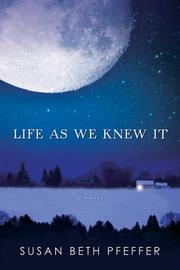
Life As We Knew It
Sixteen-year-old Miranda keeps a diary while an asteroid strike on the moon brings tsunamis, blackouts, and a frozen year of hunger to her Pennsylvania town.
2,485-word summary · 11 min read