
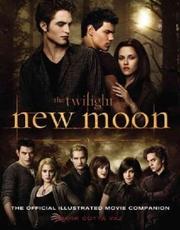
New Moon: The Complete Illustrated Movie Companion
2,602-word summary 12 min read 144 pages in the book
- First published
- 2009
- Publisher
- Little, Brown Books for Young Readers
- Pages
- 144
- ISBN
- 9780316075800
Reading options
What's inside (8 sections)
I picked this one up right after the first companion, mostly because I wanted to see how they pulled off a sequel in under a year. The first Twilight film came out in November 2008 and New Moon landed in November 2009, which meant the book in your hands was researched and written while the paint was still wet on the sets. Mark Cotta Vaz had done the same job for the first film, so he knew the drill. He hung around the Vancouver shoot, sat in on interviews, and photographed call sheets and concept art that would otherwise have stayed in binders. What you get is 144 pages of color photos and short interviews that walk through the whole production, from the director swap to the Italian finale.
The official title on the publisher page reads New Moon: The Official Illustrated Movie Companion, and some printings carry The Twilight Saga banner up top. Either way it is the second companion volume, covering the second film only. It came out from Little, Brown Books for Young Readers in October 2009, a few weeks ahead of the movie, which explains why the tone stays firmly in promotion mode. Nobody here trashes the script. Still, if you read between the posed cast shots, there is plenty of real information about how a mid-budget fantasy sequel gets made fast without looking cheap.
A new director and eleven months to release
The biggest story in the opening pages is the change behind the camera. Catherine Hardwicke directed the first film, all handheld energy and damp Oregon locations. For New Moon the studio brought in Chris Weitz, who had co-directed American Pie and then made About a Boy, which told the studio he could handle both comedy crowds and character work. Vaz quotes Weitz talking about wanting a bigger and more polished look for the sequel, something that matched a story where Bella's depression gives way to Italian spectacle. He also had Melissa Rosenberg back on the script, which kept some continuity while everything else shifted.
What struck me reading this section is how open everyone is about the schedule. Pre-production, shooting, and post-production had to stack on top of each other. Sets were being built while locations were still scouted. The visual effects team started wolf designs before the final script pages were locked. One producer calls it building the car while driving it, and you believe him, because the dates are right there. Shooting ran in the spring of 2009 in and around Vancouver, with the Italian unit heading to Montepulciano later. The film had to be finished in time for a locked November release, and the companion had to be printed even earlier. That pressure shapes every chapter. When a costume designer says she had weeks instead of months for the Volturi robes, that is not color commentary. That is the actual schedule talking.
The book does not pretend this was easy. There is a decent stretch about Weitz finding his footing with a cast that already knew their characters better than he did. Kristen Stewart and Robert Pattinson had lived with Bella and Edward through the first press tour, and Taylor Lautner had spent a year hearing he might be replaced. A new director walking into that has to earn trust fast. The interviews suggest he did it by talking performance rather than franchise, asking what Bella wants in a scene instead of how the fans will react. Whether that is spin or truth, the on-screen result backs it up at least partway. New Moon looks more expensive than Twilight, and calmer in the way it frames faces.
Bella falls apart and the camera stays close
The heart of the film is Bella's long slump after Edward leaves, and the companion spends real pages on how unglamorous that was to shoot. Stewart talks about playing emptiness without going blank, and Weitz talks about holding the camera on her while the months pass. Fans remember the shot where the camera circles Bella in her bedroom while the seasons change outside her window. Vaz gives that sequence a full spread, with notes from the cinematographer Javier Aguirresarobe about lighting the same room for October, November, December, and January. They changed the leaves, the light, and her posture, and let the room do the talking.
I liked this part more than I expected, because it treats a teen romance like craft. There is discussion of contact lenses and pale foundation for the Cullens, carried over from the first film but refined here. The Cullens appear less in this story, so when they do show up at the birthday party or in the Italian climax, the makeup had to read instantly. The birthday scene gets careful attention. Bella gets a paper cut, Jasper reacts, Edward decides humans and vampires cannot mix, and the whole family leaves Forks. The book walks through the staging: the white room, the red blood against the wrapping paper, Carlisle stopping Jasper. It is one of the few places where the companion slows down and explains a single scene beat by beat, and it works.
Fair criticism belongs here too. The companion never admits that the middle of the film drags for some viewers. Bella rebuilding motorbikes with Jacob, asking him to drive fast so she can hear Edward's voice in her head, plays as longing on the page and can feel repetitive on screen. Vaz presents the voice-hearing as a clever device, which it is, and skips past the complaint that Bella spends a lot of the story waiting on boys to define her day. A friend reading this for balance should know that gap exists. The photos are gorgeous. The analysis stays friendly.
Taylor Lautner keeps the role and Jacob grows up
No chapter in this book has more energy than the Jacob material. When the first film wrapped, the studio openly considered recasting Jacob with an older actor who already looked like a werewolf. Lautner was sixteen during the first shoot and slight. Jacob in New Moon is supposed to read as grown and physically changed by phasing. So Lautner did what the book documents with visible pride: he trained hard, gained roughly thirty pounds, and came back looking like a different person. The companion runs the before-and-after photos and lets the producers admit they were wrong to doubt him. It is the most human story in the volume, and the one place where the publicity line and the real effort line up.
The Jacob section also covers his workshop scenes with Bella, the dirt bikes, the garage at the Black house in La Push. These were shot around Vancouver with dressed sets standing in for the reservation, and the book is honest about that fakery in a fun way. There are photos of the bikes mid-build, chain grease and all, plus notes on how the sound team gave each bike its own voice. Billy Black's actor Gil Birmingham gets a short interview about playing the worried father who knows more than he says. And there is good material on the friendship chemistry. Stewart and Lautner clearly got along, and the photos of them laughing between takes sell the Bella-Jacob warmth better than any caption could.
Then comes the transformation. Jacob phases into a wolf, joins Sam Uley's pack, and the story gains its second supernatural family. The companion introduces the pack members one by one, with headshots and short quotes. Sam, Paul, Jared, Embry, Quil. Most are played by young actors with stunt and sports backgrounds, because the wolf scenes demanded running takes and wire work. The book explains the pack tattoos, the cut-off shorts uniform that became a running joke on set, and the contact lenses some wolves wear. It treats the Quileute characters with respect in the text, though a careful reader will notice the companion never goes deep on the real Quileute Nation or the questions around using tribal legend as plot fuel. That is a miss. A page or two of context would have helped, and its absence dates the book a little.
Wolves, wires, and the cliff jump
The effects chapters are where this companion earns its shelf space. The wolves are fully computer generated, built by the effects house from muscle studies, dog movement, and a lot of fur simulation. Vaz includes early maquettes and turntable renders that I found genuinely interesting. Each wolf has a distinct size and coat so audiences can tell Sam's pack apart at speed. Paul's wolf runs hot and aggressive. Sam's reads as the alpha even in silhouette. The animators studied real wolf packs hunting and fighting, then scaled everything up to horse size without losing the canine read. On set the actors reacted to tennis balls on sticks and men in gray suits, which the book shows without embarrassment. There is a funny photo of Stewart screaming at nothing in the woods that makes the finished shot more impressive once you see it.
The cliff diving sequence at First Beach gets its own treatment. In the story Bella throws herself off a cliff to feel the adrenaline rush that summons Edward's voice, and Jacob dives in after her. The crew shot the real cove for the wide views and did the jump work with stunt performers, wires, and tanks. The companion explains the safety setup in plain terms: safety rigs under the costumes, a dive team in the water, multiple takes from boats and cliffs. Lautner did some of his own water work, and the book makes a point of saying so, with the on-set photographer catching him mid-air. The storm-tossed water in the final film is part real ocean and part digital extension, and the chapter admits which is which. For a book aimed at teens, that honesty about process is welcome.
Smaller craft details pile up nicely. The vampire speed effect, the shattering birthday paper, the way Edward's Volvo got an upgrade to match his mood. The makeup team explains how they kept the Cullens pale under harsh sun units without making them look gray on camera. The hair department talks about wigs in wind machines. None of this is long, each gets a page or two, but together it gives a real sense of how many hands touch a ten-second shot. If you have ever watched a fantasy film and wondered why a simple conversation in the woods needs fifty people, this stretch answers it.
Volterra and the red cloaks
Everything in the last act moves to Italy, and the companion clearly saved its prettiest photography for this section. The story sends Bella and Alice to Volterra to stop Edward from walking into the sun during the festival of St. Marcus Day, and the production filmed in Montepulciano in Tuscany. The book runs wide shots of the stone streets, the crowds in medieval costume, the red banners, and explains how the crew dressed a living town without shutting it down. Shopkeepers moved cars, extras filled the square, and the camera team worked around real church bells. Weitz wanted the festival to feel joyful so Edward's plan would land harder against it, and the photos show he got the contrast he wanted.
Then the Volturi. Michael Sheen joined as Aro, with Jamie Campbell Bower as Caius and Christopher Heyerdahl as Marcus, plus Dakota Fanning as the terrifying child vampire Jane. The companion gives each of them a portrait session and a quote, and the costume pages are great. The Volturi robes are deep red and gray, cut long, with a papal menace the book names outright. Their chamber is all black stone and torchlight, designed to feel like a courtroom crossed with a crypt. Sheen talks about playing Aro as a delighted collector rather than a snarling villain, which matches what ended up on screen. Fanning's Jane gets special attention for the single stare that drops Bella's protectors to their knees. The book notes she was fifteen during the shoot and utterly professional, which reads as genuine respect from the crew rather than press fluff.
The tower interiors were built back in Vancouver after the Italy unit wrapped, and the companion shows the joinery: stone that is really plaster, torch flames that are really gas lines, daylight that never changes because it comes from rigs overhead. There is also a frank bit about the contact lenses the Volturi wear, milky and red, which limited how long the actors could shoot in a day. So the big confrontation scenes were scheduled in short bursts. Knowing that changed how I watch the scene. Aro's long speeches with pauses fit the acting, and they also match the rhythm of a set where everyone, cast and crew, worked against drying lenses and hot lights.
What the photos tell you that the film cannot
The last stretch of the book steps back and functions as a pure art object. Full-page portraits, costume sketches with fabric swatches, set blueprints for the Black house and the Cullen glass house. The Cullen house in this film is even more architectural than the first, all glass and pale wood in the woods, and the companion shows how much of it was location and how much was dressing. The Swan house gets a quieter page. Charlie's kitchen looks lived in because the set dressers stocked real cereal and left the fridge magnets from the first film. Details like that are catnip if you care about continuity.
The interviews scattered through these pages add up to a group portrait. Elizabeth Reaser on playing Esme with less screen time but more warmth. Ashley Greene on Alice's pixie energy and the spike in her popularity after the first film. Kellan Lutz and the pack actors on gym schedules and practical jokes. Nikki Reed on Rosalie's anger in the key scene where she admits telling Edward that Bella had died, which sets the whole Italian race in motion. None of these are long. They run a few hundred words each, with a photo bigger than the text. Taken together they capture a cast that was suddenly famous, working dawn shoots in cold water, and mostly enjoying it.
So who is this for, honestly? It is for the fan who watched New Moon twice and wants to linger. A casual viewer will find the photo-to-text ratio skewed; some spreads are ninety percent pictures, and the captions do real work carrying facts. A film student will wish the technical chapters ran longer, because the wolf pipeline and the Volterra scheduling get maybe ten pages between them when each could fill a booklet. And anyone hoping for juicy conflict will leave hungry. There are no fights, no salary stories, no Hardwicke postmortem beyond polite lines. The companion protects the franchise. That is the deal with books printed before release, and this one is no exception.
Still, I kept mine. The production story is specific enough to be worth keeping, the Italy photography holds up, and the Lautner chapters document a rare case where an actor outworked a recasting rumor. When friends ask to borrow a Twilight book, this is the one I hand over before the novels, because it shows what adaptation actually costs in crew hours and plaster stone. Check the later companions for Breaking Dawn if you want the saga's end. Start here if you want the middle, where everything got bigger and the seams show in the most interesting ways.
FAQ
Does this book cover the whole New Moon film production?
Yes. It follows the 2009 film from the director change through the Vancouver shoot to the Italian finale in Montepulciano. It ends before release, so later sequels are not covered.
Is it worth reading if I liked the Twilight novels more than the films?
It suits Twilight film fans who want set photos, costume notes, and short cast interviews. Readers wanting critical analysis or coverage of the later films will find it thin.
Is this the same book as The Official Illustrated Movie Companion?
The publisher lists it as New Moon: The Official Illustrated Movie Companion, and some printings add The Twilight Saga banner. Both titles describe the same 144-page volume by Mark Cotta Vaz.
Similar books
Twilight: The Complete Illustrated Movie Companion
Behind the scenes guide to the first Twilight film with cast photos, sets, and effects stories.
2,526-word summary · 11 min read
The Twilight Saga Breaking Dawn Part 1: The Official Illustrated Movie Companion
Official photo guide to the Breaking Dawn Part 1 film, from the wedding to Isle Esme to the birth scene crew work.
2,931-word summary · 13 min read
Twilight Director's Notebook
Director Catherine Hardwicke shares photos, storyboards, and notes on casting, looks, sets, and key scenes from Twilight.
2,863-word summary · 13 min read
Divergent: Official Illustrated Movie Companion
An oversize behind-the-scenes guide to the 2014 Divergent film, with casting stories, costume and set design, and scores of photos.
2,524-word summary · 11 min read
The Hunger Games: Official Illustrated Movie Companion
Behind the scenes guide to the 2012 film, from casting and sets to costumes and arena effects.
2,892-word summary · 13 min read
The Hunger Games Tribute Guide
The official 2012 companion to the first Hunger Games film profiles all twenty-four tributes and walks through the reaping, training, and interviews.
2,092-word summary · 9 min read

The Magnolia Story
How Chip and Joanna Gaines met, closed their first shop, nearly lost everything in a housing development, and built Fixer Upper.
2,994-word summary · 13 min read
The History of the Hobbit, Part One: Mr. Baggins
Rateliff traces every draft of Bilbo from 1930 notes to print.
2,410-word summary · 11 min read
The Art of The Fellowship of the Ring
Gary Russell's 2002 HarperCollins companion follows Peter Jackson's Fellowship from Hobbiton to Isengard. Sketches, costumes, weapons and bigatures show how…
2,347-word summary · 10 min read

The Zookeeper's Wife: A War Story
The directors of the Warsaw Zoo hid roughly three hundred Jews in empty cages and outbuildings after the German invasion, while Jan worked for the resistance.
2,065-word summary · 9 min read
The Thief
A boastful young thief is pulled from a prison to steal a legendary stone for the king's magus, and the story he tells about himself is not the whole story.
2,514-word summary · 11 min read
The Tale of the Body Thief
Lestat trades bodies with a psychic thief for one day of mortality and ends up trapped, sick, and hunting his own vampire body.
2,069-word summary · 9 min read
The E-Myth Revisited
Gerber argues that most small businesses are run by technicians who own a job rather than a business, and that the fix is a system that runs without them.
2,169-word summary · 10 min read

The Blinding Knife
Kip trains to join the Blackguard while the Prism hides his true identity, loses his colors, and fights a war against a rogue drafter who wants to birth a god.
2,049-word summary · 9 min read
Sybil
A 1973 case study of a woman treated for multiple personalities, and the book that made dissociative identity disorder a household phrase.
2,054-word summary · 9 min read
Six Scorched Roses
A dying scholar bargains with a reclusive vampire for blood, and six roses turn a transaction into a slow, dangerous romance.
2,663-word summary · 12 min read
Ship of Magic
A sentient ship wakes when her captain dies, and the family that owns her starts to come apart over who gets to sail her.
2,026-word summary · 9 min read
Nudge: Improving Decisions About Health, Wealth, and Happiness
Thaler and Sunstein show how defaults, framing, and social cues steer choices, and argue for choice architecture with an opt-out.
3,146-word summary · 14 min read

Long Walk to Freedom
Mandela's account of a Thembu childhood, a law practice, a banned movement, twenty-seven years in prison, and the negotiation that ended apartheid.
2,454-word summary · 11 min read

Inkdeath
The final Inkworld novel sends Mo into the land of the dead, leaves Meggie choosing between two boys, and ends the Adderhead's immortality with three written…
2,062-word summary · 9 min read
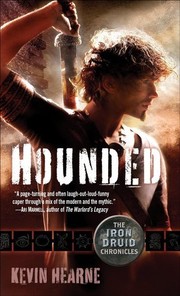
Hounded
A two-thousand-year-old druid runs a bookshop in Arizona, hides from an Irish god who wants his sword back, and talks to his dog.
2,159-word summary · 10 min read
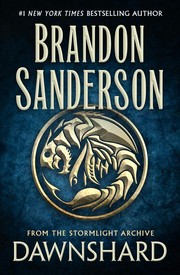
Dawnshard
Rysn sails toward forbidden Akinah to save her dying larkin and finds a Dawnshard guarded by the Sleepless.
3,229-word summary · 14 min read
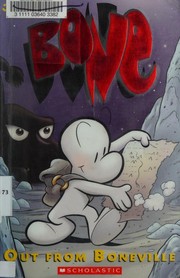
Bone, Vol. 1: Out from Boneville
Three cartoon cousins are run out of Boneville, separated by locusts, and dropped into a valley where rat creatures and an old grudge are waiting.
2,155-word summary · 10 min read

1491: New Revelations of the Americas Before Columbus
Charles C. Mann gathers archaeology, ecology, and demography to argue that the Americas before Columbus were older, fuller, and more deliberately shaped than…
2,712-word summary · 12 min read
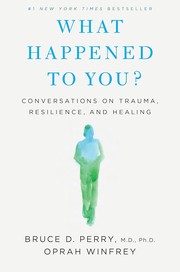
What Happened to You?
Oprah Winfrey and psychiatrist Bruce Perry explain how early experience shapes the brain, and why asking what happened to someone works better than asking what…
2,238-word summary · 10 min read

Vow of Thieves
Kazi and Jase return to Tor's Watch to find it occupied, and their marriage is tested by captivity, betrayal, and a war for the town of Hell's Mouth.
2,059-word summary · 9 min read

The Lost Sisters
Taryn Duarte writes a letter to her twin, Jude, explaining how she fell for Locke and why she stayed silent while he used them both.
1,914-word summary · 9 min read
The Icebound Land
Captured and enslaved in Skandia, Will fights a drug that erases him while Halt and Horace cut a bloody road through Gallica to bring him home.
2,088-word summary · 9 min read
The Field Guide
Three siblings move into a creepy Maine estate, anger a brownie, and find a forbidden guide to the fairy world in the first Spiderwick book.
2,033-word summary · 9 min read
The DaVinci Code: A Quest for Answers
A short 2006 dialogue in which three friends test Dan Brown's claims about Jesus, Mary Magdalene, Nicaea, and the canon.
2,088-word summary · 9 min read