
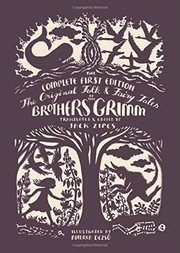
The Original Folk and Fairy Tales of the Brothers Grimm
2,331-word summary 10 min read 568 pages in the book
- First published
- 2014
- Publisher
- Princeton University Press
- Pages
- 568
- ISBN
- 9780691160597
- Original title
- Kinder- und Hausmärchen
Reading options
What's inside (8 sections)
I picked up this book because I thought I knew the Grimms. Cinderella, Rapunzel, Hansel and Gretel, the greatest hits. I had read a children's collection as a kid and seen the movies. Then a friend told me the early versions were stranger and much less comfortable, and that Jack Zipes had finally put the whole first edition into English. Princeton University Press published his translation on Oct 19, 2014. It runs 568 pages and carries ISBN 9780691160597. I expected a curiosity for scholars. What I found was a big, odd, lively book that reads like field notes from a culture trying to remember its stories before they slipped away.
The setup matters. Jacob Grimm, born 1785, and his brother Wilhelm, born 1786, were philologists and librarians, not children's authors in the modern sense. They studied old German language and law, collected myths and songs, and later worked on German grammar and a huge German dictionary. In December 1812 they published the first volume of Kinder- und Hausmärchen, usually called Children's and Household Tales in English, with a second volume following in 1815. Those two volumes hold 156 stories in Zipes's counting. Over the next forty years the brothers kept revising. They published more editions, smoothed the prose, added morals, cut some pieces entirely, and expanded the collection until the seventh and best known edition of 1857 held about 210 tales. That 1857 text is the one most English readers grew up with.
Zipes is a professor emeritus of German and comparative literature at the University of Minnesota. He had already translated the 1857 edition for Bantam. For this Princeton book he went back to the start and translated the 1812 and 1815 texts complete, with the Grimms' prefaces, notes on sources, a list of contributors, and his own introduction and note on translation. Andrea Dezso illustrated it with twenty black and white cut paper pictures that look a little like shadow theater. The pictures do not try to be cute. They fit the tone.
What surprised me first was how plain the early tales sound. Later editions add description, motives, prayers, and tidy endings. Here many stories start fast and stop fast. A king has three sons. A miller has a daughter. You get a few lines, a turn, and then a punishment or wedding. Some pieces are half a page. The voice feels close to someone telling a story aloud.
Why the first edition feels different
The biggest difference is attitude. The 1857 book wants to teach and to charm. The 1812 and 1815 book mostly wants to record. There is very little Christian preaching here. Zipes points out that the later edition adds prayers, Bible echoes, and moral comments, plus ten religious legends at the end, while the first edition has almost none of that. Fairies are also scarce. Many stories call themselves tales or stories rather than fairy tales, and the magic often comes from talking animals, odd old women, dwarfs, or simple tricks, not from wand waving godmothers.
Family life is harsher. In the famous later versions, Hansel and Gretel suffer under a stepmother, and Snow White is hated by a stepmother. In the first edition the mother herself is the danger. A hungry mother tells her children she must eat them to survive. Snow White's own mother orders a huntsman to kill her out of envy. That change from mother to stepmother in later editions softens the story but also shifts the meaning. Here the fear is inside the house, not brought in from outside. I found those passages hard to read, and I think that is the point. Hunger in the Napoleonic years was real, and these stories do not look away from what poor parents feared they might do.
Sex is present in a blunt way that later editors cleaned up. Rapunzel is the clearest case. In the first edition she is a short tale with a sharp edge. She lives in a tower, receives a prince, becomes pregnant, and only then does the sorceress learn what happened when Rapunzel asks why her clothes no longer fit. Later versions stretch the story, make it sentimental, and remove the pregnancy. Other tales include lovers who betray each other, maids who bargain with their bodies, and husbands who learn too late. Nothing is graphic by modern standards, but bodies have consequences here. People eat, bleed, give birth, age, and die.
Violence is direct and often legalistic. Villains dance in hot iron shoes or are rolled in nailed barrels. Heroes are not always kind. They lie to kings, cheat devils, and laugh at the end. Animals can be more decent than people. After fifty pages I saw the pattern. Keeping your word, sharing bread, or sparing a creature matters more than manners.
Language adds to the effect. Zipes keeps the spare and blunt quality without writing fake dialect. Sentences are short. Dialogue is plain. When a tailor kills seven flies and sews a belt that says Seven At One Blow, the story lets the misunderstanding do the work.
From 1812 to 1857: what changed and why
It helps to picture the brothers at work. They did not wander the countryside the way legend suggests. Most early material came from educated young women in Kassel, family friends, servants, and books. Jacob was the stricter scholar. Wilhelm took charge of storytelling, and after about 1819 he shaped the tales toward readable literary stories. Each edition polished sentences, added dialogue, explained motives, and cut what seemed crude.
The pattern repeats. Tales get longer. Dialect gets smoothed. Mothers become stepmothers. Pregnancies vanish. Morals appear. By 1857 the book looks like a nursery treasure. In 1812 it looked like a scholarly book with stories attached, prefaces and notes included.
Zipes argues that something valuable was lost in polishing. The first edition preserves many voices. Later editions blend them into Wilhelm's smooth style. The 1857 Grimms read better by the fire. The 1812 Grimms surprise more often.
Compare Rapunzel, The Frog King, and Cinderella. In the first edition Rapunzel is brief and physical. The Frog King is shorter and cooler. The princess must keep a careless promise. Cinderella keeps its ashes and hacked heels, but quicker and less decorated. They read like alternatives with their own logic.
The book also keeps pieces the brothers later dropped. The famous example is How Some Children Played at Slaughtering, sometimes listed as How Children Played Butcher. Two short reports about children imitating a pig killing, with fatal results. The Grimms cut it after the first edition. Another is The Children of Famine, in which a starving mother says she must eat her daughters. This is not only favorites. It is a record of what people told.
How the book is put together
The Princeton volume follows the original order. It opens with Zipes's introduction, called Rediscovering the Original Tales, and a short note on translation. Then the Grimms' preface to Volume I, tales 1 through 86, and fragments. Then the preface to Volume II, tales 1 through 70, ending with The Golden Key. After come contributors, notes, and index.
Volume I starts with The Frog King or Iron Henry and mixes familiar names with strange ones. You meet Rapunzel, Hansel and Gretel, Cinderella, Mother Holle, Little Red Cap, The Singing Bone, Maiden without Hands, Puss in Boots, Mrs. Fox, The Elves, The Robber Bridegroom, Godfather Death, Fitcher's Bird, The Juniper Tree, Briar Rose, Little Snow White, Rumpelstiltskin, Bluebeard, and Princess Mouseskin. Horror sits next to comedy. Long tales sit next to two minute anecdotes.
Volume II opens with The Poor Man and the Rich Man and continues with The Goose Girl, The King of the Golden Mountain, Doctor Know It All, Hans My Hedgehog, The Blue Light, The Devil and His Grandmother, The Worn Out Dancing Shoes, The Six Servants, and finally The Golden Key. That last piece is only a few lines about a boy finding a key and a chest in the snow. It stops before we learn what is inside.
Reading in order taught me the system. Animal tales explain human deals. Magic tales test promises. Three brothers try in turn. Three tasks must be done. Once I accepted the rhythm, I could read thirty pages at a sitting. When I binged a hundred pages, patterns blurred. This is a book for small portions.
About the translation and pictures
Zipes writes plain American English that keeps the bluntness. Dialogue sounds spoken. Narration rarely pauses for scenery. Readers who love rich description may find it thin. Readers who like plot will move fast.
He keeps German titles in parentheses after each English title, which reminds you this is translation. The notes explain sources and dialect changes. The contributor list corrects the old hearth myth. Much came from literate middle class households.
Dezso's pictures deserve a note. Twenty black silhouettes with fine cut details, like shadow plays. Because there are only twenty for 156 tales, they act as pauses. I wished for more, but scarcity fits. The tales give little visual detail, so a few stark images leave the rest to you.
This is a thick book that works like a reference. The index finds variants fast, and the notes run almost forty pages. Zipes states his view plainly. The first edition deserves attention as literature and evidence. You can disagree and still use his tools.
Tales that stuck with me
A few stories show why this edition matters. The Frog King or Iron Henry opens the book. A princess promises a frog anything, tries to break it, is forced by her father to keep it. Change comes abruptly. In later retellings she kisses the frog and learns kindness. Here duty does the work. Colder, and to me more interesting about promises.
The Juniper Tree may be the strongest tale here. A stepmother kills her stepson and serves him to his father. His sister buries his bones. A bird sings the crime and the boy returns. The telling is long, musical, brutal. I had to put the book down after it.
Fitcher's Bird, The Robber Bridegroom, Bluebeard, and The Castle of Murder form a dark cluster about murderous husbands and curious brides. Fitcher's Bird is starkest. A sorcerer carries off sisters, kills the disobedient, until the youngest frees her sisters and tricks him into carrying them home while she escapes smeared with honey and feathers. They read as warnings about control, though they never preach.
Mrs. Fox deserves mention because the list behind this post named a Fox tale and the real title in Zipes is Mrs. Fox. Old Mrs. Fox seems dead, suitors call, the maid cat judges tails and manners, the true husband returns. Short, theatrical, funny after so much blood. Herr Fix It Up and Clever Hans are comic too. One claims every trade and fails. The other ruins each gift by misunderstanding orders.
Two small pieces stayed with me. The Elves is three tiny tales in one, including the shoemaker. Brief to the point of bare. Just work done, gift given, departure. The Golden Key, the final fragment, stops at the turn of the lock. Placed at the end, it feels like method. Collecting is unlocking without end.
I should name the hard ones. The Jew in the Thornbush uses a cruel stereotype and modern readers should not skip that fact. Notes give context about early nineteenth century prejudice, but context does not erase sting. How Some Children Played at Slaughtering is upsetting because children die playing at adult work. The Children of Famine voices hunger as a wish to eat her own girls. Not bedtime tales. The Grimms cut or rewrote several later. Reading now requires care and selection.
What drags and who should read it
No collection of 156 early tales reads evenly. A third are favorites that move well. A third are solid plots in shorter dress. The last third are anecdotes, jokes, tall tales, and fragments for scholars. The Fox and the Geese is a sentence. If you read straight through expecting novels, you will stall.
Repetition is the main test. Queens, lost children, youngest sons, helpful foxes recur with small changes. That is how oral storytelling works, but it asks patience. Zipes keeps diction simple on purpose, so tales can blur if you rush. I read with a pencil, marking variants I liked.
The introduction is clear on Napoleonic Kassel and Wilhelm's growing literary hand. Notes are dense. I dipped rather than marched. Flipping between tale, note, and index with coffee in hand is awkward.
Who is this for? Not bedtime Disney. Some tales are too violent for young kids. It suits readers who want the workshop before paint dried. Writers can study plot in three pages. Teachers can pair first and seventh edition Rapunzel or Snow White and let students spot changes.
A practical way in is to sample. Read The Frog King, Rapunzel, Hansel and Gretel, Cinderella, and Little Snow White first, then The Juniper Tree, Fitcher's Bird, Mrs. Fox, Godfather Death, and The Golden Key. Then try How Some Children Played at Slaughtering and Princess Mouseskin. If those please you, read in order with notes nearby.
I finished with more respect for the brothers and less sentiment about them. Jacob and Wilhelm were brilliant, ambitious, sometimes prudish, sometimes bold, and always working. They saved stories that might have vanished, reshaped them toward their own century's taste, and left enough paper trail that we can watch them change their minds. Zipes's 2014 Princeton volume lets English readers join that watching for the first time across all 156 pieces. It is long, uneven, funny in spots, grim in others, and full of small shocks. Keep it by the chair rather than the crib, read a few tales at a time, and let the rougher edges show. They are the reason to own this edition alongside the familiar one.
FAQ
Is this the same as the Grimms' famous 1857 collection?
No. This Princeton volume from 2014 translates the 1812 and 1815 first edition with 156 stories in shorter, rougher form, while the 1857 edition holds about 210 revised tales.
Why list both brothers as author when the book list says Jacob Grimm?
Princeton credits Jacob Grimm and Wilhelm Grimm, the cover says Brothers Grimm, and both brothers gathered the tales. Joint authorship matches the edition even though the book list names only Jacob.
Is this edition good for young children?
Mostly no. Several tales include harsh violence, sexual hints, and outdated stereotypes. It suits adults, students, writers, and older teens more than small children.
Similar books
The Complete Fairy Tales
Mermaids, snow queens and tin soldiers in the full Andersen collection.
2,414-word summary · 11 min read
The Mitten
Jan Brett retells a Ukrainian folktale about a boy, a lost white mitten, and the woodland animals that crowd inside until a bear sneezes.
2,609-word summary · 12 min read
The Lottery
In Jackson's 1948 story, a village draws lots to keep the corn heavy, and the chosen person is stoned by her neighbors.
3,080-word summary · 14 min read
The Gift of the Magi
A young couple with almost no money each sells the thing they treasure most to buy a Christmas present for the other.
1,978-word summary · 9 min read
The Memoirs of Sherlock Holmes
Doyle's second Holmes collection gathers twelve Strand stories, including the early case of the Gloria Scott and the confrontation with Moriarty at Reichenbach…
2,390-word summary · 11 min read
The Illustrated Man
A tattooed drifter's moving pictures retell eighteen Bradbury stories of children, rockets, Mars and the last night of the world.
2,791-word summary · 12 min read
The Call of Cthulhu and Other Weird Stories
Seventeen tales from Dagon to Innsmouth, led by Cthulhu, the Colour, and the Whisperer, in S. T. Joshi careful Penguin edition with notes and corrected texts.
2,593-word summary · 12 min read
The Call of Cthulhu
A professor's papers link a sculptor's dreams, a Louisiana cult raid, and a sailor's voyage to a sleeping god under the sea.
2,530-word summary · 11 min read
The Jungle Book
Mowgli, raised by wolves in the Seeonee Hills, learns the Law from Baloo and Bagheera while Shere Khan circles. Kipling's 1894 story collection.
2,799-word summary · 12 min read
Faust, Part One
A restless scholar bets his soul against one perfect moment, then ruins an innocent girl in Goethe's 1808 verse tragedy.
2,568-word summary · 11 min read
Aesop's Fables
Short animal tales of hares, foxes, ants, and wolves that still sting: old fables in plain modern English.
2,916-word summary · 13 min read
The Sorrows of Young Werther
A young artist writes letters about his love for Lotte, promised to another, until feeling turns fatal in Goethe's 1774 classic.
2,934-word summary · 13 min read
The Legend of Sleepy Hollow
A lanky schoolmaster courts a farmer's daughter in a haunted Dutch valley until a midnight ride by the Headless Horseman ends at the bridge.
2,968-word summary · 13 min read
Nine Stories
Bananafish, Esme, and Teddy anchor Salinger's postwar Glass stories.
2,348-word summary · 10 min read
Thus Spoke Zarathustra
A prophet comes down from ten years alone to preach the overman after the death of God.
1,983-word summary · 9 min read
Dubliners
Fifteen Dublin stories from boyhood priests to Gabriel's snow, mapping paralysis that still moves readers.
2,111-word summary · 9 min read
White Nights
A lonely dreamer spends four summer nights with Nastenka in Petersburg, listening, hoping, then losing her at dawn.
2,927-word summary · 13 min read
True Story of the Three Little Pigs
A. Wolf tells his side from the Pig Pen: he only wanted sugar for a cake, had a bad cold, and sneezed. You decide.
2,975-word summary · 13 min read
The House on Mango Street
Esperanza Cordero grows up on Mango Street in Chicago, watching neighbors closely while dreaming of a house of her own.
2,567-word summary · 11 min read
The Yellow Wallpaper and Other Stories
A young mother confined for her health fixates on yellow wallpaper, plus 39 other Gilman stories on marriage and work.
2,989-word summary · 13 min read
The Martian Chronicles
Linked stories trace failed Mars landings, crowded American towns on Mars, and nuclear war on Earth to one last family.
2,870-word summary · 13 min read
The Adventures of Sherlock Holmes
Twelve Strand cases from Irene Adler to the Copper Beeches, with Holmes at his sharpest and strangest.
3,579-word summary · 16 min read
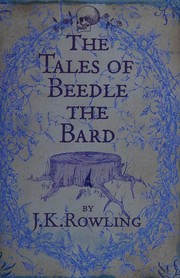
The Tales of Beedle the Bard
Five wizard fairy tales from Hermione book, with Dumbledore notes, including the Three Brothers and the Hallows.
2,663-word summary · 12 min read

The Long Winter
Dakota Territory, 1880: seven months of blizzards cut a town off from the railroad, and a family survives on twisted hay, ground wheat, and a dangerous wheat…
2,210-word summary · 10 min read

The Crying of Lot 49
A California woman named executor of her ex-lover's estate follows a muted post horn into a possible centuries-old postal conspiracy, and Pynchon refuses to…
2,003-word summary · 9 min read
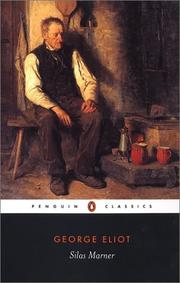
Silas Marner
A falsely accused weaver hoards gold in Raveloe until a stolen hoard and an abandoned child remake his narrow life.
2,699-word summary · 12 min read
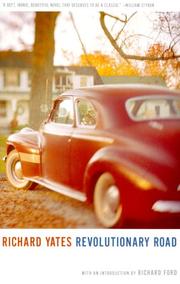
Revolutionary Road
A Connecticut couple who believe they are too good for the suburbs plan to move to Paris, and the plan slowly exposes everything they cannot say to each other.
2,085-word summary · 9 min read

Make Way for Ducklings
A pair of mallards raise eight ducklings on the Charles River and lead them across Boston to the Public Garden, with a little help from a friendly policeman.
2,044-word summary · 9 min read

Inkdeath
The final Inkworld novel sends Mo into the land of the dead, leaves Meggie choosing between two boys, and ends the Adderhead's immortality with three written…
2,062-word summary · 9 min read