
Reading options
What's inside (8 sections)
- Sitting in a Police Station With Coffee Gone Cold
- Working for Vera Donovan and Learning How to Hate Cleanly
- Joe St George and the Years That Curdled a Marriage
- Planning for the Eclipse and Doing What Had to Be Done
- Vera at the End and What Really Happened on the Stairs
- Selena, the Trial of Memory, and Whether Confession Heals
- Key takeaways
- FAQ
Sitting in a Police Station With Coffee Gone Cold
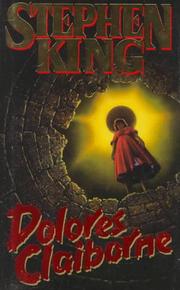
I will admit I started Dolores Claiborne expecting a horror novel and got something stranger and better, a woman in her sixties talking straight into a tape recorder until the truth runs out. The frame is simple. Dolores Claiborne, sixty five, widow, mother of three grown kids, housekeeper on Little Tall Island off Maine, has been brought to the police station after her rich employer Vera Donovan dies falling down stairs. The cops think Dolores may have pushed her. A young deputy and a stenographer listen while Dolores says fine, I will tell you everything, but you are asking about the wrong death. What follows is her life confession, funny, furious, foul mouthed, and completely in her voice.
Little Tall is small enough that everyone knows whose truck is parked where and who drinks too much on Fridays. Dolores has lived there for decades, cleaning, cooking, raising Selena and Joe Jr and little Pete, married to Joe St George, a handyman who drinks and hits and sulks. Vera Donovan is the summer rich lady with the big house on the point, sharp tongued, sharp eyed, suffering from spells and cruelty in equal measure. Dolores started working for Vera in the late 1940s and stayed off and on for forty years, through Vera's husband's death, through Vera's failing body, through Vera's slide into dementia and spite. The police station scenes anchor everything, Dolores asking for water, correcting the transcript, telling the deputy to shut his trap and listen.
What struck me first was how alive Dolores sounds. She says ain that, she swears, she repeats herself, she goes off on laundry and then lands a line that cuts bone. King writes her without condescension, letting her be smart without schooling, moral without church talk. My fair criticism is that the single voice monologue can exhaust, with very long paragraphs and little dialogue relief, and if you dislike Maine dialect you will struggle early. But stick with it, because once Dolores decides to trust the microphone, the story grabs like a hand on your wrist. She is not asking for pity. She is asking to be believed once before she dies.
Working for Vera Donovan and Learning How to Hate Cleanly
To understand why Dolores is suspected of killing Vera, you have to understand Vera, and Dolores tells that history with love and venom mixed. Vera Donovan came to Little Tall with money, a husband who died in a car crash, and two grown children who rarely visit. She hired Dolores as maid and kept her for decades because Dolores did not steal, did not gossip much, and did not flinch. Vera is brilliant, racist in the casual old money way, vain about her curtains, terrified of losing control as her body fails. She throws ashtrays, hides pills, accuses Dolores of theft, then begs her not to leave. Their fights are legendary on the island, screaming matches that end with them drinking tea in silence.
Dolores describes years of making beds, scrubbing toilets, cooking bland food for a woman who complained anyway, lifting Vera when she fell, changing sheets when Vera wet them. She also describes Vera seeing through her. Vera knew Joe beat Dolores, knew Dolores was broke, knew Selena was pulling away. Vera did not offer soft comfort. She offered hard truths in a cold kitchen, like men like Joe do not change, like daughters remember more than you think, like money is freedom and do not waste yours on a drunk. There is a famous scene where Vera says sometimes being a bitch is all a woman has to hold onto, and Dolores laughs because it is true and awful.
Their bond deepens as Vera's mind slips. Vera sees dust people, accuses Dolores of moving furniture to confuse her, then weeps and holds her hand. Dolores stays because she needs the pay and because, underneath the insults, they are two widows in different tax brackets who understand loneliness. When Vera dies at the bottom of her stairs with a rolling pin nearby, it looks bad because Dolores was there, because they fought that morning, because Dolores had motive after years of abuse. Dolores insists Vera's death was accident mixed with Vera's own stubbornness, not murder. I believed her, but King makes you wait for proof while showing why island gossip would convict her in a minute. My criticism is that Vera can feel more symbol than person in the middle chapters, the rich witch versus the poor saint, but the late scenes of Vera soiling herself and begging not to be put in a home restore her humanity fast.
Joe St George and the Years That Curdled a Marriage
The true crime at the center is not Vera's fall but what happened to Dolores's husband Joe thirty years earlier, and Dolores tells it slowly because shame makes her circle. Joe St George was handsome and handy when young, good at fixing boats and houses, bad at holding jobs when drinking. They married young, had three kids fast, lived in a small house with winter winds rattling windows. At first Joe was fun, dancing in the kitchen, bringing fish home. Then the drinking worsened, the jobs thinned, and his hands got quick. He hit Dolores, threatened the kids, stole Dolores's savings from a bank account meant for the children's education to buy booze and trucks he wrecked.
The worst rot involved Selena, their teenage daughter. Dolores noticed Selena withdrawing, failing school, flinching when Joe entered, smelling of drink though she did not drink. It dawns on Dolores slowly and then all at once that Joe has been touching Selena, or worse, and Selena is too scared and ashamed to tell. There is a devastating scene where Dolores confronts Selena in a bedroom with posters on the wall, and Selena spits anger and fear, accusing her mother of choosing Joe over her. Dolores realizes she already suspected and looked away because looking meant action she could not afford. King does not make this graphic for shock. He makes it domestic, missed dinners, washed sheets, a girl who stops laughing. It is harder to read that way.
Dolores also learns Joe plans to keep stealing, to keep hurting, and that divorce would leave her penniless with three kids and no power in 1960s Maine. She goes to Vera, not for money but for advice, and Vera gives her the infamous line about accidents being possible for husbands too. Dolores hates Vera for saying it and hates herself for hearing relief. This section is painful because Dolores is not innocent. She stayed too long, she hit back, she screamed at kids who did not deserve it. King lets her admit she was a bad mother some days and a tired wife most days. My criticism is that Joe is drawn almost purely monstrous by the end, with little left of the charming young man, which makes Dolores's choice feel easier than it should. But the portrait of a trapped woman counting dollars and bruises feels true, and Selena's silence rings painfully real.
Planning for the Eclipse and Doing What Had to Be Done
The eclipse of July 20, 1963 becomes Dolores's stage, and the planning chapters are the most suspenseful King has written without any monsters. A total solar eclipse will cross Maine, drawing crowds, blocking roads, emptying houses as everyone goes to watch. Dolores knows Joe will be drunk, that the kids will be at a church outing or with sitters, that the old well behind their house with its rotted cover will be unwatched. She spends weeks preparing, buying a bottle of good whiskey she cannot afford to ensure Joe drinks, loosening nothing, practicing nothing, just watching the well and the sky and her own hands shake.
On eclipse day, the island goes strange and dim at noon, birds quiet, air cold, light like dirty water. Dolores lures Joe to the backyard under pretense of needing help moving something, arguing to get him angry and unsteady. They fight near the well, Joe grabbing, Dolores dodging, both drinking. She taunts him about money and about Selena, wanting him mad enough to charge. When he rushes, she steps aside and he falls into the well, hitting stone, screaming, begging. Dolores stands over the hole with the sun going black above and listens. She does not push him in with hands, she lets his violence carry him, then she drops stones? Actually she leaves him, covers the well with old boards, and goes to join the eclipse crowd with eclipse glasses on, pretending she watched with everyone.
She describes the corona, the cheers, the way Selena held her hand afterward without knowing why her mother wept. Then days of waiting while Joe is reported missing, search parties combing woods, Dolores cooking meals for searchers with a calm face. When his body is found weeks later, ruled an accidental fall by a drunk, she feels relief and nausea together. I found these pages almost unbearable because King stays inside Dolores's senses, the smell of whiskey, the scrape of shoes on dirt, the sound from the well that she hears for years in dreams. A fair criticism is that the plan depends on perfect timing and luck, and a skeptical reader will wonder why no one questioned her more. But as confession, it works because Dolores does not brag. She says she murdered her husband and would do it again to save Selena, and asks God and the tape to judge. That bluntness is more chilling than any ghost.
Sometimes you have to be a high riding bitch to survive, and sometimes being dead is the only way to stay alive.
Vera at the End and What Really Happened on the Stairs
After confessing Joe's murder, Dolores circles back to Vera's death in 1992, and the parallel is deliberate and sad. Old Vera, now in a wheelchair, incontinent, paranoid, rich but helpless, lives in the big house with Dolores as caretaker, nurse, punching bag, and only friend. Vera's children want her in a home to sell the house. Vera begs Dolores not to let them take her, offering money Dolores refuses out of pride. One morning they fight about laundry and pills, Vera throws things, calls Dolores thief and whore, Dolores shouts back that she is tired of wiping a cruel old woman. Vera tries to stand, falls down the stairs, breaks hip and back, lies bleeding.
Dolores finds her and could call immediately. Instead, furious and exhausted after decades, she considers letting her die. She even grabs a rolling pin in rage, thinking of all the slaps and insults. Then pity wins and she tries to help, but Vera, half mad, accuses her of pushing and begs to be finished. Vera dies before the ambulance comes, or on the way, with Dolores holding her hand and hating herself for hesitating. The rolling pin and the delay make it look like murder, especially with Dolores's past whispers about Joe. The police, including a detective from the mainland who remembers the Joe case, press hard.
What moved me was Dolores saying she did not kill Vera but she understands why people think so, because she wanted to for one hot minute. That honesty costs her. She refuses Vera's inheritance money at first, then accepts some to pay lawyers, insisting she earned every penny in bruises. King uses this to show how caregiving curdles love, how a good person can wish death on someone she loves without acting. My criticism is that the legal wrap up feels thin, with detectives dropping theories quickly once Dolores talks, but I did not mind because the trial that matters is Dolores versus herself. The stairs scene is not supernatural. It is old age, tile, gravity, pride, and two women too stubborn to ask for help until too late.
Selena, the Trial of Memory, and Whether Confession Heals
The final movement belongs to Selena, now an adult living off island, successful but scarred, who has not spoken to Dolores in years except through lawyers. Selena saw a therapist, remembered more about Joe, became convinced her mother killed her father and perhaps Vera too, and reported suspicions that triggered the investigation. Dolores agrees to confess on record partly to clear Vera suspicion and partly to reach Selena, even if it means prison. She mails or imagines giving Selena the truth, that Joe abused her, that Dolores killed him during the eclipse to stop it, that silence afterward poisoned them both.
There is a quiet reunion, not hugs and violins but a long look across a room, Selena crying, Dolores not touching her until invited. Selena finally says she remembers the eclipse day coldness and her mother's shaking hands, and that she always knew on some level. They do not forgive everything in a page. Dolores says Selena has every right to hate her for failing sooner. Selena says she is trying to stop drinking and stop dreaming of wells. Pete and Joe Jr appear briefly, kind but distant, men who left the island and left their mother to manage. The islanders listen to gossip and decide Dolores is either hero or monster depending on who tells it at the store.
King ends without courtroom fireworks. Dolores walks out into daylight, free for now but marked, planning to keep cleaning houses because work is what she knows. She says she sleeps better having spoken, even if sleep still brings the well sound. I admired that refusal of tidy healing. Dolores is not cured, Selena is not fixed, Vera is still dead, Joe is still dead. What changed is that secrets stopped rotting in the dark. My criticism is that the book leans hard on the idea that murder was the only option, without fully wrestling with alternatives that might have existed, which can feel like justification. Yet Dolores herself wrestles, asking if she damned Selena differently by teaching that killing solves. I closed the book thinking of my own mother and the things she never said, and feeling that King, best known for clowns and cars, wrote one of his most human books by letting a tired woman talk until morning.
FAQ
Can I read it without other King books?
Yes, told as one long statement, it assumes no prior books and explains Little Tall as it goes.
Does it connect to Geralds Game?
It links by place and eclipse memory, not plot, so Gerald game can wait.
Similar books
Everything's Eventual: 14 Dark Tales
Fourteen Stephen King stories shuffled by the deal of a card deck, from the haunted room of 1408 to quiet tales of grief that sting as much as the monsters.
2,000-word summary · 9 min read

If It Bleeds
Holly Gibney faces an outsider plus three more tales of dread.
2,219-word summary · 10 min read

Full Dark, No Stars
Four novellas about revenge where ordinary people do terrible things and live with it.
2,646-word summary · 12 min read
Four Past Midnight
Four novellas about a plane lost in time, a writer haunted, and horrors small and large.
2,584-word summary · 11 min read

Rose Madder
After fourteen years of abuse, Rosie Daniels flees her cop husband and finds a painting that opens into a dangerous mythic world.
2,349-word summary · 10 min read

Revival
Jamie Morton shadows preacher Jacobs from boyhood healings to electric cures that open a door best left shut.
2,037-word summary · 9 min read
Later
Boy Jamie Conklin sees dead people who must answer truthfully, pulling him into NYPD cases and a drug crew's greed.
2,009-word summary · 9 min read
The Dark Half
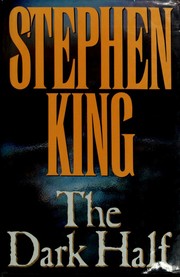
A Maine novelist buries his violent pen name George Stark, then faces murders that carry his own fingerprints.
2,956-word summary · 13 min read

The Tommyknockers
A Maine town digs up a ship and gets brilliant, toothless and cruel.
1,977-word summary · 9 min read
Dreamcatcher
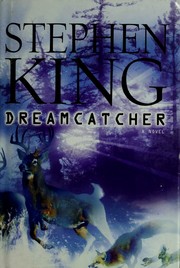
King's 2001 novel follows four Maine friends whose hunting trip meets an alien crash. A friendship story wrapped in graphic infection horror.
2,627-word summary · 12 min read

The Dead Zone
Coma waker Johnny sees futures in touch and faces demagogue Stillson.
2,132-word summary · 9 min read

Firestarter
Fugitive dad and fire starting daughter run from the Shop that made them.
2,275-word summary · 10 min read

Under the Dome
Chester's Mill is sealed under an invisible dome as cook Barbie and editor Julia face Big Jim Rennie's rule.
2,731-word summary · 12 min read
The Institute
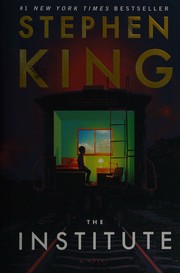
A kidnapped prodigy wakes in a Maine facility where gifted kids earn tokens in Front Half and vanish from Back Half.
3,814-word summary · 17 min read
Doctor Sleep
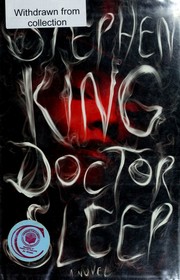
Grown Dan Torrance gets sober in New Hampshire and helps gifted Abra Stone face the True Knot.
2,841-word summary · 13 min read

Cujo
A rabid St. Bernard traps a mother and her young son in a broken-down car at a lonely Maine garage.
2,910-word summary · 13 min read

The Outsider
Coach Terry Maitland's DNA and witnesses point to an impossible murder, until Ralph Anderson and Holly Gibney trace it to El Cuco.
2,586-word summary · 11 min read
11/22/63
A Maine teacher steps through a diner portal to 1958 to stop the Kennedy assassination, and learns the past resists change while a new life pulls him in.
2,799-word summary · 12 min read

Pet Sematary
Doctor Louis buries Church and then Gage in ground that returns them wrong, learning dead is better.
2,158-word summary · 10 min read
Misery
A novelist crashes in Colorado snow and wakes in the home of his self-declared number one fan, who will not let him leave.
2,744-word summary · 12 min read
It
Seven friends in Derry face a shape shifting evil as kids in 1958 and again as adults in 1985.
2,229-word summary · 10 min read
The Shining
The Shining retold: Jack winters at Overlook with Wendy and Danny, REDRUM, hedge maze chase.
2,011-word summary · 9 min read

Night Film
A disgraced journalist investigates the death of a reclusive horror director's daughter, following a red coat through hospitals, secret clubs, and a family…
2,690-word summary · 12 min read

A Head Full of Ghosts
A broke Massachusetts family lets a reality TV crew film their daughter's exorcism, and fifteen years later the only survivor tries to explain what really…
2,588-word summary · 12 min read
The Troop
A Boy Scout troop on a Canadian island takes in a stranger who cannot stop eating, and the worm inside him turns a camping trip into a war.
2,457-word summary · 11 min read
Saving Noah
A seventeen-year-old swimmer confesses to molesting two girls he coached, and his mother must decide what unconditional love is worth.
2,976-word summary · 13 min read

The Best of Friends
Three lifelong friends discover their teenage sons were hiding more than anyone knew after a night that leaves one dead, one in a coma and one silent.
2,040-word summary · 9 min read

Lullaby
A reporter discovers that a poem in a children's book kills anyone who hears it, and his attempt to destroy every copy turns into a road trip through grief,…
2,147-word summary · 10 min read

The Lost Man
A man is found dead at a lone grave in the Queensland outback, his car stocked and kilometres away. His brother works out the last day and the family behind it.
2,036-word summary · 9 min read

This Present Darkness
A pastor and reporter face demons over Ashton while angels answer prayer.
2,384-word summary · 11 min read