
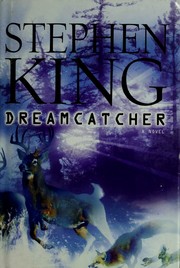
Dreamcatcher
2,627-word summary 12 min read 620 pages in the book
- First published
- 2001
- Publisher
- Scribner
- Pages
- 620
- ISBN
- 9780743211383
Reading options
What's inside (8 sections)
People warned me about Dreamcatcher before I opened it. A friend who loves Stephen King told me it was the grossest thing he had ever written, then paused and added that he still thinks about the ending. That combination stuck with me. Grossest thing ever, but with an ending worth reaching. I bought the thick Scribner hardcover from 2001, 620 pages, and cleared a long weekend. I figured I would read fast, wince a lot, and move on.
It did not go quite like that. Yes, parts of this book made my stomach turn. But underneath the slime there is a story about four men who have loved each other since childhood, told in King's warmest voice. I finished it tired and a little shaken, and I understood why it divides readers so sharply. Some remember only the parasites. I remember the friendship first, and the parasites second, and I think that order is the point.
If you are considering it, here is my honest setup. This is a gory alien invasion novel set in the Maine woods. It is also long, baggy in the middle, and built around a disabled character who will make modern readers uncomfortable. None of those warnings stopped me from getting pulled in. All of them are still valid.
Four friends and the kid who changed them
The heart of the book is a friendship, and King takes his time establishing it. Four boys in Derry, Maine rescue a bullied kid in an alley and end up bonded to him for life. The four are Gary Jones, called Jonesy, Henry Devlin, Pete Moore, and Joe Clarendon, called Beaver for his prominent teeth. The kid they save is Douglas Cavell, called Duddits, a boy with Down syndrome whose parents dote on him.
What makes Duddits special in story terms is his gift. He can find lost things. He knows things he should not know. He shares flashes of thought with the four boys, a kind of telepathy that King readers will recognize from his other books. The boys, in turn, carry traces of that gift into adulthood. They can sense each other across distance. They share dreams. The connection fades a little as they grow up and scatter, but it never fully leaves.
I liked this opening stretch more than I expected. King writes boyhood friendship with total confidence, the teasing and loyalty and shared jokes. The scenes of the five of them together have a glow that makes the later horror hit harder. You understand exactly what is at stake when danger arrives, because you have watched these people love each other for a hundred pages.
There is a harder conversation to have about Duddits, and I will come back to it later. For now I will say that King clearly adores the character and writes him with real sweetness. The trouble is the shape of the role. Duddits exists largely to grant gifts to the nondisabled heroes and to save them at key moments. Readers today will recognize the pattern, and it sits uneasily beside the genuine affection. Both things are true at once. The love feels real and the device feels dated.
By the time the main story starts, the four friends are grown men with adult damage. Jonesy survived a terrible accident. Henry is drifting. Pete drinks too much. Beaver works with his hands and holds the group together with humor. Every year they return to a hunting cabin in the Jefferson Tract for a week of cards and beer and escape. The tradition matters to them more than the hunting. It is the one week they get to be boys again.
A hunting cabin and something falling from the sky
The cabin chapters start cozy, and King knows exactly what he is doing with that coziness. Snow, firewood, bad jokes, Beaver doing voices. Jonesy and Beaver arrive first, then the others. There is an easy rhythm to it that had me relaxing into the pages. Then a stranger stumbles out of the woods, lost and rambling, and the week breaks open.
The stranger is half frozen and deeply unwell. He raves about lights in the sky. He has something wrong with his body that I will describe carefully, because the book does not describe it carefully at all. There is a reddish growth on him, a fungus-like thing, and worse inside. The friends do what decent people do. They shelter him and call for help. By then it is already too late for him, and nearly too late for them.
Above all this, literally, something enormous has entered the sky. An alien craft has come down in the woods, and the military has noticed. The book cuts between the cabin and the quarantine operation closing around the forest, and the scale shift works well. One storyline is four men in a room with a dying stranger. The other is helicopters and roadblocks and men in protective suits. Both are frightening in different ways.
I found the crash material effective because King keeps it grounded. The aliens are not little green philosophers. They are desperate and aggressive, shedding a living infection as they go. The soldiers sent to contain them are frightened young people following orders from a commander who has stopped seeing the infected as human. The chapters from the military side build a second kind of dread, the kind where the rescuers might shoot you for your own safety.
There is also weather working against everyone. The snow keeps falling. Visibility drops. Roads close. The forest becomes a white maze where anything could be waiting behind the trees. King has always been good at making Maine winters feel hostile, and this may be his coldest book. I read these chapters with a blanket over my legs and still felt chilled.
The sickness that spreads
Now for the part everyone warns about. The alien infection in this book is called byrus, a living red growth that colonizes its hosts and rewrites them from within. It spreads through spores and contact. It itches, then itches worse, then takes over. The book describes its progress in relentless physical detail, rashes and appetites and bodily changes that I will not catalog here. King wants you to feel invasion at the level of skin and gut, and he succeeds beyond comfort.
Worse than the fungus are the things it carries. Infected hosts produce parasites, lamprey mouthed weasel-like creatures that chew their way out and hunt on their own. The characters give them a crude nickname that tells you everything about the tone of these scenes. They are fast and vicious, drawn to warmth. Once they are loose in the cabin, the book becomes a siege story, doors barred and weapons improvised and nobody sure who is already carrying the growth.
I have a strong stomach for horror and I still had to look away, metaphorically, during two scenes. One involves a bathroom. Readers of the book will know exactly which one, and prospective readers should simply be told that King stages an early infection reveal in the most undignified setting imaginable. It is disgusting and memorable, with a dark humor that made me feel guilty for laughing. That mixture of revulsion and humor is pure King, and your tolerance for it will decide large parts of this book for you.
What interested me, once I got past the gagging, was how the sickness functions in the story. It is not random gore. The byrus connects its hosts into a shared mind, and that shared mind has a purpose. The infected start working together, building toward something. The horror is not only what the growth does to your body. It is what it does to your self, dissolving the person into a colony. The telepathy theme from the opening returns here in corrupted form, and that echo is doing real work.
The military response adds another layer of body horror, the clinical kind. Quarantine tents, examinations, summary decisions about who lives. The commander running the operation has a history with strange events and a conviction that extermination is mercy. His scenes chilled me more than the parasites did, because his logic is calm and complete. The book keeps asking who the real monsters are, and it refuses the easy answer.
What happens inside Jonesy
The middle of the novel narrows to Jonesy, and this is where the book becomes strangest and, for me, most gripping. Jonesy becomes host to an alien presence, an invader riding inside his mind while his body carries out its mission. King stages this as a battle for interior space, and the device he uses is one of his best inventions.
Jonesy pictures his own mind as a vast archive, rooms of memory stretching in every direction, with files for everything he has ever seen or felt. The invader moves through those rooms, searching for what it needs, while Jonesy hides in the corners of himself. The image of a man crouching inside his own head while something else wears his life stayed with me long after finishing. It turns possession, an old horror idea, into something intimate and sad.
The invader itself is cold and practical. It wants off this planet with its cargo, and it views humans the way we view vehicles. It learns fast, mimicking Jonesy's speech and habits well enough to pass at a distance. Scenes where it interacts with other people carry a queasy tension, because you know the thing behind the eyes while the other characters only sense wrongness. King writes these encounters with patience, letting small failures of performance accumulate.
Meanwhile the real Jonesy fights back the only way he can, by hiding memories and laying traps in his own archive. He buries important things where the invader will not look. He leaves himself clues. There is something deeply moving about a man defending his identity drawer by drawer, and about what he chooses to protect. His memories of Duddits become his fortress. Love, it turns out, is hard for the invader to parse, which gives Jonesy ground to stand on.
His three friends converge on him from different directions, guided by dream flashes and the old connection. Henry, the most resourceful of the group, pieces together what has happened and what must be done. Beaver and Pete face their own ordeals in the snow, and I will not detail their fates beyond saying the book does not spare people you have grown fond of. The rescue attempt that forms the climax runs on urgency and grief in equal measure, and the telepathic bond that opened the novel becomes the tool that might save the world.
The soldiers, the snow, and the end of the world
The final stretch widens again to apocalyptic scale, and the pacing finally matches the stakes. The military has ringed the forest and begun the grim work of containment. Aircraft patrol the skies. The commander pushes for total sterilization of the area, a word that sounds clean and means something terrible. Against that machinery move a handful of civilians carrying the only real knowledge of what the byrus wants.
I admired how King juggles these threads without losing the personal thread. The fate of the world genuinely hangs in the balance, with the infection one clever carrier away from escaping into the water supply and beyond. But the scenes I remember best are small. Henry talking Duddits through something impossible over the phone. Two old friends recognizing each other across a changed face. A decision made in seconds that costs everything.
Duddits himself returns to the center here, and the book asks you to accept something extraordinary about him. I will keep the details vague to protect the ending, but the shape is this. The boy everyone underestimated turns out to be the one person equipped for this exact crisis, and his gift burns at full brightness when it matters most. The scenes of him working, joyful and focused while adults panic around him, are among the most tender King has written. They are also where the dated-device problem peaks, since the climax depends entirely on his sacrificial strangeness. I felt moved and uneasy at the same time, and I think that split reaction is the honest one.
The confrontation itself mixes a chase and a standoff, building to a final gambit involving the dreamcatcher of the title. The dreamcatcher, a handmade object from childhood, becomes a real tool in the crisis, which sounds sentimental and plays surprisingly well. King earns the sentiment by grounding it in decades of shared history. When the object matters, you know exactly why, because you were there when it was made meaningful.
Afterward comes a coda about survival and memory that I found quietly devastating. The cost is counted. The survivors carry damage that will not heal cleanly. The world goes on not knowing how close it came, which is both relief and loneliness. I closed the book thinking less about aliens than about how friendships age, how the bonds of childhood persist and thin and sometimes save you.
The flaws I cannot defend and the parts that moved me
Let me lay out the case against this book fairly, because it is substantial.
It is too long. At 620 pages it carries a good 500 page story with extra padding, especially in the military middle where briefings and movements repeat. King wrote much of it quickly, by his own account during recovery from his accident, and some chapters feel like first draft energy preserved rather than shaped. Readers who bounce off his bagginess will find this one of the baggiest.
It is relentlessly gross. The infection horror never lets up, and the detailed parasite sequences will end the book early for some readers through no fault of their own. There is an argument that the grossness serves the theme of bodily invasion. There is also a point where theme stops mattering and the reader is simply marinating in slime. Reasonable people will locate that point at different pages.
The Duddits problem is real. A disabled boy whose main function is magical rescue, written with love but still a device, deserves the criticism it gets. Modern readers may find the portrayal patronizing no matter how sweet individual scenes are. I would not assign this book without that conversation attached.
And yet I keep recommending it to the right readers, because the strengths are considerable. The friendship at the center is drawn with rare warmth. The possessed mind archive is a genuinely original horror image. The Maine winter setting suffocates beautifully. The ending lands emotionally in a way that reframes the preceding grossness as the price of something tender. When Henry and Jonesy talk in the late chapters, stripped of every defense, the book achieves a gravity that surprised me.
Who should read it. King fans who can handle graphic body horror and do not mind a long middle. Readers who like alien invasion stories with emotional cores. Anyone curious about his early 2000s work, written in the shadow of real pain and full of defiant energy. Who should skip it. Anyone squeamish about parasites and bodily fluids, anyone who needs tight pacing, anyone who will find the Duddits portrayal more hurtful than charming. Know yourself on those three points and you will know what to do.
For me, the final feeling was affection edged with exhaustion. I will never reread the bathroom chapters. I will always remember the boys in the alley standing up for a stranger, and the men they became keeping a cabin tradition alive, and the strange light in the sky over the snow. The grossness fades. The friendship stays.
FAQ
When was Dreamcatcher published and how long is it?
Scribner published it in 2001. The standard hardcover runs about 620 pages.
Is Dreamcatcher connected to King's other Maine books?
It shares the Maine setting and echoes of his wider work, but it stands alone as a self-contained alien invasion story.
Why do readers warn about the gross parts?
The infection plot involves bodily parasites, and King describes them in close detail. Readers sensitive to that kind of horror should know before starting.
Similar books

The Tommyknockers
A Maine town digs up a ship and gets brilliant, toothless and cruel.
1,977-word summary · 9 min read

Wilder Girls
At a quarantined boarding school off Maine, three girls with strange mutations search for a missing friend and learn what the adults have hidden.
2,594-word summary · 12 min read

Skyward
Spensa dreams of flying for Detritus though her father was branded a coward, until a crashed ship, a talking AI, and flight school force out the truth.
2,865-word summary · 13 min read
Dolores Claiborne
A Maine housekeeper confesses two deaths in one voice: Vera fall and husband lost in eclipse.
2,381-word summary · 11 min read

Cell
A cell signal turns callers into violent phoners, and a father walks north through ruins to find his son.
2,103-word summary · 9 min read
Christine
Misfit Arnie restores a wrecked 1958 Plymouth Fury that takes him over, forcing best friend Dennis and girlfriend Leigh to fight back.
2,106-word summary · 9 min read

Under the Dome
Chester's Mill is sealed under an invisible dome as cook Barbie and editor Julia face Big Jim Rennie's rule.
2,731-word summary · 12 min read

The Institute
A kidnapped prodigy wakes in a Maine facility where gifted kids earn tokens in Front Half and vanish from Back Half.
3,814-word summary · 17 min read
It
Seven friends in Derry face a shape shifting evil as kids in 1958 and again as adults in 1985.
2,229-word summary · 10 min read

Authority
The new director of the Southern Reach takes over an agency that is hiding the truth about Area X, and the building starts to change around him.
2,029-word summary · 9 min read
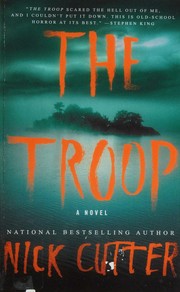
The Troop
A Boy Scout troop on a Canadian island takes in a stranger who cannot stop eating, and the worm inside him turns a camping trip into a war.
2,457-word summary · 11 min read
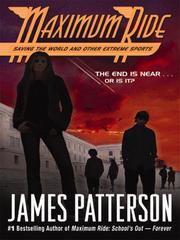
Saving the World and Other Extreme Sports
Max and the flock split in two to take down the lab behind their lives, one half in California and the other in Europe.
2,175-word summary · 10 min read

Network Effect
Murderbot's contract job turns into a rescue mission when a hijacked research ship and a colony of corrupted colonists appear.
2,256-word summary · 10 min read

Her Body and Other Parties: Stories
Eight stories where bodies, medicine and old fairy tales get taken apart, with a green ribbon running through the whole book.
2,997-word summary · 13 min read
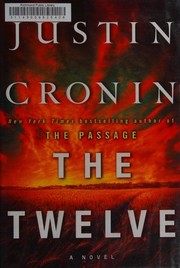
The Twelve
The middle volume of the Passage trilogy braids the year America died, a picnic massacre decades earlier, and the survivors' war against the twelve master…
2,089-word summary · 9 min read

Paper Girls, Volume 1
Four paper girls in 1988 Ohio chase a stolen walkie-talkie into a basement and stumble into a time war, flying dinosaurs, and an older version of themselves.
2,235-word summary · 10 min read

When You Reach Me
A sixth grader in 1970s New York gets strange notes that seem to predict the future.
2,456-word summary · 11 min read
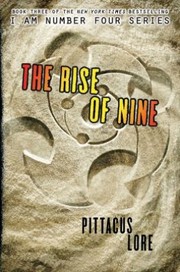
The Rise of Nine
John, Six and Nine race to India to find Eight before the Mogs strike.
2,321-word summary · 10 min read

The Day of the Triffids
Blinded survivors flee carnivorous plants after a meteor shower.
2,171-word summary · 10 min read

Children of the Mind
Ender's children split across worlds as Jane faces shutdown and Lusitania flees.
2,532-word summary · 11 min read

School's Out - Forever
The bird kids try normal school under FBI guard until hunters crash class and chase them to Itex in Florida.
2,584-word summary · 11 min read

The Island of Doctor Moreau
Shipwrecked Prendick finds Doctor Moreau shaping beasts into men by pain on lost island.
2,137-word summary · 9 min read
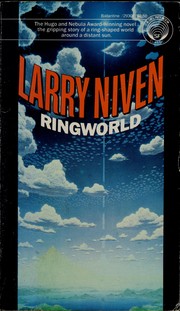
Ringworld
Bored Louis Wu joins alien crew to explore a vast ring habitat around a star.
2,370-word summary · 11 min read

My Best Friend's Exorcism
Abby fights to save possessed best friend Gretchen in 1988 Charleston Satanic Panic horror.
2,115-word summary · 9 min read

Armada
Gamer Zack learns Armada game trains real defense against alien Europans.
2,004-word summary · 9 min read
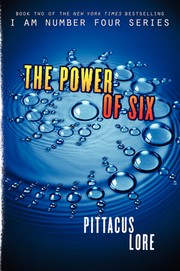
The Power of Six
John and Six run from the FBI and Mogs while Marina plots escape from a Spanish convent.
2,904-word summary · 13 min read
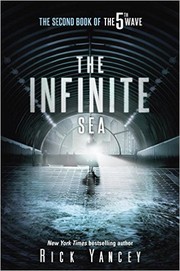
The Infinite Sea
Cassie and Squad 53 wait out winter in a hotel while Ringer is retaken and learns the truth behind the 5th Wave.
2,985-word summary · 13 min read
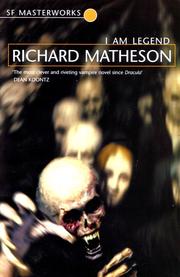
I Am Legend
Robert Neville holds one fortified house in empty Los Angeles by day, and faces what the plague left behind by night.
2,840-word summary · 13 min read

Xenocide
Lusitania faces a fleet with planet death while Ender, Jane, and families debate virus, souls, and law.
2,647-word summary · 12 min read

The Long Way to a Small, Angry Planet
Runaway clerk Rosemary joins the Wayfarer crew for a year long tunnel job that tests family and love.
3,295-word summary · 15 min read