
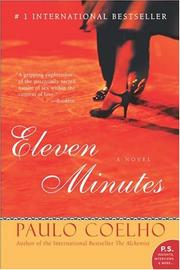
Eleven Minutes
2,639-word summary 12 min read 320 pages in the book
- First published
- 2003
- Publisher
- Harper Perennial
- Pages
- 320
- ISBN
- 9780060589288
- Original title
- Onze Minutos
Reading options
What's inside (7 sections)
I found Eleven Minutes in a hostel bookcase in Lisbon with a cracked spine and a stamp from a charity shop. I had read Coelho before and expected something short and preachy that I would finish in an afternoon and forget. I did finish it fast. I did not forget it. The story follows a Brazilian woman named Maria who becomes a prostitute in Geneva and then falls for a painter. That sentence makes it sound sensational. The book itself is restrained, almost careful, about physical detail. It cares more about what Maria tells herself while she works than about the work itself. Some of that inner talk moved me. Some of it made me roll my eyes. Both reactions felt honest.
The novel first appeared in Portuguese as Onze Minutos in 2003. The English translation followed in 2004. The edition cited here is Harper Perennial at 320 pages. Coelho says the story grew from a real encounter with a prostitute at the Cannes Film Festival, though he frames Maria as invented. Whether that origin tale is exact matters less than the shape he gives her. Maria is young and pretty and stubborn. She keeps a diary. She sets prices and rules. She tries to keep love and sex in separate rooms. A painter named Ralf Hart scrambles that plan. The title points to the brief length of a paid act. Maria uses that number to ask what, if anything, lasts longer.
Maria grows up in a small town in Brazil. Coelho gives her a childhood that feels familiar rather than exotic. She has parents who love her in an ordinary way. She goes to school. She falls for boys who do not fall back. The first boy she kisses does not call. A second romance ends badly. She decides, with the logic teenagers use when hurt, that love brings more pain than it repays. She does not become bitter in a loud way. She becomes careful. She tells herself she will control the terms next time. That early resolve follows her to Rio and then to Europe. It explains a lot of what looks later like coldness.
As a teenager Maria works in a draper shop. She saves a little money. She dreams of seeing the sea and the city. Coelho writes these pages in simple sentences that suit a girl who has read magazines more than novels. Maria watches television and imagines Rio as a place where beauty opens doors. She is not wrong, but the doors open onto small rooms. When she finally gets to Rio, she finds work and attention and a taste of nightlife. Men praise her. A Swiss man praises her in particular. He talks about Europe and money and adventure. He mentions a club in Geneva where Brazilian dancers are hired. Maria hears a future in that talk. She signs papers she only half understands and boards a plane.
Rio and the promise of more
The Swiss man who invites her to Europe is not drawn as a villain with a mustache. He is drawn as an operator who tells partial truths. The club exists. The dance job exists. The pay is real but smaller than implied once fees and housing are taken. Maria arrives in Geneva in winter. The light is thin. The streets are clean and expensive. Her Portuguese means little. Her French is thin. She dances in a samba club in a costume that feels heavy under the lights. Men watch. Some are kind. Some are crude. The owner takes his cut. Maria sends money home and tells her family she is fine. She is not fine, but she is not yet lost either.
A man she meets offers her a large sum for one night. Coelho stages this as a tired conversation rather than a trap. Maria says no at first. She walks away. She thinks about rent and about shame and about curiosity. She goes back. The scene itself is kept general. No graphic detail. What Coelho records is her surprise at her own calm. She decides she can do this work on her terms, for a set time, to earn a set amount, and then leave. She sets a goal figure. She tells herself she will return to Brazil with money and stories and no wounds. Readers will see the flaw in that plan before she does. Maria sees it too, but later.
Geneva and the samba club fallout
Geneva in the book is cold in every sense. Banks and watches and closed doors. Coelho, who lived in many cities, writes it as a place where pleasure is bought neatly and judged quietly. Maria rents a small room. She learns the rules of the street and the clubs where transactions are arranged. She meets a man named Milan who runs a nightclub and explains prices and conduct. He is businesslike rather than cruel on the page. He tells her what clients expect. He tells her to keep time short and feelings shorter. Maria listens and takes notes in her head. She will later move those notes into a diary.
The diary becomes the second voice of the novel. Maria writes about men who talk too much and men who say nothing. She writes about underwear and perfume and the small lies that make the night easier. She writes aphorisms about love that sound copied from magazines and then corrected by experience. I found these entries uneven. Some are sharp about power. A client pays to feel wanted for an hour. Maria learns to perform want without feeling it. Some entries repeat the same point about control. Coelho lets Maria sound wise beyond her years at times, which strains belief, but the habit of writing itself feels true. A lonely young woman abroad would keep some record to prove she exists outside the bed.
Maria sets rules to protect herself. No kissing on the mouth. No overnight stays. No real names. Fixed prices. Short sessions. She tells herself these rules keep love out and money in. For a while they work. She earns well. She buys clothes. She walks by the lake and watches swans and feels rich in a thin way. She sends money home. She avoids other Brazilian women who might gossip. She reads library books. She practices French. Loneliness sits beside her like a roommate she does not introduce to anyone. That loneliness is the real subject of the middle third, more than any client.
The street, the diary and the rules
Milan club gives Maria a steadier base. She works regular nights. She learns to read a room fast. Who will pay for talk. Who wants silence. Who will haggle. Coelho shows her learning to say no to extras without anger. She treats the work as a craft with limits. She keeps her body clean and her bag packed. She counts minutes. That counting gives the book its title long before Coelho explains it outright. A paid act, door to door, lasts about eleven minutes. Maria writes that fact down as if it settles something. Eleven minutes of friction. The rest of the day belongs to her.
A woman can sell eleven minutes and still wonder who holds the rest of her hours.
That sentence is mine, not Coelho, but it captures what Maria circles for a hundred pages. She owns her days and rents her nights. She tells herself the days matter more. The book tests that story by giving her days that feel thin. Walks. Films. Library books. Coffee alone. She is free and lonely in a clean city that does not need her. The nights pay and stain. She starts to ask whether freedom bought this way is freedom at all. She does not like the question, so she writes it down and closes the book.
Ralf Hart and the different hunger
Ralf Hart enters as a client who refuses the script. He is a well known painter in Geneva, Swiss and successful and tired of parties. He books Maria through the club and then talks instead of touching. He asks about Brazil. He asks about her diary. He looks at her the way painters look, for shape and light rather than price. Maria is thrown. She tries her routine. He declines the routine. He pays for time and uses it to ask questions. She leaves annoyed and curious. She writes about him at length that night. That length tells the reader what Maria will not admit yet.
They meet again. Ralf invites her to see his studio and his work. Maria goes, half for money and half because she wants to be seen as more than a service. The studio scenes are the warmest in the book. Canvases lean against walls. Light falls through high windows. Ralf talks about trying to paint inner light rather than faces. He says he lost that light years ago and wants it back. Maria listens and feels herself soften in a way that scares her. She has spent months training herself not to soften. Now a man with paint on his hands asks her to sit still and be looked at without being touched. She does not know what to charge for that.
Coelho uses Ralf to stage the book central theme. Sex without love leaves Maria empty. Love without sex frightens her because it recalls early hurt. Ralf wants both, or rather he wants a bond where desire and care are not enemies. He tells Maria about his own dead marriage and his own numb years. He admits fame did not save him from loneliness. Maria hears her own story in his, with different furniture. They start a careful courtship that breaks all her rules. Long talks. Walks by the lake. Meals where no clock runs. A kiss she did not plan. She stops writing prices in her diary and starts writing questions. What is tenderness. What is worship. What is surrender that does not erase her.
Conflict comes from Maria savings plan and her fear. She is close to her money goal. She can go home and buy a farm and prove success. Staying with Ralf means risking that story. It also means admitting she loves work she claimed to despise, or at least loves what it taught her about desire. Ralf asks her to stay without paying her. That request sounds simple and lands hard. Maria has priced herself for so long that a free hour feels dangerous. She leaves for the airport at one point. She sits with her ticket and her bag and her diary. Coelho stretches this farewell to build suspense. You know the genre. You know she must choose. The interest lies in what reason she gives herself.
Eleven minutes and what lasts
The title gets its full explanation near the end through Maria voice. She calculates the minutes again. Door to door, a paid encounter lasts about eleven minutes. She has sold hundreds of those slices. She has earned money and lost illusions. She asks what eleven minutes can hold. Pleasure, yes. Power, briefly. Company, no. Care, no. She contrasts those minutes with hours spent talking to Ralf, where time felt both slow and full. The contrast is the book in miniature. Short trade versus long attention. Skill versus presence. Control versus risk.
Maria decides she wants more than trade, even if more hurts. She tells Ralf she loves him in plain words that cost her more than any performance. She offers to stay without a price. She also keeps her dignity by refusing to be rescued. Ralf does not buy her freedom. She frees herself by naming what she wants. They make love as people rather than roles, in Coelho telling. The prose turns lyrical and religious here, full of light. Maria feels whole for the first time since childhood. Whether you buy that healing in one night depends on your patience for Coelho style. I half bought it because Maria struggle felt real even when the language floated.
The ending sends Maria toward Brazil with Ralf following or promising to follow, depending how you read the last pages. Coelho keeps it open enough to feel hopeful without detailing visas or jobs or family reactions. Maria keeps her diary. She keeps her money. She keeps her scars. She boards a plane changed in ways she can name and ways she cannot. Ralf paints again with new energy. Love did not erase the past. It reframed the past as schooling. That is a kind Coelho moral, tidy and sincere. It will satisfy readers who come for comfort. It will irk readers who wanted a harder look at the trade Maria leaves.
Now for fair criticism, because this book needs it. First, Coelho preaches. The narrator steps aside for mini essays on sex and love and God that sound like talks rather than story. Maria diary sometimes reads as Coelho notebook. A line about how people confuse desire with worship stops a scene instead of growing from it. I like a moralist in small doses. Here the doses are large and frequent. If you dislike being told what a story means while you are still inside it, you will sigh often.
Second, the plot is thin. Maria arrives, works, meets painter, chooses love. That is almost all. Clients blur. Milan club runs on summary. Geneva stays postcard cold. Brazil stays warm memory. No subplot pushes back hard. A tougher novel would test Maria plan with debt or violence or a friend in crisis. Coelho keeps those pressures soft so the inner debate stays center. That choice keeps pages turning fast, but it also makes the world feel staged for a lesson. I finished in two sittings and could not name three clients or two neighbors.
Third, the economics get glossed. Maria names a savings target and hits it with surprising ease. Fees, risks, illness, police, bad nights: all touched lightly or skipped. The book wants the dignity of labor without the ledger of labor. That gloss feels evasive beside books that face the trade more directly. Coelho prefers soul math to cash math. Eleven minutes as a number is vivid. Eleven minutes times rent times fear would be more honest. Maria diary gestures at that math but never shows it. Readers should know the book softens hard facts to keep its parable clean.
Why read it anyway. Because Maria voice, when Coelho lets her speak plainly, has a stubborn life. She counts coins on a tram, misses heat, practices French, writes a sharp line and then a silly one. Her slow change from pricing herself to prizing herself feels earned in beats even when sermons intrude. Ralf offers a useful foil. He wants to paint light. She wants to be more than lit skin. To be used is to be timed. To be loved is to be unhurried. That distinction is worth the price even if the prose sometimes gilds it.
I left the hostel copy on a different shelf with a note tucked inside. I wrote that the middle sags and the priestly asides annoy, but Maria tram rides and lake walks stay with me. A friend later told me she cried at the airport scene. I did not cry. I thought about my own early jobs far from home and how I counted weeks until a set amount would free me. That counting never frees anyone by itself. Someone has to ask for your hours, not your minutes. Coelho says that in too many words. He still says it. If you can forgive preaching and thin plotting and a soft eye on cash, you will find a plain story about a woman who learns to tell trade from tenderness and chooses tenderness knowing it may cost more.
FAQ
When was Eleven Minutes first published?
It appeared in Portuguese as Onze Minutos in 2003, with English translation in 2004. The Harper Perennial edition cited here runs 320 pages.
Who are Maria and Ralf Hart?
Maria is a Brazilian woman who works in Geneva as a dancer and then as a prostitute. Ralf Hart is a painter whose attention helps her separate paid sex from love.
What does the title Eleven Minutes mean?
It points to the brief length of a paid sexual act. Maria uses that fact to question what lasts once the act ends.
Similar books
By the River Piedra I Sat Down and Wept
Pilar, 29, meets her childhood friend again in Madrid and finds a rumored miracle worker. One winter week through the Pyrenees to the river Piedra, and the…
2,845-word summary · 13 min read
Marriage for One
Rose marries a cold lawyer to save her coffee shop, then discovers the arrangement was never only business.
2,032-word summary · 9 min read
True Colors
Three Grey sisters split over love and duty after their father judges them.
2,596-word summary · 12 min read

The Identicals
Twin sisters swap Nantucket and Martha Vineyard lives for a summer.
2,556-word summary · 11 min read

The Bookish Life of Nina Hill
Bookstore Nina gains a family and pub-quiz love in Los Angeles.
2,399-word summary · 11 min read

The Accidental Tourist
Grieving Macon writes travel guides for haters of travel, then Muriel intrudes.
2,252-word summary · 10 min read
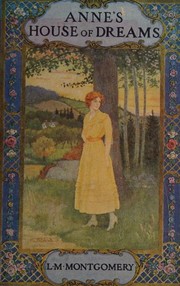
Anne's House of Dreams
Newlyweds Anne and Gilbert start in a seaside house with kind neighbors.
2,465-word summary · 11 min read

The Shell Seekers
Elderly Penelope Keeling must decide the fate of her father's treasured painting while her three children press her to sell.
2,592-word summary · 12 min read
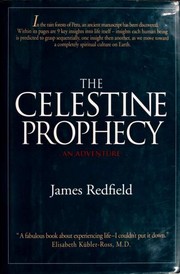
The Celestine Prophecy
A restless American chases a missing manuscript through Peru and learns Nine Insights about coincidence, energy, and how people vie for attention.
2,599-word summary · 12 min read
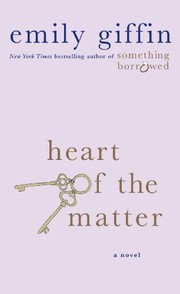
Heart of the Matter
Two Boston mothers collide after a burn injury puts a single mom in the orbit of another woman's surgeon husband.
2,585-word summary · 11 min read
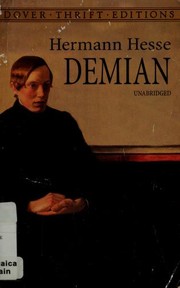
Demian
Hesse's 1919 German classic of Emil Sinclair, from Kromer blackmail to Demian, Abraxas, Beatrice and Frau Eva, ending in war: a short, strange guide to growing…
2,510-word summary · 11 min read
Major Pettigrew's Last Stand
A 68-year-old widower and a Pakistani shopkeeper widow fall for each other in a Sussex village that watches their every step.
2,957-word summary · 13 min read
Someone Else's Shoes
A rich wife loses everything and a tired mom gains red heels when gym bags swap in London.
1,951-word summary · 9 min read
Wish You Were Here
Diana goes to the Galapagos alone when Covid keeps her boyfriend in New York, and being stranded there forces her to rethink her job and relationship.
2,178-word summary · 10 min read
Remember Me?
Lexi wakes after an accident missing three years, with a polished new life and a husband she does not recall, and must work out which parts she wants to keep.
2,390-word summary · 11 min read

The Storied Life of A.J. Fikry
A widowed bookseller on Alice Island adopts abandoned toddler Maya, rebuilds Island Books, and finds love with sales rep Amelia before illness closes in.
2,972-word summary · 13 min read
The Pact
After Emily Gold dies from a gunshot, her boyfriend Chris Harte says it was a suicide pact and faces trial for murder.
2,873-word summary · 13 min read
The Seven Husbands of Evelyn Hugo
Taylor Jenkins Reid's The Seven Husbands of Evelyn Hugo explained: the seven marriages, old Hollywood, Celia and John, and the twist in Monique's story.
2,239-word summary · 10 min read
Veronika Decides to Die
After a failed suicide attempt, a young woman in a Slovenian asylum learns she has days to live and starts to want them.
2,224-word summary · 10 min read
The Alchemist
The Alchemist from start to finish: Santiago's dream, the Personal Legend, the crystal merchant, the desert, and the treasure that was never where he thought.…
2,166-word summary · 10 min read

What Happened to Goodbye
Mclean has reinvented herself in four towns since her parents divorced. In Lakeview she uses her real name, and for the first time staying put becomes a choice.
2,796-word summary · 12 min read
The Stationery Shop
Two teenagers fall in love in a Tehran stationery shop in 1953, are separated by the coup and a family deception, and meet again sixty years later.
2,024-word summary · 9 min read

The Japanese Lover
A Polish refugee and the son of a Japanese gardener fall in love in San Francisco in 1939, then keep the affair secret for nearly seventy years.
2,286-word summary · 10 min read

Take My Hand
In 1973 Montgomery, a young nurse discovers that two sisters were sterilized without consent, and spends the rest of her life living with what she could not…
2,126-word summary · 9 min read
Size 12 Is Not Fat
Former teen pop star Heather Wells investigates two dorm elevator deaths while juggling her ex, her crush, and a size-12 wardrobe.
2,805-word summary · 12 min read

Six Scorched Roses
A dying scholar bargains with a reclusive vampire for blood, and six roses turn a transaction into a slow, dangerous romance.
2,663-word summary · 12 min read

Her Soul to Take
A paranormal vlogger in a cult-run town summons a bound demon, and the only way to survive the god beneath the mine is to give him her soul.
2,089-word summary · 9 min read
First Grave on the Right
Charley Davidson is a private investigator in Albuquerque and the grim reaper. When three murdered lawyers come back as ghosts, her two jobs collide.
2,770-word summary · 12 min read
Austenland
A New York graphic designer obsessed with Mr. Darcy inherits a trip to a Jane Austen theme park, where the fantasy of Regency romance collides with the men…
2,030-word summary · 9 min read

Anatomy: A Love Story
In 1817 Edinburgh, a noblewoman who wants to be a surgeon disguises herself to study anatomy and falls for the grave robber who supplies her with bodies.
2,031-word summary · 9 min read