
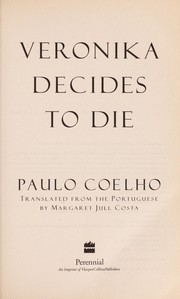
Veronika Decides to Die
2,224-word summary 10 min read 210 pages in the book
- First published
- 1998
- Publisher
- Perennial
- Pages
- 210
- ISBN
- 9780060955779
- Original title
- Veronika Decide Morrer
Reading options
What's inside (6 sections)
I returned to Veronika Decides to Die after years of remembering it wrong. I had filed it as a pep talk with an asylum backdrop. It is stranger and sadder than that. Paulo Coelho published the Portuguese original as Veronika Decide Morrer in 1998, with the English translation by Margaret Jull Costa following through Harper imprints. The Perennial edition I cite runs 210 pages with ISBN 9780060955779. The premise sounds like a trick. A young woman takes an overdose, wakes in a mental hospital, and is told the pills damaged her heart and she has about a week to live. What follows is not a countdown thriller but a slow argument about why obedient lives feel dead and what a little menace can free.
Veronika is twenty four, pretty, employed as a librarian in Ljubljana, living in a small rented room with a steady boyfriend she does not love and a family who loves her in a careful way. She has read the magazines. She knows what success looks like. She also feels a flat hum under everything. Nothing is terrible. Nothing is alive. One November morning she takes a handful of sleeping pills, writes a magazine style letter about being misunderstood, and lies down to die while reading. She wakes vomiting in Villete, the local asylum, with tubes and a doctor explaining that the attempt injured her heart. The damage is done, he says. Days, maybe a week.
Dr. Igor is the first person to study. He is not cruel. He is a psychiatrist with a thesis about bitterness and a taste for controlled experiments. He tells Veronika the prognosis calmly and watches. In his notes, which Coelho shares, Igor wonders if announcing death can cure people who stopped living long before any pills. He has tried the idea before with mixed results. Veronika is his clearest case. She is young, healthy apart from the heart injury, and furious in a quiet way. He lets her be furious. He restricts visitors. He allows the ward routine to do its work. Sleep, meds, meals, walks in a walled garden. Boredom as treatment.
Villete itself is a small town inside a town. Zedka, older, in and out for depression, tells Veronika the rules on day one. Take your meds. Do not fight the nurses over small things. The garden is best in the morning. Mari, a lawyer, is there for panic attacks after a career of pleasing everyone. Eduard, young and handsome, is schizophrenic and mostly silent, a former diplomat son who withdrew after a breakup. The staff range from kind to tired. No one is a movie monster. That ordinariness is the point. Madness here looks like exhaustion, fear, and people who asked too much of themselves or were asked too much by others.
Veronika responds to a death sentence with irritation rather than grief. If she is going to die in a week, why take pills, why be polite, why finish soup she hates. She stops smiling for nurses. She tells Mari her life story without softening it. She plays piano again after years away, badly at first, then with force. One night she pounds out a piece she loved as a teen and cries while playing. It is the first honest sound she has made in the book. Eduard listens from a corner. He does not clap. He stays, which matters more.
Coelho structures the middle as a set of encounters. Zedka leaves after a treatment that wipes memory in patches, and her goodbye is plain and useful. Go live in the world, she says, it is not as scary as Villete makes it seem. Mari faces a choice about leaving her husband and job, and her panic returns at the gate. She learns to walk through it rather than wait for calm. Eduard and Veronika circle each other without clinical language. He paints. She plays. They sit close. Desire returns not as romance but as proof that her body still wants things. She masturbates in her room and feels shame lift into curiosity. She tells Eduard she may love him and does not ask for a label. For a woman who lived by magazine rules, this is revolution.
The philosophy arrives in conversations rather than lectures, though Coelho cannot resist a few aphorisms. Veronika asks why she should have wanted to live. Igor answers with his vitriol theory. Bitterness poisons the spirit when dreams are denied, he says, and small rebellions release it. Mari talks about masks. Everyone in Villete wore one outside, she says, the good daughter, the reliable lawyer, the pleasant girlfriend. Inside they could take the mask off because no one expected normal. Veronika starts to see normal as a local custom rather than a law. Slovenia newly independent, Catholic and post socialist at once, provides background pressure to marry, work, behave. Her suicide note complained about being misunderstood. Her real complaint is that she was understood too well and fit the mold until it sealed.
Her parents visit once and the scene says more than their dialogue. Her mother brings food she cannot eat and talks about neighbors. Her father fixes a loose handle on the ward door because fixing is how he loves. Veronika watches them try and feels both tenderness and rage. They did their best with the scripts they were given. She followed those scripts until she could not breathe. No one is blamed outright. That restraint is one of the book strengths. Families here are not villains. They are tired people passing along caution as if it were care.
Music does the work that talk cannot. Veronika had trained as a pianist and quit to be sensible. In Villete she finds a battered upright and starts with scales. Staff complain. Eduard stands in the doorway. She plays longer the next day, a Chopin piece she half remembers, then a louder modern piece that lets her hit keys. Her hands hurt. She keeps going. Coelho, who often tells rather than shows, trusts the piano scenes to carry feeling without commentary. When Veronika later plays for the whole dayroom, off rhythm and fully committed, the other patients listen in a way they never listen to Igor lectures. Art in this book is not therapy homework. It is appetite returning.
The love story with Eduard is handled with unusual patience for Coelho. Eduard rarely speaks. His diagnosis is given but not explored in clinical depth. What matters is attention. He watches Veronika play. She watches him paint skies that never change. They share bread. They argue once about whether leaving matters. Physical closeness grows without promises. Veronika, who once kept a boyfriend for appearance, now holds a man hand because his hand is warm. It is not a cure narrative where love saves her. It is two people on a locked ward finding that desire can coexist with fear. That modesty makes it believable.
I found the Dr. Igor chapters the most interesting and the most questionable. He is humane compared to older asylum portraits, no cold baths or restraints for show, but he lies to patients for their own good. He tells Veronika she is dying when the cardiac damage is uncertain at best. He charts her reactions like data. Coelho presents this as daring therapy. A modern reader will hear alarm bells about consent. The book never fully reckons with that. Igor is rewarded by the plot. Veronika improves. The lie is forgiven because it worked. If you work in health care or have been a patient, that ease may bother you. It bothered me more this time. I stayed with the story by reading Igor as a fictional device rather than a model, a Prospero who stages a tempest to get his people talking.
The last third leans into life hunger. Veronika, believing she has two days left, stops rationing herself. She eats dessert first. She argues with a nurse about music hours. She swims in cold morning air in the garden and feels her heart hammer without fear. She and Eduard plan an escape, not because Villete is evil but because dying inside would waste the point. They climb the wall at night, awkward and laughing, and walk into town to eat and find a place to sleep. Coelho writes these pages with more sensual detail than the rest. Bread, wine, cold sheets, Eduard hand in hers. It is not subtle, but after a hundred pages of routine it feels like color after gray.
The ending, which I will describe without quoting, reframes the medical story. Veronika wakes after the escape expecting death and finds morning instead. Igor notes record what really happened to her heart and why he chose the fiction. Some readers call this a cheat. I think it is the book admitting its own method. Coelho used a false deadline to make a young woman pay attention, just as Igor did. Whether you accept that depends on whether you felt her change was real before the reveal. I did, mostly because of the piano and Mari scenes, which do not depend on cardiac facts. A woman who plays loudly after years of silence has already decided something, prognosis or not.
What works and what strains
What works is the portrait of functional depression. Veronika has a job, an apartment, a boyfriend, and no reason the world accepts. Coelho respects that emptiness without romanticizing the overdose. The attempt is squalid and frightening, not beautiful. The ward routine is boring on purpose. Recovery, if that is the word, comes from small permissions. Play badly. Say no to soup. Tell your mother you were unhappy even though she did her best. These are not grand rebellions. They accumulate.
The strain is Coelho habit of explaining the moral. Characters sometimes speak in conclusions. Life is choice. Love is wild. Fear of death teaches love of life. Stated baldly, these lines sound like posters. In context they land better because the speakers are tired people trying to put words to a shift. Still, readers allergic to aphorism will wince a few times. I winced and kept reading, because the story underneath is specific. Ljubljana streets, library stamps, a mother ironing, a father who expresses love by fixing radiators. The concrete holds the abstract up.
Translation note matters. Margaret Jull Costa renders the prose cleanly, with short sentences and few flourishes. The Portuguese title uses decide, present tense, which keeps agency front and center. Veronika decides, then decides again. English keeps that bluntness. If you read Coelho in another translation, the ward dialogue may feel warmer or colder, but the beats are the same. Overdose, prognosis, piano, garden, wall.
Who it is for
This is not a book about treatment. Do not read it for guidance on suicide or heart injury. The medical details are dated and, in Igor case, deliberately false. Read it as a fable about permission. Who told you to be agreeable at all costs. What would you do with a week left. What small rule could you break today that harms no one and returns a little appetite.
Content notes are needed. Suicide attempt on page, self harm ideation, discussion of overdose, sexual content, psychiatric confinement, and a doctor deceiving a patient. Coelho treats the attempt seriously and shows its physical misery, but the overall tone is hopeful in a way some survivors may find too tidy. If the premise feels raw, skip it or read with support. The book will still be there later.
I finished with mixed feelings that lean warm. The device is manipulative. The people feel true. Zedka practical kindness. Mari learning to leave the gate even while shaking. Eduard attention without demands. Veronika anger turning into appetite. These stayed with me longer than Igor theory. Coelho set out to write about why we call some people mad for refusing ordinary misery. On that question, despite the neat bow, he earns his pages. Live a little disobediently, the book says, before your heart makes the choice for you. It is simple advice, simply shown, and for a week in Villete I believed it.
The garden wall
The walled garden at Villete works as a quiet measure of Veronika change. Early on she walks it to kill time, noticing nothing. Later she knows which bench gets morning sun, where mint grows wild, which nurse lets patients stay late. The escape over the wall with Eduard is less about freedom than about choosing a larger space to feel the same cold air. Coelho does not make the outside magical. Town streets are ordinary, food is plain, beds are lumpy. What changed is Veronika willingness to be awkward in the world rather than numb inside. Walls matter less than attention.
Publication facts to keep straight
The original Portuguese Veronika Decide Morrer appeared in 1998. English editions followed in 2000 through Bloomsbury and Harper imprints. The Perennial paperback from 2001 is the common US text at 210 pages. Coelho drew on his own stays in a Brazilian mental hospital as a young man, which he has discussed openly, though Villete is fictional and Slovenian details come from research rather than residence. Keep those layers separate. Memoir spark, researched setting, fable structure. The book works best when you let all three be true at once.
FAQ
When was Veronika Decides to Die published?
The Portuguese original appeared in 1998. The Perennial English edition runs 210 pages and the ISBN is 9780060955779.
Who are the main characters?
Veronika, a 24 year old librarian, Dr. Igor, Zedka, Mari, and Eduard, fellow patients at Villete.
Is it part of a series?
No. It stands alone, though it is often grouped with The Alchemist and The Pilgrimage as a philosophical novel.
Similar books
By the River Piedra I Sat Down and Wept
Pilar, 29, meets her childhood friend again in Madrid and finds a rumored miracle worker. One winter week through the Pyrenees to the river Piedra, and the…
2,845-word summary · 13 min read
The Dharma Bums
Ray Smith rides freight trains, climbs Matterhorn Peak and argues about Zen with the poet Japhy Ryder in Kerouac's 1958 road novel.
2,729-word summary · 12 min read

The Road Less Traveled: A New Psychology of Love, Traditional Values and Spiritual Growth
M. Scott Peck argues that maturity begins with accepting difficulty, then builds discipline, love, and spiritual growth through honest, often painful work.
2,200-word summary · 10 min read
The Celestine Prophecy
A restless American chases a missing manuscript through Peru and learns Nine Insights about coincidence, energy, and how people vie for attention.
2,599-word summary · 12 min read

The Untethered Soul
Singer names the noisy inner voice and shows how watching thoughts, loosening old hurt, and keeping the heart open through surrender can ease daily suffering…
2,752-word summary · 12 min read
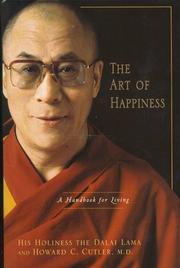
The Art of Happiness
The Dalai Lama and psychiatrist Howard Cutler link lasting happiness to training the mind, human warmth, compassion, and basic spiritual values for daily life.
3,394-word summary · 15 min read
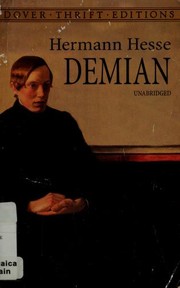
Demian
Hesse's 1919 German classic of Emil Sinclair, from Kromer blackmail to Demian, Abraxas, Beatrice and Frau Eva, ending in war: a short, strange guide to growing…
2,510-word summary · 11 min read
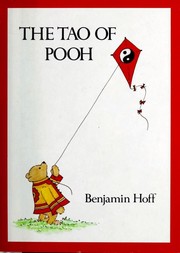
The Tao of Pooh
Hoff explains Taoism through Pooh, Piglet, and Eeyore in gentle chats.
2,006-word summary · 9 min read
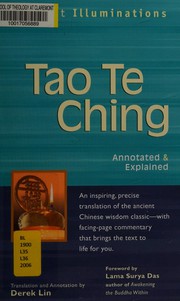
Tao Te Ching: Annotated & Explained
Eighty one brief verses on the Way and effortless action, with Lin's translation and facing notes.
2,140-word summary · 10 min read
A New Earth
Tolle maps ego pain and shows how presence can loosen roles, thoughts, and suffering.
1,909-word summary · 8 min read
The Prophet
A prophet delayed twelve years answers his city on love, work, sorrow and freedom before his ship sails.
2,852-word summary · 13 min read
The Four Agreements
Don Miguel Ruiz offers four Toltec agreements for personal freedom: impeccable word, detachment, curiosity, and effort.
2,289-word summary · 10 min read
Eleven Minutes
Maria leaves Brazil for Geneva in Coelho 2003 novel, works as a dancer then as a prostitute, and meets painter Ralf Hart while testing sex against love.
2,639-word summary · 12 min read
The Alchemist
The Alchemist from start to finish: Santiago's dream, the Personal Legend, the crystal merchant, the desert, and the treasure that was never where he thought.…
2,166-word summary · 10 min read
Alone With You in the Ether
Two people in Chicago agree to six conversations, and the experiment becomes a love affair that is also a study of bipolar disorder, obsession, and the shape…
2,713-word summary · 12 min read
A Long Way Down
Four strangers meet on a London rooftop on New Year's Eve, each planning to jump, and end up making a pact to stay alive until Valentine's Day.
2,145-word summary · 10 min read
What Happened to You?
Oprah Winfrey and psychiatrist Bruce Perry explain how early experience shapes the brain, and why asking what happened to someone works better than asking what…
2,238-word summary · 10 min read
This Winter
On one difficult Christmas Day, Tori, Charlie, and Oliver Spring try to hold their family together while Charlie's eating disorder makes every tradition a test.
2,034-word summary · 9 min read
The Courage to Be Disliked: The Japanese Phenomenon That Shows You How to Change Your Life and Achieve Real Happiness
A philosopher and an angry young man argue over five nights about Adlerian psychology, trauma, approval, and the freedom to be disliked.
2,054-word summary · 9 min read
Rosencrantz and Guildenstern Are Dead
Stoppard's 1966 play retells Hamlet from the wings, where two minor courtiers wait, joke, and walk toward a death they cannot see.
2,021-word summary · 9 min read

Foundation's Edge
Exiled councilman Golan Trevize hunts for the Second Foundation and the lost world of Earth, and finds a planet with one mind waiting to change the galaxy.
2,335-word summary · 10 min read

Fathers and Sons
Arkady brings the nihilist Bazarov home to his father's estate, and a generational argument turns into love, a duel, and an early death.
2,192-word summary · 10 min read

Love Does
A lawyer and activist tells stories of saying yes, showing up, and loving people through ordinary, often ridiculous actions.
2,411-word summary · 11 min read
Four Thousand Weeks: Time Management for Mortals
Oliver Burkeman turns the whole productivity project on its head, arguing that a human lifespan of roughly four thousand weeks is not a problem to optimize…
2,447-word summary · 11 min read

Big Swiss
A transcriptionist for a sex coach falls for one of his clients, the tall Swiss gynecologist she calls Big Swiss, in a funny novel about work and secrets.
2,523-word summary · 11 min read
Big Lies in a Small Town
A 22-year-old woman leaves prison to restore a 1940 mural, and Edenton, North Carolina, starts talking.
2,187-word summary · 10 min read
Out of the Silent Planet
A Cambridge philologist is kidnapped and taken to Mars, where the natives are civilized and the humans are the dangerous invaders.
2,612-word summary · 12 min read
Ishmael: An Adventure of the Mind and Spirit
A gorilla named Ishmael teaches a disillusioned man that civilization is a story, and that humans may compete but must not wage war on other species.
2,015-word summary · 9 min read
Exhalation
Ted Chiang's second collection contains nine stories about time, memory, free will, and artificial minds, told with clarity and moral seriousness.
2,075-word summary · 9 min read
Letters to a Young Poet
Rilke's ten letters to a young officer cadet refuse easy criticism and ask whether he must write, offering patience and solitude as a way of life.
2,530-word summary · 11 min read