
Reading options
What's inside (7 sections)
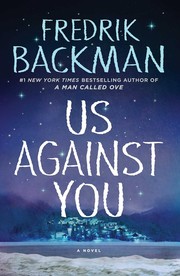
I read Beartown with my jaw tight and finished it angry at a whole fictional town, which is Backman trick. Us Against You by Fredrik Backman was first published in Swedish in 2017 as Vi mot er, with the English edition from Atria Books in 2018, a 435 page hardcover with ISBN 9781501160790. It is book two of the Beartown series, after Beartown. I read it slowly because it hurts in the same place as the first, but with less shock and more ache. The question is no longer what happened. It is what people do after everyone knows.
Beartown is a small Swedish hockey town losing jobs and hope. After Kevin, the star junior, raped Maya, and after the case collapsed, the town split. Beartown club kept Peter as manager, lost sponsors to rival Hed, and watched coach David leave with top players. Maya left for music school. Benji, Kevin best friend and the team heart, stayed to coach kids and to love someone he cannot name openly. At the start of this book, Hed is rich and hungry, Beartown is broke and proud, and politicians smell votes in a new rink deal.
What surprised me is how much this sequel is about work and power rather than the trial. Practices, budgets, ice time, who cleans the stands. Backman shows how sports clubs run towns. Who gets hired. Who gets housed. Whose kid makes the team. The rape still shapes everything, but now it lives in hiring choices, silences at dinners, and the way men stand around fires.
After the split
Peter tries to rebuild with almost nothing. No money for new boards. No star. Only kids who stayed. Amat, fast and poor, now marked as a traitor by some for telling the truth about what he saw. Bobo, big and kind, trying to be worthy of the A on his shirt. Vidar, a troubled goalie with a violent brother, needing structure more than speeches. Peter begs sponsors, patches roofs himself, and takes blame at town meetings where people shout about pride while refusing to pay for it.
Hed, led by David and backed by money and spite, recruits Beartown talent and mocks Beartown as losers who chose a girl over winning. Their coach is sharp, their rink is new, their fans are loud. Richard Theo, a local populist politician, uses the rivalry to climb. He promises jobs, rinks, and order. He feeds papers stories about Beartown decay. He never says Maya name in public. He does not need to. Everyone hears it under his words about values and unity.
Maya is away but present in every call home. She studies music, tries to sleep without pills, and flinches at parties. Her parents, Peter and Kira, love her and fail her in ordinary ways. Peter works too much. Kira bills hours to pay for school and feels guilty for missing dinners. Their marriage frays not from lack of love but from exhaustion. Phone calls with Maya are short and careful. Are you eating. Are you practicing. No one asks what they need to ask, because no one knows how to hold the answer.
Benji carries the most pages and my whole attention. He is gay in a town where the locker room still treats that as a joke or a threat. He loves Kevin, who left, and hates what Kevin did. He coaches kids with a patience he never gives himself. He drinks too much, fights too fast, and visits a remote cabin to be alone with shame. His sisters, especially Adri, see him clearly and wait. They do not push him out. They leave doors open.
A fair warning. The first hundred pages reintroduce many names. Fatima and Amat, Sune the old coach, Ramona the bar owner, Jeanette the teacher. Keep a list. Backman repeats roles gently, coach, mother, sponsor, but the crowd is large. Once practices start, faces stick.
Hockey as politics
The middle is a masterclass in small town power. Ice time is votes. A sponsor dinner decides who starts. A newspaper photo decides who is a hero. Backman stages board meetings with the tension of thrillers. Who will merge clubs. Who will sell the old rink land. Who will hire Vidar brother to keep him quiet.
Theo is chilling because he is plausible. He does not shout slurs. He talks about safety, investment, and listening to real people. He hires a young aide to film practices and to clip angry moments. He visits Ramona bar, buys rounds, and remembers names. People who know better still like him because he shows up. That is how towns tip, Backman argues. Not by monsters, but by tired people choosing the man with a plan and a smile.
David arc pained me. He was Beartown junior coach who chose Hed for money and for a chance to coach winners. He tells himself it is professional. He trains Hed kids hard and well, and genuinely cares for them. But he avoids looking at Amat tape, avoids Maya name, avoids the question of why Beartown broke. When Hed players chant cruel songs about Maya on a bus, David hears and says nothing fast enough. That silence follows him. Backman does not make him a villain. He makes him a man who traded one loyalty for another and found the price later.
On ice details feel true without drowning non fans. Line changes, forecheck, a goalie reading a shooter hips. You do not need to love hockey to follow. The sport is a language for effort and belonging. Amat speed means hope. Bobo hits mean protection. Benji skating with kids means atonement. When Beartown juniors win a game they should lose, the stands sound like relief more than joy.
I did skim some practice passages in the middle where drills repeat. The point is routine as healing, which is fair, but three skate descriptions in thirty pages tested me. The payoff, when routine breaks under pressure, justifies it. You feel what structure held.
Benji and the cabin
Benji storyline is the heart and the hardest to summarize without spoiling. He meets a young man from Hed in the woods, first with fists, then with talks, then with something tender neither can name in town. They meet at night, skate on frozen lakes, and share cigarettes and stories. For once Benji is not the protector or the joke. He is seen.
Backman writes these scenes with care and restraint. No speeches about identity. Just two boys who love hockey and hate what their towns demand. One is out to no one. The other is out to few. They know discovery means danger, not only embarrassment. A slur on a wall, a beating after a game, a sponsor pulling money from a family. Fear is rational here.
The cabin becomes their fragile safe place. Chopping wood. Cooking badly. Listening to a game on radio instead of watching where eyes watch. Benji, who has punished himself since Kevin night, lets himself laugh. It does not last, because towns do not allow secrets that soft. What happens on a dark road after a Hed game broke me and reminded me why Backman books are not cozy. Kindness in homophobic places has costs, and he shows them without turning pain into lesson.
His sisters response is a model of love in the book. Adri finds him, sits without demanding details, and says you are my brother no matter what team you love or who you love. No hug to fix it. Just presence. Their mother, weary and sharp, enforces the same rule at home. No one mocks Benji under her roof. It is small and huge.
Some readers may find Benji suffering piled high. Drunk driving, fights, grief, secret love, threats. I felt that in one late chapter where three bad things happen in ten pages. But Backman earns it by showing joy too. Coaching a girl team that giggles through drills. Dancing badly at a wedding. Sleeping in sun after practice. Benji is not only pain. He is a young man learning to want a future.
What winning costs
The last act builds to games that feel like trials. Beartown versus Hed, juniors and seniors, with stands full of flags and police. Theo plans a rally around the final. Sponsors threaten to pull if fights break out. Peter must decide whether to play injured kids to win or to protect them and lose funding. He chooses protection in a way that costs him his job and saves his soul, which is very Backman and very moving.
Violence erupts anyway, because rivalry fed for a year cannot stay on ice. A parking lot fight, a broken nose, a gun seen but not used. Ramona bar becomes a hospital and a courtroom. Old Sune stands in a doorway and refuses to let men pass. Women who have been quiet all book speak at once. Jeanette tells boys the truth about Maya in plain words. Kira tells Peter she will not raise their son to worship a team over a person. These speeches work because they are short and grounded in work done. People who cleaned rinks and drove kids now claim authority.
The ending does not reset. No miracle sponsor. No championship that fixes rape. Maya does not come home to forgive the town on stage. She records a song that says what she needs and sends it to those who earned it. Amat gets a chance to try out elsewhere, not as reward but as exit. Benji leaves for a while, not to escape forever but to learn how to live openly. Peter and Kira stay and fight for a smaller, kinder club. Hed wins games and loses the story it told about itself.
What stays with me is Backman argument about us. Towns, teams, families. Belonging feels good until it needs an enemy. Beartown needed Hed to hate after it could not face itself. Hed needed Beartown as losers to feel like winners. Theo needed both. Breaking that loop required individuals to pay. Amat telling truth and losing friends. Bobo defending a smaller kid and sitting out. Adri standing by Benji when chants start. Small refusals, repeated, that starve the big hate.
Ramona, Sune, and the adults who stay
I want to give extra room to two older figures who hold the book moral center without speeches. Ramona runs the bar where deals and confessions happen. She is old, blunt, and done with posturing. She waters drinks when men get mean, closes early when scouts get pushy, and remembers who paid tabs during the bad year. When Theo tries to use her bar for a rally, she refuses with a line about not renting chairs to men who kick them. It is funny and final. Her bar becomes neutral ground because she enforces it with a look.
Sune, the former coach pushed out for age, coaches youngest kids for free in early mornings. No scouts watch. No parents shout. Just cones, falls, and hot chocolate. Those scenes are the gentlest in the book and they matter. They show hockey as play before it becomes identity and money. When older boys mock the little kids, Sune corrects without humiliating. Skate to the whistle. Help the one who fell. He teaches the values speeches claim but games forget.
Other adults fill the middle. Jeanette the teacher who keeps extra food for hungry students and who tells boys plainly what consent means when locker talk turns cruel. Kira the lawyer mother who bills to keep Maya in school while hating every missed dinner. Fatima the cleaner who works nights to keep Amat skates sharp and who tells Peter that gratitude does not pay rent. None get long arcs. Together they form a net that catches kids when clubs and politicians drop them.
That net is Backman real subject, I think. Not hockey, but who holds when systems fail. Rinks close. Sponsors leave. Stars transfer. What remains are rides given, meals made, and doors left open. Benji survives because Adri leaves a light on. Amat survives because Fatima believes his speed is a gift, not a ticket. Maya survives because music teachers in a new city give her a practice room key. Small keys, literal and not, open more than big games.
Read it after Beartown, not alone. Give yourself room, because the second half is heavy. Skim drills if you must, but do not skip bar scenes. Ramona sees all and says little, and when she speaks, listen. And after, call someone you coach or parent or teach. Ask what they need to feel safe enough to play well. That question, asked steadily by tired adults in this book, is what finally lets kids skate free.
FAQ
When was Us Against You published?
It was first published in Swedish in 2017 as Vi mot er. Atria Books published the English edition in 2018 in 435 pages with ISBN 9781501160790.
Is it part of a series?
Yes. It is book two of the Beartown series after Beartown, followed by The Winners. Read Beartown first.
Similar books
More from Beartown first, then related titles.
Beartown
In a fading Swedish hockey town, a rape accusation against the junior star splits neighbors, families, and teammates over truth and loyalty.
2,201-word summary · 10 min read
The Winners
Two years on, Beartown opens a new rink, welcomes Maya and Benji home, and faces money fights and a gun at the ice.
2,366-word summary · 11 min read
Britt-Marie Was Here
At 63, fussy Britt-Marie leaves her marriage after an affair and takes a youth soccer job in fading Borg, where grief, lists and new neighbours slowly change…
3,795-word summary · 17 min read
My Grandmother Sends Her Regards and Apologises
Seven-year-old Elsa loses her granny and best friend, then delivers apology letters to neighbours while holding onto fairy tales of Miamas and the Land of…
2,311-word summary · 10 min read
A Man Called Ove
A grumpy widower plans to end his life after losing his wife, but new neighbors keep interrupting him. Backman blends grief, humor, and community in this…
2,473-word summary · 11 min read
The Storied Life of A.J. Fikry
A widowed bookseller on Alice Island adopts abandoned toddler Maya, rebuilds Island Books, and finds love with sales rep Amelia before illness closes in.
2,972-word summary · 13 min read

At First Sight
Jeremy and Lexie are married and expecting a baby when anonymous emails tell him the child may not be his.
2,317-word summary · 10 min read
In an Instant
After a family camper crashes down a snowy mountain, sixteen-year-old Finn watches from the afterlife as survivors make impossible choices and try to live with…
2,130-word summary · 9 min read

Delilah Green Doesn't Care
Delilah returns to Bright Falls to photograph her stepsister's wedding and falls for Claire, a bookstore owner and single mother, while a cruel bet threatens…
2,315-word summary · 10 min read
The Survivors
Kieran Elliott returns to Evelyn Bay twelve years after a storm killed his brother, and a young woman's murder forces the town to face what it has concealed.
2,571-word summary · 11 min read

Olive, Again
Elizabeth Strout returns to Crosby, Maine, as Olive Kitteridge marries Jack Kennison, confronts her son, and faces old age, grief, and small-town judgment.
2,333-word summary · 10 min read

The One Hundred Years of Lenni and Margot
Dying teen Lenni and 83-year-old Margot paint one hundred years of stories.
2,281-word summary · 10 min read

The Accidental Tourist
Grieving Macon writes travel guides for haters of travel, then Muriel intrudes.
2,252-word summary · 10 min read

Kitchen
Orphan Mikage finds home in a kitchen with Yuichi and Eriko after loss.
2,597-word summary · 12 min read

All Rhodes Lead Here
Grieving Aurora moves to Colorado to fix a farmhouse, finding slow healing with her gruff older neighbor Tobias Rhodes.
2,249-word summary · 10 min read
The Switch
A burned-out consultant and her 79-year-old grandmother swap London and Yorkshire homes for two months, facing grief, dating apps, and village politics.
2,782-word summary · 12 min read
The Shipping News
At thirty-six, failed newsman Quoyle loses his cruel wife and flees to ancestral Newfoundland with his daughters, where a small-paper job slowly rebuilds him.
2,833-word summary · 13 min read
Major Pettigrew's Last Stand
A 68-year-old widower and a Pakistani shopkeeper widow fall for each other in a Sussex village that watches their every step.
2,957-word summary · 13 min read
Evvie Drake Starts Over
A widow hiding a painful secret rents her back apartment to a pitcher who lost his throw, and they slowly learn to start again.
2,584-word summary · 11 min read
A Bend in the Road
Widowed sheriff Miles loves teacher Sarah while her family's secret touches his wife's death.
2,182-word summary · 10 min read

Nights in Rodanthe
Divorced Adrienne and guilt worn surgeon Paul share one stormy weekend at a Rodanthe inn, fall hard, then hold close by letter until loss in South America ends…
3,338-word summary · 15 min read
The Guardian
Widowed at twenty-five, Julie Barenson leans on a Great Dane named Singer, then dates two men and learns one of them is a killer.
2,221-word summary · 10 min read
Leaving Time
Thirteen-year-old Jenna searches for her mother who vanished from an elephant sanctuary ten years earlier.
3,001-word summary · 13 min read

Bag of Bones
A blocked novelist returns to his Maine lake house after his wife dies and faces a custody fight and old ghosts.
2,616-word summary · 12 min read

Where the Forest Meets the Stars
A grieving bird researcher hosts a strange child who claims to be alien in an Illinois cabin.
1,910-word summary · 8 min read
Wish You Were Here
Diana goes to the Galapagos alone when Covid keeps her boyfriend in New York, and being stranded there forces her to rethink her job and relationship.
2,178-word summary · 10 min read

The Other Hand
Nigerian Little Bee leaves detention after two years and reunites with Sarah O'Rourke, linked by a violent beach meeting in Nigeria.
2,385-word summary · 11 min read

Powerless
Sloane flees her wedding and hides with best friend Jasper in Chestnut Springs, where eighteen years of friendship turn into something more.
2,195-word summary · 10 min read
Message in a Bottle
A divorced mother finds a grieving widower's letter and seeks him in North Carolina.
2,113-word summary · 9 min read

The Hundred-Year-Old Man Who Climbed Out of the Window and Disappeared
On his 100th birthday Allan Karlsson climbs out of his care home window and pockets a gangster fortune, while flashbacks trace his explosive century.
3,018-word summary · 13 min read