
Reading options
What's inside (8 sections)
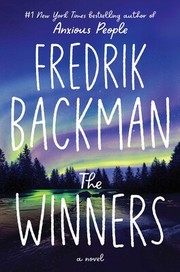
I came to The Winners with some nerves because I loved Beartown and Us Against You and did not want the last book to spoil them. It did not. It is big, sad, and warm in the way only Fredrik Backman writes, and it finishes the story of a small Swedish hockey town that keeps hurting itself and patching itself up. The book first came out in Swedish in 2021 as Vinnarna from Forum, and the English edition I am summarizing came through Atria Books in September 2022, 688 pages in the hardcover. It is the third book in the Beartown series, set about two years after the second, and it covers roughly two wild weeks in late summer when a storm hits, old fights flare again, and everything the town built gets tested at once.
Beartown is still Beartown at the start, a forest town that has lost jobs and young people for years, with Hed, the richer nearby town, always ready to mock it. Hockey is still the center of life. Kids learn to skate almost before they can read. Old men drink coffee at the rink and argue about lines. The Bearskin pub run by Ramona still draws the older fans called the Pack. But something has changed. Down by the lake stands a fine new rink, built with political deals and sponsor money after years of begging. People say it will bring tournaments, visitors, jobs. Peter Andersson, the former general manager who gave everything to the club, now works in a smaller role and carries guilt like a second coat. His wife Kira, a lawyer, works long hours and tries to hold their family steady. Their daughter Maya, who was raped by the junior star Kevin in the first book and later left town to study music, has been away. Their son Leo is older now, angry and loyal in the way teenage boys can be. Benji Ovich, the tough winger who stayed when others left for Hed, has also been gone, playing and working elsewhere and trying to live openly as a gay man far from town talk.
The opening moves fast. A heavy late summer storm knocks down trees and power lines and floods roads, and during that storm someone dies. I will keep the details light here because Backman uses that death to set the tone, that life in this place can turn in one night. Funerals bring people home. Maya comes back. Benji comes back. Friends who scattered gather again, happy and awkward, hugging in kitchens and walking old paths by the water. For a short while it feels like a reunion book, full of food and music and jokes about who got fat and who still cannot shoot. Amat, the quick small forward from a poor family who once carried the junior team on speed alone, is back too, though he limps a little and his smile comes slower. His mother Fatima still cleans and cooks and tells hard truths. Bobo, once the big junior who learned kindness late, coaches kids and tries to be a good man. Johnny and Hannah, parents who have buried pain of their own, keep their door open.
The new rink and the money underneath
The new rink looks like hope from outside and trouble from inside. Backman spends a lot of pages on how it got built, through council votes, land deals, sponsor promises, and quiet favors between men who like to be thanked. Peter and Kira get pulled into questions about the club finances, not because they stole but because they signed papers and trusted people they should not have trusted. Kira reads files late at night and finds gaps. Peter meets old friends who suddenly remember events differently. A local politician talks about growth and future while avoiding straight answers. Teemu, the former thug who now enforces a rough kind of order around the club, watches all of it with tired eyes.
This money plot could feel dry, but Backman ties it to pride. Beartown people paid for that rink with raffles and extra shifts and bake sales while sponsors took photos in front of it. When rumors say funds were moved or contracts favored Hed businesses, it feels personal. Meetings in the rink turn loud. Parents shout about their kids fees. Old players argue about who built what. I found these chapters slow in places, with many names and side deals, yet they matter because they explain why the towns explode later. When people feel cheated about a building they love, they look for someone to blame, and Hed is always nearby.
Hed is doing better on paper, with more shops and a stronger senior team, and its leaders never miss a chance to say so. Its coach David, who left Beartown for Hed after the scandal in book one, still believes winning fixes everything. Some Beartown juniors followed him years ago, including Kevin for a while, and the bitterness never healed. Now the two towns must share ice time, sponsors, referees, bus routes. Small slights pile up. A Hed player cheap shots a Beartown kid and laughs. A Beartown father keyes a car. Someone paints insults on a wall by the lake. Teens post videos that make it worse. Adults who should calm things share the videos instead.
Maya and Benji come home
Maya and Benji carry the heart of the book. Maya left to study music and build a life where nobody whispers about her when she orders coffee. Coming home means walking past the rink, the woods, the house where the party happened, all the places tied to what Kevin did to her. Backman writes her return with care. She is stronger but not healed. She plays guitar for old friends in a kitchen and cries after. She fights with Peter because he still tries to protect her by hiding news. She leans on Ana, her fierce best friend who never left and never softened, and on Kira, who knows how to sit close without filling silence with advice. There is a lovely thread where Maya meets younger girls who see her as proof you can leave and still belong, which gives her a reason to stay a few days longer.
Benji has his own weight. He stayed in Beartown when it cost him glory, then later left to breathe. He loves the forest, the ice, his sisters, and a man he met away from town, and he fears Beartown will ask him to pick one love and drop the others. His return scenes with Bobo and Amat are among my favorites, three boys turned men who once fought each other and now fix a fence without many words. Benji coaches kids because Sune, the old coach who believed in slow growth, taught him that hockey can be kind. He also drinks too much some nights and picks fights he could walk away from. Backman never turns him into a symbol. He stays a person who laughs loudly, loves dogs, misses his mother, and sometimes runs into trees when feelings get too large.
Amat is the third returner in spirit, though he never fully left. His story hurt me most. After his speed made him a junior hero, he chased a pro dream, got hurt, tried out for higher teams, failed to get drafted into the NHL, and came home with a sore body and a flat heart. He trains kids, sweeps floors, says he is fine. He is not fine. He watches younger boys with his old hunger and feels old at twenty. His mother Fatima sees through him and feeds him anyway. His friendship with Maya is tender and awkward, two people who saved each other once and do not know how to ask for help now. When Amat gets a small coaching role in the new rink, hope flickers, then money fights threaten even that.
The boy with the gun
Hanging over all of this is a fourteen year old boy who feels invisible. He is from a family marked by loss, with a sister gone and parents sunk in grief, living in a town that talks about hockey lines more than lonely kids. He gets bullied at school, spends hours online, and slowly decides the rink and the people tied to it are to blame for what his family suffered. He finds a pistol, makes a plan, writes notes, and walks toward the ice with revenge in his head. Backman follows him in short cold chapters between the warm reunion scenes, which makes the dread grow page by page.
I want to praise how Backman handles this without turning it into cheap suspense. He shows the missed chances, a teacher who meant to call home, a coach who cut the boy without asking why he was late, neighbors who saw him walking alone and looked away. He also shows the online voices that fed him, older boys from Hed and Beartown who treat hate like a game. At the same time, he never excuses what the boy plans. When the attack comes during a crowded event at the rink, it is messy and fast and awful, not cinematic. People hide behind benches. Glass breaks. Someone bleeds who should not have been there at all. The town that argued about money and lines suddenly holds each other in a parking lot and cries.
Who lives and who dies I will leave for readers, except to say the loss lands on people we have known since book one, and Backman lets grief take its time. Funerals, casseroles, unanswered texts, kids asking if practice is canceled. Ramona closing the pub early. The Pack sitting quiet for once. Peter trying to fix a door that will not matter. Kira holding strangers hands at the hospital. These pages are long and repetitive in the way real mourning is, and I found them moving even when I wanted the plot to move faster.
What the town decides to be
After the shooting, the money scandal looks small but still needs answers. Kira pushes the finance inquiry even when friends beg her to let it rest for the sake of peace. Peter finally stops protecting men who never protected him and names what he signed and what he missed. Some sponsors pull out. Some politicians lose seats. Teemu does something that costs him and helps others, in line with the strange code he has lived by since book two. David faces what his win at all costs coaching helped create. None of this feels like triumph. It feels like cleaning a flooded basement, necessary and sour.
The last hundred pages belong to the living. Maya plays again, not a big concert but songs for people who know her whole story, and chooses to keep ties to Beartown on her own terms. Benji decides where home is, or at least where it can be for now, with honesty about who he loves. Amat finds work that fits his battered knees and his quick mind, teaching kids to skate low and keep their heads up. Bobo grows into the steady man Sune always said he could be. Leo learns a hard lesson about fists and words. Johnny and Hannah open their table again. Young girls skate on the new ice early in the morning while older men watch from the glass and smile without owning the moment. It is not a neat happy ending. People still argue. Hed still sneers. Bills still come. But the town picks care over pride a few more times than before, and Backman counts those small wins like goals.
What stays with me and what drags
What stays is the people. Backman writes minor figures with full hearts, Fatima ironing a jersey like armor, Ramona stubbing out a cigarette before she says the true thing, Sune gone but present in every good coaching choice, Ana swearing at anyone who pities Maya. The hockey scenes crackle, skates hissing, boards shaking, kids flying on fresh ice. The storm chapters are vivid without showing off. And the theme holds, that winners are not the ones who lift cups but the ones who stay kind when fear tells them to be cruel. I believed that by the end because I had watched ordinary adults do it in parking lots and kitchens.
What drags is size and repeat. At 688 pages in the hardcover, the book circles the same ideas about loyalty, silence, fathers and sons, mothers and daughters, until some speeches sound alike. Backman loves short punch line paragraphs that land hard the first dozen times and softer after. The finance plot has too many similar men in rooms. Some reunions feel staged to bring every favorite back for a bow. Readers new to the series should not start here. Without books one and two, the names will blur and the grief will feel borrowed. Even fans may skim parts of the middle where meetings and practices alternate without much shift.
Still, as a farewell it works. It honors what made Beartown special, a rink built by working hands, kids who skate before dawn, neighbors who feed each other after bad news, while admitting that love of a team can curdle into hate if adults feed it. I closed it tired and fond, thinking of Maya tuning a guitar and Benji laughing in cold air and Amat showing a small kid how to stop without falling. If you gave years to these people, you will want these last weeks with them, storm and all.
A note on the edition I used
I based facts in this summary on the US hardcover from Atria Books, published September 27, 2022, 688 pages, ISBN 9781982112790. The book first appeared in Swedish as Vinnarna from Forum in October 2021, and the UK edition came through Simon and Schuster UK in October 2022 with the same page count in most listings. Translators and jacket copy differ by market, but the story and order match. It is the third and final book in the Beartown series after Beartown and Us Against You, and this summary covers only this third book.
FAQ
When was The Winners published?
It was first published in Swedish in 2021 as Vinnarna by Forum. Atria Books published the English edition in 2022 in 688 pages.
Is The Winners part of a series?
Yes. It is book three of the Beartown series after Beartown and Us Against You. Read those first.
What happens to Maya, Benji, and Amat?
Maya returns to study ties and play music, Benji faces where home is, and Amat coaches after injury ends his pro shot.
Similar books
More from Beartown first, then related titles.
Beartown
In a fading Swedish hockey town, a rape accusation against the junior star splits neighbors, families, and teammates over truth and loyalty.
2,201-word summary · 10 min read
Us Against You
Beartown fights Hed for players and pride after scandal, and loyalty costs more the second year.
2,133-word summary · 9 min read
My Grandmother Sends Her Regards and Apologises
Seven-year-old Elsa loses her granny and best friend, then delivers apology letters to neighbours while holding onto fairy tales of Miamas and the Land of…
2,311-word summary · 10 min read
Britt-Marie Was Here
At 63, fussy Britt-Marie leaves her marriage after an affair and takes a youth soccer job in fading Borg, where grief, lists and new neighbours slowly change…
3,795-word summary · 17 min read
A Man Called Ove
A grumpy widower plans to end his life after losing his wife, but new neighbors keep interrupting him. Backman blends grief, humor, and community in this…
2,473-word summary · 11 min read

At First Sight
Jeremy and Lexie are married and expecting a baby when anonymous emails tell him the child may not be his.
2,317-word summary · 10 min read
In an Instant
After a family camper crashes down a snowy mountain, sixteen-year-old Finn watches from the afterlife as survivors make impossible choices and try to live with…
2,130-word summary · 9 min read

Delilah Green Doesn't Care
Delilah returns to Bright Falls to photograph her stepsister's wedding and falls for Claire, a bookstore owner and single mother, while a cruel bet threatens…
2,315-word summary · 10 min read

Olive, Again
Elizabeth Strout returns to Crosby, Maine, as Olive Kitteridge marries Jack Kennison, confronts her son, and faces old age, grief, and small-town judgment.
2,333-word summary · 10 min read

The Accidental Tourist
Grieving Macon writes travel guides for haters of travel, then Muriel intrudes.
2,252-word summary · 10 min read

Kitchen
Orphan Mikage finds home in a kitchen with Yuichi and Eriko after loss.
2,597-word summary · 12 min read
The Switch
A burned-out consultant and her 79-year-old grandmother swap London and Yorkshire homes for two months, facing grief, dating apps, and village politics.
2,782-word summary · 12 min read
The Shipping News
At thirty-six, failed newsman Quoyle loses his cruel wife and flees to ancestral Newfoundland with his daughters, where a small-paper job slowly rebuilds him.
2,833-word summary · 13 min read
Major Pettigrew's Last Stand
A 68-year-old widower and a Pakistani shopkeeper widow fall for each other in a Sussex village that watches their every step.
2,957-word summary · 13 min read
Leaving Time
Thirteen-year-old Jenna searches for her mother who vanished from an elephant sanctuary ten years earlier.
3,001-word summary · 13 min read
The Storied Life of A.J. Fikry
A widowed bookseller on Alice Island adopts abandoned toddler Maya, rebuilds Island Books, and finds love with sales rep Amelia before illness closes in.
2,972-word summary · 13 min read

Just for the Summer
Emma and Justin date to break a matching curse, then face sudden guardianship and illness on Lake Minnetonka.
3,090-word summary · 14 min read
And Every Morning the Way Home Gets Longer and Longer
An elderly grandfather, his son, and his grandson share memories and fears as the old man's mind begins to fade, in a short novel about grief and love.
2,078-word summary · 9 min read

Little Earthquakes
Four Philadelphia women meet during pregnancy and discover that new motherhood is nothing like the plan, while friendship becomes the thing that holds them…
1,997-word summary · 9 min read

Summer Island
A radio advice host hides a scandal, and the estranged daughter hired to write about it agrees to care for her at the family's island house.
2,325-word summary · 10 min read

Sam's Letters to Jennifer
A grieving journalist reads her grandmother's letters and finds a decades-long love affair that changes how she sees her family.
2,310-word summary · 10 min read

Act Your Age, Eve Brown
Eve Brown crashes into a Lake District bed and breakfast, breaks the owner's arm, and talks her way into his kitchen. A grumpy-sunshine romance about work,…
2,474-word summary · 11 min read

We Are Okay
Marin fled San Francisco after her grandfather vanished and stopped answering anyone. When Mabel visits her college dorm, she has to say what happened.
2,253-word summary · 10 min read

Two by Two
Sparks's twentieth novel turns from first love to a marriage breaking up: Russell Green loses his wife and his job, then rebuilds his life around his…
2,192-word summary · 10 min read
The House We Grew Up In
The Bird family of the Cotswolds breaks apart after a suicide and spends twenty years not talking about what happened.
2,198-word summary · 10 min read

A Spool of Blue Thread
Four generations of the Whitshank family in Baltimore, and the silences, resentments and quiet love they hand down without ever saying so.
2,408-word summary · 11 min read

Days at the Morisaki Bookshop
Heartbroken Takako moves into her uncle's tiny secondhand bookshop in Jimbocho, and the shop and its regulars slowly give her back her life.
2,011-word summary · 9 min read

The Tiger's Wife
A young doctor in a war-scarred Balkan country chases the stories her grandfather left behind, including a deathless man and a deaf girl who loved an escaped…
2,232-word summary · 10 min read
The Survivors
Kieran Elliott returns to Evelyn Bay twelve years after a storm killed his brother, and a young woman's murder forces the town to face what it has concealed.
2,571-word summary · 11 min read

The Storm Sister
Ally D'Aplièse loses her father and her lover within weeks, then follows a brass frog and a Norwegian biography into Anna Landvik's music and the world of…
2,376-word summary · 11 min read