Reading options
What's inside (7 sections)
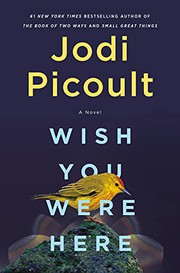
I came to this one after hearing two friends argue about the ending, one admiring and one annoyed. Jodi Picoult published it in 2021 with Ballantine Books, and the hardcover runs 336 pages. It is set in March 2020 and the months after, which made me wary. I lived that spring in a small flat with too much news on, and I was not eager to revisit it. I read it over four nights. The first fifty pages brought back more than I expected. Empty streets. Group chats full of rumors. Plans made in February that belonged to another life.
Diana O'Toole is thirty, an associate specialist in the New York auction world, good at her job and hungry for promotion. Her boyfriend Finn is a surgical resident. They have been together long enough that everyone expects a next step. Diana pictures a certain apartment and a certain ring. They book the Galapagos, a trip people save for. They plan to leave in March 2020. Then Covid fills the hospital and Finn is told he must stay. Diana argues with herself and with him, then flies alone. She tells herself it is a short break. She does not know flights will stop and short will turn long.
Picoult catches the confusion of that week well. Diana refreshes her phone at the airport. Finn says the hospital needs him, says she should still go, says maybe she should not. Her mother calls with advice that changes by the hour. At work people talk about postponing sales, then canceling them. Diana boards feeling guilty and relieved at once. I remembered a small choice of my own that week, whether to drive to see my sister, feeling both answers were wrong. Picoult lets Diana be a little selfish without making her cruel. She wants one normal thing before everything shifts. I also noticed how Picoult uses Diana's mother in these pages. Her mother is practical to a fault, the kind of woman who forwards articles and tells Diana to carry snacks and keep her passport close. Their calls swing between bickering and tenderness. Diana rolls her eyes at advice, then follows half of it. That push and pull felt lived in, and it sets up later chapters where her mother must wait by the phone with no tasks left to assign.
A trip that splits in two
Diana connects through Quito to the islands, and the ground moves at once. News from New York worsens daily. Finn sends clipped notes between shifts. He describes reused masks and crowded wards and rules that change each night. Diana reads them with weak signal while looking at bright water. He looks at curtained beds. The distance is more than miles.
Picoult builds this split from email and missed calls. Finn cannot talk long. Diana writes longer notes about her room and meals. She writes to her friend and her mother, and replies shorten as New York locks down. People stop asking about tortoises. They ask if she can get home. Then the answer is no. Ferries stop. Tourists leave on the last boats, and Diana misses her window because she waits a day too long for Finn to decide for her. That stalling felt true. She is used to planning with him.
The proposal thread sits under all of it. Finn hinted, or Diana thinks he did, that the trip might be the moment. She packed for cliffs and a photo. Now she walks those cliffs alone and wonders if she misread him. She checks her phone, then calls herself shallow for caring about a ring while people die. Both feelings stay. She can fear for Finn and mourn the trip. Grief here is rarely clean. It mixes with guilt and sunburn and hunger.
Diana also feels the pull of work even with the office closed. She rereads old praise from her boss and wonders if the promotion will wait. She pictures a rival taking her sales while she sits on an island with no signal. The worry shames her, then returns anyway. Ambition does not switch off because the world pauses. Picoult lets that small vanity breathe beside the larger fear for Finn, and the mix makes Diana feel like a person rather than a symbol.
Isabela and Beatriz
Stuck on Isabela Island, Diana stays with Beatriz, an older woman with a plain house and firm rules for guests. Beatriz rents rooms in normal times. These are not normal times. She serves soup and fish, tells Diana to wash twice, shows her where to hang laundry before rain. Early talk is stiff. Diana offers money. Beatriz tells her to peel vegetables instead. A routine forms. Sweep. Shop. Cook. Sleep early.
I liked these domestic pages. Picoult loads the book with research on tortoises and finches and park rules, and some of it reads like a guidebook. But the household smallness works. Saved cooking water. Calls that drop. Cash carried. Neighbors greeted. Diana stops checking work mail every ten minutes because there is nothing to check. Her hands roughen. For a woman who measured mornings in minutes, losing the schedule brings relief plus panic.
Beatriz has her own losses, a husband gone and children elsewhere. She is not a saintly helper, though Picoult pushes near that line. She tires. She snaps when Diana complains about slow replies from Finn. She prays and tracks case counts on the radio. She tells Diana island life always meant waiting, for boats and rain, and that visitors mistake waiting for nothing happening. Diana bristles, then repeats the line to Finn without credit and feels ashamed. I liked that beat. We borrow calm fast and call it ours.
Food becomes their shared language. Beatriz teaches Diana to stretch fish with rice and to season simply. Diana burns the first pot and eats it anyway. They wash dishes side by side while the radio murmurs numbers neither fully trusts. In those scenes Diana stops performing gratitude and simply helps. She carries water. She sweeps the step. Small chores steady her more than any pep talk from home. I believed their bond because it grows from tasks, not speeches.
Gabriel and the slow middle
Gabriel is a local guide with no tourists to guide. He mends nets, carries groceries for neighbors, and walks. He shows Diana a cove she would not find alone. He tells her which paths stay closed and why. Friendship builds through errands rather than speeches.
Here the book slows, and I will name it plainly. Long stretches cover Darwin and conservation and species ranges. A page on tortoises carrying seeds stayed with me. But pages stack. Diana walks. Diana thinks. Diana emails. If you came for plot, you may fidget. I did. I set the book down twice to fold laundry, never a good sign in a 336 page novel.
Two threads held me. First, Diana's work self thins out. Without sales and bosses, she hardly knows who she is. She tries to explain auction work to Gabriel and hears how strange it sounds, flying art between rich buyers while his neighbors fret over fish prices. She is not bad for having that job, and Picoult does not judge her, but distance gives her new eyes. She asks what her work adds and gets no answer. That felt right for April 2020. None of us had answers.
Second, what Diana wants from Finn shifts. Early she wants reassurance and a plan. Later she wants honesty even if it stings. She drafts an email asking if he still wants the sketched life, the flat near the hospital and kids in a few years, and admits she may not fit it. She saves the draft. She rewrites it shorter. She sends something else about sunscreen instead. That dodge felt familiar. Weather is easier than asking if you still head the same way.
Diana also writes unsent notes to her late father, telling him she understands his caution better now. He saved and planned and still died young, a fact her mother repeats like a warning. Diana wonders if planning was his shield too. These unsent notes slow the pace, yet they deepen her fear that a tidy life may still break. I wished Picoult trimmed the natural history lectures instead of these quiet pages, because the letters show change while the lectures stall it.
What the hospital pages mean
About two thirds through, Picoult reframes what came before through illness and hospital care in New York. I will keep this light for readers who want the discovery. Monitors beep. Nurses speak low. Finn moves in heavy gear. Timelines slip. Scenes we read as travel diary start to look like a mind protecting itself, building a beach where there was a bed.
This is why readers argue. Some find the turn moving, a story about survival and the tales we tell to endure. Others feel misled, as if facts were held back for a gasp. I landed between. Clues show on a second look. Island days repeat with small changes. Finn's notes sound closer than far. On first read I missed them because I wanted the island to be real. That wanting is part of the point.
What matters: Diana falls ill. The New York chapters show early Covid care, reused gear and families waiting outside and no clear treatment. Finn serves as doctor and boyfriend, thin in both roles. Diana's mother waits by phone. Time bends. Picoult suggests the island lessons hold even where the setting wobbles. Kindness from Beatriz and patience from Gabriel stay true for Diana. I found that affecting even when the mechanics creaked.
One late scene where Diana maps an island grief onto a New York loss made me stop reading for a minute. Picoult has always probed how partners fail under strain, and here she narrows it to one room. Who may stay. Who must wait outside. Who calls. Diana began trusting paperwork and plans. She learns papers do not save you. People do when they can, and sometimes they cannot. That lands hard for a planner, and Picoult lets it sit without a speech.
I also appreciated a brief scene where Finn finally sleeps and dreams of the trip they never took together. He wakes disoriented and checks his phone for Diana's name before remembering the ward needs him. It is a small mirror to her island dreaming, and it keeps him from reading as a cold absence. He copes by shutting down, not by ceasing to care. That distinction matters for the closing chapters to work.
The choice and what drags
Afterward Diana must live with what she knows. Her body stays weak. Her memory has holes. Finn saw death daily and shut parts of himself down to keep working. Diana faced loss from a bed and wants a new shape for her days. They love each other. The question is whether love covers diverging wants.
Picoult stages their reunion without gloss. Salty soup. A shower chair. Diana tired after one block. Finn helps too much. Diana snaps, apologizes, snaps again. Strength returns in steps. A longer walk. A first day back with fewer sales and more masks. Diana finds she cannot care about provenance as before. She cares who shares the room. Beatriz and Gabriel stay with her as people met in hard times do, in a recipe tried at home that fails and a Spanish phrase practiced badly.
Her late decision about Finn and work spreads across weeks, not one talk. She declines a sale trip. She accepts a smaller project that helps living artists. She tells Finn what she wants with a shaking voice. Some readers will call the close hopeful, some sad. I called it honest. Two decent people see the pre March plan no longer fits. Picoult leaves room for both readings before settling, and the settle feels earned.
Strengths are real. Picoult nails March 2020 without slogans, the shifting rules and guilt over small letdowns amid large suffering. Hospital scenes carry weight, the gear and floor tape and shaking hands. Questions about choices linger. How much of life is plan and how much habit. When to stay and when to go.
Flaws are real too. The middle needs cutting. Several island passages read like research notes. Diana learns that slow is fine a few times too many. The twist will split readers, and the seams show if you look. Still the emotional logic holds. A strained mind builds a place to breathe. Diana built Isabela. I have built smaller ones in waiting rooms. If you like Picoult's moral puzzles and can sit with discomfort, read it when you have room to pause. If you want a light Galapagos trip, this is not it. I closed it thinking about how I choose when plans fail. I still wish sixty middle pages were gone. Even so, I am glad I finished.
A strained mind will build a kinder room to wait in, and Diana built hers from salt air and soup.
FAQ
When was Wish You Were Here published and how long is it?
Ballantine Books published it in 2021. The hardcover runs 336 pages with ISBN 9781984818416.
Is Wish You Were Here part of a series?
No. It is a standalone novel, though it shares Picoult's interest in moral choice and family pressure seen in books like My Sister's Keeper.
Why does the ending confuse some readers?
Because late hospital chapters reframe the island stay through illness and fever, so readers must decide what was lived and what was imagined.
Similar books
More like Wish You Were Here →
The Storied Life of A.J. Fikry
A widowed bookseller on Alice Island adopts abandoned toddler Maya, rebuilds Island Books, and finds love with sales rep Amelia before illness closes in.
2,972-word summary · 13 min read

The Pact
After Emily Gold dies from a gunshot, her boyfriend Chris Harte says it was a suicide pact and faces trial for murder.
2,873-word summary · 13 min read

When We Believed in Mermaids
ER doctor Kit flies to New Zealand when fire victim may be sister Josie.
2,020-word summary · 9 min read

The Summer of Broken Rules
Meredith plays Assassin at Vineyard wedding a year after sister Claire died.
2,288-word summary · 10 min read

The Other Hand
Nigerian Little Bee leaves detention after two years and reunites with Sarah O'Rourke, linked by a violent beach meeting in Nigeria.
2,385-word summary · 11 min read
The Measure
Small wooden boxes arrive for every adult, each holding a string that shows life length. Eight people decide if they will open theirs.
2,374-word summary · 11 min read