
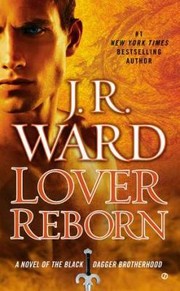
Lover Reborn
2,768-word summary 12 min read 656 pages in the book
- First published
- 2012
- Publisher
- Signet
- Pages
- 656
- ISBN
- 9780451238283
- Series
- Black Dagger Brotherhood (#10)
Reading options
What's inside (9 sections)
- The Brother who came back for the wrong reasons
- The woman who kept her face covered
- Feeding, shame, and the slow work of caring
- Xcor, Assail, and a king with a target on his back
- Protection, trust, and the people in the margins
- The ceremony and the price of letting go
- What works and what crowds it
- Key takeaways
- FAQ
I came to this one with a strange kind of loyalty. Tohrment had been the steady Brother in the early books, the one who was not cursed or half mad or nursing some ancient wound, and then his world was taken apart by a car bomb that killed his pregnant mate, Wellsie. By the time Lover Reborn arrived in 2012 as the tenth Black Dagger Brotherhood novel, he had been gone from the Brotherhood for a year. I expected a warrior's return. What I got was a long, slow book about a man who had stopped wanting to live, and a fallen angel with a rather cruel set of rules for getting him back.
The book was first published in March 2012 and runs to well over five hundred pages in most editions, which makes it one of the heavier entries in the series. It is also, in its own way, the most patient. Most Brotherhood novels cover a week or two of nights. This one stretches across a year, and its central relationship grows at a pace that can feel almost stubborn. That choice is the point. You cannot rush a man out of grief, and Ward does not try.
The Brother who came back for the wrong reasons
The opening finds Tohr hunting a lesser through Caldwell with John Matthew and Qhuinn at his heels. He takes risks that make the two younger males uneasy, chasing the slayer onto a bridge and welcoming the fall for a moment as a possible end to everything. He dematerializes to survive it, drags the undead thing ashore, and works on it with his bare hands before delivering the final stab. John watches and sees a problem that the others are slow to name. Tohr is back in the field, but revenge is the only thing holding him together.
This is the state Lassiter finds when he brings Tohr back to the mansion. Lassiter is a fallen angel serving out a sentence, and his help is not offered out of kindness. He wants his own release from the task, and he tells Tohr things about the afterlife that the Brother would rather not hear. Wellsie and the son she was carrying are not resting in the Fade. They are stuck in a cold, isolated place the book calls the In Between, and the reason they cannot move on is that Tohr will not let them go. His grief has become a kind of anchor, dragging them down with him.
The dreams are where the book gets its teeth. Tohr sees Wellsie in a netherworld of grey light and silence, and the message is plain enough. If he wants her free, he has to love someone else. Not tolerate someone else, not go through the motions with someone else, but actually love. It is a brutal bargain, and I found myself annoyed by it in a way that I think Ward intended. Lassiter's rule has the logic of a spiritual trick question, and Tohr's resistance to it is the engine of the whole novel.
The woman who kept her face covered
No'One arrives at the mansion already connected to the family by a wound nobody talks about. She is a former Chosen who once served the Scribe Virgin, and she is Xhex's birth mother. Xhex was conceived through an assault by a symphath, and No'One tried to end her life after the birth. Both women carry that history, and neither knows how to stand in a room with the other. Xhex rejects softness the way she rejects the makeup and dresses the servants keep leaving in her rooms. No'One, who has spent years hiding her face behind a hood because she cannot bear being treated according to the beauty she once had, offers to clean the red mating gown that Xhex wore. It is a small, practical offer, and it is the first honest thing either of them says.
Tohr noticing No'One across the dinner table is one of the more uncomfortable scenes in the book. He resents her simply for being alive and present when Wellsie is not. She does not push back. She hangs the cleaned gown outside his door, and a drunk, naked Tohr takes it to bed with him and mourns the body that once filled it. There is a scene in the training center pool where he accuses her of coming after him, and she withdraws, hurt. These are not the actions of a sympathetic man, and Ward does not sand them down. Tohr is cruel in the specific way that grief can make a person cruel, and the book makes you sit with it.
The turn comes through ordinary research rather than revelation. Tohr asks No'One to help him look through the Brotherhood's records, and they find the death entry for Wellsie and the unborn son. Every other entry says the dead passed into the Fade. Hers does not. The absence is confirmation of what Lassiter claimed, and it lands harder because it arrives in the dry language of a ledger. No'One then reveals her face to Tohr, explaining that she hides it because she does not want to be judged by what she used to look like. It is the moment the two of them stop being symbols to each other.
Feeding, shame, and the slow work of caring
Tohr's strength declines because he refuses to feed properly. Eventually hunger forces him to accept blood from No'One, and the first time it goes badly. In a dark pantry his instincts take over, and he only comes back to himself when he realizes she is afraid of him. He releases her and apologizes, and the apology matters more than the bite. On a later night he feeds from her with the lights on, and she experiences physical pleasure for the first time as he helps her understand her own body. That scene is the quiet center of the book. It is about patience and permission, and it is a long way from the urgent physicality the series is known for.
Over the following months their intimacy deepens, but Tohr keeps a guard up. He does not want her as a replacement, and he tells himself he is not ready to feel anything real. Ward spends a great deal of time on this stretch, and it is easy to see why some readers call the book slow. The romance takes a full year to build. I found the patience convincing, though there are stretches where the repetition of Tohr's guilt starts to feel like the same conversation held in different rooms.
He gives her a new name, Autumn, and she accepts it. That naming is the closest thing the book offers to a promise. Around the same time, Xhex comes to No'One by the pool and apologizes for the years of distance between them. They embrace, then ride out together on Xhex's motorcycle. It is a small reconciliation, but it earns its place because both women have spent the whole book avoiding exactly this moment.
Xcor, Assail, and a king with a target on his back
Running alongside the romance is the political plot that would carry later books. Xcor arrives from the Old Country with his Band of Bastards, a warrior with a scythe and a grievance against the throne. He and his lieutenant Throe first cross paths with Tohr's group during a lesser hunt, and the two factions end up fighting side by side against wave after wave of slayers. Afterward Xcor makes it clear that he means to challenge King Wrath, and he goes straight for Tohr's rawest wound by invoking Wellsie's death. It is a nasty, effective bit of needlework.
Xcor then writes to the aristocratic families, claiming he has come to protect the race. Wrath recognizes the move for what it is and meets the glymera in person to counter it. Tohr helps set security rules even as his own strength continues to fade. Meanwhile Xhex, back at her old job at Trez's club, finds cocaine stamped with an Old Language death symbol and traces the new supply to Assail, an aristocrat quietly forcing human dealers to kill themselves while he expands his own business. Assail admits she is investigating him and tells her nothing useful about Xcor.
The most kinetic sequence comes when Wrath visits Assail's glass mansion with Tohr, Vishous, John, and Qhuinn in tow. Gunfire tears through the rear door. Tohr shields the king, who takes a round in the neck and starts to struggle for breath. Assail supplies an armored van, and Tohr uses a dagger and a length of plastic tubing to make an airway while Lassiter drives them toward help. Qhuinn stays behind to keep Xcor from blocking the van and fights him alone, and the Brothers later find him badly hurt. Wrath survives the surgery and publicly honors Qhuinn's courage. He also grants Tohr the right to kill Xcor if the evidence confirms the attempt on his life.
There is a smaller story in this stretch that I liked more than I expected to. Throe pushes Xcor to use cell phones so the band can coordinate the way the Brotherhood does. Xcor reads the suggestion as insubordination, stabs him, and threatens to destroy the ashes of Throe's dead sister unless he infiltrates the Brotherhood. The Brothers pull Throe out of a pack of lessers and treat his wounds, and Layla, one of the Chosen, feeds him without knowing who he is. Xcor eventually apologizes and returns the ashes, and Throe goes back to the band as a free male rather than a beaten dog. It is a tidy little study of pride and its limits.
Protection, trust, and the people in the margins
John Matthew and Xhex provide the book's second argument about love. When John finds her fighting beside Rhage despite an injury, he watches a lesser put a knife into her chest. He kills the attacker and shields her from another, then tears into her for taking battlefield risks. She hears control where he means protection, and their first real fight ends with them returning to the compound separately. After her surgery he waits outside her room instead of crowding her, and they reconcile through feeding and sex. But he recognizes that fear of becoming like Tohr has started to govern him.
That fear drives the rest of their arc. When Xhex offers to infiltrate Xcor's band, John resists again and she leaves for her old job at Trez's club. Their marriage runs on brief visits and careful trips for a while. The change comes when Wrath offers Xhex a solo mission to find Xcor's lair and John decides to support it. He admits he cannot keep her from fighting without denying who she is. He later proves the point by secretly passing her information that helps her track the band, even though Wrath and Phury have told Layla not to help.
Layla's thread is the one that surprised me most. Throe summons her to a meadow when Xcor is near death, and she feeds him, believing she is saving a worthy soldier. He takes only what he needs. The blood creates a connection that lets her sense where he is, which becomes a problem when Qhuinn and John explain that Xcor led the attack on Wrath. Layla is horrified, but she also asks Qhuinn to help her conceive a child when her own needing arrives, refusing medication in favor of a family. Wrath and Phury forgive her and then forbid her from helping the Brothers track Xcor. She helps anyway, guiding Xhex to an isolated farmhouse where a metal detector turns up rifles and a case large enough to hold the weapon used against the king.
Qhuinn's recovery runs through all of this. Layla feeds him as he heals, Blay visits his bedside visibly shaken, and Beth suggests to Wrath that he make Qhuinn a Brother. Qhuinn and Blay exchange a look near the end that leaves their future deliberately open. It is the kind of lingering thread that annoys some readers and keeps others coming back, and I am honestly in both camps.
The ceremony and the price of letting go
The last movement belongs to Tohr. He spends a day emptying the home he shared with Wellsie, finding that her clothes, her cookware, and the rooms she arranged with care are only objects. He gives her belongings and jewelry to Safe Place so they can help other females. At the mansion the Brotherhood gathers for the Fade ceremony, with John at his side and gifts from the other Brothers. Tohr endures the branding iron pressed to the names of Wellsie and their unborn son carved into his back, then the salt wash that formally releases them. He screams through the brand and collapses, and he sees his brothers crying.
As the light carries Wellsie and the child away, Autumn arrives and reaches for him. The same light takes her too. The reason turns out to be her own history: having taken her life years ago, she had condemned herself to an In Between of her own, and now she is being called into the Fade. Lassiter, who had been expecting his release once Wellsie was free, follows her into the light and offers everything he has to the Maker to bring her back. Autumn waits beyond the door, furious at the thought of leaving Tohr behind, and Lassiter returns with her. The cost is his freedom, which he gives up without much ceremony.
The epilogue puts the three of them at a table with McDonald's bags, the meal that started the connection between Lassiter and Tohr in the first place. Tohr wakes beside Autumn, makes love to her gently because he needs to confirm she is real, and asks her to be his mate. She accepts. There is a line the book gives Tohr about life being short and people being precious, and about love being worth dying for and worth living for too. It would be easy to roll your eyes at that sort of summing up in a different book. Here it arrives after so much stubborn refusal to feel anything that it lands.
Life was short, no matter how many days you were granted. And people were precious, each and every one, no matter how many you were lucky enough to have in your life. And love was worth dying for. Worth living for, too.
What works and what crowds it
I want to be fair about the limits. This is a very long book, and the political material keeps the romance waiting. One reviewer at All About Romance pointed out that the original Brothers, Zsadist, Phury, Vishous, Rhage, Butch, barely appear and that their changing relationship with Tohr is never really explored. I felt that absence. The series was clearly moving toward the Band of Bastards and a new generation, but Tohr was the last of the original seven to get his own story, and I wanted more time with the family he had been away from. Xcor's challenge to Wrath also stays unresolved here, which is fine for a serial but can feel like a loose thread if you came for a complete arc.
There is also a content warning worth passing along. The book depicts self-harm and refers to suicide, and No'One's history of assault is discussed plainly. Those threads are handled with more care than I expected, but they are not light material, and this is not a comfortable comfort read.
Still, the central achievement is real. Ward keeps Tohr's guilt and his desire in the same frame without letting one cancel the other. Wellsie is not written out or diminished so that Autumn can take her place, and Autumn is never treated as a consolation prize. The rule Lassiter gives him, that he can only save the mate he lost by loving someone new, is harsh, but the book earns the emotional resolution by making Tohr do the slow, unglamorous work of emptying a house, accepting blood, and finally letting go. It took me a long time to get through, and I did not resent the time. I would hand it to someone who has already lived with these characters for a few books, because so much of the weight depends on knowing what Wellsie meant. I would hesitate to hand it to someone meeting the series here, since the political threads assume a reader who already knows why the throne is worth fighting over.
FAQ
Is Lover Reborn a standalone novel?
No, it is the tenth book in the Black Dagger Brotherhood series. It assumes you already know about Wellsie's death and the history between Tohrment and the other Brothers.
Who is No'One and how is she connected to Xhex?
No'One is a former Chosen and Xhex's birth mother, and both women carry the wound of the assault that led to Xhex's conception. She hides her face for years and later accepts the name Autumn from Tohr.
What is the In Between in Lover Reborn?
It is the cold, isolated place where the dead linger when they cannot move on. Lassiter says Wellsie and the unborn son she carried are held there because Tohr refuses to let them go.
Similar books
More from Black Dagger Brotherhood first, then related titles.

Dark Lover
Blind King Wrath turns to cop Butch to protect Beth as the Lessers war closes in.
2,442-word summary · 11 min read

Lover Eternal
Cursed fighter Rhage must control his beast to protect Mary Luce as the Lessening Society closes in.
2,842-word summary · 13 min read

Lover Awakened
Scarred Brother Zsadist stands guard over Bella after Lessers take her in Caldwell. Book three of the Black Dagger Brotherhood pairs rescue with slow trust and…
2,468-word summary · 11 min read

Lover Revealed
Human cop Butch loves Marissa from afar until Lessers take him and the Brotherhood fights to bring him home.
2,592-word summary · 12 min read
Lover Unbound
Scarred genius Vishous falls for human surgeon Jane after a Lesser attack pulls her into his hidden war.
2,786-word summary · 12 min read
Lover Enshrined
Phury's celibacy, addiction, and duty collide when Cormia enters his life, in J.R. Ward's sixth Black Dagger Brotherhood novel of war, ritual, and mating built…
2,630-word summary · 12 min read
Lover Avenged
Half symphath Rehvenge hides behind ZeroSum and drugs while nurse Ehlena pulls him toward truth.
2,421-word summary · 11 min read
Lover Mine
Mute fighter John Matthew loves scarred Xhex as Lash and the war close in on Caldwell.
2,516-word summary · 11 min read
Lover Unleashed
Paralyzed vampire warrior Payne and surgeon Manny Manello collide in an adult paranormal romance, as Xcor's Band of Bastards arrives in Caldwell for revenge.
2,374-word summary · 11 min read

Destined for an Early Grave
A Paris vacation turns into a fight over Cat's past when a vampire who claims to be her husband returns, and she must decide what she is allowed to know.
2,924-word summary · 13 min read
A Hunger Like No Other
Kresley Cole's 2006 paranormal romance pairs a Lycan freed after a thousand years of Fae captivity with a Valkyrie who has no wish to be claimed.
2,539-word summary · 11 min read
At Grave's End
Cat and Bones face Max, a zombie-raising ancient vampire, and a prophecy that ties their marriage to Patra's death in the third Night Huntress novel.
2,061-word summary · 9 min read
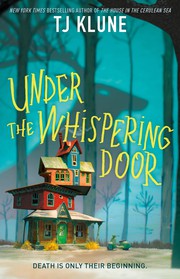
Under the Whispering Door
Workaholic Wallace dies and must learn tea, apology, and love before crossing the upstairs door.
2,031-word summary · 9 min read

Revelations
Schuyler is pulled into the Force household as Silver Bloods rise, and a Conclave gathering in Rio ends in bloodshed.
2,166-word summary · 10 min read

My Roommate Is a Vampire
A struggling artist takes a cheap room in Chicago and discovers her polite, nocturnal roommate is a vampire with a proposition.
2,502-word summary · 11 min read

Wolfsong
Ox Matheson grows up believing he is worth nothing. Then the Bennett family moves in next door, werewolves with a secret, and a boy named Joe begins to howl…
2,823-word summary · 13 min read

White Hot Kiss
Layla is half Warden, half demon, and one kiss from her steals a soul. A demon prince warns that Hell is hunting her, and she must choose between the clan that…
2,299-word summary · 10 min read

The Lunatic Cafe
Anita Blake takes a missing-shapeshifter case into St. Louis werewolf politics while Jean-Claude and Richard both press their claim on her.
2,327-word summary · 10 min read

The Darkest Night
A woman who hears the voices of the past meets an immortal warrior who dies every night in Gena Showalter's first Lords of the Underworld novel, a dark…
3,483-word summary · 15 min read

Shadowland
Ever Bloom cannot touch Damen without risking his life. As she hunts for a cure, a mysterious surfer named Jude arrives and her loyalty to Damen is tested.
2,301-word summary · 10 min read

Night Pleasures
An accountant is kidnapped by a soul-stealing Daimon and handcuffed to a two-thousand-year-old Dark-Hunter, beginning a romance that forces him to want…
2,039-word summary · 9 min read

Evernight
A girl raised among vampires falls for a human boy at a Gothic boarding school, unaware that he hunts her kind.
2,200-word summary · 10 min read

Destined
In the ninth House of Night novel, Zoey Redbird takes her fight with Neferet to the High Council while an ancient bull stirs and a vessel built for murder…
2,317-word summary · 10 min read

Dead Ever After
In the final Sookie Stackhouse novel, Sookie is framed for murder, Eric is bound to another vampire, and a choice about Sam may decide her future.
2,388-word summary · 11 min read

Six Scorched Roses
A dying scholar bargains with a reclusive vampire for blood, and six roses turn a transaction into a slow, dangerous romance.
2,663-word summary · 12 min read

The Awakening / The Struggle
A popular high school girl falls for a vampire, then discovers that his dangerous brother wants her too, in the first two books of the Vampire Diaries series.
2,660-word summary · 12 min read
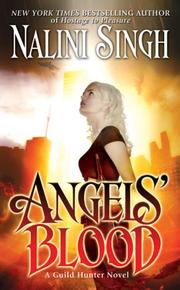
Angels' Blood
Nalini Singh's 2009 Guild Hunter opener sends vampire hunter Elena Deveraux after a murderous archangel in New York, while its most powerful ruler watches.
2,367-word summary · 11 min read


Blue Moon
Ever Bloom tries to save her immortal boyfriend, Damen, from a mysterious illness while a new student named Roman quietly takes control of her school and her…
1,998-word summary · 9 min read

The Indigo Spell
Sydney Sage hunts an aging witch, learns forbidden magic, and finally admits she loves Adrian, while the Alchemist tattoo on her cheek may be controlling her.
2,604-word summary · 12 min read