
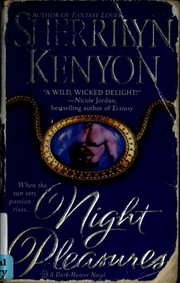
Night Pleasures
2,039-word summary 9 min read 324 pages in the book
- First published
- 2002
- Publisher
- St. Martin's Paperbacks
- Pages
- 324
- ISBN
- 9780312979980
- Series
- Dark-Hunter (#2)
Reading options
What's inside (8 sections)
Handcuffed to a stranger
The book opens with a mistake. Amanda Devereaux, a conservative, practical accountant who wants an ordinary life, is kidnapped in modern-day New Orleans by the Daimon Desiderius, who believes she is her twin sister Tabitha, a vampire hunter. She wakes handcuffed to an unconscious stranger in a dim room. The stranger is Kyrian of Thrace, and the handcuffing is part of Desiderius's trap: he intends to lure Kyrian in and destroy him.
Kenyon's opening line sets the tone better than any summary could. "I say we should stake him to an anthill and throw little pickles at him." That is Amanda, already talking, already funny, already refusing to be the sort of woman who faints in a vampire novel. The book is a paranormal romance, but it has a great deal of comic timing, and much of it comes from Amanda's determination to treat the supernatural with the irritation it deserves.
This is the book that launched the main Dark-Hunter storyline, published in 2002 by St. Martin's Paperbacks. There is a numbering wrinkle worth knowing. Wikipedia and Open Library list it as book two, after Fantasy Lover, but the author's own site and many retailers call it book one, because Fantasy Lover was not originally branded as a Dark-Hunter novel. The site does not have other Dark-Hunter books, so this is a fresh series entry here. I have used order two, which is the published order, and the earlier book's absence will not affect the reading.
New Orleans is more than a backdrop. Kenyon uses the city's mixture of the modern and the ancient, the tourist streets and the older networks beneath them, as a way of making the presence of a Greek immortal feel plausible. Kyrian moves through the present with the ease of someone who has had two thousand years to learn how. Amanda, who has lived her whole life trying to be ordinary, keeps noticing the details he takes for granted. Their difference in perspective is one of the book's quiet sources of tension.
The kidnapping itself is brief. Desiderius makes his mistake, takes Amanda, sets the trap for Kyrian and then largely disappears into the background while the relationship develops. That is a structural choice that works in the book's favor. The villain's error is what brings the two leads together, and the plot spends very little time on the mechanics of the abduction. What matters is what happens after Amanda opens her eyes.
The man with the fangs
Kyrian's backstory is one of the great pulp tragedies. He was born in 179 BC, a Greek prince of Thrace. His father disinherited him for marrying an ex-prostitute, and he became a legendary Macedonian general during the Fourth Macedonian War. His wife Theone betrayed him to the Romans. He was tortured and crucified in 147 BC, and at the moment of death his soul's cry for vengeance reached Artemis. She offered to resurrect him as a Dark-Hunter in exchange for his soul and twenty-four hours of revenge.
The crucifixion scene is told as memory, and it arrives in fragments rather than in one block. Kyrian does not narrate his own suffering with self-pity. He describes the betrayal and what followed in the flat tones of someone who has repeated the story to himself for two millennia. That is what makes Theone's betrayal more painful. He has gone over it so many times that the detail has worn smooth, leaving only the fact: he loved her, she sold him, and he could not bring himself to kill her when he had the chance.
He took the revenge, but he spared Theone out of lingering mercy. That choice haunts him. It is the reason he is so cynical about love and loyalty, and it gives the romance its central obstacle. Kyrian is not simply a brooding immortal. He is a man who once made a soft choice and has spent two thousand years convinced it was weakness.
The series lore arrives in fragments. Artemis creates Dark-Hunters from betrayed souls. They hunt Daimons, soul-stealing beings descended from Apollites, the cursed race of Apollo, who are doomed to die at twenty-seven, disintegrate in sunlight and survive by consuming human souls. Dark-Hunters have fangs and heightened senses, cannot bear the sun, and operate through human squires during the day. Kyrian's squire is Nick Gautier, a wisecracking teenager who handles money, weapons and daylight logistics, and supplies much of the book's comedy. Acheron Parthenopaeus, the ancient leader of the Dark-Hunters and author of their creed, appears as a formidable and mysterious presence.
That is a great deal of mythology to introduce in a romance, and Kenyon does it with confidence. She assumes the reader will keep up, and the book moves fast enough that most people will. The lore exists to serve the relationship. Every rule about sunlight or soul-stealing creates a problem for two people who want to be together.
Nick Gautier is one of the reasons the book remains readable. As Kyrian's squire, he is the man who handles the daylight side of an immortal's life: the money, the weapons, the transportation, the explanations. Kenyon gives him a distinct voice and an endless supply of jokes, and he prevents the mythology from becoming too solemn. Acheron, by contrast, is all gravity. He appears late and says very little, but what he says changes the stakes. The contrast between the teenager making wisecracks and the ancient leader speaking in riddles is one of the book's better pieces of casting.
The Devereaux family works in a similar way. Amanda's rejection of her heritage is funny until it is not. She has spent so long insisting that she is an ordinary accountant that the gradual emergence of her powers feels like a betrayal of her own chosen identity. That is a more interesting arc than simply learning to use magic. She has to stop being the person she decided to be.
The accountant and the witch
Amanda is the youngest of nine Devereaux sisters. Her family is full of psychics, witches and vampire hunters, and she has spent her life rejecting that heritage. She denies her own latent powers, which include premonition, cognition, empathy and telekinesis. Her twin Tabitha hunts vampires, and another sister, Selena, is psychic. The Devereaux women are specifically targeted by Desiderius, which is why Amanda was taken in the first place.
Amanda's ordinariness is the point. She is not a trained fighter and she does not want to be. She wants a mortgage and a quiet life. When she is handcuffed to a immortal Greek warrior, her first concern is the absurdity of it. She asks whether a wooden stake through the heart kills a vampire. Kyrian tells her that a stake kills almost anything, "and if it doesn't, run like hell." She admits he is a "really, REALLY sexy" vampire, which is the book announcing exactly what kind of romance this is going to be.
The forced proximity works because the two characters are so badly matched. He is ancient, lethal and resigned. She is modern, practical and furious about being kidnapped. Their banter is fast, and the attraction that develops between them is unwelcome to both. This is an enemies-to-lovers story in the most literal sense: they begin as captor and captive, and the physical closeness is imposed by a villain rather than chosen by either of them. Kenyon handles that transition with care. Amanda's desire is her own, even if the situation is not.
Desiderius
The villain is no ordinary Daimon. He is the son of a demigod, Dionysus, and an Apollite, which gives him exceptional speed, strength and longevity. He has been manipulating people from Amanda's past, using her as a pawn to get at Kyrian. That connection makes the threat personal. Desiderius does not want to kill a generic Dark-Hunter. He wants to destroy the man who has something to lose.
Midway through the book, Amanda goes to Kyrian's house and confronts Acheron. It is a bold move, and it produces the information that reframes the story: Kyrian's soul is trapped, and there is a price to be paid for freeing it. From that moment the romance has a larger purpose. Amanda is no longer simply surviving a kidnapping. She is deciding whether to risk herself for a man who has spent two millennia telling himself that love is a trap.
The climax brings everything together. Desiderius launches a brutal attack and Amanda is captured. Kyrian risks everything to save her in a bloody confrontation. Amanda escapes with her sisters' help and rushes to his aid. Using her powers and risking herself, she helps him defeat Desiderius and reclaim his soul from Artemis's keeping. It is a big finish, and the book earns it by making Amanda's growth gradual. She begins as a woman who denies what she is and ends as someone who uses her abilities deliberately.
The aftermath
Kyrian's humanity is restored, which frees him from the Dark-Hunter curse. Amanda bears a permanent scar from the battle, a physical reminder of what the choice cost. It is a good detail. In a genre where emotional wounds often heal faster than physical ones, the scar insists that the events had a price. The couple commits to a shared future, and the book seeds later entries through Acheron, Nick, Tabitha and the Celtic Dark-Hunter Talon.
The novel won the 2002 PRISM Award for Best Light Paranormal, which tells you something about its balance. It is a dark story with a light touch. The mythology involves crucifixion and soul-stealing, but the tone is often breezy, and Nick's jokes keep the proceedings from becoming too solemn. That combination became the signature of the series. Readers who want their paranormal romance funny and sexy with a substantial supernatural apparatus will find exactly that here.
What I thought
The book's strengths are the ones that made the Dark-Hunter books so popular. Kenyon has built a world with rules, and she keeps those rules consistent even while she is being funny. Kyrian's backstory is genuinely moving, particularly the moment when he spares Theone and begins the long habit of cynicism. Amanda is a likeable heroine with a clear voice, and her refusal to accept the supernatural at face value gives the book many of its best lines.
The weaknesses are the ones you would expect from a 2002 mass-market paperback. The prose is functional rather than elegant. Some of the mythology is handed to the reader in blocks of explanation, and secondary characters occasionally appear in order to deliver information. The violence toward women in the Daimon attacks is used as a motivator for the male hero, which is a convention of the genre that has aged badly. And the ending resolves a two-thousand-year curse with a speed that feels more like a promise of sequels than a conclusion.
I also want to note that the book is much cleaner as a standalone than I expected. Despite the lore about Artemis, Apollites and the Dark-Hunter creed, this is a complete story with a real resolution. You can read it without the rest of the series and come away satisfied. That is not always true of books that launch long-running franchises.
The title fits the book's particular blend of the erotic and the absurd. Pleasures are what the Dark-Hunter world is built around: stolen souls, stolen centuries, and the stubborn human appetite for a life that does not have to be explained to anybody. Amanda wants exactly that, and she gets it only after accepting that her ordinary life was never really available to her.
What stays with me is the image of a practical accountant handcuffed to a crucified Greek general, asking whether a stake through the heart will work and then calling him really, really sexy. That is the book in one moment: absurd, romantic, and completely confident that its own ridiculousness is a virtue. It is a good example of what paranormal romance was doing at its most commercially assured.
FAQ
Is Night Pleasures the first Dark-Hunter book?
It depends on the source. Published order puts Fantasy Lover first and Night Pleasures second, but the author's site and many retailers call it book one because Fantasy Lover was not originally branded a Dark-Hunter novel.
What is a Dark-Hunter?
In Kenyon's mythology, Dark-Hunters are resurrected betrayed souls who serve Artemis and hunt Daimons. They have fangs and heightened senses, cannot bear sunlight, and operate through human squires by day.
Do I need to have read the other Dark-Hunter books?
No. Despite its elaborate mythology about Artemis, Apollites and the Dark-Hunter creed, this is a complete story with a real resolution and works as a standalone.
Similar books
More from Dark-Hunter first, then related titles.
At Grave's End
Cat and Bones face Max, a zombie-raising ancient vampire, and a prophecy that ties their marriage to Patra's death in the third Night Huntress novel.
2,061-word summary · 9 min read
Angels' Blood
Nalini Singh's 2009 Guild Hunter opener sends vampire hunter Elena Deveraux after a murderous archangel in New York, while its most powerful ruler watches.
2,367-word summary · 11 min read

The Darkest Night
A woman who hears the voices of the past meets an immortal warrior who dies every night in Gena Showalter's first Lords of the Underworld novel, a dark…
3,483-word summary · 15 min read
Destined for an Early Grave
A Paris vacation turns into a fight over Cat's past when a vampire who claims to be her husband returns, and she must decide what she is allowed to know.
2,924-word summary · 13 min read

The Awakening / The Struggle
A popular high school girl falls for a vampire, then discovers that his dangerous brother wants her too, in the first two books of the Vampire Diaries series.
2,660-word summary · 12 min read
Lover Unleashed
Paralyzed vampire warrior Payne and surgeon Manny Manello collide in an adult paranormal romance, as Xcor's Band of Bastards arrives in Caldwell for revenge.
2,374-word summary · 11 min read
Lover Enshrined
Phury's celibacy, addiction, and duty collide when Cormia enters his life, in J.R. Ward's sixth Black Dagger Brotherhood novel of war, ritual, and mating built…
2,630-word summary · 12 min read
Lover Unbound
Scarred genius Vishous falls for human surgeon Jane after a Lesser attack pulls her into his hidden war.
2,786-word summary · 12 min read
Lover Revealed
Human cop Butch loves Marissa from afar until Lessers take him and the Brotherhood fights to bring him home.
2,592-word summary · 12 min read
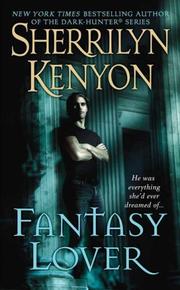
Fantasy Lover
A New Orleans sex therapist summons a cursed Spartan general from an ancient book and gets one month to break his spell.
2,315-word summary · 10 min read
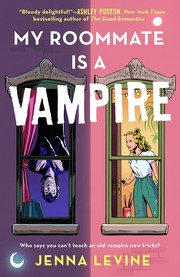
My Roommate Is a Vampire
A struggling artist takes a cheap room in Chicago and discovers her polite, nocturnal roommate is a vampire with a proposition.
2,502-word summary · 11 min read

White Hot Kiss
Layla is half Warden, half demon, and one kiss from her steals a soul. A demon prince warns that Hell is hunting her, and she must choose between the clan that…
2,299-word summary · 10 min read
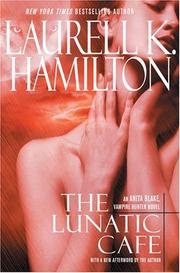
The Lunatic Cafe
Anita Blake takes a missing-shapeshifter case into St. Louis werewolf politics while Jean-Claude and Richard both press their claim on her.
2,327-word summary · 10 min read
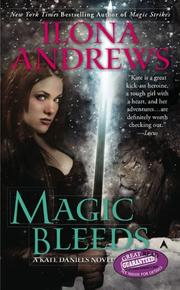
Magic Bleeds
The fourth Kate Daniels novel finds Kate investigating a magical plague in Atlanta while her relationship with Curran fractures and an ancient enemy tied to…
2,236-word summary · 10 min read
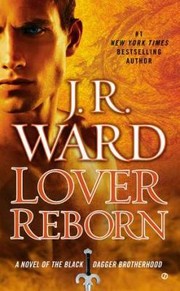
Lover Reborn
A grieving vampire warrior learns that the only way to free his dead mate from a cold afterlife is to love another, as a rival clan challenges the Blind King's…
2,768-word summary · 12 min read

Magic Strikes
Drafted into the Order of Merciful Aid, Kate Daniels investigates the beating of her friend Derek and finds a hidden tournament where rakshasas fight in human…
2,012-word summary · 9 min read

Dead Ever After
In the final Sookie Stackhouse novel, Sookie is framed for murder, Eric is bound to another vampire, and a choice about Sam may decide her future.
2,388-word summary · 11 min read
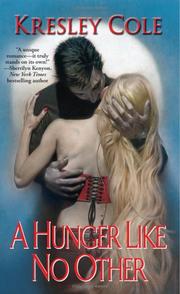
A Hunger Like No Other
Kresley Cole's 2006 paranormal romance pairs a Lycan freed after a thousand years of Fae captivity with a Valkyrie who has no wish to be claimed.
2,539-word summary · 11 min read

Magic Burns
A magic flare hits Atlanta, and mercenary Kate Daniels must recover stolen maps, find a missing witch, and keep a teenage girl alive while Celtic gods try to…
2,021-word summary · 9 min read

Masquerade
After Cordelia's death, Schuyler flies to Venice to find her exiled grandfather, then returns to the Blue Bloods as they prepare for a masked ball and a hidden…
2,543-word summary · 11 min read

Origins
Stefan's diary of 1864 and 1888: how he and Damon fell for Katherine, became vampires, and went looking for a killer in London.
2,056-word summary · 9 min read
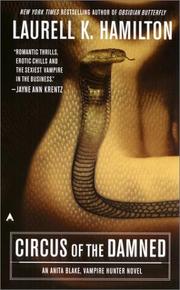
Circus of the Damned
A rogue master vampire arrives in St. Louis and Anita Blake is caught in an undead turf war, with a science teacher in the crossfire.
2,757-word summary · 12 min read
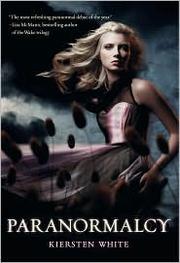
Paranormalcy
A teenage agent who can see through glamour falls for a shape-shifter and learns the agency she works for is hiding her true nature.
2,041-word summary · 9 min read

Lore
Lore Perseous, the last of a hunted bloodline, is pulled back into the Agon when a wounded Athena offers her revenge against the god who killed her family.
2,188-word summary · 10 min read

Glass Houses
Claire Danvers moves off campus to escape a bully and lands in a house where the roommates know Morganville's real secret: the town belongs to vampires.
2,345-word summary · 10 min read
Deadlocked
A dead woman on Eric's lawn starts a murder investigation, a vampire queen wants Eric as her consort, and the fairies in Sookie's life close in.
2,885-word summary · 13 min read
One Foot in the Grave
Cat hunts vampires with Bones while her Sire plots from the grave.
2,200-word summary · 10 min read
Dead Reckoning
Sookie confronts the firebombing of Merlotte's, Sandra Pelt's revenge, and a vampire power struggle while questioning her future with Eric.
2,391-word summary · 11 min read
Halfway to the Grave
Half vampire Cat hunts rogues to atone until Bones captures her and pulls her into vampire politics and love.
2,995-word summary · 13 min read
Lover Awakened
Scarred Brother Zsadist stands guard over Bella after Lessers take her in Caldwell. Book three of the Black Dagger Brotherhood pairs rescue with slow trust and…
2,468-word summary · 11 min read