
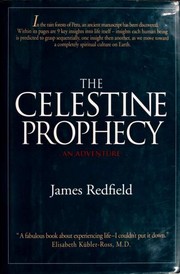
The Celestine Prophecy
2,599-word summary 12 min read 246 pages in the book
- First published
- 1993
- Publisher
- Warner Books
- Pages
- 246
- ISBN
- 9780446518628
Reading options
What's inside (8 sections)
I picked up my copy in a hostel book swap in Cusco. Cracked spine, a bus ticket from Arequipa still tucked near the back. That seemed right for this book. The Celestine Prophecy by James Redfield came out in 1993 from Warner Books, 246 pages in the standard edition, ISBN 9780446518628. Redfield had been working as a family therapist in Alabama. He first put the book out on his own and sold it out of his car before Warner took it on. Then it sat on bestseller lists for a long while. I read it after I got home, during a damp week when Peru felt far off, and I kept flipping between affection and irritation.
The premise is plain. An unnamed American narrator feels stuck in his job and fresh out of a relationship. An old friend named Charlene tells him about a manuscript found in Peru. It holds Nine Insights, written on old parchment and hidden near ruins called Celestine, and it describes a change in how people pay attention to life. Church officials and Peruvian authorities want it buried. The narrator, half curious and half restless, flies to Lima to see for himself. From there the book runs as chase plus lesson. He meets someone who explains one Insight, gets separated by soldiers or priests, runs, then meets the next teacher.
Redfield tells you how he wants to be read. Notice odd timing. Treat chance meetings as possibly useful. Learn to sense energy in places and people. Stop pulling it out of each other. That tone stays through the whole story. Some readers will find it warm. Others will find it bossy. I moved between those poles. The plot uses short pursuits, roadside talks, nights in lodges and camps. The ideas arrive in order, First through Ninth, so you always know where you stand even when you disagree.
A tip in Lima and a missing manuscript
Lima in these early pages is airports and side streets and nerves. Charlene points the narrator toward Father Sanchez, a priest and historian who has seen parts of the translation. Through Sanchez he meets researchers and guides who pass along copies. One early contact named Dobson explains the first piece over coffee and then dies when authorities close in. That death sets the tone. Papers get burned. Helpers go quiet. Priests who aid translators get moved or threatened. A cardinal named Sebastian treats the manuscript as rebellion and presses soldiers and local clergy to shut down anyone copying it.
The pattern repeats and becomes familiar. Talk, flight, talk again. The narrator learns something, a roadblock or raid breaks the meeting, he heads for hills or jungle, then another seeker picks up the thread. Wil is the calm traveler who shows up when things tilt. Marjorie Williams is another American seeker, sore from a breakup and less ready to believe, who walks with him for a stretch. Father Sanchez offers shelter and a steadier moral voice. Julia is steady and observant. Phil works around the Viciente Lodge area where seekers gather to compare notes. Reneau, a French priest uneasy with his own superiors, adds background about earlier efforts to suppress the text.
What pulled me was not the sentences. Redfield writes plainly, and the dialogue often exists to lecture. What pulled me was the travel feeling when small accidents line up. Anyone who has traveled alone knows that buzz. He also shows cost. Translators hide. Villagers fall silent when trucks pass. Sanchez loses his parish.
A caution belongs here before the lessons stack up. The history around the manuscript is invented. The Celestine ruins, the neat chain of suppression, the parchment trail, none of it holds outside the novel. Redfield means it as fiction pointing toward practice, but the book sometimes blurs that line. Peru reads thin as a result. It becomes ruins and patrols more than a living country with its own politics in 1993. Quechua villagers mostly help or suffer. Lima gets little texture beyond fear and transit. If you want a grounded account of Peru, read something else alongside.
Coincidences start to look like instructions
The First Insight says meaningful coincidences are on the rise and we should treat them as guidance. Dobson lays this out before everything breaks. Do not call every flat tire a sign. But when you keep thinking about a question and a book falls open to a useful passage, or you think of a friend and she calls that evening, pause. Ask what you were carrying. Redfield claims Western life chased material security for centuries, gained comfort, and felt empty inside it, so people started noticing these nudges again. The narrator tests it at once. A delay leads to Charlene. Charlene leads to Sanchez. Sanchez leads to the next copy.
I tried a low stakes version while reading. For a week I kept a pocket note of odd timings. A neighbor mentioned Machu Picchu the day after I started. A radio show brought up synchronicity without prompting. Did the universe send mail. I doubt it. Writing the moments down still made me quicker to follow up. I called the neighbor back. We talked for an hour about his Inca Trail walk, bad knees and all. That talk was worth more than the theory. Redfield oversells the mechanism and undersells the habit. The habit is attention.
The Second Insight pulls back to history. Redfield sketches a long arc from medieval church rule to modern science and industry, then comfort without meaning, then a turn near the millennium toward inner life. Historians will call this a cartoon. It skips wars, colonialism, science as wonder, faith as sustenance. As a mood report on early nineties seekers, though, it rings true. Plenty of readers then felt well stocked and oddly hollow. That ache filled workshops and travel memoirs and helped this book sell. I did not buy the timeline.
Learning to see what feeds us
The Third Insight says everything is energy and we can learn to sense it. The narrator learns this up high where light hits leaves and fields seem to glow. Guides tell him to soften his gaze, to look at fingertips against sky, to notice a halo around plants and people, to eat fresh food, to spend time in beautiful spots to lift his level. Skeptical readers will laugh or skim here. I did a little of both.
One evening I tried the soft gaze trick on my porch at dusk. I relaxed my eyes and breathed slow. Leaves did look brighter. Was that a field or rested vision plus good light. Almost surely the second. Still, the advice under the glow is ordinary and sound. Rest. Eat simply. Walk outside. Look longer. You will feel better and catch more. Call it energy or call it a tired nervous system getting a break.
Sanchez and Julia coach him to return to awe memories when fear spikes, to pray or sit quietly in his own words. Strip away the aura talk and this is familiar counsel. Keep an awe memory handy. Mine is a morning above Ollantaytambo, cold air, dogs barking far below. I used it twice while reading when work stress spiked.
The weak spot is how the book states all this as fact. Seeing light around leaves becomes proof of fields. Feeling better after food and sleep becomes proof of vibration rising. A kinder claim would be that practices help whether or not the model is true. Redfield rarely allows that hedge. I kept the practices and set the model aside.
The fights we stage to feel alive
The Fourth Insight is the one people quote back at dinner, and it earns the attention. Redfield says humans compete for energy because we feel cut off from a larger source, so we try to draw it out of each other through control habits learned young. He sorts them into four patterns.
The Intimidator uses threat and temper. Obey or I blow up. The Interrogator uses questions and fault finding to force apology and focus. The Aloof goes vague and distant so others chase. Poor Me leans on guilt and sighs until someone rushes over. Most of us mix two with one in front. The book stages these in small scenes that sting. A couple spars in a lodge dining room while the air thins. A soldier bullies a checkpoint line to feel large. A priest cross examines a helper until the helper folds.
My own mix showed up fast, which annoyed me. At home when anxious I run Interrogator, asking clipped questions until my wife feels graded. At work I go Aloof, turning quiet in meetings and making people pull me out. Seeing both on one page was uncomfortable and useful. Redfield traces these moves to what worked on tired parents. If tears brought mother running, Poor Me stuck. If silence made father curious, Aloof stuck. Naming the move in real time can break it. I caught myself once on a tense call with my brother, starting the quiz routine, then stopped and said I was worried and tired. The call softened within a minute.
Limits matter here. Once you learn the four types, every fight in the book becomes another demo. Real families mix money stress, illness, culture, love, exhaustion in ways four labels cannot hold. Redfield also suggests that spotting your pattern mostly fixes it. Anyone who has tried knows better. Spotting starts change. Apology plus dull repair finishes it. Still, as a pocket map for arguments, this chapter works. I have used it twice since, both times to close my mouth sooner.
Sorting the past to hear the present
The middle Insights slow the chase to do inner work, and I welcomed the quieter pace. The Fifth Insight says we can touch something larger through beauty and sacred feeling, often outdoors. The narrator feels it on ridges and in old stone places, a fullness where minutes thin. The counsel is to return to those moments deliberately when afraid, to give thanks in plain words, to let the memory widen the chest.
The Sixth Insight turns to childhood and asks for a clear review. Look at parents without worship or blame. See what they gave and where they ran dry. Name the control move you built to get through. Name theirs. Then ask what larger task your family set for you. Life is messier than the book allows. Some wounds only wound. Purpose does not always rise neatly from pain. Even so, the exercise moved me. I wrote two pages about my father, a good man who showed love by fixing things, and how that taught me to fix rather than listen. Now I try to ask one more question before reaching for tools. Small shift. Real at home.
The Seventh Insight is about living by guidance once the past loosens its grip. Watch dreams for images that stick. Notice thoughts that return. Treat blocks as information rather than proof to quit. Hold a question lightly, then see what person or passage crosses your path. Write morning dreams before they fade. Wil models this best, pausing on trails to check a hunch, changing plans without fuss. Marjorie resists, wanting proof first, and her arc shows what fear does when it edits every signal. I kept a dream log for ten days. Most entries were static. One image, a red door in a white wall, kept returning while I avoided a freelance choice. I knocked. It worked out.
Marjorie helps the book by pushing back. She gets tired. She asks for evidence. She leaves and comes back. Reneau helps by admitting his training taught him to fear exactly these experiences. Their doubts felt more human than the steady smiles of the guides.
Giving it back and the world that could follow
The Eighth Insight moves from private growth to how we meet others, and it may be the most usable part for ordinary weeks. Redfield says we can lift people by attention done right. Focus fully. Picture them at their capable best rather than their worst habit. Say aloud what is strong in them. Give without steering what they do with it. The book shows this in small acts. Julia listens without fixing. Sanchez blesses helpers before they run. A lodge cook thanked by name stands taller all evening.
I tried this on purpose and felt silly, then surprised. At a grocery checkout I put my phone away, thanked the cashier for handling a long line with calm. She laughed and said it was her first compliment that day. None of this proves fields exchanging. It proves attention feeds. The behavior is plain courtesy with focus.
The book ties this ethic to groups. When several people hold that kind of focus together, work moves faster and fights cool sooner. The Viciente Lodge scenes show seekers pooling clues, sharing food, warning about patrols, sitting quietly in their own ways before heading out. Contrast that with Sebastian meetings where fear and orders shrink everyone. The criticism writes itself, though. Redfield makes giving sound endless, as if tired people can always pour out more once they connect right. Real care needs sleep, boundaries, pay, days off. Take the ethic. Keep your limits too.
The Ninth Insight points to a future culture that lives these habits openly. People follow hunches in work, raise kids without control moves, share visions freely, let tools slow where they harm attention. The narrator at last reaches high ruins with Wil and others as soldiers press close, and in a long closing passage he glimpses that coming world as if through thin air. Greener towns. Slower kinder work. Prayer treated as normal hygiene. Then gunfire and shouting pull him back, papers burn, friends scatter, and he must carry what he saw home without full proof.
Much does not hold. The prose stays flat. Explanations repeat. Women often serve as gentle guides for the male narrator rather than full actors with their own aims. Peru stays thin. The history of science and faith is cartoon. The promise that attention alone will shift economies and calm conflict reads soft against money and power and violence. Skeptics will notice how the system resists testing. A fit counts. A miss becomes feedback to wait. That loop can excuse anything. Readers prone to worry should be careful here. Tracking signs all day can turn vigilance into strain. I had one edgy day counting nudges and had to close the notebook to sleep.
Who might try it now. If you liked The Alchemist for its signal following but wanted more how to, or if therapy language about family patterns interests you but you prefer story to textbook, this will fit. Pair it with a real history of Peru and with walks where you practice the soft gaze without buying the aura claim. Skip it if you need tight plotting, rich characters, or sourced argument. There are better novels and better spiritual studies. Few books blend both so bluntly and ride that blend to millions of readers.
My copy now has pencil marks and that old bus ticket I left inside. It sits between a field guide to the Andes and a worn book of psalms, which feels right for a novel that wants mountains and prayer in the same sentence. I do not believe in hidden parchment. I do believe a week of noting odd timing, naming my quiz voice, and thanking people by name left my house calmer. That modest result is enough to pass it on with warnings attached.
FAQ
What are the Nine Insights in The Celestine Prophecy?
They move from noticing coincidences and human history, through sensing energy, control habits, connection, childhood review and guidance, to uplifting others and a future culture that lives these habits openly.
Is The Celestine Prophecy based on a real manuscript found in Peru?
No. The manuscript, Celestine ruins and suppression chain are invented for the novel. The 1993 Warner Books edition runs 246 pages and is presented as fiction pointing toward practice.
How long is the book and which edition is summarized here?
The standard Warner Books edition from 1993 runs 246 pages with ISBN 9780446518628. The summary follows that text and its Nine Insight sequence.
Similar books
Demian
Hesse's 1919 German classic of Emil Sinclair, from Kromer blackmail to Demian, Abraxas, Beatrice and Frau Eva, ending in war: a short, strange guide to growing…
2,510-word summary · 11 min read
The Alchemist
The Alchemist from start to finish: Santiago's dream, the Personal Legend, the crystal merchant, the desert, and the treasure that was never where he thought.…
2,166-word summary · 10 min read
The Dharma Bums
Ray Smith rides freight trains, climbs Matterhorn Peak and argues about Zen with the poet Japhy Ryder in Kerouac's 1958 road novel.
2,729-word summary · 12 min read
The Road Less Traveled: A New Psychology of Love, Traditional Values and Spiritual Growth
M. Scott Peck argues that maturity begins with accepting difficulty, then builds discipline, love, and spiritual growth through honest, often painful work.
2,200-word summary · 10 min read
Out of the Silent Planet
A Cambridge philologist is kidnapped and taken to Mars, where the natives are civilized and the humans are the dangerous invaders.
2,612-word summary · 12 min read
Ishmael: An Adventure of the Mind and Spirit
A gorilla named Ishmael teaches a disillusioned man that civilization is a story, and that humans may compete but must not wage war on other species.
2,015-word summary · 9 min read
The Orphan Master's Son
Adam Johnson's Pulitzer-winning novel follows Pak Jun Do from a North Korean orphanage to a deadly identity swap, under a state whose loudspeakers never stop…
2,219-word summary · 10 min read
By the River Piedra I Sat Down and Wept
Pilar, 29, meets her childhood friend again in Madrid and finds a rumored miracle worker. One winter week through the Pyrenees to the river Piedra, and the…
2,845-word summary · 13 min read
The Swiss Family Robinson
Shipwrecked Robinsons build treehouses and tame island beasts.
2,400-word summary · 11 min read
Stories of Your Life and Others
Eight stories about language, time and choice, including the tale behind Arrival.
2,402-word summary · 11 min read
News of the World
Captain Kidd carries captive Johanna home across 1870 Texas.
2,571-word summary · 11 min read
Children of the Mind
Ender's children split across worlds as Jane faces shutdown and Lusitania flees.
2,532-word summary · 11 min read
The Time Keeper
Mitch Albom's 2012 fable follows Dor, the first measurer of time punished in a cave, as he returns to guide a heartbroken teen and a dying businessman toward…
2,466-word summary · 11 min read
The Fall
A fallen Paris lawyer confesses in an Amsterdam bar, tracing guilt from Paris success to a bridge he failed to face.
2,220-word summary · 10 min read
The Untethered Soul
Singer names the noisy inner voice and shows how watching thoughts, loosening old hurt, and keeping the heart open through surrender can ease daily suffering…
2,752-word summary · 12 min read
The Art of Happiness
The Dalai Lama and psychiatrist Howard Cutler link lasting happiness to training the mind, human warmth, compassion, and basic spiritual values for daily life.
3,394-word summary · 15 min read

One Day in the Life of Ivan Denisovich
One freezing day with prisoner Shch-854 in a Soviet camp: roll call, bricklaying in the cold, bread rations, and small wins that let Shukhov call the day…
2,668-word summary · 12 min read
The Tao of Pooh
Hoff explains Taoism through Pooh, Piglet, and Eeyore in gentle chats.
2,006-word summary · 9 min read

The Island of Doctor Moreau
Shipwrecked Prendick finds Doctor Moreau shaping beasts into men by pain on lost island.
2,137-word summary · 9 min read
A Psalm for the Wild-Built
Tea monk Sibling Dex leaves city for wilds with robot Mosscap asking what people need to be well.
2,007-word summary · 9 min read
Tao Te Ching: Annotated & Explained
Eighty one brief verses on the Way and effortless action, with Lin's translation and facing notes.
2,140-word summary · 10 min read
Eleven Minutes
Maria leaves Brazil for Geneva in Coelho 2003 novel, works as a dancer then as a prostitute, and meets painter Ralf Hart while testing sex against love.
2,639-word summary · 12 min read
Veronika Decides to Die
After a failed suicide attempt, a young woman in a Slovenian asylum learns she has days to live and starts to want them.
2,224-word summary · 10 min read
A New Earth
Tolle maps ego pain and shows how presence can loosen roles, thoughts, and suffering.
1,909-word summary · 8 min read
The Prophet
A prophet delayed twelve years answers his city on love, work, sorrow and freedom before his ship sails.
2,852-word summary · 13 min read
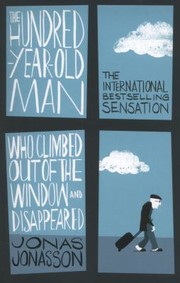
The Hundred-Year-Old Man Who Climbed Out of the Window and Disappeared
On his 100th birthday Allan Karlsson climbs out of his care home window and pockets a gangster fortune, while flashbacks trace his explosive century.
3,018-word summary · 13 min read
The Fountainhead
An architect who will not copy faces a rival who pleases everyone, a lover who fears the world, and a trial over dynamite.
2,988-word summary · 13 min read
Don Quixote
A poor gentleman maddened by knight romances rides out as Don Quixote with Sancho Panza, until the world answers back.
3,785-word summary · 17 min read
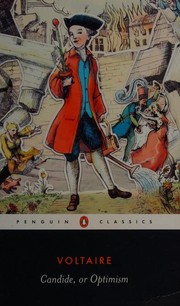
Candide
Voltaire's Candide follows a sheltered boy across earthquakes, wars, and Eldorado as his tutor's sunny optimism falls apart. Short, savage, and still funny.
2,614-word summary · 12 min read
Greenlights
McConaughey shares outlaw stories and greenlight catching from Texas to Hollywood.
2,577-word summary · 11 min read