
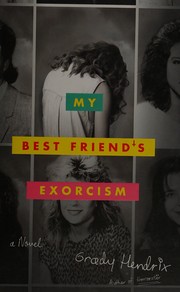
My Best Friend's Exorcism
2,115-word summary 9 min read 330 pages in the book
- First published
- 2016
- Publisher
- Quirk Books
- Pages
- 330
- ISBN
- 9781594748622
Reading options
What's inside (8 sections)
I read My Best Friend's Exorcism on a dare from a horror friend who said it would make me cry, and she was right, which annoyed us both. Grady Hendrix published it May 17, 2016 with Quirk Books, a 330 page hardcover with ISBN 9781594748622. It is a standalone horror novel, separate from his Southern Book Club and Final Girl books. It follows Abby and Gretchen, best friends since fourth grade, through 1988 Charleston, Satanic Panic, and demonic possession. It is funny, gross, and heartbreaking in that order, then reverse.
Abby and Gretchen plus Margaret and Glee make a four square friendship in fourth grade. By sophomore year in 1988, Abby and Gretchen remain closest. Abby is steady, good grades, parents who try. Gretchen is weirder, rich parents who perform perfection, house with rules. They share everything, clothes, diaries, Phil Collins tapes, fear of high school parties where boys drink too much. One night they try LSD at a sleepover by a lake with friends. Something goes wrong in the woods. Gretchen disappears briefly and returns different.
Different starts small. Smell, sour and sweet. Mood, flat then sharp. Hunger, strange. Grades slip. She stops showering. She says cruel things in a voice not quite hers. Bizarre incidents follow her. A bird dies. A locker smells. Adults blame hormones, drugs, rebellion. Abby, who knows Gretchen better than anyone, knows it is not teens. She researches possession at the library, calls churches, gets laughed at. The 1980s Satanic Panic means everyone fears Satanists under albums but no one believes a real demon in a prep school girl.
1988 details
Hendrix love for 1988 carries the book. United Colours of Benetton perfume, wine coolers, big hair, E.T. love, yearbook pages designed like the book itself, with quizzes and notes in margins. Each chapter opens with yearbook artifacts that tell story sideways. Best couple votes. Gym playlists. Notes passed in class. For Gen X readers, nostalgia hits hard. For younger readers, the book explains without lecturing. Satanic Panic news clips, preachers on TV, parents who check records for backward messages. Fear of the devil was cultural wallpaper while real harms went unseen.
Friendship details matter more. Abby and Gretchen have rituals. Phone calls with codes. Sleepovers with face masks. Shopping trips where Gretchen picks and Abby pays attention. Hendrix writes teen girl interiority with respect, which is rare in horror by men. He gets how friends monitor each other bodies, periods, weight, zits, without making it gross. He gets how they protect each other at parties, watching cups, walking home together. When possession strains those rituals, loss feels physical. Abby reaches for a ritual and Gretchen sneers. That sneer hurts more than vomit later.
School cruelty builds alongside possession. Popular girls led by Glee? No, Glee is friend. Led by others, mock Gretchen smell. Teachers punish Abby for defending her. Counselors suggest distance for college resumes. Abby loses social standing by staying. She stays. That choice, repeated daily, is the book heroism before exorcism. Anyone who kept a friend others dropped will recognize the cost and the stubborn love.
Parents fail in specific 1980s ways. Abby parents love but work, miss signs, trust experts. Gretchen parents care about image, hire psychiatrists, then a Christian therapist, then anyone who promises fix without scandal. They blame Abby influence. They forbid contact. That ban forces Abby underground, sneaking, lying, which isolates her further. Hendrix does not make parents monsters. He makes them busy and scared, which is worse because you cannot fight it cleanly.
Investigation and Andras
Abby investigation drives middle. She reads about demons in library books that smell. She learns about Andras, a demon with owl head who sows discord, who rides a wolf, who was in the woods that night. She finds a box, an Andras box, that Gretchen took. She tries priests. One Catholic priest listens kindly and says the church cannot help without proof. One evangelical showman, Brother Lemon, promises and harms. His failed exorcism attempt is the hardest chapter, loud, shaming, with Gretchen tied while adults chant. It fails because it performs for audience, not for Gretchen.
Abby tries science. Doctors test. Nothing. She tries school. Nothing. She tries to be possessed instead, offering herself. Gretchen demon laughs because it knows Abby love is the lever, not the prize. The demon wants isolation. It tells Gretchen no one loves her. It tells Abby Gretchen is gone. Both lies work for a while. Abby self harms in small ways, picking skin, skipping meals, which the book shows without glamour. Gretchen starves and binges, smells worse, pushes everyone until only Abby remains. That narrowing is possession strategy and teen social truth at once.
The demon lore stays light enough to keep focus on girls. Andras likes discord. It feeds on secrets. It grows when friends fight. That rule lets Hendrix stage set pieces where Abby and Gretchen argue about old hurts while objects move. A sleepover fight about a boy becomes a levitation. A cafeteria fight about loyalty becomes birds. The scares work because they erupt from real tensions, not random jumps. When Gretchen vomits black, it matters because she just said she hates Abby. Body horror expresses emotional horror.
Brother Lemon return looms. He offers a real exorcism for money and fame. Abby distrusts him but has no options. Her parents ground her. Gretchen parents hire him. The event is planned like a party, invitations, video camera. Abby crashes it because friendship outranks grounding. What follows is long, gross, moving. No white light saves. Sweat, prayers, vomit, 1980s pop lyrics used as hymns. Abby holds Gretchen through it, not as priest but as witness who refuses to leave. That refusal is the ritual that works.
What the ending earns
I will not detail the final rite beat by beat, but it centers Abby presence, not priest power. She reminds Gretchen of specific shared memories, fourth grade handshake, lake song, Benetton perfume traded, while demon screams lies. Gretchen surfaces in flashes. She begs Abby to go. Abby stays. The demon offers Abby a deal, take Gretchen place, be loved for sacrifice. Abby refuses because Gretchen would never accept that trade. Love here is not self harm. It is staying without replacing.
After, neither girl is fine. Gretchen remembers enough to feel shame. Abby remembers enough to feel tired. They do not hug and heal. They sit apart in a hospital room and share fries. They go home to parents who still do not fully get it. School whispers. They graduate into different colleges. The book jumps forward to show friendship changed, not restored to fourth grade purity. That honesty about aftermath elevates horror to literature. Possession ends. Consequences continue.
Fair criticism is needed. At 330 pages, middle school cruelty stretches. Scenes of bullying repeat to prove point. Brother Lemon caricature flirts with stereotype about evangelicals, though Hendrix gives him human fear beneath show. Body horror, vomit, fluids, may repel sensitive readers even when purposeful. The demon rules stay vague. Why Andras chose Gretchen, why box, what it wants beyond discord. Fans of hard magic systems will want more. This book cares more about girls than grimoires.
Pacing also wobbles. Investigation stalls when adults block Abby for chapters. Readers may shout at her to act faster, forgetting she is fifteen with no car. The 1980s setting, lovingly detailed, sometimes pauses for playlist. Those pauses delight fans and slow plot for others. The yearbook design, charming in print, can confuse ebook readers. Get paper if you can.
Still, the bond holds. Abby is one of horror great final girls not because she kills, but because she stays. Gretchen is more than victim because she fights inside, leaving clues, sparing Abby when she could kill. Their friendship, with codes and songs and shared deodorant, feels lived, not written to serve scares. When Gretchen says sorry in a small voice after, I cried. My horror friend pretended not to see.
Yearbook, soundtrack, and staying
The yearbook design is not decoration. It teaches how to read the girls. Quizzes about best smile, notes in margins, party rules. Gretchen wins best dressed early. Abby wins most likely to succeed. Those titles trap them. Gretchen must stay pretty while rotting inside. Abby must succeed at saving while failing tests. When possession ruins both campaigns, the book shows how school ranks harm. Readers who lived through superlatives will feel it. I did. I was most quiet. It stuck.
Soundtrack matters too. Hendrix lists songs for scenes, Phil Collins for driving, Whitney for dancing, metal for feared basements. Music dates the book precisely and gives girls language when words fail. Abby plays their song for Gretchen in hospital. Gretchen, possessed, hates it. Abby plays anyway, softly, through shared earbuds. That image, two heads close, one song, appears three times. Last time Gretchen leans in instead of pulling away. No demon flees at once. A girl leans. That lean is victory.
Staying as theme needs underlining because horror often rewards letting go, running, cutting ties. Here staying saves. Abby stays through smell, insults, bans. She stays when parents forbid. She stays when preachers say she lacks faith. She stays when demon offers trade. Staying is not passive. It is active, bringing food, playing music, remembering handshake. The book argues friendship is practice, not feeling. Feelings change with possession. Practice remains. That view helped me more than scares.
For new readers worried about gore, know this. Fluids appear, but focus stays on girls faces, not splatter. The scariest scene for me had no demon. Just Gretchen, thin and alone in a cafeteria, with no one sitting near. That image hurt more than levitation because I sat near girls like that and sometimes failed to sit with them. Horror that reminds you of real failures lingers. Hendrix knows. He forgives characters slowly and readers by extension.
Who should read it
Older teens and adults fit best. There is possession horror, vomit, self harm, drug use, bullying, sexual content talk, strong language. Ages sixteen and up is safer than young teen. Fans of Stephen King friendship horror, Stranger Things1980s glow, Beaches tears will feel fed. Fans of clean exorcisms where priests win should adjust. Here girls win by holding on.
Read it in paper for yearbook art. Listen to the suggested soundtrack while reading, Phil Collins, Whitney, Run DMC. Watch the 2022 film after, not before. The book is better because interiority sings. Keep tissues near holy water. The question Hendrix asks, is friendship strong enough to beat the devil, gets an answer that feels earned, not promised. Yes, if staying counts as fighting. Abby stays. That is the whole exorcism.
Parents, priests, and failing help
Adult help fails in specific ways worth naming because they mirror real gaps. Abby parents love her and work long hours. They notice weight loss and blame stress. They ground her for sneaking, which is reasonable, and miss that sneaking is research. When Abby finally tells her mom she thinks Gretchen is possessed, her mom hugs her and books a therapist for Abby, not help for Gretchen. That misdirection, kind and wrong, costs weeks. It also shows how mental health language can be used to dismiss spiritual claims teens make, rightly or wrongly. The book does not mock therapy. It shows adults reaching for familiar tools when strange ones are needed.
Gretchen parents fail differently. Rich, image driven, they cycle through experts who promise discretion. Psychiatrist, tutor, youth pastor, then Brother Lemon. Each expert blames Abby influence or Gretchen rebellion. None ask Gretchen what happened in the woods. When she tries to tell, in halting sentences about cold and voices, they hear drugs. Their denial is not cruelty but shame. A possessed daughter embarrasses. A sick daughter can be treated quietly. Hendrix writes their dinner table silence well. Forks, ice, small talk about college. Gretchen sits smelling wrong while mother sprays air. That spray hurts more than any demon scratch.
Priests fail too, in opposite directions. The Catholic priest who listens kindly explains he needs proof for rite. He gives Abby a medal and advice to pray, which helps her sleep once. He does not come to the house. Rules bind him. Brother Lemon, free of rules, comes fast with cameras. His rite is loud, shaming, focused on ratings. He calls Gretchen Jezebel. Abby wants to hit him even as she hopes he works. When he fails, he blames Gretchen faith. That blame nearly kills her. The contrast argues institutions help when they listen and harm when they perform. Abby, with no institution, just stays. That staying becomes the rite that works because it centers Gretchen, not audience.
FAQ
When was it published and how long is it?
Quirk Books published it May 17, 2016. The hardcover runs 330 pages with ISBN 9781594748622.
Is it part of a series?
No. It is a standalone horror novel, separate from Southern Book Club and Final Girl books.
What age is it appropriate for?
Older teens and adults fit best. There is possession horror, vomit, self harm, and drug use.
Similar books

How to Sell a Haunted House
Siblings Louise and Mark must empty puppet filled parents house that fights back.
2,085-word summary · 9 min read
Christine
Misfit Arnie restores a wrecked 1958 Plymouth Fury that takes him over, forcing best friend Dennis and girlfriend Leigh to fight back.
2,106-word summary · 9 min read
The Final Girl Support Group
Aging final girls reunite when someone hunts them in order.
2,052-word summary · 9 min read

Hard Luck
Rowley has a girlfriend, so Greg turns to a Magic 8 Ball, a family Easter hunt and the school yearbook for answers.
2,586-word summary · 11 min read

Five Point Someone: What Not to Do at IIT
Three friends at IIT drift to a five-point GPA, mock the system, and break into a professor's office for an exam paper.
2,458-word summary · 11 min read

Wilder Girls
At a quarantined boarding school off Maine, three girls with strange mutations search for a missing friend and learn what the adults have hidden.
2,594-word summary · 12 min read

Chainsaw Man, Vol. 1: Dog and Chainsaw
A broke teenage devil hunter and his chainsaw dog get a second life, a government leash, and a fight that stops mid-swing in Fujimoto's horror comedy.
2,584-word summary · 11 min read

Heist Society
A teenage art thief gets expelled from boarding school, then has two weeks to steal five paintings back from a London museum and clear her father.
2,781-word summary · 12 min read

Bet Me
A sharp actuary agrees to dinner with a charming serial bettor, then spends the next month pretending the wager does not matter.
2,710-word summary · 12 min read
The Troop
A Boy Scout troop on a Canadian island takes in a stranger who cannot stop eating, and the worm inside him turns a camping trip into a war.
2,457-word summary · 11 min read

Big Swiss
A transcriptionist for a sex coach falls for one of his clients, the tall Swiss gynecologist she calls Big Swiss, in a funny novel about work and secrets.
2,523-word summary · 11 min read
The Third Wheel
Greg tries to find a date for the Valentine's dance, ends up the third wheel in his own plan, and watches Rowley get the girl.
2,019-word summary · 9 min read
The Road Trip
Two exes squeeze into one small car for the drive to a Scottish wedding, with four years of history and one photograph between them.
2,418-word summary · 11 min read

The Zombie Survival Guide: Complete Protection from the Living Dead
Max Brooks's deadpan survival manual explains the Solanum virus, the only ways to destroy the living dead, fortifying a home, and the outbreaks history quietly…
2,650-word summary · 12 min read

Paper Girls, Volume 1
Four paper girls in 1988 Ohio chase a stolen walkie-talkie into a basement and stumble into a time war, flying dinosaurs, and an older version of themselves.
2,235-word summary · 10 min read

Liar's Poker
Michael Lewis recalls his years as a Salomon Brothers bond salesman in the 1980s, when bluffing paid better than analysis and the mortgage machine was just…
2,405-word summary · 11 min read

Warm Bodies
Zombie R eats Perry, spares Julie, and starts turning human again.
2,366-word summary · 11 min read

Bud, Not Buddy
A ten year old orphan in the Depression walks to find a jazzman he thinks is his father.
2,568-word summary · 11 min read
The Bromance Book Club
A Nashville pitcher joins a secret romance book club to save his marriage after his wife Thea asks for divorce. He trades pride for listening, chores, and…
2,932-word summary · 13 min read

Ghosts
At 32, food writer Nina Dean faces ghosting by Max and her father's dementia in London.
2,677-word summary · 12 min read
Cabin Fever
Greg Heffley gets snowed in with his family before Christmas while dodging blame for school property damage.
2,221-word summary · 10 min read
The Ugly Truth
Greg faces puberty, a school lock-in and Uncle Gary's wedding while Mom returns to college in Wimpy Kid book five.
2,766-word summary · 12 min read
Me and Earl and the Dying Girl
A self-protective Pittsburgh senior is pushed to befriend a classmate with leukemia, and a clumsy film with Earl changes all three.
2,773-word summary · 12 min read

Dog Days
Greg wastes summer perfectly through pools, dogs and dad fishing trips.
2,127-word summary · 9 min read
Dreamcatcher
King's 2001 novel follows four Maine friends whose hunting trip meets an alien crash. A friendship story wrapped in graphic infection horror.
2,627-word summary · 12 min read
The Long Walk
One hundred boys walk until one remains, watched by soldiers and the Major, in Bachman's 1979 contest story.
3,056-word summary · 14 min read
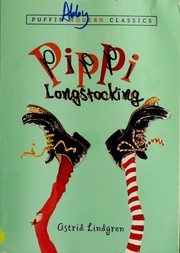
Pippi Longstocking
A super-strong nine-year-old lives alone in Villa Villekulla, upending school, circus and town rules with neighbors Tommy and Annika.
3,115-word summary · 14 min read

Nothing to See Here
A struggling young woman spends one summer caring for twins who burst into flame when upset, in this warm oddball novel.
2,167-word summary · 10 min read
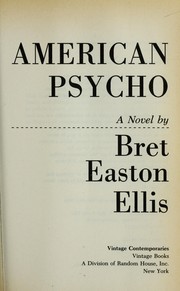
American Psycho
Patrick Bateman hides violent urges behind suits and reservations in Ellis's 1991 satire of 1980s Manhattan wealth, brands, and moral blankness.
2,837-word summary · 13 min read

Everything I Know About Love
Dolly Alderton recalls bad dates flatshares and female friendship in her twenties memoir.
2,194-word summary · 10 min read