
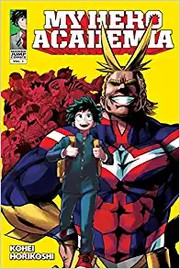
My Hero Academia, Vol. 1
2,705-word summary 12 min read 192 pages in the book
- First published
- 2014
- Publisher
- VIZ Media LLC
- Pages
- 192
- ISBN
- 9781421582696
- Series
- My Hero Academia (#1)
Reading options
What's inside (7 sections)
I came to My Hero Academia late, after hearing students talk about it for years, and Vol. 1 made the appeal obvious within about ten pages. This is the opening volume of Kohei Horikoshi's long manga series, first collected in Japanese by Shueisha on November 4, 2014, then in English by VIZ Media LLC on August 4, 2015, 192 pages, ISBN 9781421582696. The subtitle on the cover is Izuku Midoriya Origin. That is exactly what it is. Seven chapters that take one powerless kid from crying in front of a hero video to standing at the gate of the top hero school in Japan with a broken arm and a new name for his power.
The setup is simple and does the heavy lifting for everything after. About eighty percent of people have a Quirk, some small mutation that gives them power. Heroes are licensed pros who stop villains and rescue civilians. Villains use their Quirks to hurt and steal. Middle schooler Izuku Midoriya was born in the twenty percent with nothing. He still wants to be like All Might, the Symbol of Peace, the grinning giant who saves everyone with a laugh. His mother Inko apologized to him when the doctor confirmed it. His classmate Katsuki Bakugo has tormented him since they were four. Nobody around him treats his dream as serious except Izuku himself, who fills notebook after notebook with hero analysis while getting told to be realistic.
What I liked right away is that Horikoshi draws effort as a visible thing. Sweat, shaking hands, torn shoes, pages of notes with arrows and guesses. Izuku is not cool about being weak. He cries, he mumbles, he freezes. Then he moves anyway. That pattern repeats all through this volume, and it never felt cheap to me, because the book keeps showing the cost.
Quirkless in a world that grades power
The first chapter lays out Musutafu and Izuku's place in it with fast, crowded panels. We meet Izuku at school getting shoved by Bakugo and his friends, Bakugo with his explosion Quirk popping blasts into Izuku's desk to scare him. Bakugo calls him Deku, a mean twist on his first name that reads as someone who can do nothing. The teacher hands out career sheets and laughs when Izuku says he wants to apply to U.A. High, the elite hero course. Bakugo tells him to give up, or to pray for a Quirk in the next life. It is harsh even by school bully standards, and Horikoshi does not soften it. Bakugo is talented, confident, and cruel in the way kids who have always been praised can be cruel.
At home Inko tries to be kind and still says the wrong thing, that she is sorry, as if Izuku's body is her fault. Izuku watches old footage of All Might saving a hundred people from a disaster, the debut video where All Might smiles through dust and says it is fine now, why, because he is here. That line becomes the spine of the whole series. Izuku mouths it to himself on the way home.
Then the sludge villain attacks. A green bottled mass with eyes grabs Izuku in a tunnel and tries to wear him like a suit. All Might drops in, literally, and punches the sludge apart with one Detroit Smash that changes the weather. It is a great entrance, all teeth and shadow and bulk, with little speed lines everywhere. All Might bottles the villain, signs a fan's notebook, and tries to leave. Izuku clings to his leg in midair and gets carried to a rooftop, where he asks the question that has been eating him for years. Can someone without a Quirk still become a hero.
All Might deflates. This is the first big reveal of the volume. Under the muscle form is Toshinori Yagi, thin, hollow eyed, coughing blood, with a caved in side from an old injury. He tells Izuku the truth as he sees it. Being a pro is dangerous, Quirks matter, and chasing U.A. without one will likely get him killed. He says no, not with that body, and leaves Izuku on the roof with the words hanging. I thought that scene worked because All Might is not mean about it. He is tired and practical, and that makes it land harder than Bakugo's taunts. Izuku walks home in the rain past the video store and wonders if everyone was right.
What turns it is not a speech. Izuku sees Bakugo caught by the same sludge villain under an overpass, held by the throat, heroes standing around because their Quirks do not fit a hostage made of goo. Mount Lady cannot fit in the street. Death Arms cannot strike without hurting the boy. Backdraft's water would splash off. Izuku's legs move before his head agrees. He throws his backpack, claws at the sludge eyes, screams Bakugo's name. It is reckless and useless on paper, and it is the bravest thing in the book. All Might watches from the crowd and later says his own body moved too, past his limit, to save them both with a punch that breaks his time cap. That rescue buys the rest of the story. All Might sees himself in Izuku, not the power but the instinct to run toward trouble.
You can become a hero, and the beach full of trash
All Might finds Izuku the next day and makes the offer. His Quirk, One For All, can be passed on. It stockpiles power and can be inherited by someone deemed worthy. All Might ate to get it, or rather ingested part of his master, and now Izuku can inherit it the same way. All Might tells him plainly, you can become a hero. Izuku cries so hard he can barely answer.
But there is a catch that fills the next two chapters. Izuku's body cannot hold One For All yet. It would tear his limbs apart. All Might gives him ten months until the U.A. entrance exam and a training plan that looks like a joke and feels like punishment. Clean up Takoba Municipal Beach Park, a shoreline buried under refrigerators, tires, and old boats. Every day, run, drag, lift, eat, sleep, study. Horikoshi montages this with Izuku getting visibly thicker, hands blistered, back stronger, while All Might shouts through a whistle and Inko watches her son come home filthy and happy.
I liked this stretch more than I expected for a training arc. It has humor, All Might shrinking to skeleton form to nap in a coat, Izuku failing pull ups, the beach barely changing for weeks. It also has a clear point. Heroes do community work, not just punching. Cleaning the beach is rescue in slow motion. By the exam, the beach is clear sand, Izuku can see his own muscles, and All Might strands a lock of his hair out and tells Izuku to eat it. Izuku does, gagging. The transfer is gross and funny and oddly sweet. No ceremony, just trust.
There are smaller beats here that pay off later. Bakugo keeps scowling from a distance, confused that Deku suddenly trains. Inko finds the training plan and realizes All Might is involved. Present Mic does not appear yet except as a voice on posters. The volume keeps focus tight on two people, a dying giant choosing an heir and a boy trying to deserve it. The art gets denser in these chapters, sweat drops and trash piles and seagulls, and Horikoshi's faces do a lot of work. All Might's grin looks different when you know the man underneath is bleeding.
If I have a complaint about this middle, it is that Inko gets little to do beyond worry and apologize. She reads as loving but flat here. Bakugo also reads as almost purely cruel in these early pages, with only hints of the pride and fear driving him. Later volumes round both of them out. In Vol. 1 they serve Izuku's story more than their own.
The entrance exam and zero points with rescue
Chapters four through six are the exam, and they move fast. Izuku arrives at U.A. with thousands of other kids. Present Mic, the loud blond hero, explains the practical on a stage with video screens. Fake villain robots worth one to three points roam a mock city center. There is also a zero pointer, a giant obstacle to avoid, worth nothing, there to get in the way. Tenya Iida, a tall boy with glasses and engine legs, scolds Izuku for muttering and fidgeting. Ochaco Uraraka, a round faced girl who stopped Izuku from falling at the gate, smiles at him. Izuku walks in with One For All humming under his skin and no idea how to control it.
The test starts badly. Everyone else has trained Quirks and support gear. Izuku freezes, calculates, trips, saves his power because he is afraid one punch will break him and end his chance. With minutes left he has zero points. Then the zero pointer rises near Ochaco, who is pinned under rubble with her ankle caught. The other examinees run. Izuku runs the other way. He jumps, focuses One For All into his arm, and smashes the robot's head with a full power Detroit Smash that shatters his own arm and both legs on landing. He catches Ochaco on the way down. Recovery Girl later heals him while scolding him for wrecking himself.
This is the scene that sold me. Horikoshi stages it with huge vertical panels, the robot looming, Izuku tiny in the air, then impact. The choice mirrors the sludge rescue. Izuku again spends his one chance to help someone else. The exam judges see it. U.A. secretly awards rescue points alongside villain points, judged by heroes watching the feeds. Present Mic announces results by hologram. All Might, as the new teacher, delivers Izuku's acceptance in a recorded message. Izuku scored zero villain points in the practical and sixty rescue points, enough to pass. He collapses crying into his mother's arms. Bakugo passed too, top of the practical, and hates that Deku got in.
There is a lot of useful detail packed around the action. U.A. sits on a hill past the gates with glass towers and training grounds. The written exam matters but the practical decides. Recovery Girl kisses injuries to heal them at the cost of stamina. The zero pointer exists to test character, not strength. None of this is explained in dry boxes. It comes through announcements, crowd reactions, and Izuku's notebook margins. The volume teaches its school the way Izuku learns it, by failing in public and getting patched up after.
One fair knock. The exam logic is generous to the hero. Sixty rescue points for one punch feels like the fix is in, and it is, because All Might and the staff wanted a successor. Readers who like hard rules may find the scoring convenient. I accepted it because the book frames hero work as judgment under pressure, not just takedowns. Still, Bakugo fans have a point when he scoffs. From outside, it looks like favoritism.
Class 1-A, Aizawa, and I am here
The last chapter slows down just enough to set the table. Izuku arrives in Class 1-A, homeroom of the hero course. The classroom is huge, with desks in rows and a podium. Iida introduces himself stiffly and apologizes for judging Izuku at the exam. Ochaco thanks Izuku and calls him Deku without knowing it was an insult, then says she likes it because it sounds like someone who never gives up. Izuku decides to keep the name as his hero name. Bakugo slouches with his feet on the desk and glares. A few future regulars flash by in the background, a boy with two toned hair, a girl with black ponytail, a red haired boy with sharp teeth. Horikoshi does not name most of them yet. He lets the room feel full.
Then their homeroom teacher arrives in a sleeping bag on the floor. Shota Aizawa, Eraser Head, unshaven and dry eyed, tells them to put on gym uniforms and meet outside for a Quirk apprehension test. No orientation, no speeches. He says anyone who fails gets expelled on the spot. Bakugo throws a softball with an explosion and sets the bar. Izuku realizes his finger will break if he uses One For All raw. The chapter ends on that tension, with All Might bursting through the door in muscle form shouting that he is here, now a teacher at U.A. alongside the others.
As a stopping point it works well. Izuku has power but no control. He has classmates but no friends yet, except a tentative start with Iida and Ochaco. He has a mentor whose time is running out. All Might can only hold form for a few hours a day now, less after the sludge fight. The book tells you this plainly. The Symbol of Peace is fading, and the boy who inherited his flame breaks bones when he uses it.
The art in this closing section is my favorite in the volume. U.A. looks bright and clean after the grimy beach and dark tunnels. Costumes start appearing, Izuku in a green jumpsuit with red boots that his mother patched, Bakugo with grenade gauntlets and a huge collar. Horikoshi loves gear and gives each kid a silhouette you can read at a glance. Faces stay expressive even in crowds. When Izuku smiles after the acceptance letter, he looks exhausted and young, not triumphant.
What does not hold up as well. The comedy around Minoru Mineta, who peeks in briefly, already feels off, leering jokes that later volumes lean on too hard. Some pages are so packed with speed lines and sound effects that I lost track of limbs. New manga readers may find the right to left flow plus the dense action a lot to track during the robot fight. And girls get less room here. Ochaco is warm and brave, but her motive, helping her parents with money, gets one short speech while the boys get pages of inner debate. Later books give her more. In Vol. 1 she mostly saves Izuku emotionally while he saves her physically.
Even with those caveats, this is a strong opening. It sets rules, stakes, and heart without stalling. A powerless kid earns power by acting heroic before he has any right to win. A dying hero bets his legacy on kindness over talent. A school promises to test both. If you finish these 192 pages and do not want Vol. 2, when Aizawa starts the ball throw and Izuku has to think instead of smash, I would be surprised. I ordered it the same night.
How to read Vol. 1 if you are new to manga
A couple of practical notes helped me. Read right to left, top to bottom, and follow the speech tails rather than the panel size. Horikoshi sometimes puts the punchline small in a corner while the punch fills the page. Slow down during the sludge fight and the zero pointer smash. Those spreads repay a second look.
The English edition from VIZ keeps honorifics light and sound effects translated with small notes. Names follow Western order in dialogue but the class lists keep Japanese order in spots, so Izuku Midoriya and Midoriya Izuku are the same person. The age rating is Teen, and that feels right. There is bullying language, bloody noses, broken bones, and one villain made of filth who swears in sludge. Nothing graphic beyond shonen norms, but Bakugo telling Izuku to jump off a roof is ugly on purpose. If you hand this to a younger reader, it is worth a quick heads up that the book condemns that behavior through All Might and Iida rather than excusing it.
My edition talk follows the VIZ paperback, 192 pages. The Japanese tankobon from Shueisha runs the same seven chapters with a few extra character sketches between them. Either way the story stops at the same doorstep, first day of school, teacher in a sleeping bag, All Might grinning in the hall. Start there and keep going.
FAQ
When was My Hero Academia, Vol. 1 published?
The Japanese tankobon came out from Shueisha on November 4, 2014. The cited English paperback is from VIZ Media LLC (2015), 192 pages, ISBN 9781421582696.
Is this book part of a series?
Yes, as My Hero Academia volume 1, subtitled Izuku Midoriya: Origin. It covers chapters 1 through 7, ending on Izuku's first day in Class 1-A.
Is Vol. 1 a good starting point for new manga readers?
Yes for teens and up. Expect bullying language, bloody noses, and broken bones at shonen level. It reads right to left and needs no prior knowledge.
Similar books
More from My Hero Academia first, then related titles.
Saving the World and Other Extreme Sports
Max and the flock split in two to take down the lab behind their lives, one half in California and the other in Europe.
2,175-word summary · 10 min read
Demon Slayer: Kimetsu no Yaiba, Vol. 1
Tanjiro joins the corps after demons kill his family and turn Nezuko.
2,478-word summary · 11 min read
School's Out - Forever
The bird kids try normal school under FBI guard until hunters crash class and chase them to Itex in Florida.
2,584-word summary · 11 min read
Fairy Tail, Vol. 1
Lucy joins rowdy Fairy Tail guild with fire boy Natsu and cat Happy.
2,049-word summary · 9 min read
One Piece, Volume 1: Romance Dawn
Rubber boy Luffy gathers Zoro and Nami to punch tyrants and share meat.
2,216-word summary · 10 min read
Naruto, Vol. 1: Uzumaki Naruto
Naruto Uzumaki fails his ninja exam, steals a forbidden scroll, and lands on Team 7. A full chapter by chapter retelling of Vol. 1 plus Kishimoto context.
2,942-word summary · 13 min read
Hard Luck
Rowley has a girlfriend, so Greg turns to a Magic 8 Ball, a family Easter hunt and the school yearbook for answers.
2,586-word summary · 11 min read
Chainsaw Man, Vol. 1: Dog and Chainsaw
A broke teenage devil hunter and his chainsaw dog get a second life, a government leash, and a fight that stops mid-swing in Fujimoto's horror comedy.
2,584-word summary · 11 min read

Heist Society
A teenage art thief gets expelled from boarding school, then has two weeks to steal five paintings back from a London museum and clear her father.
2,781-word summary · 12 min read
Grip of the Shadow Plague
A plague turns Fablehaven's creatures of light into shadows while Kendra hunts an artifact in Arizona and Seth races to find the cause.
2,131-word summary · 9 min read

Starsight
Spensa Nightshade goes undercover aboard the Superiority space station Starsight to steal a hyperdrive, and finds a frightened bureaucracy where she expected…
2,568-word summary · 11 min read
Heir to the Empire
Grand Admiral Thrawn returns from the Unknown Regions and outmaneuvers the New Republic while Luke, Leia, Han and smuggler Talon Karrde race him toward…
2,323-word summary · 10 min read
The Third Wheel
Greg tries to find a date for the Valentine's dance, ends up the third wheel in his own plan, and watches Rowley get the girl.
2,019-word summary · 9 min read
The Battle for Skandia
Will and Evanlyn are still hiding in the Skandian mountains when Halt and Horace arrive with word of a Temujai invasion that could roll on to Araluen next.
2,248-word summary · 10 min read

Never Fade
Ruby, now a leader in the Children's League, must track down the boy whose memories she erased, because he holds the only proof of what caused the disease that…
2,188-word summary · 10 min read
Harriet the Spy
Eleven year old Harriet Welsch fills notebooks with honest, often cruel observations about her neighbors, until her classmates read one and turn her spy route…
2,510-word summary · 11 min read
Stormbreaker
A fourteen-year-old boy loses his uncle, then his ordinary life, when MI6 sends him undercover to a Cornish computer plant where the giveaway machines hide a…
2,822-word summary · 13 min read
His Majesty's Dragon
When Captain Will Laurence's crew captures a French frigate carrying a dragon egg, the hatchling chooses him, and he trades the Navy for Britain's Aerial Corps.
2,405-word summary · 11 min read
The Rise of Nine
John, Six and Nine race to India to find Eight before the Mogs strike.
2,321-word summary · 10 min read
The Republic of Thieves
Locke and Jean rig an election while Locke faces Sabetha, his lost love and rival.
2,433-word summary · 11 min read

Cibola Burn
Settlers and a company fight over a new world while Holden tries to stop a war.
2,011-word summary · 9 min read
Redwall
A novice mouse hunts for Martin the Warrior's lost sword while Cluny the Scourge besieges Redwall Abbey.
2,727-word summary · 12 min read
Radio Silence
Head girl Frances loves a secret podcast made by shy Aled, and both crack under A-levels in Oseman's warm 2016 story of friendship, fandom, family and choosing…
2,778-word summary · 12 min read
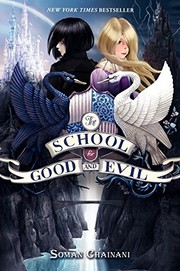
The School for Good and Evil
Best friends Sophie and Agatha are taken to fairy tale school and sorted to wrong sides.
2,042-word summary · 9 min read
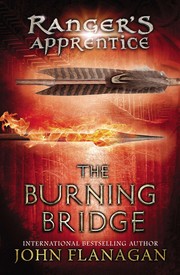
The Burning Bridge
Will and Horace burn Morgarath's secret bridge, meet Evanlyn, and face capture and a duel that decides a war.
2,412-word summary · 11 min read
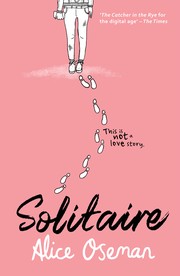
Solitaire
Gloomy Tori Spring hunts school prank group Solitaire with odd Michael Holden while brother Charlie heals.
2,068-word summary · 9 min read
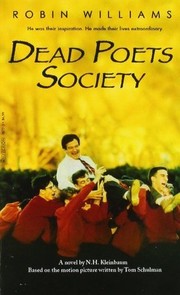
Dead Poets Society
Keating tells Welton boys to seize the day and his secret club costs more than grades.
2,031-word summary · 9 min read
Spy x Family, Vol. 1
Spy Twilight builds fake family with assassin wife and telepath child.
2,201-word summary · 10 min read
Red Seas Under Red Skies
Locke and Jean flee to Tal Verrar for Sinspire job and pirate press.
2,106-word summary · 9 min read
Crux
Two broke Mojave teens chase pro climbing dreams as friendship, class gaps, and family strain pull Dan and Tamma apart.
2,489-word summary · 11 min read