
Reading options
What's inside (8 sections)
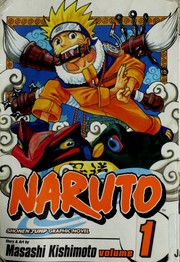
I came to this volume late, after years of seeing orange jumpsuits and headbands at conventions and hearing friends argue about which ninja deserved more screen time. I expected a fast action comic for kids. What I found in these early pages was slower and sadder than the reputation suggests, at least at the start. This is the opening of a very long manga by Masashi Kishimoto, and this first book collects chapters 1 through 7. The Japanese tankobon came out from Shueisha in March 2000 after serialization began in Weekly Shonen Jump in September 1999. The cited English paperback is from VIZ Media LLC in August 2003, 192 pages, ISBN 9781569319000, listed as Naruto series #1. It opens with a lonely boy painting a monument and ends with his new teacher telling his team they should quit.
That shape surprised me. I thought volume one would rush to big fights. Instead Kishimoto spends most of it on school, pranks, and a test that is really about trust. The fights are short. The talk is long. By the end I understood why people stuck with it, and also why some readers bounce off these first chapters.
The fox, the prank, and Iruka
The book starts with a piece of history. Twelve years before the main story, a Nine-Tailed Fox spirit attacked the Village Hidden in the Leaves, called Konoha. The village leader, the Fourth Hokage, gave his life to seal the fox inside a newborn baby. That baby is Naruto Uzumaki. He grows up with no parents, no explanation, and a village that treats him with cold stares and closed doors. Adults know what he carries. He does not. He only knows that people dislike him and he cannot get them to say why.
Kishimoto introduces Naruto mid-prank. He has painted crude colors and silly faces all over the Hokage Monument, the cliff carved with the faces of past leaders. It is the most visible place in the village. That choice tells you a lot. Naruto wants to be seen, even if it is for trouble. The Third Hokage, the old man now leading the village, catches him and scolds him without real anger. His teacher Iruka Umino drags him back to school, annoyed but not cruel. In class the next test is the Transformation Technique. Other kids manage a decent copy of themselves. Naruto tries a variation he calls the Sexy Technique and causes chaos instead of passing. He fails the graduation exam the next day because he cannot perform the basic Clone Technique. He sits alone while his classmates celebrate.
What lands here is how plain Naruto's hurt feels. He announces loudly that he will become Hokage, the strongest and most respected ninja in the village. Other kids laugh. Teachers sigh. He says it again anyway. It reads less like confidence and more like a plan to force people to say his name with respect. Kishimoto draws him small in big empty rooms, shouting to fill the space. I felt for him even when the jokes were broad.
That night the story turns. A friendly instructor named Mizuki tells Naruto that he can pass if he steals the Scroll of Seals and learns one technique from it. Naruto does it. He sneaks out, takes the large scroll, and runs into the woods to practice. Iruka finds him first. Then Mizuki shows up with a different face. He wants the scroll for himself. To pull Naruto to his side, Mizuki tells him the truth about the fox sealed inside him and says the village hates him for it. He adds that Iruka must hate him too, because the fox killed Iruka's parents.
The fight that follows is short and emotional. Iruka takes a hit meant for Naruto. He tells Naruto that he does not blame him for what the fox did. He says they are alike, both lonely, both without parents, both wanting notice. Naruto, who has just learned the Multiple Shadow Clone Technique from the scroll, makes dozens of solid copies of himself and overwhelms Mizuki. The Third Hokage calls off the search. Iruka gives Naruto his own forehead protector and passes him. For the first time Naruto has a bond that is stated out loud. Someone sees him as a person rather than a container.
I liked this opening pair of chapters more on a second read. The prank humor is crude and the Sexy Technique gag gets old fast. But the Iruka scene earns its place. It gives Naruto a reason to keep shouting about Hokage that goes past ego. He has been acknowledged once. He wants to feel that again on a larger scale.
Konohamaru and the meaning of a name
Chapter 2 steps aside from ninja school for a breather. Naruto meets Konohamaru Sarutobi, a small boy who is trying to ambush the Third Hokage. Konohamaru is the Third's grandson. People treat him as the honorable grandson first and as himself second. He hates that. He declares that he will become Hokage so people will learn his name. Naruto hears his own wish coming out of a smaller mouth and decides to train him.
Their teacher for about ten pages is mischief. Konohamaru has learned the Sexy Technique but cannot make it work on trained adults. His tutor Ebisu, a stiff young man in sunglasses who thinks Naruto is a bad influence, shrugs it off. Naruto then shows the improved version, the Harem Technique, with many copies at once. Ebisu falls over. Konohamaru is impressed and then thoughtful. He tells Naruto that he cannot keep leaning on Naruto's trick if he wants the title for himself. He ends the student link on friendly terms.
Some readers skip this chapter as filler. I think it restates the theme in a cleaner form. In chapter 1, Naruto wants the Hokage title to erase loneliness. Here Konohamaru wants the same title to escape a family label. Both boys think a title will fix how people see them. The book does not argue with them yet. It just shows two versions of the same hunger. The humor is still crude, with transformation gags and nosebleeds, and Ebisu is a thin joke about strict tutors. But the pages move quickly and give Naruto a kind moment as an older brother figure, which he rarely gets elsewhere in this volume.
Team 7 forms, badly
Chapter 3 puts the new graduates into three person squads. Naruto ends up with Sakura Haruno, the girl he likes, and Sasuke Uchiha, the boy he resents. Sakura likes Sasuke and is open about being disappointed to be stuck with Naruto. Sasuke is quiet, skilled, and liked by almost everyone. He comes from the Uchiha clan and carries a private goal involving a certain person he wants to kill. The book only hints at that here.
Naruto handles rejection with a jealous scheme. He ties up Sasuke during a break, uses the Transformation Technique to look like him, and tries to learn what Sakura really thinks. The plan collapses when nature calls and the real Sasuke gets free. Sakura, talking to who she thinks is Sasuke, insults Naruto for having no parents and for showing off to cover it. The real Sasuke overhears, tells her that her talk disgusts him, and walks off. Sakura feels ashamed and decides to be kinder. Naruto, stuck in a bathroom at the key moment, misses the whole exchange.
This chapter is uncomfortable in a way that feels true to school life and also thin as writing. Sakura gets little to do except judge boys. Sasuke gets mystery without detail. Naruto gets a punchline that makes him look worse before he looks better. Kishimoto is setting up a triangle that will carry hundreds of chapters, but here it runs on crushes and rivalry. I found Sakura's early portrait flat. She is sharp in class and quick to judge outside it, yet the book gives her no inner life past Sasuke. Sasuke reads as cool because other characters say he is cool. That works for twelve year olds forming teams, and it will wear on adult readers who want more from the start.
Still, the mechanics are clear. Konoha sorts kids into balanced cells. Each cell gets a jonin teacher. Naruto, Sakura, and Sasuke become Team 7. Their teacher will be Kakashi Hatake.
Kakashi and the two bells
Chapters 4 through 7 belong to Kakashi. He arrives late, reads an orange adult romance novel called Icha Icha in front of kids, and tells the team to introduce themselves with dreams. Naruto says Hokage. Sasuke says he will kill a certain man. Sakura says she likes someone, glances at Sasuke, and says she hates Naruto. Kakashi says he has many likes and dislikes and no dream he wants to share, then calls them hopeless. It is a funny scene that also sets the tone. This teacher will not praise them into confidence.
The graduation test is a survival exercise. Kakashi tells them not to eat breakfast, meets them the next day at noon, and shows two small bells. Three students, two bells. Whoever takes a bell before the time limit gets lunch and a place as a genin. The third goes back to school hungry. Naruto charges straight in. Kakashi reads through the attack, warns him about showing his blind spot, and sends him flying with a finger strike from behind that the translation calls One Thousand Years of Death. Sasuke and Sakura hide and watch. Naruto tries shadow clones. Kakashi swaps with one clone and leaves Naruto arguing with his own copies. Naruto sees a bell on the ground, reaches for it, and ends up tied to a stump. Sasuke tries shuriken and close work. Kakashi notes the effort and traps him too. Sakura looks for Sasuke, gets caught in a sound based illusion, and faints from fright at a false wound.
Sasuke gets the longest look in chapter 7, titled Kakashi's Conclusion. He moves well, uses the Fire Release Great Fireball Technique from his clan training, and forces Kakashi to close his book for a moment. Kakashi still pins him. Naruto frees himself, sneaks back for a boxed lunch, and gets caught with chopsticks in hand. Kakashi ties all three to posts and gives his verdict. There is no need for them to return to the Academy, he says, but they should give up on becoming ninja.
That line is where the volume ends. It sounds harsh. In context it is a lesson about the test design. Two bells for three people was never about speed or strength. Kakashi wanted to see if they would work as a unit against a far stronger foe. They each fought alone for a bell and a meal. Sakura chased Sasuke instead of watching her own front. Sasuke treated the others as weight. Naruto treated the test as a duel. Kakashi, who keeps his face masked and one eye on his book, saw all of it. Readers who know what comes next will recognize the pattern. The team that shares food and plans together passes. The team that scrambles solo fails.
I found the bell test both satisfying and slow. The tactics are fun to follow, especially how Kakashi uses substitution, clones, and simple traps rather than flashy power. The pacing drags in the middle when Naruto fights his own clones and argues out loud. The joke about the adult novel repeats until it stops being funny. The illusion scene with Sakura feels cheap, since fear makes her freeze while the boys get to trade blows. Yet the final page lands. After six chapters of shouting about Hokage, Naruto hears that wanting the title is not enough. He has to think like part of a cell.
New readers should know where the larger mission fits. This volume does not stage the Land of Waves escort in full. It does not bring out the swordsman Zabuza for a long fight. Those pages belong to volume 2 and beyond. Volume 1 closes on the failed test and the warning. The bridge builder Tazuna, the Demon Brothers ambush on the road, the mist swordsman, and the longer teamwork trial all come after. If you finish this book expecting Zabuza, keep going. The setup here is the reason that mission will hurt. Team 7 has not earned trust yet.
Jump, Kishimoto, and how this looks
Some background helps explain why this opening feels both rushed and careful. Masashi Kishimoto was born in 1974 in Okayama. He loved manga as a kid, studied art, and sent work to Shueisha in the 1990s. His early one shot Karakuri won notice but his first short serial did not hold. Naruto began as a one shot about a fox spirit boy and then as a weekly serial in Weekly Shonen Jump in September 1999. Weekly serials live or die by reader surveys. Kishimoto had to hook kids fast with gags and fights while planting a longer story about loneliness and work.
The art shows that pressure. Faces are round and open. Naruto's whisker marks, goggles at first, and bright blond hair pop against darker coats and trees. Motion lines are thick. Hands and feet wobble in places. Backgrounds drop out during talky scenes and return for roofs, fences, and the Hokage rock face. Fight staging is clear even when anatomy slips. You can follow who is where, which clone is real, and how Kakashi slips away. Later volumes get sleeker and more detailed. Here the line is loose and eager.
Kishimoto also leans on Japanese ninja lore without drowning new readers. Headbands mark rank and village. Hand signs shape techniques. Scrolls hold sealed knowledge. Ramen shops anchor daily life. The book reads right to left, which the English edition keeps, with sound effects retouched and notes where needed. At 192 pages it is a quick read in one sitting, though the density of small panels makes some spreads feel packed.
Greetings. With everyone's support, my first comic has been published. I am ecstatic. This time is ten times better than winning my first award. I do not know how to say it, but this is the happiest moment of my life. I am happiest knowing that this comic will be read and enjoyed.
That note, printed at the back of the Japanese first volume, fits the pages before it. Kishimoto sounds relieved and excited rather than polished. The volume reads the same way.
What works and what drags
What works starts with Naruto himself. He is loud, rude, and needy, but his need has a source. The village punished him for something done to him as a baby. Iruka's approval does not fix that history. It only proves that change is possible. Sasuke's cool act and Sakura's crush act make more sense once you see them as kids performing roles they learned at home and school. Kakashi steals every scene because he refuses to perform at all. He is late, vague, and amused, yet he watches closely. His test rewards care over talent, which gives the school story a point.
The theme work is simple and repeated without apology. A name should be earned. A team should share risk. Strength without notice feels empty. Those ideas show up in the fox secret, in Konohamaru's complaint, in the bell rules, and in the final scolding. Repetition helps younger readers. It may tire older readers who want variation sooner.
What drags is easy to name. The early humor leans on the Sexy Technique and bathroom jokes. One such gag charms. Four in one volume feels like stalling. Sakura gets the worst of it, written as eyes for Sasuke rather than as a ninja with her own skill. The book tells us she is smart yet shows her freezing or chasing. Sasuke gets mystery without motive here, which reads as blankness until later volumes fill the gap. The middle of the bell test sags, with clones shouting at clones and traps explained twice. Readers who want the famous bridge fight will find only the door to it.
I would still tell a new manga reader to start here rather than with a later volume or a wiki summary. You need to see how low Naruto starts, how little his peers trust him, and how bluntly Kakashi grades him. The later missions hit harder when you remember tied hands and cold lunch boxes. If crude jokes put you off, skim them and stay for Iruka and Kakashi. Those two adults do the most to shape what Naruto becomes. One gives him a headband. The other tells him a headband is not enough.
For parents and teachers, the age rating Teen fits. Expect potty humor, schoolyard fights, a bloody betrayal by Mizuki, and talk of a demon fox sealed in a child. There is no graphic gore in these chapters. The scariest image is social, a whole village turning away from a kid. The book needs no prior knowledge of Japan or ninja stories. Right to left reading takes ten pages to learn. After that the flow feels natural.
I closed the book thinking less about powers and more about attention. Naruto paints a mountain because he cannot get a single adult to look at him. Konohamaru hires him because titles hide people. Kakashi hides behind a book to see who looks past the trick. That thread ties the prank, the training, and the test into one idea. Being seen matters. Being useful matters more. Volume 1 gives Naruto the first. It makes him wait for the second.
FAQ
Which chapters does Naruto, Vol. 1 cover?
Chapters 1 through 7. It opens with Naruto painting the Hokage Monument and ends with Kakashi telling Team 7 to give up on becoming ninja. The escort mission and the swordsman Zabuza belong to Vol. 2.
When was Naruto, Vol. 1 published?
The Japanese tankobon came out from Shueisha in March 2000 after serialization began in Weekly Shonen Jump in September 1999. The cited English paperback is from VIZ Media LLC (2003), 192 pages, ISBN 9781569319000.
Is Vol. 1 a good starting point for new manga readers?
Yes, for teens and up. Expect potty humor around the Sexy Technique, schoolyard scraps, and one bloody betrayal. It reads right to left, runs 192 pages, and needs no prior knowledge.
Similar books
More from Naruto first, then related titles.
Demon Slayer: Kimetsu no Yaiba, Vol. 1
Tanjiro joins the corps after demons kill his family and turn Nezuko.
2,478-word summary · 11 min read
Chainsaw Man, Vol. 1: Dog and Chainsaw
A broke teenage devil hunter and his chainsaw dog get a second life, a government leash, and a fight that stops mid-swing in Fujimoto's horror comedy.
2,584-word summary · 11 min read

Starsight
Spensa Nightshade goes undercover aboard the Superiority space station Starsight to steal a hyperdrive, and finds a frightened bureaucracy where she expected…
2,568-word summary · 11 min read
Magician: Apprentice
An orphan kitchen boy and a smith's son grow up in a frontier castle just as invaders from another world open a rift and begin a war that will change both of…
2,114-word summary · 9 min read

In the Hand of the Goddess
Alanna, still disguised as a boy, survives war, court plots, and a death duel as the Goddess's chosen warrior in the second Song of the Lioness book.
2,018-word summary · 9 min read
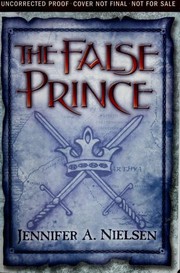
The False Prince
A nobleman buys four orphans and tells them only one will survive to impersonate the missing prince. The narrator, a defiant thief named Sage, has other plans.
2,044-word summary · 9 min read
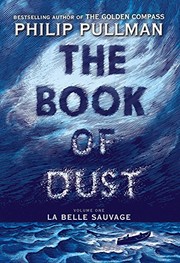
La Belle Sauvage
Philip Pullman's prequel to His Dark Materials follows eleven-year-old Malcolm Polstead as a secret message, a hunted baby, and the flood of the century carry…
2,530-word summary · 11 min read
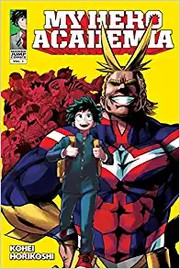
My Hero Academia, Vol. 1
Quirkless Izuku inherits All Might's power, trains ten months, and breaks bones to save Ochaco at the U.A. exam.
2,705-word summary · 12 min read
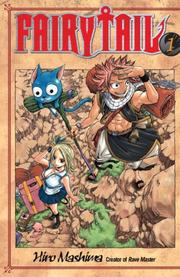
Fairy Tail, Vol. 1
Lucy joins rowdy Fairy Tail guild with fire boy Natsu and cat Happy.
2,049-word summary · 9 min read
Alanna: The First Adventure
Twins swap roles so Alanna trains as boy page Alan for knighthood while Thom studies sorcery.
2,107-word summary · 9 min read
The Goose Girl
A shy princess loses her name on the road to her wedding and must earn it back as a palace goose girl in this Grimm retelling.
2,357-word summary · 10 min read

Tress of the Emerald Sea
A cup collecting girl stows away on pirates to rescue Charlie from a sorceress.
1,976-word summary · 9 min read
One Piece, Volume 1: Romance Dawn
Rubber boy Luffy gathers Zoro and Nami to punch tyrants and share meat.
2,216-word summary · 10 min read
Fruits Basket, Vol. 1
An orphaned teen moves in with a cursed family who turn into zodiac animals, and slowly finds where she belongs.
2,284-word summary · 10 min read
Fairy Tale
A grieving teen cares for a recluse and his old dog, then finds a shed well leading to Empis, a fading world at war.
3,203-word summary · 14 min read
A Wizard of Earthsea
A proud goatherd becomes the wizard Ged, looses a shadow at Roke, and must hunt it across Earthsea to name it. Le Guin's lean 1968 series opener.
2,972-word summary · 13 min read
The Thief
A boastful young thief is pulled from a prison to steal a legendary stone for the king's magus, and the story he tells about himself is not the whole story.
2,514-word summary · 11 min read

The Blinding Knife
Kip trains to join the Blackguard while the Prism hides his true identity, loses his colors, and fights a war against a rogue drafter who wants to birth a god.
2,049-word summary · 9 min read
Ship of Magic
A sentient ship wakes when her captain dies, and the family that owns her starts to come apart over who gets to sail her.
2,026-word summary · 9 min read

Inkdeath
The final Inkworld novel sends Mo into the land of the dead, leaves Meggie choosing between two boys, and ends the Adderhead's immortality with three written…
2,062-word summary · 9 min read

Dawnshard
Rysn sails toward forbidden Akinah to save her dying larkin and finds a Dawnshard guarded by the Sleepless.
3,229-word summary · 14 min read

Bone, Vol. 1: Out from Boneville
Three cartoon cousins are run out of Boneville, separated by locusts, and dropped into a valley where rat creatures and an old grudge are waiting.
2,155-word summary · 10 min read

Vow of Thieves
Kazi and Jase return to Tor's Watch to find it occupied, and their marriage is tested by captivity, betrayal, and a war for the town of Hell's Mouth.
2,059-word summary · 9 min read

The Icebound Land
Captured and enslaved in Skandia, Will fights a drug that erases him while Halt and Horace cut a bloody road through Gallica to bring him home.
2,088-word summary · 9 min read

The Field Guide
Three siblings move into a creepy Maine estate, anger a brownie, and find a forbidden guide to the fairy world in the first Spiderwick book.
2,033-word summary · 9 min read

Magic Burns
A magic flare hits Atlanta, and mercenary Kate Daniels must recover stolen maps, find a missing witch, and keep a teenage girl alive while Celtic gods try to…
2,021-word summary · 9 min read

The Secret of the Nagas
Shiva hunts the Naga who attacked Sati, discovers her hidden twin sister and lost son, and follows the trail to the Naga capital of Panchavati.
2,442-word summary · 11 min read

Secrets of the Dragon Sanctuary
Kendra is replaced by a plant copy and held by the Society, while Seth steals a unicorn horn so the family can enter a dragon sanctuary.
2,590-word summary · 12 min read

Lioness Rampant
Alanna searches for the Dominion Jewel with the Shang Dragon, then returns to Tortall to face Duke Roger at Jonathan's coronation.
2,478-word summary · 11 min read

Archenemies
Nova steals for the Anarchists while Adrian hides his Sentinel identity, and a serum that erases prodigy powers puts them both at risk.
2,485-word summary · 11 min read