
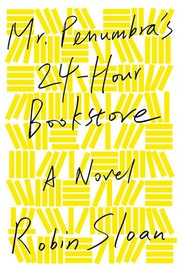
Mr. Penumbra's 24-Hour Bookstore
2,296-word summary 10 min read 288 pages in the book
- First published
- 2012
- Publisher
- Farrar, Straus and Giroux
- Pages
- 288
- ISBN
- 9780374214913
Reading options
What's inside (8 sections)
I wanted a cozy book about books and got a heist about immortality with Google glasses. Mr. Penumbra's 24-Hour Bookstore by Robin Sloan was first published in 2012 by Farrar, Straus and Giroux, a 288 page hardcover with ISBN 9780374214913. Sloan worked at Twitter, and it shows in the best way. The novel loves both dusty shelves and server racks, and refuses to pick a side. I read it in a weekend, smiling a lot, underlining lines about how we read now.
Clay Jannon narrates. He is a San Francisco designer in his twenties, laid off when a bagel startup fails, living on little, applying everywhere. He sees a help wanted sign in a strange tall bookstore in Chinatown. Mr. Penumbra, old, kind, precise, hires him for the night shift with odd rules. Do not browse the high shelves. Do not read the borrowers books. Log every borrower in detail. The store sells a few normal books up front. The real business is lending weird coded volumes to a small society of seekers.
Clay gets bored at 3 a.m., which is the engine. He sketches borrowers. He wonders why no one ever buys. He opens a book he should not and finds pages of cipher. Then he does what a designer does. He models it. He scans, charts, and with friends, cracks that the books encode a puzzle left by a fifteenth century printer who wanted to live forever.
Night shift
The opening chapters nail precarious work. Clay sends resumes into voids. He eats cheap noodles. He takes the night job because rent beats pride. Penumbra store is perfect night shift gothic. Tall ladders, dim lamps, a bell that rings rarely. Borrowers arrive at odd hours. Old men with code names. A woman who smells of paper and money. Clay writes physical descriptions as ordered. Tall, limp, left handed, asks for water. The log becomes a database before he knows it.
His friends make the book. Kat, a Google engineer who loves data and danger in equal measure, sleeps little and sees systems everywhere. Neel, his roommate and former Dungeons master, sold a company that makes digital breasts jiggle realistically and now funds chaos with cheerful loyalty. These two pull Clay from clerk to detective. Kat scans a whole book with a prototype headset. Neel builds a model of borrower behavior. Clay draws the store as an interface. Together they treat a 500 year old mystery like a startup sprint.
Penumbra himself is gentle and evasive. He loves tea, suits, and rules. He warns Clay that curiosity has costs in his order. He also slips Clay extra pay and looks the other way when Kat visits with gadgets. You sense he wants the puzzle solved but fears what solving means for his vows. That tension, loyalty to an old teacher versus hope for a new answer, drives his late choices.
A small gripe. Early tech talk dates a little. References to specific Google products and 2012 era tablets pinged me. It still works because Sloan cares about people using tools, not tools alone. A scanner is just a faster eye. A server is just a bigger notebook. Focus on that and the pages fly.
The codex and the cult
The borrowers belong to the Unbroken Spine, a fellowship devoted to Aldus Manutius, real Renaissance printer, and to his dream of eternal life through hidden knowledge. Members spend years copying, memorizing, and seeking a codex vitae, a master book that will grant the secret. They follow strict stairs. Novice, Fellow, Reader. Penumbra is high but stuck. Corvina, the leader, is brilliant, gray suited, and certain that computers profane the work.
Clay discovery is simple and clever. The borrower books all share a structure that looks random but hides a pattern when mapped. With Kat cloud computers, they find that the cipher is a vast acrostic across volumes, pointing to a location and a test. The Spine spent centuries doing by hand what a cluster can do in days. That imbalance thrills Kat and insults Corvina. Both reactions feel right. One sees liberation. The other sees cheating.
Sloan stages the reveal as a heist montage. Night scans. Secret uploads. A warehouse with humming racks. Neel negotiating for compute time with a straight face about breasts paying for books. Kat pulling strings at Google to visualize the pattern on a wall of screens. Clay, who cannot code at that level, contributes design thinking. How would a printer hide a message so only patient readers find it. His answer, about type and patience, is lovely and very bookish.
The code points to New York and to a reading test. Members must read a book the Spine provides and reproduce it from memory to prove devotion. Clay, with his designer memory for shapes rather than words, fails the way monks expect and succeeds the way printers might have intended. That twist reframes the whole quest. What if immortality was never about living forever, but about being read well by friends.
Critics sometimes call the middle too easy. The heroes get access, gear, and goodwill fast. I felt that when a Google executive hands over massive resources because the project is cool. Real companies have lawyers. But Sloan is writing a fable about collaboration, not a procedural. Accept the generosity and enjoy the momentum. The emotional math still balances, because every shortcut creates a debt to Corvina order.
New York and the test
The New York section shifts tone from San Francisco play to institutional weight. The Spine library is old wood, quiet shoes, and rules posted like scripture. Corvina receives Clay with courtesy and steel. He respects Penumbra, despises Kat methods, and offers Clay a place if he renounces shortcuts. Clay wants answers more than rank, so he agrees to try the old way first.
The reading test is brutal in a quiet way. A dense book, one reading, then recitation. Clay trains with Penumbra techniques. Memory palaces. Walks. Sleep. He fails, as expected, but learns how monks read. Slowly, aloud, with hands. That lesson changes him. He stops scanning for keywords and starts noticing sentences. Sloan, a tech optimist, gives print its due here. Screens find. Pages hold.
Kat does not sit still. While Clay studies, she models the codex differently and realizes the puzzle was designed to be solved with both hand and machine. The printer loved new type. He would have loved new chips. She and Neel build a respectful hack. Scan with permission where possible. Credit every hand that copied. Present the answer as a gift, not a theft. Their plan to win by generosity rather than stealth is the book moral in action.
Penumbra choice is the emotional peak. Called before Corvina to answer for Clay, he could recant and keep status. Instead he defends curiosity as the true Spine. Books are not relics, he says. They are tools to make new readers capable. He loses rank and gains freedom, walking out with Clay into snow. I cheered. An old man choosing a young clerk over an old order feels like the future done right.
A note on pace. The New York chapters have more meetings than chases. If you came for break ins, you may fidget. I liked the slow pressure. Locked rooms, timed tests, whispered votes. The stakes are belonging, not death. That suits a book about reading.
Kat, Neel, and how friendship solves
I keep thinking about the trio because Sloan writes teamwork better than most thriller writers write chases. Kat is not a manic pixie hacker. She is a serious engineer who loves hard problems and who pushes Clay to think bigger while missing social cues that matter. Her love for Clay grows through shared work, not rescue. She stays up to model type, brings him food without comment, and defends his non technical insight in rooms full of experts. When she risks her job for the project, it feels like integrity rather than plot convenience. She believes tools should serve readers, not the reverse.
Neel could have been comic relief about startups and instead becomes the book heart for loyalty. He made money from something silly and spends it on friends without ledgers. He negotiates for servers, drives getaway cars badly, and names the emotional truth when Clay and Kat circle it. You two like each other, do something about it after we save the bookstore. His humor defuses tech arrogance. Yes, he built an empire on jiggle physics. Yes, he can also explain distributed computing to an eighty year old printer devotee with patience. Both can be true.
Clay contribution is easy to undervalue and worth naming. He cannot outcode Kat or outspend Neel. He can see how people read. His design training lets him notice that borrowers hold books a certain way, that Penumbra shelves guide eyes upward, that a printer would hide meaning in patience rather than math. In meetings he sketches instead of arguing, which lets enemies agree with a picture before they would agree with a claim. That skill, making thought visible, cracks the code as much as any cluster. It also gives the book its thesis. Different literacies win together.
Their San Francisco life grounds the fable. Ramen shops. Muni delays. A tiny apartment with a whiteboard wall. Late night code sessions with daylight earned through blackout curtains. Sloan loves this city without mythologizing it as only tech. Old bookstores, public libraries, and print shops share streets with startups. Clay walks between them daily, carrying pastries from one world to the other. Those walks are the book in miniature. Carry something warm across a divide.
A small critique. The trio rarely fights about money or credit in ways real collaborators do. Who owns the scan. Who pays if Google fires Kat. Neel funds a lot without asking for terms. I wanted one hard talk about ownership to make generosity cost. Sloan skips it to keep tone light. I missed the friction, but I kept turning pages, so the trade mostly works.
Old books, new tools
The deeper argument deserves a section because it is why the novel lasts beyond 2012 gadgets. Corvina believes computers profane patient work. Kat believes hoarding wastes it. Penumbra fears both are right. Clay finds a middle path by asking what printers actually did. They used the newest tech of their day, movable type, to spread old words farther. They were hackers with ink. By that logic, using scanners to read a cipher honors the printer more than copying by hand for another century.
Sloan stages this debate in set pieces, not essays. A scene where monks watch a visualization wall and gasp as pattern blooms. A scene where engineers try to read by candlelight and fail within an hour. Each side feels the other limit in the body, not only in talk. I loved that monks get to be right about attention. Screens skim. Hands remember. I also loved that engineers get to be right about scale. One lifetime cannot collate ten thousand volumes. Together they can.
The bookstore itself embodies the compromise. Tall shelves for mystery. Bright front tables for new paperbacks that pay rent. A logbook that becomes a database without losing handwriting. Penumbra keeps both with care, dusting old spines while ordering new releases that actually sell. When Clay suggests putting the code solution online with full credit to copiers, Penumbra agrees because a bookstore, at best, is a server for neighbors. Lend, log, return, repeat.
If you work between worlds, this will feel personal. Teachers with apps. Librarians with makerspaces. Designers with archives. Sloan gives permission to love both without apology. Learn the old ritual well enough to respect it. Learn the new tool well enough to question it. Then invite both rooms to solve. That is not fence sitting. It is craft.
What the code means
The solution is human, not magical, which will divide readers. No elixir. No machine that uploads souls. Instead, a message from the printer about how to be remembered. Live usefully. Teach clearly. Leave work others can finish. Clay uses the answer to help Penumbra, not to defeat Corvina with a trick. He publishes the method openly, credits the copiers, and invites the Spine to learn new tools without shame.
That ending is why the book stays with me more than twistier thrillers. Sloan argues that old and new reading need each other. Monks bring patience. Engineers bring scale. Designers bring clarity. None alone cracks life. Together they can find a door in a bookstore wall that was always a mirror. Look closely at who reads you, it says. That is immortality enough.
What wears on reread is neatness. Everyone forgives fast. Corvina softens quickly. Google looks benevolent. San Francisco feels safe at 3 a.m. Real precarity bites harder. But as a fable for anxious graduates, it works. Work with friends. Respect makers. Share tools. Read slowly sometimes.
I closed it wanting to visit a tall bookstore and to call Kat and Neel for help with my own stuck puzzles. I also touched my shelves differently. Not as decor, but as unfinished work. Clay starts as a clerk who logs strangers and ends as a reader who joins a lineage. That arc, from job to vocation, is quiet and true. In a noisy age about AI versus books, Sloan picks both, held by human hands.
Read it when you feel stuck between old skills and new platforms. It pairs well with tea and a notebook. Sketch the strange borrowers in your own life. Log what they seek. You might find, like Clay, that the code you need is hidden in plain sight, in the way people ask for help at night.
FAQ
When was Mr. Penumbra's 24-Hour Bookstore published?
Farrar, Straus and Giroux published it on October 2, 2012. It runs 288 pages and the hardcover ISBN is 9780374214913.
Is it part of a series?
No. It stands alone, with a prequel novella Ajax Penumbra 1969 set earlier. You can start here.
Similar books

Heist Society
A teenage art thief gets expelled from boarding school, then has two weeks to steal five paintings back from a London museum and clear her father.
2,781-word summary · 12 min read
The Penultimate Peril
Baudelaires as concierges in a hotel sort friends from foes before the end.
2,234-word summary · 10 min read
The End
Baudelaires wash on an island where others decide what safe means.
2,320-word summary · 10 min read
Altered Carbon
Kovacs wakes in a new sleeve to solve a rich man's own murder.
2,231-word summary · 10 min read
Cryptonomicon
Codebreakers in World War II and hackers in the 1990s chase gold, ciphers, and a secret data haven.
2,280-word summary · 10 min read
Warcross
Emika Chen glitches into the Warcross Tokyo championship, joins the Phoenix Riders to hunt the masked Zero, and must face Hideo Tanaka's plan to read minds for…
2,826-word summary · 13 min read
The Hostile Hospital
The Baudelaires hide in half-built Heimlich Hospital, uncover a thirteen-page file hinting a parent survived, and flee Olaf's surgery trap through fire.
2,658-word summary · 12 min read
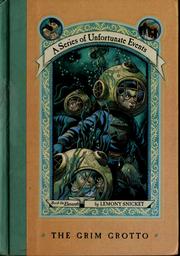
The Grim Grotto
Snicket eleventh Baudelaire book, Sept 2004 HarperCollins, 323 pages: the Queequeg crew, Gorgonian Grotto fungus, Fiona choice, and Sunny wasabi cure that…
2,789-word summary · 12 min read
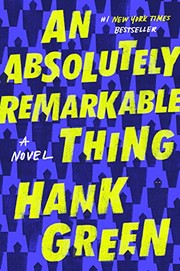
An Absolutely Remarkable Thing
Hank Green's An Absolutely Remarkable Thing follows artist April May after she and Andy film a giant Carl robot in New York that appears in cities worldwide…
2,699-word summary · 12 min read
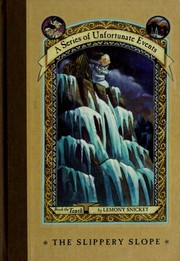
The Slippery Slope
Violet and Klaus climb icy peaks to rescue Sunny while Quigley and V.F.D. ruins change what they know.
2,678-word summary · 12 min read
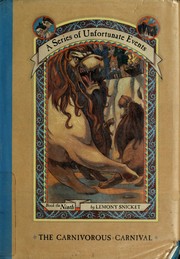
The Carnivorous Carnival
Baudelaires hide as carnival freaks to find V.F.D. clues, facing lions, Olaf, and a fateful cliff split.
2,027-word summary · 9 min read
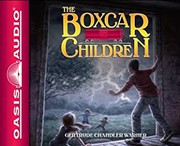
The Boxcar Children
Four Alden orphans run from a bakery, settle in an old boxcar in the woods, and learn to live on work, berries, and each other.
2,892-word summary · 13 min read
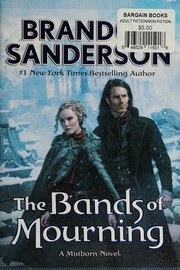
The Bands of Mourning
Wax and Wayne hunt a mythical metalmind while southern visitors and the Set close in.
2,461-word summary · 11 min read
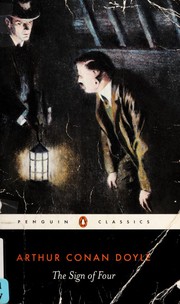
The Sign of Four
Mary Morstan's pearls lead Holmes and Watson from foggy London to Agra treasure and a Thames chase.
2,114-word summary · 9 min read
The Mysterious Benedict Society
Four gifted children pass strange tests and go undercover at a school hiding a mind control machine.
2,130-word summary · 9 min read
The Huntress
A Soviet night pilot, a Boston photographer doubting her stepmother Annelise, and a Nazi hunter chase Die Jagerin from wartime Europe to 1950 Boston in a long…
2,666-word summary · 12 min read
Congo
In Crichton's 1980 jungle thriller, Karen Ross leads a Congo expedition to find lost Zinj and its diamonds, bringing Amy, a signing gorilla, into grey gorilla…
3,013-word summary · 13 min read

This Tender Land
Four orphans flee a harsh Minnesota boarding school in 1932 and canoe toward St. Louis, meeting farmers, healers, and drifters along the way.
2,972-word summary · 13 min read
Sphere
A Navy team finds a centuries-old spacecraft on the Pacific floor, and psychologist Norman Johnson faces what its sphere wakes in minds.
2,275-word summary · 10 min read
The Starless Sea
A graduate student finds a book that retells his childhood and follows its clues to an underground Harbor of stories.
2,582-word summary · 11 min read
The Neverending Story
Bastian steals a book about Fantastica dying and learns he must name and wish to save it.
1,941-word summary · 9 min read
From the Mixed-Up Files of Mrs. Basil E. Frankweiler
Claudia and Jamie run away to the Met, chase whether a 225 dollar Angel is a Michelangelo, and trade secrets with Mrs. Frankweiler.
2,774-word summary · 12 min read
The City of Ember
Two twelve-year-olds trade jobs and chase a chewed-up note to save their fading underground city before its lights fail.
2,998-word summary · 13 min read

Leviathan Wakes
A destroyed ice hauler, a missing heiress, and an alien growth pull a crew and a tired detective toward war across the solar system.
3,653-word summary · 16 min read
A Study in Scarlet
Watson meets Holmes in Baker Street, a Brixton body bears the word Rache, and a Utah revenge tale explains it.
2,208-word summary · 10 min read
Inferno
Dan Brown's Inferno retold: Robert Langdon wakes in Florence with lost memory, follows Dante's clues with Sienna Brooks from Palazzo Vecchio to Venice and…
2,395-word summary · 11 min read
Jurassic Park
Hammond clones dinosaurs on Isla Nublar and invites Grant, Sattler and Malcolm to certify safety before opening.
2,388-word summary · 11 min read
The Da Vinci Code
Dan Brown's The Da Vinci Code retold: a Louvre murder, Sophie Neveu, the Grail cryptex, and the chase to Rosslyn.
2,590-word summary · 12 min read