
Reading options
What's inside (4 sections)
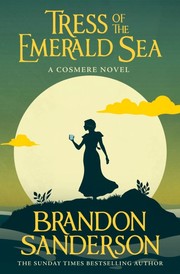
I backed Sanderson's Secret Projects without knowing what they were, which tells you how much I trust him to make a standalone fun even inside the Cosmere. Tress of the Emerald Sea, first published in 2023, Tor paperback edition running 384 pages, ISBN 9781250899668, narrated by Hoid in fairy tale voice, is the lightest of the four and my favorite. Tress lives on a rock in an emerald green spore ocean, collects cups, loves a boy named Charlie, and stows away on a pirate ship when he is taken. It reads like The Princess Bride by way of Pirates of the Caribbean with deadly rain.
Tress is not a chosen one at the start. She washes windows, trades stories for cups brought by sailors, listens to Charlie tell tales and play a game with stones. Charlie is the duke's son but kind, awkward, funny about his own privilege. When his father takes him voyaging to find a bride and disaster strikes involving the Sorceress of the Midnight Sea, Tress decides to go after him. She has no money, no training, no magic. She has cups, kindness, and a willingness to work.
Spore seas and why water kills
The worldbuilding is the joy. On this planet, oceans are not water but spores that react violently to water. A drop of water on emerald spores causes explosive growth. Ships sail on spore seas with special hulls. Sailors wear masks, carry water as weapon and risk, fear rain more than cannon. Different seas have different colors and rules. Emerald is relatively tame. Midnight is deadly. Sunlit? Actually other colors behave differently with heat and light. Sanderson explains through Tress learning on deck rather than lectures, which keeps it moving.
Hoid as narrator helps a lot. He interrupts to explain, to joke, to admit he is embellishing, to tell you he knew Tress later and is fond. If you dislike intrusive narrators, this will annoy. I loved it because Hoid loves stories and tells you so. His asides about how tales work, why we remember cup collections, why pirates romanticize, give the fairy tale frame without slowing. He also warns when something will matter later, like a cup or a handshake, which makes rereads rewarding.
Tress stows away on a pirate ship, the Crow's Song, captained by a woman with her own debts and mask. The crew are rough, funny, diverse in the way Sanderson does well without speeches. A cook who mothers, a navigator who gambles, a gunner who is gentle off duty, a Doug? Actually names matter less than roles on first read. What matters is Tress earns a place by working. She scrubs, she mends, she listens, she learns spore lore by asking stupid questions until they stop being stupid. A scene where she figures out how to use her cups to carry water safely, turning her collection into tools, is pure Sanderson problem solving and deeply satisfying.
Charlie's absence could make him blank. Instead his letters and Tress's memories keep him specific. He tells bad jokes. He is bad at the stone game but loves playing. He stood up for Tress once when others mocked her cups. Those small kindnesses motivate a voyage better than prophecy. Tress does not go because fate says. She goes because her friend is in trouble and no one else will go. That plain motive holds through pirate battles and sorceress horror.
Pirates, the Sorceress, and growing capable
The pirate middle is episodic in a good way. Each island or ship encounter teaches Tress a skill. How to haggle with merchants who cheat land girls. How to spot a lie about winds. How to fire a spore cannon without killing your own crew. How to talk to a talking rat? Actually there is a charming nonhuman crew member who steals scenes. The action is clear, with maps in my head forming easily. Who is on deck, who is below, where the water barrels are, why they must not break.
The Sorceress of the Midnight Sea is genuinely scary for a cozy book. She collects people, cursing them into servitude, speaking through minions, living where spores are worst. Her backstory, about love and control and fear of loss, unfolds slowly through Hoid hints and through captives Tress meets. Without spoiling, she is not evil for fun. She is lonely and powerful and unwilling to be left again. That makes her more dangerous than a dark lord. Tress cannot beat her with a bigger cannon. She must understand what the Sorceress wants and offer something else.
Tress grows from window washer to sailor to negotiator. Key moments show it. She barters cups, once precious collectibles, for supplies without flinching. She orders hardened pirates to douse sails in a way that risks mutiny and is obeyed because she is right. She lies to protect Charlie and then confesses the lie because it costs too much to keep. Each step costs a piece of her old self, the girl who stayed on a rock. She mourns that girl even as she outgrows her, which kept the coming of age from feeling cheap.
For craft, Sanderson's prose here is simpler than Stormlight. Short sentences, fairy tale cadence, jokes about Hoid's hair and about Sanderson's own love of magic systems. If you want dense politics, look elsewhere. This is a bedtime story with teeth. Spores can kill in a paragraph. Pirates die. The Sorceress kills casually. The coziness is a choice characters make by caring for each other despite danger, not a lack of danger.
For criticism, the middle sea voyage repeats beats. Another spore storm, another narrow escape with water, another lesson about masks. Two storms in a row blurred for me. I skimmed rigging details on the second. Hoid's interruptions, while charming, sometimes explain the moral before you feel it. A chapter where he tells you Tress learned leadership just after she shows it felt like underlining. And Charlie, for all his charm in memory, gets less page time than the pirates until late, so the romance must run on early goodwill.
Still, at 384 pages in this Tor edition it reads fast. I finished in three sittings and immediately lent it to a friend who does not read Cosmere. That is the test for a standalone in a big universe. Does it work without homework. Yes. There are nods, Hoid, spores as Investiture, a dragon? Actually small connections, but new readers will not drown. Old readers will catch extra smiles.
For who this is for. If you like Princess Bride narration, try it. If you want Mistborn heists, this is gentler and funnier. If you dislike pirates or cute collections, the cups may test you. I loved the cups. A girl who collects souvenirs from far places learns to use them to go far herself. That is the whole book in one image. I closed it thinking about my own shelves of mugs and tickets, and feeling braver about leaving the rock I live on.
Two more joys worth naming are the crew as workplace and the cups as method. The Crow's Song runs like a bad job made good by coworkers. The cook who remembers who takes sugar. The navigator who cheats at cards but never at bearings. The gunner who hums while cleaning weapons that could kill everyone if mishandled. Tress learns names fast because she needs help and says so plainly. I work in an office and recognized the dynamic. New person asks dumb questions, veterans show off, then someone stays late to explain the tricky valve without being asked. That kindness matters more on a pirate ship where mistakes mean death. By the time Tress gives an order in crisis, she has already earned the right by scrubbing decks no one else wanted. Authority follows usefulness, which is a better lesson than any chosen one speech.
The cups deserve their own paragraph because they are the book's thesis in objects. Tress collected them as souvenirs of places she would never see, each with a glaze, a chip, a story from a sailor. When she must carry water across spore seas where one spill means explosion, those cups become tools. She lines them with wax, nests them, trades the prettiest for rope and powder. Collecting turns out to have been training in packing, in valuing fragile things, in remembering which cup holds heat. I loved that Sanderson does not make her throw away her hobby to become heroic. She becomes heroic by using her hobby exactly as practiced. Fans who keep ticket stubs and shells will feel seen in the best way.
Hoid's narration also hides a sadder point about storytelling itself. He tells you he is shaping, skipping boring watches, compressing weeks of seasickness into a joke. That honesty made me trust the emotional beats more. When he says Tress cried quietly after a hard day and he will not perform it, I believed the restraint. When he admits he likes pirates more than he should and that clouds his judgment about the captain, I adjusted. A narrator who tells you his biases is rarer than it should be in fantasy. It also lets Sanderson wink at Cosmere readers without excluding new ones. Old fans hear extra chords. New readers still get melody.
The Midnight Sea as horror setting deserves a closer look because Sanderson sustains dread without gore. Spores there are black and hungry, water causes worse reactions, the Sorceress's servants have hollow eyes and polite voices. Tress first sees it from a distance as a dark line where green ends. Sailors go quiet. Hoid stops joking for a full page, which scared me more than any monster description. When they must cross, every routine becomes tense. Mop the deck without spilling the bucket. Seal the hatches. Do not sneeze near the rail where spray gathers. One sailor's mistake, a dropped cup of water during a pirate attack, causes a bloom that eats rope and fingers in seconds. Tress reacts by throwing her own precious cups of fresh water overboard to starve the growth, sacrificing her collection to save the ship. That choice hurts because we watched her polish those cups for chapters. Heroism here means losing the past on purpose to have a future.
Charlie's letters as device also work better than I expected. He writes home in a voice that tries to sound brave for parents and honest for Tress, failing at both in revealing ways. He describes the Sorceress's court with jokes that do not land, mentions a fellow captive with too much detail, asks about Tress's windows as if ordinary news will keep him normal. Tress reads between lines with growing skill. Where is he being vague. What does he not ask about. Those gaps tell her where he is held and how scared he is. By the time she arrives, she knows his cell better than the pirates do. Love as close reading felt fresh to me. She does not rescue him with strength. She rescues him by paying attention to mail.
A final craft note on Hoid's unreliability. He admits he was not present for some scenes and reconstructed from accounts. He warns when he is compressing months of sailing into a montage of storms. He even tells you he dislikes one pirate captain and may be unfair. That candor lets Sanderson skip boring parts without cheating. You trust the highlights because the narrator tells you they are highlights. When Hoid goes quiet during Tress's lowest night, alone on watch thinking about turning back, the silence lands because he usually fills silences. I reread that page twice. No joke, no lesson, just a girl counting stars over deadly spores and deciding to keep going for a boy who once shared his lunch. Simple and enough.
FAQ
What are spore seas?
Oceans of spores that explode on contact with water. Ships need special hulls, sailors wear masks, and rain kills faster than cannon.
When was Tress of the Emerald Sea published?
Dragonsteel published it in 2023. The Tor edition cited runs 384 pages with ISBN 9781250899668.
Do I need other Cosmere books first?
No. It is a standalone Cosmere novel narrated by Hoid. New readers get melody while old fans hear extra chords.
Similar books
Magician: Apprentice
An orphan kitchen boy and a smith's son grow up in a frontier castle just as invaders from another world open a rift and begin a war that will change both of…
2,114-word summary · 9 min read

In the Hand of the Goddess
Alanna, still disguised as a boy, survives war, court plots, and a death duel as the Goddess's chosen warrior in the second Song of the Lioness book.
2,018-word summary · 9 min read
The False Prince
A nobleman buys four orphans and tells them only one will survive to impersonate the missing prince. The narrator, a defiant thief named Sage, has other plans.
2,044-word summary · 9 min read

Fable
Abandoned on a lawless island at fourteen, Fable spends four years diving for gems to buy passage off it, straight into the cutthroat trade of the Narrows.
2,320-word summary · 10 min read
La Belle Sauvage
Philip Pullman's prequel to His Dark Materials follows eleven-year-old Malcolm Polstead as a secret message, a hunted baby, and the flood of the century carry…
2,530-word summary · 11 min read
Daughter of the Siren Queen
Alosa hunts the last map pieces toward Isla de Canta while defying her father Kalligan, facing her brother Draxen, and choosing her loyal crew and Riden at…
2,643-word summary · 12 min read
Alanna: The First Adventure
Twins swap roles so Alanna trains as boy page Alan for knighthood while Thom studies sorcery.
2,107-word summary · 9 min read
The Goose Girl
A shy princess loses her name on the road to her wedding and must earn it back as a palace goose girl in this Grimm retelling.
2,357-word summary · 10 min read
Red Seas Under Red Skies
Locke and Jean flee to Tal Verrar for Sinspire job and pirate press.
2,106-word summary · 9 min read

One Piece, Volume 1: Romance Dawn
Rubber boy Luffy gathers Zoro and Nami to punch tyrants and share meat.
2,216-word summary · 10 min read

Naruto, Vol. 1: Uzumaki Naruto
Naruto Uzumaki fails his ninja exam, steals a forbidden scroll, and lands on Team 7. A full chapter by chapter retelling of Vol. 1 plus Kishimoto context.
2,942-word summary · 13 min read
Daughter of the Pirate King
A pirate captain daughter lets herself be captured to find a map, then spars with a strict young pirate prince.
2,156-word summary · 10 min read
Fairy Tale
A grieving teen cares for a recluse and his old dog, then finds a shed well leading to Empis, a fading world at war.
3,203-word summary · 14 min read
A Wizard of Earthsea
A proud goatherd becomes the wizard Ged, looses a shadow at Roke, and must hunt it across Earthsea to name it. Le Guin's lean 1968 series opener.
2,972-word summary · 13 min read
Peter Pan
Wendy, John and Michael fly to Neverland with Peter, face Hook, and learn what growing up costs.
2,502-word summary · 11 min read
Treasure Island
Jim Hawkins finds Flint's map, sails with Squire Trelawney's crew that hides pirates, and learns Long John Silver is both cook, friend, and mutineer.
2,179-word summary · 10 min read
Dawnshard
Rysn sails toward forbidden Akinah to save her dying larkin and finds a Dawnshard guarded by the Sleepless.
3,229-word summary · 14 min read

Starsight
Spensa Nightshade goes undercover aboard the Superiority space station Starsight to steal a hyperdrive, and finds a frightened bureaucracy where she expected…
2,568-word summary · 11 min read
The Emperor's Soul
Forger Shai must stamp a new soul for the dying emperor in 100 days.
2,313-word summary · 10 min read
Edgedancer
Hungry street thief Lift and her vine-like friend Wyndle cross the Herald Nale in Tashikk when a child emperor shows Radiant signs and she refuses to step…
2,328-word summary · 10 min read
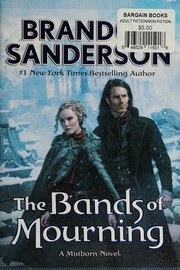
The Bands of Mourning
Wax and Wayne hunt a mythical metalmind while southern visitors and the Set close in.
2,461-word summary · 11 min read
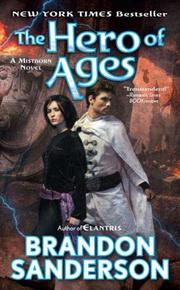
The Hero of Ages
Vin and Elend face ash, mist, and Ruin itself as the prophecies fail and Sazed searches old faiths for answers.
2,559-word summary · 11 min read
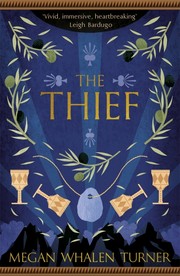
The Thief
A boastful young thief is pulled from a prison to steal a legendary stone for the king's magus, and the story he tells about himself is not the whole story.
2,514-word summary · 11 min read

The Blinding Knife
Kip trains to join the Blackguard while the Prism hides his true identity, loses his colors, and fights a war against a rogue drafter who wants to birth a god.
2,049-word summary · 9 min read
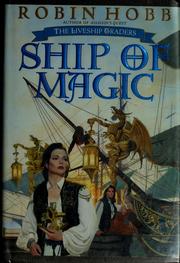
Ship of Magic
A sentient ship wakes when her captain dies, and the family that owns her starts to come apart over who gets to sail her.
2,026-word summary · 9 min read

Inkdeath
The final Inkworld novel sends Mo into the land of the dead, leaves Meggie choosing between two boys, and ends the Adderhead's immortality with three written…
2,062-word summary · 9 min read

Bone, Vol. 1: Out from Boneville
Three cartoon cousins are run out of Boneville, separated by locusts, and dropped into a valley where rat creatures and an old grudge are waiting.
2,155-word summary · 10 min read

Vow of Thieves
Kazi and Jase return to Tor's Watch to find it occupied, and their marriage is tested by captivity, betrayal, and a war for the town of Hell's Mouth.
2,059-word summary · 9 min read

The Icebound Land
Captured and enslaved in Skandia, Will fights a drug that erases him while Halt and Horace cut a bloody road through Gallica to bring him home.
2,088-word summary · 9 min read

The Field Guide
Three siblings move into a creepy Maine estate, anger a brownie, and find a forbidden guide to the fairy world in the first Spiderwick book.
2,033-word summary · 9 min read