
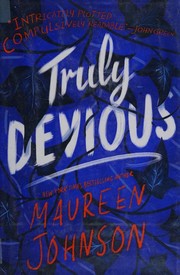
Truly Devious
2,072-word summary 9 min read 432 pages in the book
- First published
- 2018
- Publisher
- Katherine Tegen Books
- Pages
- 432
- ISBN
- 9780062338051
- Series
- Truly Devious (#1)
Reading options
What's inside (13 sections)
I started Truly Devious because boarding school mysteries never lose me. Maureen Johnson published it in 2018 with Katherine Tegen Books. My reading follows the 432 page hardcover. True crime buff Stevie Bell arrives at Ellingham Academy to solve its 1936 kidnapping, then a present murder gives her two cases at once. It is atmospheric YA mystery that sets its trilogy table generously while serving a full first course.
Ellingham Academy sits on a Vermont mountain built by tycoon Albert Ellingham for exceptional thinkers, all riddles and secret passages where learning is a game and tuition is free. Shortly after opening, his wife and daughter were kidnapped. A mocking rhyme listing murder methods signed Truly, Devious became the only real clue. It became one of America's great unsolved crimes. Stevie Bell, sixteen and obsessed with the case files, wins admission partly to solve it. She arrives with timelines memorized and panic attacks managed through breathing she practices in bathrooms.
Past crime, present death
Johnson braids 1936 and present with alternating chapters that inform each other without confusion. Past tracks Ellingham's wry letters, ransom chaos, and a student death that history half records. Present follows Stevie settling among housemates, the inventor, the novelist, the actor, the artist, and the jokester, each vivid enough to suspect and love. That ensemble gives the book its boarding school warmth between chills. Movie nights. Dining hall debates. Secret tunnel explorations. Readers who love school stories get full portions alongside mystery. Learning as game extends to reading itself. Puzzles embedded. Riddles quoted. Gardens mapped.
Present murder disrupts orientation when a fellow student dies under mysterious circumstances in campus tunnels. The death echoes the old crime in methods that suggest copycat or continuance. Stevie, armchair expert suddenly holding live case, must work with grief and suspicion among friends she just made. Her anxiety, rendered with lived accuracy through panic scenes that neither romanticize nor dismiss, complicates detecting realistically. She solves brilliantly between attacks and doubts herself after. That portrayal matters for teen readers who rarely see anxiety paired with competence. Brave and panicking both. Always.
David, brooding housemate with secrets of his own, provides romantic friction that never eclipses cases. He challenges Stevie's theories, hides his own past, and shows up in tunnels when it counts. Their slow burn respects mystery pacing. Flirtation between interviews. Hand holding after scares. Those beats satisfy YA romance readers without derailing detection. Friends round out the circle with diversity across race, class, and orientation that feels organic to elite school culling nationwide talent. No tokens. Just teens with specialties and secrets. Suspect all. Love several.
Anxiety represented with care
Stevie's panic attacks deserve praise as representation that helps rather than romanticizes. Johnson writes them with physiological specificity. Air hunger. Tunnel vision. Hands that will not obey. Coping strategies appear as practiced skills, breathing counts and grounding lists, rather than cures. Attacks interrupt detecting at worst moments without becoming plot devices to pity. Friends respond with varying competence that teaches readers alongside Stevie. Some minimize. Some hover. Best simply stay and breathe with her. Those models matter for teens navigating their own diagnoses amid school pressure. Competence and panic coexist. Both true at once.
What the book refuses is letting anxiety explain away agency. Stevie solves brilliantly between episodes and doubts herself after, but doubt never stops next deduction. That separation of symptoms from self defines the portrayal's maturity. She is not brave despite panic. She is brave with it, the way asthmatics run with inhalers. Young readers who rarely see their conditions paired with capability will feel recognized without being defined. The mystery needs her exact mind, anxiety included. Hypervigilance spots details calm misses. Difference as detective tool. Use it.
Ellingham's game architecture
Albert Ellingham's school design deserves study as mystery setting that functions as puzzle itself. Riddles in pathways. Secret tunnels with purposes. Gardens arranged as ciphers. The founder built learning into stone, which means Stevie studies inside a text she must also solve. Johnson clearly delights in architecture as plot device, planting fair play clues in floor plans readers can map. Trace routes. Note dead ends. The campus rewards attention the way classic manor mysteries reward floor plan study. Draw it while reading. Theories improve with sketches. Space holds secrets that dialogue withholds. Walk mentally nightly.
The 1936 timeline mirrors present through class and wealth themes that rhyme without repeating. Ellingham's fortune built the school. Kidnappers exploited its openness. Present students inherit both gift and risk. Those parallels let Johnson comment on privilege across centuries without lecturing. Money builds wonderful places. Wonderful places attract terrible uses. Stevie navigates both eras' debris with true crime scholarship that sometimes blinds her to living people nearby. Archives seduce. Friends wait. Balance both, the book suggests through her stumbles. Look up from files. Living cases need eyes too.
Dual timelines that rhyme
Past and present braiding deserves craft praise for how each era illuminates the other without confusing readers. 1936 chapters show Ellingham wealth and ransom chaos in period diction. Present chapters show Stevie applying those lessons to live danger. Parallels emerge organically. Kidnapped daughters then and now. Riddles signed and unsigned. Adults failing children across centuries. Those rhymes never feel forced because Johnson varies rhythm between eras. Past moves stately. Present sprints. Alternation paces both perfectly. History informs without overwhelming. Now matters most, past lights matches.
What the structure withholds until later volumes frustrates fairly warned readers who expected more closure. Kidnapper identity stays veiled. Present killer's motives half glimpsed. Stevie theorizes brilliantly without confirming. That deferral is trilogy architecture, not authorial tease cruelty. Foundations must set before towers rise. Book one pours concrete mixed with bodies. Later volumes build upward from solid, if grisly, base. Trust the plan through impatience. Rereads will reveal planting invisible first pass. Clues hide in plain architectural sight. Look at floor plans again.
Ellingham's game architecture
Albert Ellingham's school design deserves study as mystery setting that functions as puzzle itself. Riddles in pathways. Secret tunnels with purposes. Gardens arranged as ciphers. The founder built learning into stone, which means Stevie studies inside a text she must also solve. Johnson clearly delights in architecture as plot device, planting fair play clues in floor plans readers can map. Trace routes. Note dead ends. The campus rewards attention the way classic manor mysteries reward floor plan study. Draw it while reading. Theories improve with sketches. Space holds secrets that dialogue withholds. Walk mentally nightly.
The 1936 timeline mirrors present through class and wealth themes that rhyme without repeating. Ellingham's fortune built the school. Kidnappers exploited its openness. Present students inherit both gift and risk. Those parallels let Johnson comment on privilege across centuries without lecturing. Money builds wonderful places. Wonderful places attract terrible uses. Stevie navigates both eras' debris with true crime scholarship that sometimes blinds her to living people nearby. Archives seduce. Friends wait. Balance both, the book suggests through her stumbles. Look up from files. Living cases need eyes too.
Housemates as suspects and shields
Stevie's Minnow House circle deserves ensemble praise because suspects must also be friends readers mourn suspecting. The inventor tinkers with alibis. The novelist narrates versions. The actor performs innocence professionally. The artist sees too much. The jokester deflects with humor that hides sharp observation. Each gets interiority beyond function, with orientations and anxieties sketched respectfully. Diversity here feels lived rather than listed. Queer teens. Anxious teens. Rich and striving teens sharing bathrooms. Those proximities breed both affection and opportunity. Love suspects daily. Doubt nightly. Both sincerely.
David's brooding opacity drives romantic and mystery plots simultaneously without shortchanging either. He challenges Stevie intellectually, flirts unevenly, and withholds past chapters that later volumes unlock. That withholding frustrates fairly in book one where answers defer to trilogy plan. Trust the slow reveal. His secrets matter more than teased. Meanwhile his presence gives Stevie someone to impress beyond teachers, which motivates detecting as performance as well as passion. Solve well and he notices. Adolescence plus investigation mix productively. Brains attract. Danger confirms.
Riddles as curriculum
Ellingham's love of puzzles structures setting and plot at once. Twisting pathways. Garden mazes. Riddle doors. The founder built learning into architecture, which means Stevie studies in a text she must also solve. Johnson, who loves puzzles visibly, plants fair play clues across both timelines. Rhyme wording. Tunnel maps. Financial records. Attentive readers can theorize alongside Stevie with genuine chance of guessing. Red herrings swim honestly. That fairness distinguishes classic mystery craft from thriller shock reliance. Clues first. Twists earned. The book respects armchair detectives enough to play straight.
What does not resolve here matters for expectations. Very little closes in volume one, as SLJ warned. The past kidnapping stays unsolved. Present death stays open. Stevie's theories advance without landing. That trilogy architecture frustrates readers wanting standalone closure. Johnson promises continuation across Vanishing Stair and Hand on the Wall rather than cheating with fake endings. Know the contract before starting. First third of story, fully told. Mysteries posed, not solved. The journey satisfies if you accept terms. Cliffhanger by design, not failure.
Length at 432 pages suits dual timelines with ensemble depth. No bloat, though middle school life chapters circle familiar YA beats. Crushes. Classes. Cafeteria politics. Those stretches breathe between deaths necessarily. Constant corpses would numb. Johnson paces like classic Christie with modern teens. Gather suspects. Stage set pieces. Withhold one fact till next volume. That discipline across 432 pages shows veteran control. The research into 1930s wealth and Vermont winters grounds fantasy school in plausible dirt. Roots hold towers.
Puzzles that play fair
The mystery's clue structure deserves praise for classic fairness that rewards rereading generously. Rhyme wording hides double meanings visible only after reveals. Tunnel maps show routes killers used openly. Financial records sit in plain archival sight. Johnson plants everything needed while distracting with school life abundance. That generosity distinguishes cozy craft from thriller shock. Readers who guess will feel brilliant rather than tricked. Those surprised will find setup waiting on reread. Both reactions satisfy because groundwork exists. Play along actively. Annotate margins. Theories welcome.
Reading with pencil ready
The book rewards annotating readers who track both timelines in margins with different ink colors. Blue for 1936 certainties. Red for present dangers. Green for theories connecting them. Those visual maps reveal Johnson's braiding more clearly than memory alone holds. Rereads with pencil beat passive passes by miles for mystery satisfaction. Classrooms could teach deduction live through collective boards mapping Ellingham. Try it solo first with sticky notes on tunnel pages. Theories multiply productively. Solutions wait for sequels patiently. Enjoy doubting together.
Who should enroll
Give Truly Devious to YA mystery readers fourteen and up who like boarding schools, to true crime fans wanting teen sleuth with anxiety represented, to puzzle lovers who annotate maps. It suits autumn reading with blankets and flashlights. Do not give it to readers needing standalone resolution or fast adult pacing. Pair it with The Vanishing Stair next for immediate continuation of both cases.
At 432 pages I read it in three sittings, marking riddle pages. Stevie starts arriving with cold case timelines and ends holding two live mysteries with panic managed and friends beside her. That start, ambitious teen meeting school built for her brain, is why the series launched to bestseller lists and awards. Learning is a game here. Someone keeps score in bodies. Solve carefully.
FAQ
When was Truly Devious published?
Katherine Tegen Books published it in January 2018. The hardcover runs 432 pages and the ISBN is 9780062338051.
Is it the first in a series?
Yes. It opens the trilogy continued in The Vanishing Stair and The Hand on the Wall.
Who are Stevie and her housemates?
Stevie Bell, anxious sleuth; David the brooding housemate; plus inventor, novelist, actor, artist, jokester.
Similar books
More from Truly Devious first, then related titles.
The Vanishing Stair
Stevie Bell returns to Ellingham Academy under a secret bargain, chasing the truth about a 1936 kidnapping while a new death makes the school feel smaller and…
2,026-word summary · 9 min read

Ace of Spades
Two Black seniors at an elite academy are celebrated by day and hunted by an anonymous texter in this YA thriller about institutional racism.
2,066-word summary · 9 min read

Cross My Heart and Hope to Spy
Cammie Morgan returns to Gallagher Academy for a second year of spy training, only to fall for a boy from a rival spy school and hunt a mole in her own school.
2,567-word summary · 11 min read
The Reappearance of Rachel Price
Bel films a doc when her missing mother walks back after years.
2,254-word summary · 10 min read
Killer Instinct
Teen profiler Cassie Hobbes rejoins the FBI Naturals to stop a copycat repeating Dean Redding father murders.
2,600-word summary · 12 min read
Kill Joy
Pip hosts a 1920s murder mystery party with her friends, solves the fake case, and feels a real scare that points toward A Good Girl's Guide to Murder.
2,537-word summary · 11 min read
The Cousins
Three cousins work at their rich grandmother island resort while digging into why their parents were cut off.
2,565-word summary · 11 min read
Sadie
Sadie hunts sister killer while podcast chases her in split narrative thriller.
2,091-word summary · 9 min read
Reconstructing Amelia
A grieving lawyer mother reopens her teen daughter's alleged suicide at an elite Brooklyn school, uncovering bullying and secrets.
2,032-word summary · 9 min read
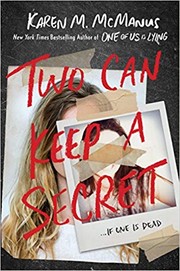
Two Can Keep a Secret
Twins new to Echo Ridge dig into aunt's murder as homecoming threats return.
2,078-word summary · 9 min read
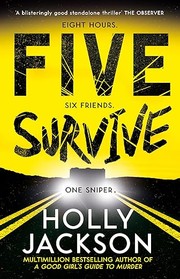
Five Survive
Six teens on spring break get a flat tire, a red dot sight, and one ultimatum in an RV.
2,867-word summary · 13 min read
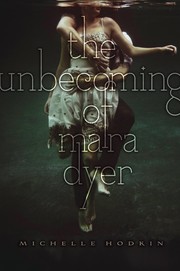
The Unbecoming of Mara Dyer
Sole survivor of a collapse that killed her friends, Mara Dyer moves to Miami, where visions that come true suggest her grief hides something darker.
2,152-word summary · 10 min read
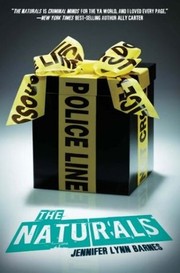
The Naturals
Teen profiler Cassie Hobbes joins an FBI program for gifted teens and hunts a killer tied to her past.
2,401-word summary · 11 min read
The Lying Game
Isa returns to Salten with her baby when bones surface in the marsh and force four school friends to face what they buried.
2,277-word summary · 10 min read
Listen for the Lie
Lucy Chase cannot remember the night her best friend Savvy died in Plumpton, Texas, until a true crime podcast pulls her back.
2,160-word summary · 10 min read
I'd Tell You I Love You, But Then I'd Have to Kill You
Cammie Morgan trains at a secret spy school and falls for a town boy she can never tell the truth.
2,179-word summary · 10 min read
Pretty Little Liars
Four girls get texts from dead Alison a year after she vanished, and secrets start leaking.
1,922-word summary · 9 min read
One of Us Is Next
A year after Simon's death, a copycat texter drags Maeve, Knox and Phoebe into a cruel Truth or Dare game in Bayview.
2,348-word summary · 10 min read
All Good People Here
A journalist returns home to care for her uncle and reopens a 20 year old child murder tied to a new abduction.
2,006-word summary · 9 min read
As Good As Dead
Pip faces online threats and a stalker as she investigates a serial case in the trilogy finale.
2,962-word summary · 13 min read

Good Girl, Bad Blood
Pip swears off sleuthing, then podcasts a missing friend case that tests fame and cost.
2,011-word summary · 9 min read
We Were Liars
Cadence Sinclair returns to Beechwood Island after an accident she cannot recall, chasing summers with Johnny, Mirren and Gat toward the truth.
1,923-word summary · 9 min read
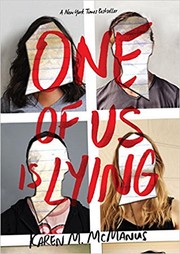
One of Us Is Lying
Five Bayview teens enter detention and Simon dies, leaving Bronwyn Nate Addy and Cooper suspects.
3,158-word summary · 14 min read
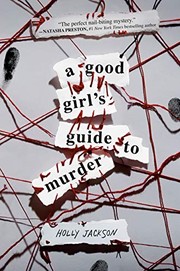
A Good Girl's Guide to Murder
Pip reopens a closed murder case for a school project and finds the town wanted it shut.
2,621-word summary · 12 min read

What She Knew
Rachel lets her eight-year-old son run ahead in a Bristol park, and the nine-day search turns her into a suspect in the public eye.
2,952-word summary · 13 min read

The Beach House
A young valet is beaten to death at a Hamptons party, and his law-student brother spends a year building a case against the family that covered it up.
2,049-word summary · 9 min read

Six Years
A professor who promised to forget the woman he loved sees her husband's obituary and discovers that the wedding, the marriage, and the woman herself may never…
2,076-word summary · 9 min read

Anatomy: A Love Story
In 1817 Edinburgh, a noblewoman who wants to be a surgeon disguises herself to study anatomy and falls for the grave robber who supplies her with bodies.
2,031-word summary · 9 min read

The Trespasser
A Dublin Murder Squad detective investigates a staged dinner-party killing and finds a cover-up that reaches into her own department.
2,051-word summary · 9 min read

Rules of Prey
Minneapolis detective Lucas Davenport hunts a killer who leaves a new rule at every scene and treats murder as a game of wits.
1,914-word summary · 9 min read