

Sadie
2,091-word summary 9 min read 320 pages in the book
- First published
- 2018
- Publisher
- Wednesday Books
- Pages
- 320
- ISBN
- 9781250105714
Reading options
What's inside (5 sections)
I finished Sadie on a long drive and sat in the driveway because the ending would not let me go inside. Wednesday Books published it September 4, 2018, a 320 page hardcover with ISBN 9781250105714. It is a standalone young adult thriller about Sadie Hunter hunting her little sister Mattie killer, told in split narrative with a podcast. It won the Edgar for Best YA Novel. If you can handle child murder, abuse, and addiction talk, read. It will haunt and anger you in necessary ways.
Sadie is nineteen, raised Mattie thirteen after their addict mother vanished into boyfriends. They live in Cold Creek, Colorado trailer park with May Beth Foster, honorary grandmother who loves them fiercely. Mattie is found murdered. Police stall. Sadie, who stutters and was bullied for it, takes off with Mattie car to find the man she thinks did it. She is brave unto recklessness and will not rest. Her chapters narrate first person from the road, fierce and fragmented. She tracks a pedophile ring through small towns, using herself as bait though it terrifies her. She will trade herself for Mattie justice without hesitation. That willingness breaks hearts because readers see what she cannot. She is walking into death too.
West McCray hosts the podcast The Girls. Radio reporter asked by May Beth to find Sadie because girls go missing all the time and no one cares unless storied. West starts reluctant, chasing a story for his boss, then obsessed as he retraces Sadie weeks late. His chapters are transcripts, interviews with May Beth, cops, teachers, truckers, survivors. His knowledge lags behind what readers know from Sadie chapters. That lag creates dread. We know Sadie walks toward a man West has not named yet. We shout. He cannot hear because podcast is past. That structure turns true crime ethics into form. We consume Sadie story as entertainment while she bleeds. Summers knows and implicates us, West, herself. I cannot take another dead girl, May Beth says. Yet we take this one as book. Sit with that guilt. It is intended.
Road and podcast
Sadie road chapters hurt with detail only lived experience gives. Stutter that worsens under stress. Men who mock then help then threaten. Diners where coffee refills and eyes linger. Motels paid with stolen cash. A trucker named? Actually a man who drives her partway and respects boundaries, rare kindness. A woman who shares food. Each encounter could save or doom. Sadie navigates with street smarts learned young. Do not drink what you did not open. Sleep with shoes on. Keep knife close. Her toughness is not glamorous. It is tired. She misses Mattie in flashes. Mattie laugh. Mattie braids. Those memories fuel more than revenge. They demand witness. Someone must remember Mattie fully, not as body. Sadie does by walking her path backward to killer. That walk is love as investigation. Follow it with tissues. No jacket is warm enough for these miles. Bring your own.
West podcast chapters build out backstory and let many voices speak, which is the book formal gift. May Beth tells of raising girls the system failed. Teachers tell of Mattie brightness. Cops tell of limits. Survivors tell of the man, Keith? Actually the predator with a neat house and charity front. Each interview adds piece West assembles too slowly. Readers assemble faster because Sadie shows. That dramatic irony frustrates productively. You want to call West and tell him to hurry. You cannot. That helplessness mirrors how missing girls cases feel to families watching coverage lag. Summers weaponizes podcast popularity to critique it. Are we listening to help or to thrill. West starts for career. Ends for grief. So will you, if honest. Ask why you read sad girl books. Then keep reading because Sadie deserves witness even if motives mixed. Witness anyway. Better than silence.
The man Sadie hunts needs naming carefully without spoiling how. A respected small town figure who grooms broken girls with attention, houses, trips. He killed Mattie after she fought. He will kill Sadie if she confronts alone. Summers writes him without mystique. No genius. Just a man who uses power and money to access. That ordinariness scares more than monsters. Look around after reading. Such men exist in every town. Girls know. Adults look away. May Beth did not look away, which is why she called West. Be May Beth in life. Notice missing girls. Ask where they went. Fund searches. Believe stutters. The book demands that of readers after last page. Do not just close. Notice.
Abuse, power, and truth
Abuse and power theme runs deeper than mystery and needs content care. Mattie was thirteen, groomed, murdered. Sadie was abused as child by mother boyfriends. Their mother, addict, failed to protect though she loved in flashes. The book shows cycles without excusing. Hurt girls become fierce sisters. Fierce sisters become targets. Men who hurt face little. Police file. Reporters move on. Summers, who writes traumatized girls across books, refuses to look away or to tidy. Justice does not fully come. Sadie fate is ambiguous and devastating. West podcast ends without rescue. That lack of closure angers readers wanting triumph. Sit with anger. Real cases often end so. The book honors that truth over comfort. Demand better systems after, not better endings here. The ending is honest. Let it haunt into action. Support missing children funds. Believe girls first time. Fund podcasts that help, not just thrill. Ask which yours does.
Stutter representation deserves praise as rare and respectful. Sadie stutter worsens with fear and eases with Mattie memory. Bullies mocked. Teachers rushed. West never mocks in transcripts. He waits. That waiting models how to listen. Do not finish sentences. Do not look away. Readers who stutter will feel seen. Others learn patience. Summers herself? Actually research shows. The audiobook narrators handle with care. Read print aloud to feel blocks. Stop where Sadie stops. Breathe. Continue. That embodied reading teaches more than essays. Keep it in classrooms with discussion. No mocking ever. The book makes that rule visceral. Break it and you are the villain. Simple. Remember on playgrounds and panels. Wait. Listen. Believe.
Fair criticism acknowledges bleakness. At 320 pages, road repeats diners and rides. Podcast transcripts interrupt momentum for some. The ending withholds full closure about Sadie survival. Some feel cheated after investing. I felt gutted but right. Summers chooses truth over comfort deliberately. Content notes are essential. Child murder, sexual abuse, addiction, self harm? Actually Sadie risks. Go in prepared. Ages thirteen and up as publisher says, but sensitive teens should wait or read with support. Adults should not dismiss as YA. This is as serious as literary thrillers get. Pair with I'm the Girl next for more Summers refusal to flinch, or with True Crime podcasts critically. Ask why you listen. Then listen better. Sadie deserves nothing less. Mattie too. Say their names. Remember.
May Beth, West, and listening
May Beth Foster as honorary grandmother deserves love letter because she is the book moral compass. Old, poor, fierce. Raised neighbor girls when mother failed. Called West because she cannot take another dead girl. That line titles her ethic. She feeds Sadie before she runs though food scarce. She keeps Mattie drawings on fridge. She talks to West for hours though tired of retelling. Her transcripts carry grief with dignity, no self pity. I did what I could. It was not enough. That admission guts more than any twist. Readers with grandmothers who raised will recognize. Call yours after chapter. Thank for noticing when systems did not. May Beth notices. The system did not. Be May Beth in life. Notice missing girls. Ask where they went. Fund searches. Believe stutters first time. The book demands that after last page. Do not just close. Notice. Act. Donate to missing children funds. Volunteer. Vote for services. Grief into action is May Beth way. Follow it. Tired and fierce both. Enough.
West McCray as podcast host needs critique and credit together because he embodies true crime ethics debate. Starts for career, boss urging, story hunger. Chases Sadie weeks late with microphone. Interviews grieving for content. Edits for narrative. Midway, obsession turns genuine. He spends own money. Drives extra miles. Misses deadlines to follow leads police ignore. His transcripts show shift from polished intros to raw questions. Listeners hear it. So do subjects. May Beth trusts him slowly after testing with silence. He passes by staying when story stalls. That staying separates exploitation from witness, barely. The book implicates West, Summers, us together. Are we listening to help or to thrill. Both, honestly. Sit with both. Then choose to help more than thrill after. Share episode with donation link. Discuss ethics with friends who listen. Ask which podcasts help families versus profit. Support helpers. Skip thrill only. West learns. So can listeners. Keep listening, but pay for searches, not just subscriptions. That payment is the difference between consuming and caring. Practice caring with wallets and time. Sadie deserves nothing less. Neither do real Sadies still missing. Say their names. Keep looking. Fund it.
Stutter and trailer park class shape how world hears Sadie and need naming for justice. Sadie stutter worsens under stress. Cops rush her. Truckers mock. West waits in transcripts, which models. Do not finish sentences. Do not look away. Class marks her too. Trailer park address makes police assume runaway, not victim. Motel clerks assume trouble. Readers should note how respectability filters whose disappearance matters. Mattie gets coverage because young and cute. Sadie gets less because older and rough. May Beth gets least though she knows most. That hierarchy kills. Summers shows without preaching. Just transcripts where officials say girls like that. Hear the like that and flinch. Then act against it in life. Believe girls first time regardless of address or speech. Fund searches equally. Vote for services in trailer parks too. The book demands systemic reading after personal tears. Cry, then organize. Sadie would scoff at speeches. She would accept ride to next town if offered kindly. Offer rides. Believe stutters. Fund searches. Enough.
West podcast ethics turn from career to care across episodes worth tracking. Early transcripts open polished with ads. Later ones run long without breaks. He spends own money. Drives extra miles. Misses deadlines to follow leads police ignore. Subjects notice shift. May Beth trusts him slowly after testing with silence. He passes by staying when story stalls. That staying separates exploitation from witness, barely. Listeners hear it too when host stops performing and starts grieving. So will you if honest about why you listen. Ask which podcasts help families versus profit. Support helpers. Skip thrill only. West learns. So can listeners. Keep listening, but pay for searches, not just subscriptions. That payment is difference between consuming and caring. Practice caring with wallets and time. Sadie deserves nothing less. Neither do real missing girls. Say names. Keep looking. Fund it.
Trailer park class shapes whose disappearance matters and needs naming for justice. Sadie stutter worsens under stress. Cops rush her. Truckers mock. West waits in transcripts, which models patience. Do not finish sentences. Do not look away. Class marks her too. Trailer address makes police assume runaway, not victim. Motel clerks assume trouble. Readers should note how respectability filters whose disappearance matters. Mattie gets coverage because young and cute. Sadie gets less because older and rough. May Beth gets least though she knows most. That hierarchy kills. Summers shows without preaching. Just transcripts where officials say girls like that. Hear the like that and flinch. Then act against it in life. Believe girls first time regardless of address or speech. Fund searches equally. Vote for services in trailer parks too. The book demands systemic reading after personal tears. Cry, then organize. Sadie would scoff at speeches. She would accept ride to next town if offered kindly. Offer rides. Believe stutters. Fund searches. Enough.
Road men Sadie meets show kindness and threat mixed, which keeps tension honest. A trucker drives her partway and respects boundaries, rare kindness she remembers. A woman shares food without prying. Each encounter could save or doom. Sadie navigates with street smarts learned young. Do not drink what you did not open. Sleep with shoes on. Keep knife close. Her toughness is not glamorous. It is tired. She misses Mattie in flashes that fuel more than revenge. They demand witness. Someone must remember Mattie fully, not as body. Sadie does by walking her path backward to killer. That walk is love as investigation. Follow it with tissues. Good.
FAQ
When was Sadie published?
Wednesday Books published it September 4, 2018. The hardcover runs 320 pages with ISBN 9781250105714.
Is it part of a series?
No. It is a standalone young adult thriller.
What age is it for?
Ages 13 and up fits best. There is murder, abuse, and addiction.
Similar books

Ace of Spades
Two Black seniors at an elite academy are celebrated by day and hunted by an anonymous texter in this YA thriller about institutional racism.
2,066-word summary · 9 min read

The Vanishing Stair
Stevie Bell returns to Ellingham Academy under a secret bargain, chasing the truth about a 1936 kidnapping while a new death makes the school feel smaller and…
2,026-word summary · 9 min read

The Survivors
Kieran Elliott returns to Evelyn Bay twelve years after a storm killed his brother, and a young woman's murder forces the town to face what it has concealed.
2,571-word summary · 11 min read

Family of Liars
The prequel to We Were Liars: Carrie Sinclair finally tells the story of the summer of 1987, the boy who died on Beechwood Island, and the lie her family built…
2,072-word summary · 9 min read

The Woods
Twenty years after two teenagers were murdered and two vanished at summer camp, prosecutor Paul Copeland identifies a fresh corpse as one of the missing.
2,490-word summary · 11 min read

Clap When You Land
Two half sisters, one in Sosúa and one in Queens, discover each other after their father dies in a plane crash, in Elizabeth Acevedo's novel in verse.
2,890-word summary · 13 min read

The Sky Is Everywhere
Lennie grieves Bailey while torn between Toby and Joe.
2,251-word summary · 10 min read
The Reappearance of Rachel Price
Bel films a doc when her missing mother walks back after years.
2,254-word summary · 10 min read

Killer Instinct
Teen profiler Cassie Hobbes rejoins the FBI Naturals to stop a copycat repeating Dean Redding father murders.
2,600-word summary · 12 min read

We Begin at the End
Thirteen-year-old Duchess Day Radley shields her little brother Robin after their mother dies, as freed killer Vincent King returns and sick chief Walk tries…
2,956-word summary · 13 min read
Long Bright River
Philadelphia officer Mickey patrols Kensington amid the opioid crisis, hunts a killer of vulnerable women, and searches for her missing addict sister Kacey…
2,986-word summary · 13 min read

Kill Joy
Pip hosts a 1920s murder mystery party with her friends, solves the fake case, and feels a real scare that points toward A Good Girl's Guide to Murder.
2,537-word summary · 11 min read
The Cousins
Three cousins work at their rich grandmother island resort while digging into why their parents were cut off.
2,565-word summary · 11 min read

Reconstructing Amelia
A grieving lawyer mother reopens her teen daughter's alleged suicide at an elite Brooklyn school, uncovering bullying and secrets.
2,032-word summary · 9 min read
Before the Fall
A private jet falls off Martha's Vineyard. A painter and a small boy survive, then face grief and the news cycle.
2,185-word summary · 10 min read

This Is Where It Ends
Four seniors face 54 minutes of terror when a gunman locks their Alabama high school. A minute by minute story of fear, loyalty, and loss.
2,510-word summary · 11 min read
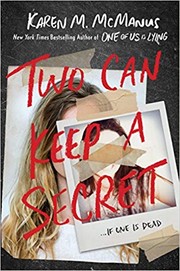
Two Can Keep a Secret
Twins new to Echo Ridge dig into aunt's murder as homecoming threats return.
2,078-word summary · 9 min read
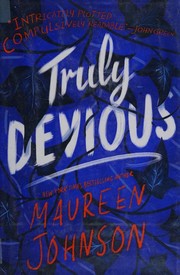
Truly Devious
True crime buff Stevie Bell arrives at Ellingham to solve its 1936 kidnapping as present murder strikes.
2,072-word summary · 9 min read

Little Secrets
A mother missing a son finds her husband cheating and handles both herself.
2,008-word summary · 9 min read
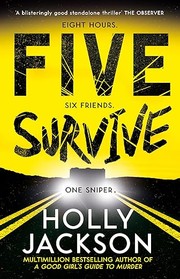
Five Survive
Six teens on spring break get a flat tire, a red dot sight, and one ultimatum in an RV.
2,867-word summary · 13 min read

The Unbecoming of Mara Dyer
Sole survivor of a collapse that killed her friends, Mara Dyer moves to Miami, where visions that come true suggest her grief hides something darker.
2,152-word summary · 10 min read

The Naturals
Teen profiler Cassie Hobbes joins an FBI program for gifted teens and hunts a killer tied to her past.
2,401-word summary · 11 min read
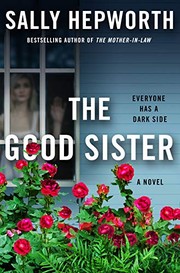
The Good Sister
Twin sisters share a careful arrangement until a plan to have a baby pulls old family secrets into view.
3,255-word summary · 14 min read

The Good Daughter
Twenty eight years after a home invasion shattered her family, a lawyer witnesses a school shooting that reopens old wounds.
2,505-word summary · 11 min read

Pretty Little Liars
Four girls get texts from dead Alison a year after she vanished, and secrets start leaking.
1,922-word summary · 9 min read
One of Us Is Next
A year after Simon's death, a copycat texter drags Maeve, Knox and Phoebe into a cruel Truth or Dare game in Bayview.
2,348-word summary · 10 min read

Into the Water
A drowning pool, eleven narrators, and sisters divided in Hawkins's murky second thriller.
2,598-word summary · 12 min read

Pretty Girls
Estranged sisters Claire and Lydia reunite after a murder exposes snuff films, their sister Julia's fate, and a killer near Lydia's daughter.
2,498-word summary · 11 min read
As Good As Dead
Pip faces online threats and a stalker as she investigates a serial case in the trilogy finale.
2,962-word summary · 13 min read

Good Girl, Bad Blood
Pip swears off sleuthing, then podcasts a missing friend case that tests fame and cost.
2,011-word summary · 9 min read