
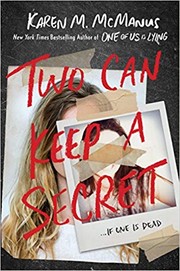
Two Can Keep a Secret
2,078-word summary 9 min read 327 pages in the book
- First published
- 2019
- Publisher
- Delacorte Press
- Pages
- 327
- ISBN
- 9781524714727
Reading options
What's inside (5 sections)
I had read One of Us Is Lying and liked how McManus juggles suspects without cheating, so Two Can Keep a Secret, first published in 2019 by Delacorte Press, 327 pages in hardcover, ISBN 9781524714727, sounded right. Twins Ellery and Ezra move to Echo Ridge, Vermont, to live with their grandmother after their mother lands in rehab. Echo Ridge is famous for two missing girls. One, Sarah, vanished years ago. Another, Lacey, Ellery's aunt, disappeared at seventeen and was later found murdered. Now homecoming season brings threats and another disappearance. It is YA mystery with true crime podcast energy, short chapters, and twists that reframe rather than cheat. I finished it in two days and immediately wanted to reread early party scenes for clues I missed.
Ellery narrates half, Ezra half, alternating first person that keeps voices distinct without labels after a while. Ellery is true crime obsessed, anxious, allergic to being liked for the wrong reasons. She makes murder boards in her head and says insensitive things when scared. Ezra is calmer, newer to town dynamics, into cars and quiet kindness, protective of Ellery without smothering. Their mother, Sadie, was Lacey's twin, which makes Echo Ridge homecoming personal before they arrive. Grandmother Nana? Actually their grandmother, who raised Lacey and Sadie, is welcoming and hiding plenty. She loves the twins and lies to protect them in ways that cost.
Echo Ridge and homecoming season
The town works as a character the way small towns do in McManus. Everyone knows who dated whom in high school, which house is empty, which cop drinks. Homecoming is not just dance but ritual with haunted hayrides, bonfires, memorials for Lacey that some find respectful and others find ghoulish. Ellery, new and curious, asks questions locals stopped asking. Who was with Lacey last. Why did Sarah's case stall. Why do threat notes appear now. Those questions make her friends and enemies fast. Malcolm, whose brother was suspect in Lacey's death, befriends her warily. Mia, fierce and funny, adopts her. Ezra falls for Olivia? Actually for a local girl with family ties to police. Each friendship carries history Ellery must learn to read. Who is kind. Who performs kindness while watching.
The threat notes drive the middle. Homecoming queen candidates get messages promising repeat. A hit and run that may not be accident. Vandalism at the murder memorial. McManus paces these like episodes. Incident, rumor, podcast speculation, police statement that says little. Ellery's true crime knowledge helps and hurts. She profiles correctly about staging while missing local motives that do not fit podcasts. A scene where she explains murder board to Mia and realizes she left out her own family because it hurts too much shows growth. Fandom as shield. She consumes others' tragedies to avoid her own. Echo Ridge forces her to live inside one rather than annotate.
Ezra's chapters balance with normalcy that turns tense. He works at an amusement park? Actually at a local job, fixes cars, flirts carefully, tries to stay out of Ellery's investigations while covering when she sneaks. His romance is sweet without taking over. More important is his relationship with their mother by phone. Sadie, in rehab, calls with love and unreliability. She warns about Echo Ridge without explaining. Ezra wants to believe recovery. Ellery does not. Their split about mom mirrors town split about past. Trust stories or trust evidence. Both fail alone. Together they get closer. A late call where Sadie finally tells what she remembers about Lacey's last night reframes everything the twins thought about family. It lands because McManus delayed it past impatience. You earn the confession by sitting through small lies first.
For craft, McManus keeps chapters short with hooks that are fair. A text arrives. A car follows. A name on a trophy looks wrong. If you like plotting, you will admire how early party dialogue plants alibis that later break. Who claimed to be where at bonfire. Who left early with whom. Rereading those pages after finishing shows no cheating, only misdirection through ordinary teen vagueness. I caught three tells on reread I missed live. One about a jacket. One about a ride. One about who knew Lacey's nickname. Those are the right kind of clues. Visible, unemphasized, damning in retrospect.
What happened to Lacey and Sarah
Without giving the solution, the book ties past and present through family rather than copycat gimmick. Lacey's murderer was not who town decided, and that error shaped Malcolm's family ruin, Nana's protectiveness, Sadie's addiction. Sarah's disappearance connects through place and pattern, not identical motive. The present threats come from someone trying to control homecoming narrative for personal reasons that feel small until you see damage. McManus is good on how small motives, jealousy, shame, financial fear, produce large harms when mixed with town silence. No mastermind. Just people covering once, then covering cover ups until girls die.
I guessed part of the ending early because one adult protested too much about protecting teens while isolating them. But the full mechanics, how notes were delivered, who drove which night, where Sarah was kept, surprised me in method while satisfying in person. It relies on Echo Ridge geography, quarries, woods roads, houses with barns, that rewards careful readers. A map would help; I drew one mentally by halfway. Who lives near woods. Which road floods. Those details matter more than forensic labs. This is not CSI. It is kids with phones and bikes noticing what adults miss because adults stopped looking.
For pacing, the homecoming week compresses helpfully. Dance approaching gives countdown. Each day brings a new incident that raises stakes without feeling episodic because consequences accumulate. A cancelled parade, a searched locker, a parent grounding that actually helps. Two interrogations in a row with different officers blurred for me. I skimmed one because the pattern, deny, deflect, protect family, was clear. Then a short chapter where Nana cleans Lacey's old room while twins sleep snaps it back. Grief as housework. She folds clothes no one wears, dusts trophies no one wins now. Those quiet pages carry more than questioning. Systems fail. Grandmothers keep rooms.
The romance subplots stay light enough not to stall mystery. Ellery and Malcolm spar about trust. Both have reasons to doubt. He was burned by town. She burns people preemptively. Their slowkers? Actually slow burn works through shared investigation rather than dates. Ezra's romance gives relief without stakes. Hand holding at movies while Ellery texts updates. Those normalcies keep the book from unrelenting dread. Teens still crush during horror. That truth keeps characters teen rather than mini detectives. When Ellery chooses to tell Malcolm a family secret that could implicate her mom, it costs more than any clue chase. Vulnerability as detection method. Tell truth to get truth. McManus understands that exchange.
Siblings, mothers, and town silence
What lasts beyond twists is family writing. Twins who bicker about music and cover for sneaking. Mother in rehab trying through bad wifi. Grandmother who lies from love and must unlearn. Each generation of women in this family kept secrets to protect daughters that ended up endangering granddaughters. Breaking that chain requires Ellery to tell police what Nana hid, betraying family to save future girls. That choice hurts proportionally because love is real on both sides. Nana did wrong for right reasons. Ellery does right at cost to Nana. No one is villain for loving badly, except the actual killer, who is separate and clearly condemned. That separation matters. Family failures enable but do not equal murder. McManus keeps moral lines clear while showing how blur helps killers hide. Towns that excuse small silences shelter large crimes.
For criticism, the book leans on true crime fandom in ways that date fast. Podcast names, hashtag sleuthing, episode drops structure chapters. In five years some references will feel old. Also, Ezra gets less interior than Ellery. His chapters advance plot while hers deepen theme. One more scene of him alone with cars, thinking about dad absence, would balance. And the final culprit monologue explains a little too much after strong showing. Trust readers to connect jacket and ride without paragraph recap. Still, at 327 pages it flies for length. Short chapters, many ending on texts. I read the last 120 pages standing in my kitchen because sitting felt too calm for homecoming night.
For who this is for. If you liked One of Us Is Lying, this is less breakfast club and more town secret, with twins new to place rather than group in detention. If you are new to McManus, start here or with One of Us; either works, this is standalone despite shared town name Echo Ridge? Actually different Echo Ridge? No, same universe? It stands alone fine. If you dislike teen drinking and driving plots, know there are parties with consequences handled without preaching. I closed it thinking about homecoming mums and memorials, rituals meant to honor that can smother. Echo Ridge loves remembering Lacey publicly while refusing to solve privately. That gap is where girls vanish. Ellery closes it by asking impolite questions kindly. Ask anyway, even new in town. Especially then.
Malcolm's family ruin as mirror to Ellery's deserves a final paragraph because McManus pairs them deliberately. His brother Declan was suspected in Lacey's death and cleared too late to save reputation, jobs, college chances. The family moved, changed names socially if not legally, lived under whisper. Ellery arrives with true crime hobby that treats such ruins as content. Their early fights about podcasts are really about who gets to tell pain. He lived it. She studied it. When she finally listens without notebook, he tells details no episode covered. What his mom cooked while police searched. How his dad stopped coaching. Those domestic losses never make shows because they lack mystery. They are just erosion. Ellery learns to value erosion stories as much as twists, which changes how she treats her own mother. Sadie's addiction also eroded without single crime. No episode will explain. Only patience across calls where Sadie sounds sober one day and high the next. Staying on phone through both without hanging up in disgust is the skill Echo Ridge teaches Ellery better than detection. Love people through uninteresting damage, not just intriguing cases. That lesson will serve her longer than any board.
Nana's house as archive also holds the book's thesis about keeping. She keeps Lacey's room, Sadie's baby clothes, newspaper clippings sorted by year, trophy programs with notes in margins. Those keepsakes help and harm investigation. They preserve evidence police lost, like a jacket with stain, but also preserve myths that block new thinking. Ellery must sort keepsakes as detective, deciding what matters now versus what mattered to keepers. That sorting mirrors readers sorting clues from red herrings. Pay attention to what Nana dusts daily versus boxes in attic. Daily dust means active grief. Attic means stored but not faced. Lacey's diary, kept but unread by Nana for years from pain, holds the key when Ellery finally reads with permission. Permission matters. Taking without asking would repeat violation the book condemns. Ask grandmother who kept room intact whether you may open drawer. Wait for yes through tears. Those manners around evidence respect victims more than any procedural rule. McManus understands that detection ethics start with asking before opening, even when law allows.
Homecoming as ritual that both honors and smothers deserves a last look because McManus stages events where memory performs publicly while truth hides privately. Parade floats with Lacey's photo, moments of silence at games, queens crowned near memorials. Ellery watches town cry together and wonders who cries from guilt versus grief. Those public tears complicate. Some mourners loved Lacey. Some use mourning to deflect suspicion. A scene where Malcolm refuses to attend memorial while Ellery goes to observe shows split strategies for surviving spectacle. Avoid trigger or study crowd. Both valid. Neither safe. When threats target queen candidates, ritual becomes trap. Girls must smile on floats that pass woods where Sarah vanished. That contrast, celebration routes over disappearance sites, gives Echo Ridge its haunted map feeling. Every party path crosses a place someone was last seen. Residents know and drive on. Newcomers learn by asking why certain roads get quiet at night. Answers come as warnings disguised as directions. Do not walk there. Not safe after dark. Those warnings contain history no plaque states. Listen to detours. They mark graves without stones.
FAQ
Who are Lacey and Sarah?
Lacey, the twins' aunt and their mother Sadie's twin, vanished at seventeen and was found murdered. Sarah vanished years later with threads connecting.
When was Two Can Keep a Secret published?
Delacorte Press published it in 2019. The hardcover runs 327 pages with ISBN 9781524714727.
Similar books
The Cousins
Three cousins work at their rich grandmother island resort while digging into why their parents were cut off.
2,565-word summary · 11 min read
The Reappearance of Rachel Price
Bel films a doc when her missing mother walks back after years.
2,254-word summary · 10 min read
Such a Clever Girl
Fifteen years after the Tanners vanished, Aubrey returns at 30 as a new disappearance forces three women to face old secrets.
2,203-word summary · 10 min read
We Were Liars
Cadence Sinclair returns to Beechwood Island after an accident she cannot recall, chasing summers with Johnny, Mirren and Gat toward the truth.
1,923-word summary · 9 min read

Sharp Objects
Reporter Camille Preaker returns to Wind Gap to cover two murdered girls, facing her cold mother Adora, wild sister Amma, and scars that spell her past. Full…
2,434-word summary · 11 min read
One of Us Is Next
A year after Simon's death, a copycat texter drags Maeve, Knox and Phoebe into a cruel Truth or Dare game in Bayview.
2,348-word summary · 10 min read
One of Us Is Lying
Five Bayview teens enter detention and Simon dies, leaving Bronwyn Nate Addy and Cooper suspects.
3,158-word summary · 14 min read

Ace of Spades
Two Black seniors at an elite academy are celebrated by day and hunted by an anonymous texter in this YA thriller about institutional racism.
2,066-word summary · 9 min read

Worth Dying For
Reacher stops for one night in rural Nebraska and finds a family that runs the county, a missing girl and a shipment worth killing for.
2,021-word summary · 9 min read
The Vanishing Stair
Stevie Bell returns to Ellingham Academy under a secret bargain, chasing the truth about a 1936 kidnapping while a new death makes the school feel smaller and…
2,026-word summary · 9 min read
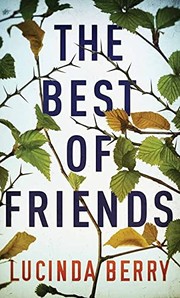
The Best of Friends
Three lifelong friends discover their teenage sons were hiding more than anyone knew after a night that leaves one dead, one in a coma and one silent.
2,040-word summary · 9 min read

Say You're Sorry
A widowed prosecutor defends the teenager accused of killing her babysitter, uncovering a small town's secrets and a killer hiding in plain sight.
2,116-word summary · 9 min read
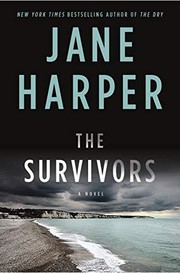
The Survivors
Kieran Elliott returns to Evelyn Bay twelve years after a storm killed his brother, and a young woman's murder forces the town to face what it has concealed.
2,571-word summary · 11 min read
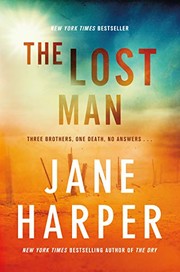
The Lost Man
A man is found dead at a lone grave in the Queensland outback, his car stocked and kilometres away. His brother works out the last day and the family behind it.
2,036-word summary · 9 min read
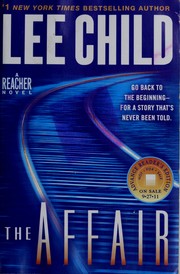
The Affair
In 1997, Reacher goes undercover in a Mississippi town where a murder near an army base collides with a senator's power. The case that ends his military career.
2,039-word summary · 9 min read
Blindsighted
Sara and Jeffrey hunt a killer staging women in small-town Georgia.
2,400-word summary · 11 min read
Killer Instinct
Teen profiler Cassie Hobbes rejoins the FBI Naturals to stop a copycat repeating Dean Redding father murders.
2,600-word summary · 12 min read
Keep It in the Family
Mia and Finn renovate a long empty house and find seven children hidden in the attic.
2,270-word summary · 10 min read

We Begin at the End
Thirteen-year-old Duchess Day Radley shields her little brother Robin after their mother dies, as freed killer Vincent King returns and sick chief Walk tries…
2,956-word summary · 13 min read
Long Bright River
Philadelphia officer Mickey patrols Kensington amid the opioid crisis, hunts a killer of vulnerable women, and searches for her missing addict sister Kacey…
2,986-word summary · 13 min read

Kill Joy
Pip hosts a 1920s murder mystery party with her friends, solves the fake case, and feels a real scare that points toward A Good Girl's Guide to Murder.
2,537-word summary · 11 min read
What Lies Between Us
Nina keeps mother Maggie locked upstairs for years, trading lies about sisters and deaths that unravel fast.
2,062-word summary · 9 min read
The Other Mrs.
A Chicago family inherits a house on a Maine island, then a neighbor is found murdered. Kubica's 2020 thriller builds to a final reframe.
2,267-word summary · 10 min read
The Chain
Rachel must kidnap another child to save kidnapped Kylie, entering a chain where parents pass crime forward.
2,021-word summary · 9 min read

Sadie
Sadie hunts sister killer while podcast chases her in split narrative thriller.
2,091-word summary · 9 min read
Reconstructing Amelia
A grieving lawyer mother reopens her teen daughter's alleged suicide at an elite Brooklyn school, uncovering bullying and secrets.
2,032-word summary · 9 min read

Pieces of Her
After her mother kills a mall shooter with shocking skill, Andy Oliver uncovers a hidden 1980s past of radicals and wealth.
2,791-word summary · 12 min read
What Lies in the Woods
Naomi returns after Olivia vanishes to face what happened in the woods at eleven.
2,213-word summary · 10 min read
The Storm
A struggling innkeeper, a returning murder suspect, and a true crime writer collide as another hurricane bears down on the Alabama coast.
2,349-word summary · 10 min read
The Soulmate
A cliffside fall leaves a wife doubting her husband as old abuse and buried secrets surface.
2,126-word summary · 9 min read