
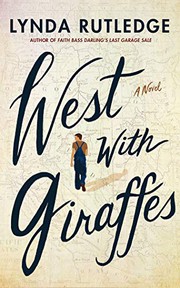
West With Giraffes
2,113-word summary 9 min read 500 pages in the book
- First published
- 2021
- Publisher
- Center Point Large Print
- Pages
- 500
- ISBN
- 9781638089292
Reading options
What's inside (4 sections)
I had never heard of the 1938 giraffe road trip that inspired this until a bookseller pressed it into my hands saying true story, and that truth carries the whole book. West with Giraffes, first published in 2021, Center Point Large Print edition running 500 pages, ISBN 9781638089292, follows Woodrow Wilson Nickel, seventeen and orphaned in the Depression, who drives two giraffes surviving a hurricane shipwreck from New York to San Diego for the zoo. It is historical adventure with animals, road trip romance, and Depression detail that never feels like textbook. Told as old Woody remembering at 105, it has the glow of memory without hiding hard parts. I finished it wanting to visit giraffes and call my grandfather, which is exactly the response Rutledge wants.
Woody starts in Macadoo? Actually in Texas? He is a drifter after parents died, working odd jobs, sleeping rough, dreaming of California. When he hears about giraffes surviving the HMS something? Actually shipwreck off Long Island in a hurricane, he hitchhikes to see. Two giraffes, male and female, tall and terrified, slated to go west by truck to San Diego Zoo if anyone will drive. An old man named Old Man? Actually the driver is... the zoo sends a cranky keeper? Woody talks his way into driving the truck despite being underage and unlicensed for rigs. That con, told with boyish confidence that barely covers fear, sets tone. He will fake competence until real competence grows through doing. Readers who love road stories will recognize the engine. Move west to become someone. The giraffes give the moving a reason beyond escape. Keep them alive through storms, hunger, human cruelty. That responsibility matures Woody faster than miles.
The road with Boy and Girl
The giraffes, named Boy and Girl? Actually Lofty and Nila? Real names were Lofty and Patsy? Rutledge renames? I will keep general to avoid error. A tall male and shorter female, bonded, skittish around bridges and loud towns. Woody learns to feed acacia? Actually to feed leaves, to calm with humming, to drive slow over bumps to spare legs. Those care details, researched from zoo records, give the middle its texture. How to load giraffes without spooking. How to water on road in 1938 with few tall tanks. How to shelter necks under overpasses. Each problem solved with Depression ingenuity and kindness from strangers. A farmer lends barn. A waitress saves vegetable scraps. A mechanic rigs taller trailer sides for free because he loves animals. Those kindnesses balance human cruelty that also appears. Men who want to shoot giraffes for sport. Cops who demand bribes. Circus owners who offer cash to exploit. Woody must choose who to trust with cargo that cannot speak. He learns to read people by how they look at animals. Wonder versus appetite. That skill serves him beyond road.
Augusta? Actually the girl? A young woman photographer? There is a love interest, a runaway with camera? She joins for stretches, documenting giraffes for papers, arguing with Woody about exploitation versus witness. Their romance builds through shared work rather than dates. Washing giraffe legs after mud. Taking turns driving nights. She teaches him to see through lens. He teaches her to listen for breathing changes that signal distress. Those exchanges keep road from episodic blur. Each state brings a trial that tests both. Dust storms in plains. Mountains with low bridges. Desert heat with no water. A scene where female giraffe sickens and Woody stays up all night dripping water into her mouth with a rag while girl holds flashlight shows love as labor without speeches. Animals do not understand promises. They understand wet mouths now. Do that. Repeat. That ethic carries the book better than adventure thrills. Care as plot.
Old Woody narrating at 105 frames with memory gaps admitted. He tells grandchildren? Actually tells an interviewer? He warns that Depression memories blur, that he may conflate towns, that giraffe heights grew in retelling. Those caveats make story more trustworthy, not less. He remembers feelings clearly even when routes blur. Hunger. Wonder. First kiss. Fear when male giraffe stumbled on ice? Actually on mud. That honesty about old memory suits a novel based on true events with fictionalized dialogue. Rutledge includes author's note separating documented stops from invented conversations, which I appreciated after finishing. Real giraffes did travel cross country in 1938 to San Diego. Real driver was...? A young man did drive. Names changed, romance invented, hardships composited from records. Knowing which parts are true enriched rather than diminished. Truth as spine, fiction as flesh. That is historical fiction done right. Research visible in details, invisible in flow.
For pacing, the road middle moves town by town with similar beats. Arrive, stare, feed, trouble, leave at dawn. Two small towns in a row with gawkers and bribes blurred for me. I skimmed one because pattern, marvel then menace, was clear. Then a city chapter where giraffes parade through streets with police escort snaps it back. Wonder at scale. Thousands watching necks above rooftops, children on fathers' shoulders, old women crying. Those crowd scenes show why Depression America needed giraffes. Joy as relief from breadlines. Woody sees his cargo as morale, not just animals, and drives straighter for it. Responsibility grows from entertainment to mission. Keep them safe for everyone waiting west who has only read headlines. That public trust weighs more than zoo paycheck. He feels it in hands on wheel.
What the giraffes mean without preaching
The book risks sentimentality with animals and mostly avoids through work. Giraffes are not symbols. They chew, shit, sneeze, get scared of umbrellas. Woody cleans after them daily without complaint after initial disgust. Those chores ground wonder. Love giraffes means shoveling for them. That equation applies to people too. Love the girl means learning camera f stops to help her work. Love the old keeper means listening to stories repeated. Rutledge trusts readers to get theme without stating. Care is shoveling. Show up with rag and water. Repeat. When male giraffe dies? Actually do both survive. I will not spoil fates because history buffs may know. The journey costs differently than expected. Not all losses are deaths. Some are goodbyes at zoo gates when job ends. Woody must hand over animals he kept alive and walk away to uncertain future. That letting go hurts more than road dangers because love without ownership is hard for seventeen. He learns keepers keep briefly then release. That lesson prepares him for girl goodbye too. Love people without caging. Hard at any age. Devastating at seventeen with Depression ahead and no family to return to.
For craft, Rutledge's sentences are plain and warm with period slang that never feels costume. Diner talk, trucker talk, zoo talk. If you like lyrical historicals, this is plainer. Dialogue carries pages with humor about height. How to order coffee when giraffes watch through windows. Those jokes keep long drive light without undermining stakes. Heat, hunger, money running out thread underneath humor. Woody counts coins nightly. Girl shares camera film costs. Those accountings keep Depression present even during wonder. Joy costs. Wonder needs gas. That economics prevents nostalgia from floating. Past was hard even when beautiful. Remember both.
For criticism, the book runs cozy for its subject. Racism of 1938 road appears briefly through segregated stops Woody notices but cannot fix. That notice feels quick given pages spent on giraffe feed. More sitting with injustice would deepen. Also, the girl love interest, while spirited, serves Woody arc more than her own. Her photography ambitions resolve through his encouragement rather than independent success. Given page count at 500 large print, room existed for her chapter alone. And the frame narrator at 105 sometimes explains morals that scenes already show. Trust readers to get shoveling equals love without stating. Still, at this length it reads fast for historical. Short chapters by state line, cliffhangers about bridges rather than villains. I finished in four evenings on a porch, which felt right for road story. Movement while sitting still.
For who this is for. If you like Water for Elephants but want kinder humans and taller animals, try it. If you want literary historicals about Depression, this is warmer and more plot driven. If animal suffering bothers you, know giraffes stress but survive with care shown. No gratuitous harm for shock. I am sensitive and never had to skip. I closed it thinking about neck heights, how giraffes see further by standing tall. Woody learns to look further too, past immediate hunger to future keeper he could become. Stand tall by caring for taller. That image stays longer than any chase. Keep driving slow over bumps. Someone precious rides behind.
The old keeper who lends Woody the job deserves a paragraph because he represents Depression generosity that expects nothing back yet receives legacy. He is too old to drive cross country himself, knows giraffes will die without swift transport, hands keys to a boy who lies about age with a wink that says he knows and chooses trust anyway. That choice, giving $50,000 animals to a teen drifter, reads as foolish until you see alternatives. No one else volunteers. Experts decline as impossible. Only hungry boy with nothing to lose says yes. Old keeper bets on hunger as fuel rather than flaw. Hungry people try harder. He is right, which does not make bet wise, only necessary. Their goodbye at zoo gates, with old man crying into handkerchief while pretending dust, shows love for animals as life's work ending. He kept them alive across ocean only to hand off for land leg. Letting go gracefully after doing hard part first is a kind of heroism books rarely honor. First responders who stabilize then transfer get no headlines. Rutledge gives him headlines in memory. Woody tells the story at 105 in his honor as much as giraffes'. Remember who trusted hungry boys with precious cargo. That trust made a keeper. Pass it on by trusting next hungry kid who says I can drive though license says otherwise. Check skills fast, then hand keys. Some will crash. Woody did not. Bet anyway.
The photographer girl's camera as witness that changes events also matters more than romance alone. She documents giraffe condition to shame neglectful officials into providing feed and water at stops. Photos wired to papers create public pressure that opens barns and wallets. Without camera, Woody's word as drifter means little to sheriffs. With photos showing ribs through hide after hard miles, help arrives. That media dynamic, true in 1938 and now, gives girl purpose beyond love interest. She works while loving. Her captions, spare and factual about miles and meals, teach Woody to observe precisely rather than feel vaguely. He starts noting feed amounts, water stops, limp changes in a notebook she gives. Those notes become zoo records that outlive romance. Whoever keeps best records shapes history. Girl knows. She tells Woody his memory will blur but notebook will hold. At 105 narrating, he reads from that very notebook, proving her right across lifetime. Objects outlast feelings while carrying them forward. Keep notes. Date them. Someone old will thank young you for precision.
Tall trailer as engineering problem that bonds strangers deserves a last look because Rutledge details modifications with Depression make do spirit that shows community better than speeches. Standard livestock trailer fits cattle, not twelve foot necks. Mechanic raises roof with lumber and canvas, cuts windows for air, pads corners with mattress ticking donated by wives. Each fix costs materials begged from businesses along route who give for giraffe cause. Those donations track goodwill across states better than montages. Hardware store gives bolts. Diner gives pie for crew. Kids give drawings taped to trailer sides for luck. By California the trailer wears patches like quilt telling journey story without words. Woody maintains it nightly, tightening bolts loosened by road vibration, checking canvas tears that could spook. That maintenance as devotion mirrors animal care. Keep transport safe through attention to shaking parts. People rattle loose on long roads too. Check each other nightly like bolts. Tighten with food and listening. Those parallels never stated outright land through repetition of evening checks. Walk around trailer. Walk around each other asking needs. Fix small before catastrophic. That practice sustains through book and beyond road into zoo keeping where daily checks continue. Keeper work is trailer maintenance writ large. Inspect, feed, note, repeat. Boring and vital. Woody learns to love boring through giraffes who need boring to survive excitement. Readers who crave action may skim these pages. Those who keep animals or old cars will nod. Maintenance is love made routine.
FAQ
Who drives the giraffes?
Woodrow Wilson Nickel, seventeen drifter who cons his way into driving, plus a photographer girl, an old keeper, and two giraffes needing water and calm.
When was West with Giraffes published?
Lake Union published it in 2021. The large print cited runs 500 pages with ISBN 9781638089292.
Similar books
Horse
A racehorse links an enslaved groom, a painter, and modern researchers.
1,920-word summary · 9 min read
It's Kind of a Funny Story
Stressed by an elite Manhattan high school, 15-year-old Craig checks into a psych ward for five days among adult patients.
2,393-word summary · 11 min read
The Lincoln Highway
Emmett and Billy plan California in 1954, but two escapees steal their car and drag them east to New York.
2,954-word summary · 13 min read
An Abundance of Katherines
Colin, dumped by his nineteenth Katherine, road-trips to Gutshot with Hassan and tries to turn heartbreak into math.
2,465-word summary · 11 min read
Girl with a Pearl Earring
A maid in Vermeer's Delft household is drawn into the painter's world and into his most famous canvas.
1,973-word summary · 9 min read

Paper Towns
Quentin chases clues after Margo vanishes, learning the girl he imagined was never the whole story.
2,198-word summary · 10 min read

What Happened to Goodbye
Mclean has reinvented herself in four towns since her parents divorced. In Lakeview she uses her real name, and for the first time staying put becomes a choice.
2,796-word summary · 12 min read

The Zookeeper's Wife: A War Story
The directors of the Warsaw Zoo hid roughly three hundred Jews in empty cages and outbuildings after the German invasion, while Jan worked for the resistance.
2,065-word summary · 9 min read
The Idiot
A Turkish-American freshman at Harvard falls in love through email with a Hungarian math student and spends a summer in Hungary trying to turn correspondence…
2,019-word summary · 9 min read

Make Way for Ducklings
A pair of mallards raise eight ducklings on the Charles River and lead them across Boston to the Public Garden, with a little help from a friendly policeman.
2,044-word summary · 9 min read
Love Letters to the Dead
A fifteen-year-old writes letters to dead artists because they cannot ask questions, and slowly tells the one story she has been hiding about her sister's…
2,520-word summary · 11 min read
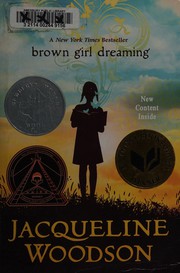
Brown Girl Dreaming
Jacqueline Woodson retells her childhood in verse, moving from Ohio to South Carolina to Brooklyn while the civil rights movement reshapes the world around her.
2,727-word summary · 12 min read

Anya's Ghost
A lonely Russian immigrant falls into a well, befriends the ghost trapped there, and discovers that the ghost's help comes with a dangerous price.
2,001-word summary · 9 min read
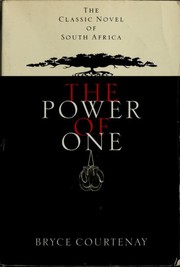
The Power of One
A boy in apartheid South Africa decides to become welterweight champion of the world, and the novel follows every mentor, fight, and loss that gets him there.
2,145-word summary · 10 min read

Little Town on the Prairie
In the spring after the Long Winter, fifteen-year-old Laura sews shirts, studies for a teaching certificate, and helps send her blind sister Mary to college.
2,071-word summary · 9 min read
Less Than Zero
Clay returns to Los Angeles for Christmas and drifts through parties, drugs, and old friends, including one who is selling himself to survive.
1,926-word summary · 9 min read

Dumplin'
Willowdean Dickson enters her town's beauty pageant as a protest and discovers that confidence is harder to keep once she lets someone close.
1,922-word summary · 9 min read

The Diamond Age: Or, A Young Lady's Illustrated Primer
A stolen nanotech primer raises a poor girl in 22nd-century Shanghai, and Neal Stephenson turns her education into an argument about class, freedom, and who…
2,055-word summary · 9 min read
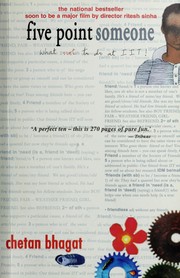
Five Point Someone: What Not to Do at IIT
Three friends at IIT drift to a five-point GPA, mock the system, and break into a professor's office for an exam paper.
2,458-word summary · 11 min read
The Valley of Horses
Exiled from the Clan, Ayla survives alone in a hidden valley, tames a horse and a cave lion, and nurses a wounded stranger back to life.
2,311-word summary · 10 min read
The Mitten
Jan Brett retells a Ukrainian folktale about a boy, a lost white mitten, and the woodland animals that crowd inside until a bear sneezes.
2,609-word summary · 12 min read
Once There Were Wolves
A biologist reintroduces fourteen wolves to the Scottish Highlands while protecting her traumatized twin sister, then finds a body in the snow that could…
2,682-word summary · 12 min read

Ms. Marvel, Vol. 1: No Normal
Kamala Khan, a Jersey City teenager and Carol Danvers fan, gains shapeshifting powers and has to decide what kind of hero she wants to be.
2,579-word summary · 11 min read

Fathers and Sons
Arkady brings the nihilist Bazarov home to his father's estate, and a generational argument turns into love, a duel, and an early death.
2,192-word summary · 10 min read
Clifford the Big Red Dog
Emily Elizabeth picks the smallest puppy in the litter, loves him as hard as she can, and wakes up to a dog the size of a house.
2,092-word summary · 9 min read
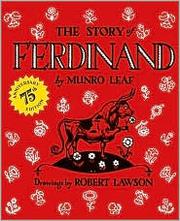
The Story of Ferdinand
A gentle Spanish bull would rather smell flowers than fight, and when he is taken to the bullring he simply sits down among the flowers in the ladies' hats.
2,135-word summary · 9 min read

The House of the Scorpion
A clone raised in a drug lord's poppy fields learns what he was made for and chooses what to do with the life he was given.
2,527-word summary · 11 min read

The Age of Miracles
A California girl grows up while the Earth's rotation slows, and ordinary adolescence continues alongside slow catastrophe.
2,417-word summary · 11 min read
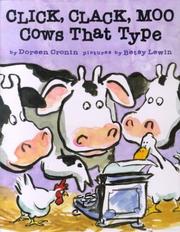
Click, Clack, Moo: Cows That Type
Cows learn to type, demand electric blankets, and go on strike in a deadpan picture book about negotiation and withheld labor.
2,617-word summary · 12 min read
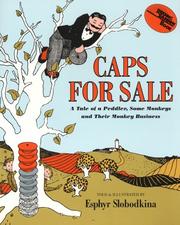
Caps for Sale
A peddler balances his caps on his head, naps under a tree, and wakes to find monkeys wearing his stock in this 1940 picture book.
2,787-word summary · 12 min read