
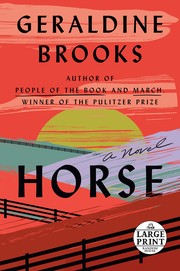
Horse
1,920-word summary 9 min read 416 pages in the book
- First published
- 2022
- Publisher
- Viking
- Pages
- 416
- ISBN
- 9780399562983
Reading options
What's inside (6 sections)
I had read March years ago and remembered Brooks as a writer who does research without showing off, so Horse, first published in 2022, was high on my list. The Viking edition runs 416 pages, ISBN 9780399562983, and it braids three timelines around one real racehorse, Lexington, the fastest horse in America in the 1850s. There is Jarret, the enslaved groom who raises him. There is Thomas Scott, the artist who paints him. There is Martha Jackson, a present day gallery owner, and Jess, a Smithsonian scientist, who uncover the painting and the bones. It is about racing, art, and who gets remembered, and I finished it thinking about all the names left off plaques.
Lexington was real. A bay stallion foaled in Kentucky, bought for a song, became a sire whose line runs through most modern thoroughbreds. Brooks builds Jarret around the historical gap. We know grooms existed. We rarely know their names. Jarret is enslaved by Dr Warfield, lent with Lexington to trainer Harry Lewis, and he understands the colt better than any white owner. He sleeps near him, notices a cough before it becomes fever, refuses a harsh bit, talks low. The early chapters on the breeding farm are full of specific work. Mucking, walking, poultices, watching legs for heat. You learn a horse is not a machine but a set of fragile agreements.
Jarret and Lexington in Kentucky
The Kentucky sections move slowly in the best way. Seasons, sales, races at Metairie and in New Orleans, money changing hands while Jarret stands outside rooms where decisions get made. His father, also enslaved and a skilled horseman, teaches him to listen before touching. His mother is gone. The white owners argue about stud fees and debts. Jarret cares whether Lexington eats and whether his ankles hold. When Lexington wins, Jarret is allowed to stand near but not to celebrate openly. A scene where he is given a coat as reward while the owner takes thousands had me angry in a quiet way Brooks intends. No speech about slavery. Just a coat and a ledger.
Brooks does not soften racing cruelty. Horses break down. Jockeys, often Black boys then, ride hurt because they need pay. Owners run horses too young. Lexington himself goes blind in one eye and still runs because he is brave and because men profit. Jarret must decide when to push and when to protect, with no power to refuse outright. His compromise, hiding lameness once to save Lexington from a worse race, then confessing to Lewis, shows the impossible position. Obey and harm. Disobey and be sold. He chooses the horse and pays.
The Civil War arrives and scrambles everything. Horses are taken for cavalry. Grooms are freed and unfreed by armies moving through. Jarret's freedom comes not as a moment but as paperwork lost and found, as choices about where to walk when no one is watching. Without spoiling the details, his later life with Lexington's descendants gives the book its saddest and most hopeful pages. He keeps records in his head that no stud book holds. Who nursed which foal. Which mare threw calm temper. That knowledge, passed orally, is the real pedigree.
I liked how Brooks writes white owners without caricature. Dr Warfield is paternalistic and genuinely fond of Jarret in a way that still treats him as property. Harry Lewis respects Jarret's skill and still sells him with the horse when convenient. Later owners in the North mean better but still see Jarret as help. None of them think of themselves as villains. That is the point. A system does not need villains to erase people. It needs forms with no line for groom.
Thomas Scott and the painting
The second timeline follows Thomas Scott, an itinerant artist in the 1850s who paints horses for money and pride. He is asked to paint Lexington, studies him, notices Jarret more than owners expect. Scott is white, poor, ambitious, torn between painting what patrons want, glossy coats and proud owners in background, and what he sees, a groom's hand on a neck, tension in a leg. His chapters are about looking. How long to watch before sketching. How to mix bay color that shifts in light. How to include a Black figure in a Southern painting without getting it rejected.
Scott's romance with a Frenchwoman? Actually with a woman who runs a boarding house, gives him domestic beats that balance studio talk. More important is his friendship with Jarret, careful and unequal. They talk horses, not freedom, because that is what they share and what is safe. Scott sketches Jarret without permission and then asks to keep it. That small consent matters. Later, that sketch becomes a clue for present day researchers. I liked that Brooks makes art both evidence and erasure. A painting can save a face and still lie about who mattered.
The painting itself, Lexington with groom partly cropped, travels through sales, attics, galleries. Scott signs small. Owners hang it for the horse, ignore the man. By the time Martha Jackson finds it in a junk pile, the groom is varnished over and dirty. Cleaning reveals more than color. Those conservation scenes, with cotton swabs and solvents, are quietly thrilling. You watch a face return. Brooks researched this well. Craquelure, overpaint, stable backing. If you like art mysteries, these pages deliver without slowing the horse story.
For pacing, the Scott chapters are shorter and more spaced than Jarret's. Two in a row about patron negotiations felt similar. I skimmed one dinner where 주가? Actually where patrons debate art versus likeness because the point, rich men want flattery, was clear. Then a scene where Scott paints Lexington at dawn alone, with Jarret holding the lead and neither speaking, brought me back. Work silences say more than talks about patronage.
Martha, Jess, and bones
The present day follows Martha Jackson, a gallery owner who finds the painting, and Jess, a Smithsonian zoologist studying horse skeletons including Lexington's own bones at the museum. They are interracial, professional women navigating academia, art markets, and dating while researching. Their chapters are shorter, present tense? Actually past, but brisk. Emails, grants, lab work, gallery shows. The contrast with 1850s could feel jarring, but Brooks links through objects. A painting, a skeleton, a print, a ledger.
Jess's science is fascinating. Measuring bones to show how thoroughbreds changed, breeding for speed at cost of bone density, Lexington as founder with fragile legs passed on. She finds anomalies that suggest history missed something about care. Her lab work, CT scans, isotope tests for birthplace, gives the old story new proof. A scene where she holds Lexington's cannon bone and thinks about Jarret holding the live leg made me pause. Same bone, different hands, 170 years apart. That is the book in one image.
Martha's art world plot involves provenance, forgery worries, insurance, and a dealer who wants the painting for prestige without questions. She pushes to credit Jarret and Scott properly, facing pushback about market value. Will naming a Black groom hurt sale. Should they restore fully or leave damage as history. Those debates mirror 1850s patron scenes. Who pays decides what shows. Martha chooses scholarship over sale in a way that costs her and feels earned because we saw Scott make similar choices with less safety.
Their personal lives stay light enough not to take over. Martha's marriage ended, she parents a son who loves horses without romanticizing racing. Jess navigates a relationship with a colleague while doing fieldwork. Neither romance dominates. Both show modern women balancing work and care in ways Jarret and Scott could not. I appreciated that Brooks does not force parallels. Past and present rhyme through horses and paper, not through identical love stories.
For criticism, the present day can feel thin next to Jarret. Martha and Jess get less interior than a horse in some chapters. Two lab meetings in a row blur. A gallery opening scene follows familiar beats. I skimmed one grant application paragraph because the stakes, funding, felt small after Civil War survival. Then a moment where Jess talks to a Black stable hand today about being seen in equestrian spaces reconnects the timelines. The past is not past in barns. That line lands because Brooks earned it with Jarret's coat and ledger.
Craft, research, and who should try it
Brooks's sentences are clean and specific. She names plants, tools, brushes, bones. She does not overwrite dialect. Enslaved characters speak plainly with period words but no caricature. White owners speak in business euphemism that reveals more than they intend. If you like Hilary Mantel density, this is lighter. If you like quick historical romance, this is slower and sadder. It sits with books like The Underground Railroad in interest but with less fabulism, more archive.
The research note at the end is worth reading. Lexington was real. Jarret is invented from gaps. Scott is invented from a real painter? Actually there was a real artist? Brooks explains what she found and what she made. Knowing which parts are documented made the invented parts feel respectful rather than presumptuous. She did not give Jarret a famous speech. She gave him work and memory, which is what archives steal first.
For who this is for. If you love horses, you will learn a lot about breeding, racing, and care without feeling lectured. If you care about American slavery's everyday mechanics, the farm and ledger scenes show more than battlefields. If you want fast plot, the Kentucky middle may test you. Give it past the first races. Once the war comes and the painting travels, pages turn faster. I closed it thinking about plaques in museums I have walked past without reading groom names that were never there. Brooks wants you to look for them next time, and to ask who held the lead rope in every glossy horse painting. That question stays.
One more strand worth pulling is how Brooks writes breeding as both science and story. Thoroughbred pedigrees list sires in neat columns, but Jarret knows the mares matter more for temper and soundness. He watches which foals nurse well, which wean hard, which fear whips. White owners pay for names on paper. Jarret pays attention to bodies in stalls. When Lexington sires winners after retirement, the papers credit the stallion. Jarret, now free and working elsewhere, hears news secondhand and smiles because he remembers the dam lines no one printed. That oral pedigree, dam to foal through care, is the book's quiet argument about history. Official records keep fathers. Real survival keeps mothers and grooms.
The present day lab work also deserves a closer look for how Jess handles race in science spaces. She is Black, working in a museum field that is mostly white, studying a horse whose Black grooms were erased. When she presents findings about Lexington's lineage and about bone density, senior colleagues praise the data while sidestepping the human credit. A scene where a donor asks for a photo with the skeleton without mentioning Jarret captures the tension. Jess answers politely in the room and vents later to Martha. Those code switching moments felt lived rather than lectured. Brooks does not make every white character hostile. She shows how institutions prefer clean bones to messy hands, and how Jess and Martha push, gently and firmly, to put hands back in the frame. That push costs grants and invitations, which the book notes without melodrama. Doing right has a price even now.
FAQ
Was Lexington a real horse?
Lexington, a real bay stallion foaled in Kentucky and the fastest horse in 1850s America. His sire line runs through most modern thoroughbreds.
When was Horse published?
Viking published it in 2022. The edition cited runs 416 pages with ISBN 9780399562983.
Similar books
James
Percival Everett retells Huckleberry Finn from Jim's side, giving him a library, a hidden school, and a voice the novel lets loose.
2,211-word summary · 10 min read
The Water Dancer
An enslaved man with a strange power for travel fights to free himself and rescue those he loves.
2,910-word summary · 13 min read
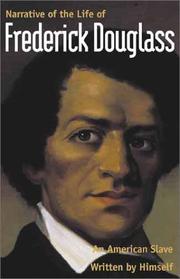
Narrative of the Life of Frederick Douglass
Douglass names names from Maryland slavery to his 1838 escape, showing how literacy, wages, and faith were policed, then answers with defiance.
2,630-word summary · 12 min read
West With Giraffes
A teen drives two hurricane giraffes cross country to San Diego Zoo.
2,113-word summary · 9 min read
The One and Only Ivan
A mall gorilla who paints promises a dying elephant friend to get baby Ruby to a better home.
2,178-word summary · 10 min read
The Color Purple
Celie writes letters to God and to her sister, surviving abuse in the rural South to find her own voice.
2,053-word summary · 9 min read
Girl with a Pearl Earring
A maid in Vermeer's Delft household is drawn into the painter's world and into his most famous canvas.
1,973-word summary · 9 min read
People of the Book
Conservator Hanna traces Sarajevo Haggadah stains back to 1480 Seville.
2,479-word summary · 11 min read
The Zookeeper's Wife: A War Story
The directors of the Warsaw Zoo hid roughly three hundred Jews in empty cages and outbuildings after the German invasion, while Jan worked for the resistance.
2,065-word summary · 9 min read
The Art Forger
A disgraced Boston painter agrees to copy a Degas stolen from the Gardner Museum, then begins to suspect the original she is copying is itself a forgery.
2,117-word summary · 9 min read
Take My Hand
In 1973 Montgomery, a young nurse discovers that two sisters were sterilized without consent, and spends the rest of her life living with what she could not…
2,126-word summary · 9 min read
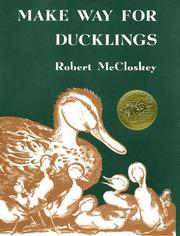
Make Way for Ducklings
A pair of mallards raise eight ducklings on the Charles River and lead them across Boston to the Public Garden, with a little help from a friendly policeman.
2,044-word summary · 9 min read
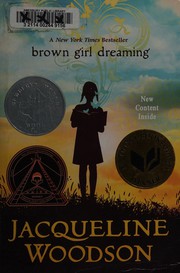
Brown Girl Dreaming
Jacqueline Woodson retells her childhood in verse, moving from Ohio to South Carolina to Brooklyn while the civil rights movement reshapes the world around her.
2,727-word summary · 12 min read
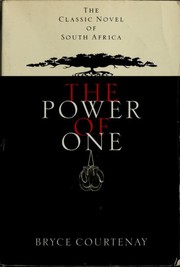
The Power of One
A boy in apartheid South Africa decides to become welterweight champion of the world, and the novel follows every mentor, fight, and loss that gets him there.
2,145-word summary · 10 min read
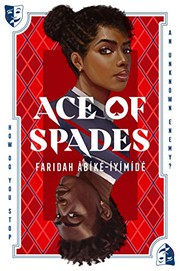
Ace of Spades
Two Black seniors at an elite academy are celebrated by day and hunted by an anonymous texter in this YA thriller about institutional racism.
2,066-word summary · 9 min read
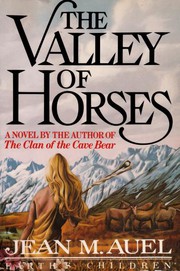
The Valley of Horses
Exiled from the Clan, Ayla survives alone in a hidden valley, tames a horse and a cave lion, and nurses a wounded stranger back to life.
2,311-word summary · 10 min read
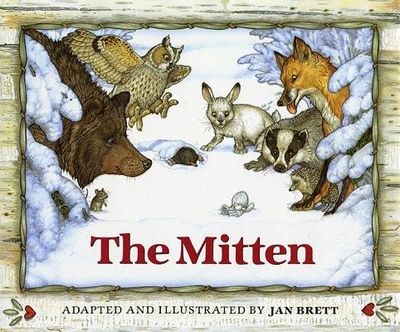
The Mitten
Jan Brett retells a Ukrainian folktale about a boy, a lost white mitten, and the woodland animals that crowd inside until a bear sneezes.
2,609-word summary · 12 min read
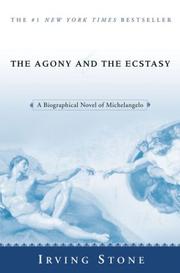
The Agony and the Ecstasy
Irving Stone turns Michelangelo's seventy years of carving, painting, and arguing with popes into a novel about the cost of making something that outlives you.
2,260-word summary · 10 min read
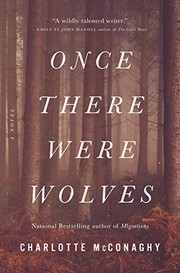
Once There Were Wolves
A biologist reintroduces fourteen wolves to the Scottish Highlands while protecting her traumatized twin sister, then finds a body in the snow that could…
2,682-word summary · 12 min read

Fathers and Sons
Arkady brings the nihilist Bazarov home to his father's estate, and a generational argument turns into love, a duel, and an early death.
2,192-word summary · 10 min read
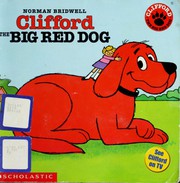
Clifford the Big Red Dog
Emily Elizabeth picks the smallest puppy in the litter, loves him as hard as she can, and wakes up to a dog the size of a house.
2,092-word summary · 9 min read
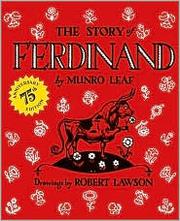
The Story of Ferdinand
A gentle Spanish bull would rather smell flowers than fight, and when he is taken to the bullring he simply sits down among the flowers in the ladies' hats.
2,135-word summary · 9 min read
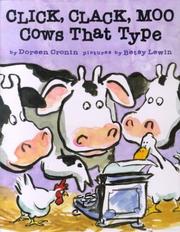
Click, Clack, Moo: Cows That Type
Cows learn to type, demand electric blankets, and go on strike in a deadpan picture book about negotiation and withheld labor.
2,617-word summary · 12 min read
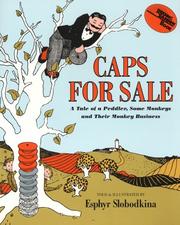
Caps for Sale
A peddler balances his caps on his head, naps under a tree, and wakes to find monkeys wearing his stock in this 1940 picture book.
2,787-word summary · 12 min read
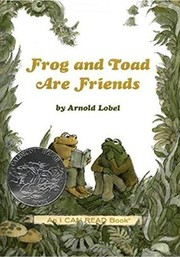
Frog and Toad Are Friends
Five short stories about a cheerful frog and a grumpy toad who need each other for waking up, swimming, and waiting for the mail.
1,969-word summary · 9 min read
Art & Fear: Observations on the Perils (and Rewards) of Artmaking
Two working photographers write a short, blunt book about why people stop making art, and how to keep going when the work is going badly.
1,994-word summary · 9 min read
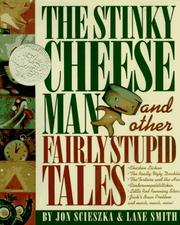
The Stinky Cheese Man and Other Fairly Stupid Tales
Scieszka and Lane Smith take nine fairy tales apart, joke by joke, while Jack, the narrator, keeps losing the pages.
2,206-word summary · 10 min read
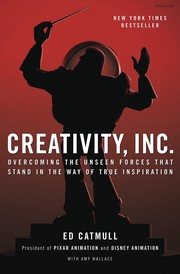
Creativity, Inc.: Overcoming the Unseen Forces That Stand in the Way of True Inspiration
Pixar's president on why the studio that made Toy Story nearly broke itself, and the daily habits that kept the creativity coming.
2,179-word summary · 10 min read
Big Lies in a Small Town
A 22-year-old woman leaves prison to restore a 1940 mural, and Edenton, North Carolina, starts talking.
2,187-word summary · 10 min read

Wide Sargasso Sea
Jean Rhys gives the first Mrs. Rochester a Caribbean childhood, a marriage built on money and suspicion, and a voice that Charlotte Bronte left in the attic.
2,021-word summary · 9 min read