
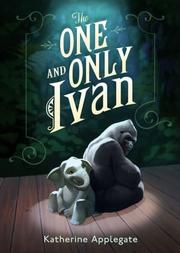
The One and Only Ivan
2,178-word summary 10 min read 320 pages in the book
- First published
- 2012
- Publisher
- HarperCollins
- Pages
- 320
- ISBN
- 9780061992254
- Series
- The One and Only (#1)
Reading options
What's inside (7 sections)
I did not expect to get pulled into a book narrated by a gorilla. I picked up The One and Only Ivan because a teacher friend keeps it on her classroom shelf and said it makes fifth graders argue about zoos in the best way. The edition I used is the HarperCollins hardcover, 320 pages, first published in 2012. It won the Newbery Medal the next year, which I knew going in, and I tried not to let that raise my hopes too high. Within forty pages I was reading slower, not faster, because Ivan's voice is plain and dry and it earns your attention.
Ivan lives in a shopping mall. Not near one. In one. The Exit 8 Big Top Mall and Video Arcade has a circus corner with sawdust and spotlights, and Ivan's home is a walled space of concrete and glass with a tire swing and a small pool and a television he watches at night. He has been there for 27 years, long enough that he barely thinks about the jungle where he was born. He paints pictures. He watches shows. He naps. He jokes with his neighbors.
His closest neighbors are Stella, an older elephant with a bad foot and long memory, and Bob, a stray dog who sneaks in to sleep on Ivan's belly and steals food when he can. The mall is run by Mack, a showman who bought Ivan years ago and who loves his animals in the way people love a business that feeds them. Mack has a worker named George and George's daughter Julia, who cleans alongside her dad and slips Ivan paper and crayons because she sees he likes to draw. The days run in a loop. Shows at set times. Popcorn and crowds. Photos. Then quiet.
What struck me early is how little Ivan complains. He does not give speeches about freedom. He describes what he sees. The smell of butter and cleaning fluid. The way children press hands to glass. The way Stella sways to ease her leg. He remembers being small and held, but the memory comes in flashes, not in long sad passages. I found that restraint more moving than any rant would have been.
Ruby arrives
The loop breaks when Mack brings in Ruby, a baby elephant taken from the wild. She is small, curious, and frightened by the noise and lights. She cries for her family at night. Stella, who has seen many young ones come and go, moves close to her and rumbles low to calm her. Ivan watches and finds his routine slipping. He cannot nap through Ruby's whimpers. Bob, who usually cares mostly about dinner, sticks around longer than usual.
Ruby asks questions Ivan cannot answer well. Where do trees go at night. Why is the sky inside. Whether her mother can hear her from far away. Ivan deflects with jokes at first. He has a dry sense of humor about humans and their habits, about how they stare and point and drop trash. But Ruby keeps asking, and Stella keeps watching Ivan as if to say this one is on you.
Mack is pleased at first. A baby elephant draws crowds. Ticket sales lift. He pushes more shows, louder music, longer hours. Stella, already worn, is worked harder. Her leg worsens. She struggles to lie down and to rise. George worries. Julia worries. Ivan notices and files it away the way he files everything, until he cannot file it anymore.
A new young animal in a tired show changes what everyone can pretend not to see.
I should say the book handles this without turning Mack into a cartoon. He feeds his animals. He talks to Ivan like an old partner. He is also tired and in debt and making bad calls. That mix felt true to me. People who love animals can still keep them badly when money and habit get in the way.
Stella's promise
Stella's health fails in the middle of the book, and these chapters are the hardest to read. She remembers a wide youth, other elephants, mud and rivers, and she tells fragments to Ruby at night to keep the calf steady. She tells Ivan she cannot keep going. She asks him to protect Ruby and to find a way to get her out of the mall into a place with grass and other elephants and room to grow.
I will not detail the death scene beat by beat because Applegate writes it spare and it lands better on the page. What matters is the promise. Ivan, who has spent years telling himself he is content with art and television and routine, says he will try. He has no plan. He is a gorilla in a box. But he gives his word to an old friend, and the book shifts after that from observation to intent.
Bob reacts in his own way, which is to get angry and then to get practical. He is blunt where Ivan is careful. He needles Ivan about wasting time. He scouts halls and doors. He reports what humans say when they think no animal listens. Julia also steps forward more. She brings better paper. She talks about billboards and ads and how pictures can make people act. George warns her not to meddle with Mack's business, and she listens just enough to stay safe while still helping.
For me this is where the book earns its reputation with teachers. It shows a moral turn without preaching. Ivan does not suddenly see humans as evil. He sees one small elephant who needs more than concrete, and he decides his own comfort cannot be the excuse anymore.
How a gorilla paints a way out
Ivan has always drawn. At first it was beetles and bananas and shapes for fun. Julia gave him colors and saved his work. Mack even sold some paintings in the gift shop, which Ivan found funny and a little sad. After Stella dies, Ivan starts painting with purpose. He paints what Ruby needs. He paints the wild as he half remembers it. He paints Ruby in a large open place with trees.
The plan that forms is simple and shaky. If humans will not listen to words, maybe they will look at a picture. Julia helps get Ivan's large paintings seen. George takes a risk by placing them where crowds and cameras pass. Word spreads. People who came for a cheap show start asking why a gorilla is painting urgent pictures of an elephant under trees. A local reporter picks it up. Animal welfare people visit. Attendance drops as questions rise, which forces Mack to face pressure he had brushed off for years.
I am keeping this general because the joy is in watching Ivan puzzle it out step by step. He tries one thing and it falls flat. He tries another. He wastes paper. He gets frustrated and tears a sheet. Bob steals fries and offers opinions no one asked for. There are nights when nothing moves forward and Ivan wonders if a promise to a dead friend is enough to beat concrete walls.
What I admired is that Applegate does not let art work like a spell. The paintings do not open cages by themselves. They embarrass the mall, they draw eyes, they give decent humans a reason to push harder. The actual move takes lawyers and zoo staff and transport crates and paperwork. Ivan cannot carry Ruby out on his back into sunset. Humans built the trap, and humans have to take it apart.
There is fair criticism to make here too. Readers who want a fast rescue may fidget. The middle has many short chapters where little happens except cleaning, feeding, small talk, and sleep. That slowness fits a captive animal's life, but on a tired evening I felt it drag. Also, Ivan's voice is sometimes too wise for a gorilla who claims to waste words. He notices ironies and turns phrases in ways that feel human in a gorilla suit. I accepted it because the book never pretends otherwise, but if strict realism matters to you, this will test you.
Leaving the mall
When change comes, it comes in trucks and forms and tired adults arguing in hallways. Inspectors find problems Mack cannot explain away. A zoo with a real gorilla habitat and an elephant program agrees to take Ivan and Ruby. Mack fights it, then stalls, then signs. He is not written as redeemed in a big speech. He is written as beaten and, near the end, oddly tender, stroking Ivan's hand through bars and saying little. I felt sorry for him and angry at him in the same paragraph, which I think is what Applegate wanted.
The goodbyes are plain and hard. Bob, who has no papers and no cage, chooses to stay loose in the way stray dogs do, though Julia's family leaves food and a blanket where he can find them. Julia cries and draws Ivan a farewell picture full of mistakes that Ivan loves. George shakes Mack's hand and looks away. Ruby, who does not fully grasp what a zoo means, clings to Ivan's side until handlers coax her with food and soft voices.
Transport is strange and loud after years of mall hum. Ivan rides in a crate that smells of straw and diesel. He watches lights pass. He thinks of Stella and whether promises count after death. Applegate keeps his thoughts short here, which helps. A long speech would have broken the mood.
The zoo arrival is not instant joy. That honesty matters. Ivan is put in a separate space at first. Vets check him. He paces. He misses his tire and his television in flashes and feels ashamed of missing them. Then he sees grass that goes on, and a hill, and other gorillas at a distance who stare back with open curiosity. Ruby trumpets from her own yard. The sound carries. Ivan sits down in the sun and breathes different air.
Freedom here means a larger, kinder enclosure, not the wild, and the book does not hide that gap.
Some readers may wish Applegate had sent them back to Africa. She does not, and I think she is right not to. These are animals raised by humans who cannot survive release. A good zoo with space and company is the best repair available. Saying so plainly respects kids enough to tell them the truth.
What the book does well, and where it strains
Looking back, the strengths are clear. Ivan's narration stays steady. Short chapters with white space make it inviting for reluctant readers without dumbing anything down. Stella gives weight without taking over. Bob gives laughs without turning the story into a joke. Julia and George give young readers a way in, a kid and a parent who do small brave things like saving art and making calls.
The true story roots help too. The real Ivan lived for years in a Tacoma mall and later moved to Zoo Atlanta, where he lived a long life. Applegate borrows that frame and builds a kinder, tighter tale around it. She says in an afterword that she changed and compressed events, which I appreciated. Knowing the bones are real kept me from dismissing the mall as too strange to be true. Malls really did house such shows. People really did pay and pose.
My criticisms are modest but worth stating. Mack's money troubles are sketched thin. I wanted one clear scene of bills and empty seats to grasp why he pushes Stella so hard. The press and rescue move quickly after a slow build, and a few adult helpers blur together. And as noted, Ivan's wit sometimes sounds like a tired adult rather than a sheltered ape. None of this broke the book for me, but it kept it from feeling perfect.
I would hand this to readers around eight to twelve, and to any adult who likes animal stories without sugar coating. If captivity distresses you, know the sad parts are handled gently but do not look away. Stella's decline and Ruby's night crying are meant to ache. The ending repairs much, though not all, and it leaves room to talk about what we owe animals we put on display.
What stays with me is not a message but a picture. A large silverback sitting late at night with paper spread wide, pressing hard with a crayon, trying to show two legged crowds what words never got across. He is not an artist in the gallery sense. He is a friend trying to keep a promise with the only tools he has. The HarperCollins hardcover runs 320 pages but reads shorter because so many pages hold brief chapters and Patricia Castelao's drawings. I finished it in two sittings and sat quiet after, thinking about Stella's request and how long Ivan carried it alone. For a book told in such plain lines, that is a large thing to carry, and it carries well.
FAQ
When was The One and Only Ivan published?
It was first published in 2012 by HarperCollins as a 320-page hardcover. It won the Newbery Medal the next year.
Is it part of a series?
Yes. It is Book 1 of The One and Only series, followed by Bob, Ruby, and Family. The summary follows Ivan meeting Ruby in the mall.
Do Ivan and Ruby return to the wild?
No. Ivan and Ruby move to a zoo with grass, space, and company. The book says plainly this is a larger kinder enclosure, not release to the wild.
Similar books
More from The One and Only first, then related titles.
Clifford the Big Red Dog
Emily Elizabeth picks the smallest puppy in the litter, loves him as hard as she can, and wakes up to a dog the size of a house.
2,092-word summary · 9 min read
Frog and Toad Are Friends
Five short stories about a cheerful frog and a grumpy toad who need each other for waking up, swimming, and waiting for the mail.
1,969-word summary · 9 min read
Stellaluna
A baby fruit bat falls into a bird nest, learns to perch and eat bugs, then reunites with her mother in Cannon's acclaimed 1993 picture book about difference…
2,486-word summary · 11 min read
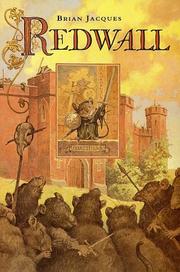
Redwall
A novice mouse hunts for Martin the Warrior's lost sword while Cluny the Scourge besieges Redwall Abbey.
2,727-word summary · 12 min read
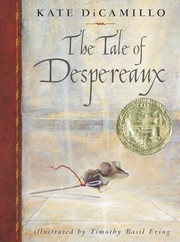
The Tale of Despereaux
A bookish mouse, a light loving rat, and a servant girl meet in a castle where soup is banned to save Princess Pea.
2,680-word summary · 12 min read
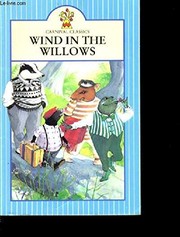
The Wind in the Willows
Mole, Rat, Badger, and Toad mess about in boats, lose themselves in the Wild Wood, and retake Toad Hall.
2,033-word summary · 9 min read
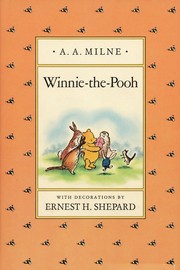
Winnie-the-Pooh
Edward Bear comes downstairs bump-bump-bump and into the Hundred Acre Wood for honey, hunneys, and heffalumps.
2,068-word summary · 9 min read
The House at Pooh Corner
Tigger bounces into the Hundred Acre Wood while Pooh builds Eeyore a house and Piglet does a grand thing.
2,022-word summary · 9 min read
Make Way for Ducklings
A pair of mallards raise eight ducklings on the Charles River and lead them across Boston to the Public Garden, with a little help from a friendly policeman.
2,044-word summary · 9 min read
Hard Luck
Rowley has a girlfriend, so Greg turns to a Magic 8 Ball, a family Easter hunt and the school yearbook for answers.
2,586-word summary · 11 min read
The Mitten
Jan Brett retells a Ukrainian folktale about a boy, a lost white mitten, and the woodland animals that crowd inside until a bear sneezes.
2,609-word summary · 12 min read
The Story of Ferdinand
A gentle Spanish bull would rather smell flowers than fight, and when he is taken to the bullring he simply sits down among the flowers in the ladies' hats.
2,135-word summary · 9 min read
Click, Clack, Moo: Cows That Type
Cows learn to type, demand electric blankets, and go on strike in a deadpan picture book about negotiation and withheld labor.
2,617-word summary · 12 min read
Caps for Sale
A peddler balances his caps on his head, naps under a tree, and wakes to find monkeys wearing his stock in this 1940 picture book.
2,787-word summary · 12 min read
The Stinky Cheese Man and Other Fairly Stupid Tales
Scieszka and Lane Smith take nine fairy tales apart, joke by joke, while Jack, the narrator, keeps losing the pages.
2,206-word summary · 10 min read
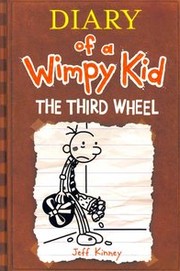
The Third Wheel
Greg tries to find a date for the Valentine's dance, ends up the third wheel in his own plan, and watches Rowley get the girl.
2,019-word summary · 9 min read
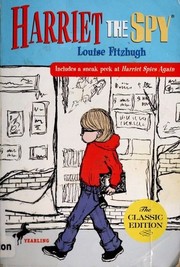
Harriet the Spy
Eleven year old Harriet Welsch fills notebooks with honest, often cruel observations about her neighbors, until her classmates read one and turn her spy route…
2,510-word summary · 11 min read
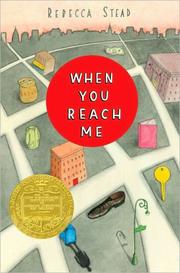
When You Reach Me
A sixth grader in 1970s New York gets strange notes that seem to predict the future.
2,456-word summary · 11 min read
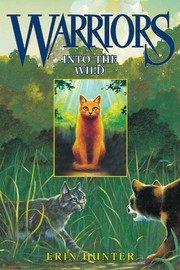
Into the Wild
Housecat Rusty joins ThunderClan and learns clan law before war.
2,597-word summary · 12 min read
Hoot
Roy tracks a shoeless boy to save burrowing owls from a pancake house.
2,290-word summary · 10 min read
Gregor the Overlander
Gregor follows Boots down a grate into the Underland and a war prophecy.
2,516-word summary · 11 min read
Bud, Not Buddy
A ten year old orphan in the Depression walks to find a jazzman he thinks is his father.
2,568-word summary · 11 min read
The Miraculous Journey of Edward Tulane
A china rabbit lost at sea learns to love through owners kind and cruel across many years.
2,002-word summary · 9 min read
The Interestings
Meg Wolitzer follows Jules Jacobson from 1974 arts camp into middle age, as friendship with Ethan and Ash turns into envy, money gaps, marriage strain, and…
2,990-word summary · 13 min read
The Jungle Book
Mowgli, raised by wolves in the Seeonee Hills, learns the Law from Baloo and Bagheera while Shere Khan circles. Kipling's 1894 story collection.
2,799-word summary · 12 min read
Stuart Little
A two-inch boy in a New York family befriends a canary, loses her, and drives off alone to find her.
2,591-word summary · 12 min read
Maniac Magee
Orphaned Jeffrey Magee runs to Two Mills, becomes a playground legend, and tests a town split by race while hunting for a real home.
2,219-word summary · 10 min read
Cabin Fever
Greg Heffley gets snowed in with his family before Christmas while dodging blame for school property damage.
2,221-word summary · 10 min read
The Ugly Truth
Greg faces puberty, a school lock-in and Uncle Gary's wedding while Mom returns to college in Wimpy Kid book five.
2,766-word summary · 12 min read
The Twits
Mr. and Mrs. Twit trade vile pranks and torment caged monkeys until the birds and monkeys flip the house on them.
2,864-word summary · 13 min read