
Reading options
What's inside (8 sections)
I came back to The Twits because my copy is falling apart. The spine is cracked open at the middle, the pages are soft at the corners, and there are crumbs in it from at least three different years. That feels right for this book. First published in 1980 by Jonathan Cape with pictures by Quentin Blake, the edition cited here runs 96 pages, it is the shortest Dahl I own and also the one I have handed to more kids than any other. It takes about an hour to read aloud if you stop to laugh, which you will.
What surprised me on this reread is how little story there is and how much it still works. There is no chosen child, no factory ticket, no giant peach to climb inside. There are two horrible adults, a cage of monkeys, one very sticky tree, and a bird with bright feathers who finally sorts everything out. That is nearly the whole cast. Dahl does not build a world here. He builds a house with no windows, a garden with a dead tree in it, and a marriage that runs entirely on spite, then he lets the spite eat itself.
The opening idea is blunt and memorable. Dahl says ugly thoughts make people ugly to look at, and good thoughts can make a plain face pleasant to see. He means it as a joke and as a warning at once. Mr. and Mrs. Twit have spent so many years thinking mean thoughts that their faces have curdled. Kids get this immediately. Adults sometimes flinch at it, because it is unfair as a general rule in real life, but in the book it sets the terms. We are not being asked to pity these two. We are being asked to watch them lose.
Ugly From the Inside Out
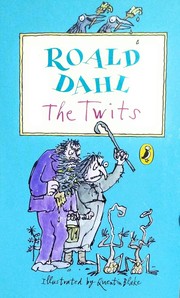
Mr. Twit starts with his beard. Dahl hated beards, and he gives Mr. Twit the worst one in children's books. It is bristly and matted and never washed, and it collects everything he eats. Bits of breakfast cereal lodge in it. Sardine oil soaks into it. Old cheese goes crusty in the corners. When he wipes his mouth on his sleeve, more food migrates into the hair. Blake draws it as a kind of nest, with stray crumbs and strands going in every direction, and the drawing does half the comedy work before you even get to the plot.
Mrs. Twit is not better, only different. She has a glass eye that never quite looks where it should, and she carries a walking stick she does not really need for walking. The stick is for hitting. Dogs get hit. Cats get hit. Small children who come too close get threatened with it. Her face is described as sour and puckered from years of plotting, and her one good eye is always watching for the next chance to trick her husband. The house they share has no windows, which tells you everything about how they live. No light gets in. No neighbors look in. It is a closed box for two people who enjoy being unpleasant.
Blake's pictures matter a lot here. His line is scratchy and fast, full of ink splots and wobbling legs and flying food. Mr. Twit looks like he smells. Mrs. Twit looks like she is about to swing her stick at the reader. The monkeys look tired and patient in a way that makes you side with them at once. The Roly-Poly Bird, when he arrives late in the book, looks like color has finally entered the pages.
The Glass Eye, the Frog and the Worm Spaghetti
The first third of the book is a prank war, and Dahl paces it like a tennis match. Serve, return, harder serve. No one learns. No one apologizes. That is the point and also, after a while, the limit.
It starts with the glass eye. Mrs. Twit has learned she can pop it out and put it back whenever she likes, which gives her options most people do not have. One morning she slips it into Mr. Twit's mug of beer while he is looking the other way. He drinks without noticing, then sees the eye staring up at him from the bottom when he finishes. He jumps. She tells him she is watching him everywhere, even when she seems to face the wall. For a man as vain and jumpy as Mr. Twit, this lands hard. He spends the rest of the day checking over his shoulder.
He pays her back with a frog. He catches a large one by the pond, carries it home hidden in his hands, and slides it between the sheets on her side of the bed. That night she feels something cold and damp moving near her feet and pulls back the covers to find it looking up at her. She screams. He pretends to be asleep, then pretends to be surprised, which fools nobody. The pleasure for him is the scare plus getting to act innocent afterward while she is still shaking.
She answers with worms. She digs up long earthworms from the garden, keeps them in a tin under her apron, and stirs them into his spaghetti at lunch. She covers everything with tomato sauce and cheese so the plate looks normal. Hers is plain. His moves. When he pokes at it with his fork and says the noodles seem alive, she tells him it is a new kind of pasta and urges him to eat up while it is hot. He eats the whole plate before she tells him what was mixed in. His reaction is physical in a way kids find hilarious and adults find revolting.
What I notice now is how domestic these tricks are. Beer, bed, lunch. The props are familiar. A mug, a sheet, a plate. You do not need to imagine a chocolate factory to get why finding a frog in your bed would ruin your evening.
A fair note: this section repeats its own rhythm. Trick, revenge, bigger revenge. Kids usually do not mind. Still, this is the first place where the book shows its thinness. Nobody grows. The comedy comes from escalation alone, and escalation has a ceiling.
Stilts, Shrinks and Balloons
The walking stick prank is the longest in the book, and the best constructed. Mr. Twit decides to make his wife believe she is shrinking. He reasons, correctly, that Mrs. Twit is vain about her height and nervous about losing it. Late at night he sneaks to her stick and glues small discs of wood to the bottom, making it a fraction taller. Then he waits.
In the morning Mrs. Twit leans on the stick and feels wrong. The stick reaches a little higher than it should, which can only mean she has grown shorter in the night. She complains. He acts concerned. He suggests the dreaded shrinks, a made up illness that sounds plausible enough to scare her. Every night he adds another sliver of wood. Every morning she feels smaller. She starts to stoop to match the stick. She asks him if her feet still touch the floor properly. He keeps a straight face and adds more.
Dahl stretches this over several days in the story, and the slow build is what makes it work. The earlier pranks were instant. This one needs patience.
The payoff goes airborne. Mr. Twit tells her the only cure for the shrinks is to be stretched. He ties a bunch of large balloons to her arms and to the top of her head. She rises over the garden with her stick still in her hand while Mr. Twit watches from below. He has to shoot the strings to bring her down, popping them one by one until she drops.
She lands hard. That chase is the end of the married pranks and the start of the second half of the book. He moves the camera to the garden, where other victims have been waiting all along.
If you are reading aloud, this is the chapter that gets the biggest laughs. In the book the pain is rubbery and brief. Characters bounce. That softness keeps the tone comic rather than cruel, though parents of anxious children may want to name that out loud.
The Big Dead Tree and the Monkeys Who Had Enough
Behind the house stands the Big Dead Tree. It has no leaves because it is dead. Dahl writes that sentence flat, as if daring you to laugh, and most children do. The tree is where Mr. Twit catches birds. He wants them for bird pie, which Mrs. Twit bakes on Wednesdays, and he has a method that is genuinely upsetting even in a comic book.
The method is glue. He keeps a pot of stuff called Hugtight, described as the stickiest glue in the world, and paints it along the branches in the evening with a brush. Birds come at dusk to roost, settle on the branches, and find their feet stuck fast. In the morning Mr. Twit climbs a ladder and picks them off like fruit. Dahl does not soften this. The birds panic. They cannot fly. They are carried inside to become filling. For a book full of fake scares, this is a real one, and it changes the temperature of the story.
In a cage near the tree live the Muggle-Wumps, a family of monkeys. There is a father, a mother, and two small children. Years ago the Twits worked as circus trainers, and they brought the old habit home. They force the monkeys to stand on their heads all day as practice for a promised upside down circus that will never open. Imagine holding a headstand from morning to night because two retired show people think it is funny. The monkeys are sore, bored, and furious. They have every reason to want out.
Dahl gives the monkeys a clear inner life without making them cute. The father, Muggle-Wump, thinks. He watches. He waits for a chance. He hates the Twits with a steady adult hatred, not a tantrum, and he keeps his family together by promising that the chance will come. The children ask when. The mother comforts them. When the Roly-Poly Bird stops by on his migration route, they finally have someone to talk to who can fly and carry messages. That meeting turns the book from a string of gags into a plot.
There is also a grimly funny aside where four schoolboys see the ladder against the sticky tree one Tuesday night and climb up for a look. They get stuck by their hands and seats and have to be peeled off the next morning. Mr. Twit is annoyed because the boys scare the birds away, not because they are hurt. The boys are embarrassed rather than harmed, and Dahl uses them to show how indiscriminate the glue is. It sticks to anything that touches it. That fact will matter very soon.
This middle stretch is where some readers sour on the book. The bird catching is mean in a way the spaghetti worms are not. Worms in lunch are gross. Gluing wild birds for pie is killing for appetite. Dahl wants you to feel that difference. The Twits are silly on the surface and cruel underneath. They are keepers who cage monkeys and trappers who kill songbirds for a weekly meal. The comedy does not excuse it. It frames it so children can name it as wrong and root for the reversal.
The Roly-Poly Bird Turns the House Upside Down
The Roly-Poly Bird is large, bright, and kind, and he speaks the languages of both birds and monkeys in the story. When Muggle-Wump tells him about the glue and the cage and the headstands, the bird agrees to help. His first job is translation. He flies over the garden and warns the wild birds away from the tree in their own tongue, so that evening after evening the branches stay empty. Mr. Twit paints more glue, waits longer, and catches nothing. He blames the season. He blames the birds. He never blames himself.
When the Twits go into town to buy guns, meaning to shoot the birds instead of trapping them, the animals get their window. The monkeys climb out with the bird's help, and together with flocks of small birds they carry out a revenge that mirrors everything the Twits have done. They fetch the pot of Hugtight, drag chairs and tables and rugs up to the ceiling, and glue them there upside down. They glue the carpet to the ceiling. They glue the lamps. They turn the whole downstairs into a reflection of itself. It is slow work for small hands and beaks, and Dahl describes the hauling and sticking in detail because the effort is the joke. The weakest creatures in the garden do the heaviest lifting while the strong ones are out shopping.
The final touch is personal. Two large ravens carry the brush and drip glue onto the tops of the Twits' heads as they walk back up the garden path, so their hair is coated without them noticing. Inside, the Twits find the furniture on the ceiling and conclude they must be upside down themselves. Mrs. Twit panics first. Mr. Twit, ever the expert on being inverted after years of forcing headstands, suggests they stand on their heads to be the right way up. They do. The glue on their scalps meets the floor and holds.
They stick. That is the end, and Dahl plays it without mercy and without gore. Stuck upside down, the Twits begin to get the shrinks for real, or at least the story says their bodies compress from being inverted too long. They shrink and shrivel until nothing is left but clothes and a faint smell. A man who comes to read the gas meter finds the empty suits and the glued ceiling and walks away confused. The neighbors are not sad. The monkeys are already gone.
The escape is the warmest passage in the book. The Roly-Poly Bird offers the Muggle-Wumps a ride to Africa, where they were born and where it is warm. One by one he carries them across the sky and away from cages and glue and pie. Back in the garden the wild birds sing again over the dead tree.
Mean Is as Mean Does
So what is Dahl actually saying. The surface moral is the one he states at the start. If you have good thoughts they will shine out of your face, and if you have bad thoughts they will show no matter how often you wash. It is neat, it is quotable in paraphrase, and it is not really true in life. Good people can look tired. Cruel people can look charming. Dahl knows this. He is writing a fable, not a biology lesson, and the exaggeration is doing the teaching. Children understand the code at once. Inside matches outside here so you can spot danger early.
Under that is a tougher idea about revenge. The monkeys and birds win by copying the Twits' own tools. Glue for glue. Upside down for upside down. Headstands for headstands. Readers cheer because the punishment fits so exactly, and Dahl clearly wants that cheer. Still, it is worth noticing that nobody forgives anyone. The Twits never say sorry. The animals never offer a second chance. The ending is satisfying in the way a playground payback is satisfying, complete and a little cold. If your child asks whether the Twits should have been helped instead of shrunk, that is a good conversation, not a failure of the book. The book invites it by being so absolute.
Criticism belongs here too. The plot is thin and the middle sags if you are older than nine. Once you see the prank pattern, you can predict the beats. The humor leans hard on disgust, beards full of old food, worms as pasta, glue in hair, and disgust gets tiring across rereads. Some jokes about appearance and age have dated badly, and the stick Mrs. Twit uses to hit children and animals reads harsher now than it did in 1980. Dahl does not give Mrs. Twit or Mr. Twit any history that explains them. They arrive mean and stay mean. That flatness is deliberate, but it means the book has no surprise after the house flips.
Who is it for then. Newly independent readers around seven to ten do best, especially those who like gross humor and short chapters. Each prank is mostly self contained, so a bedtime chapter works without a long recap. Sensitive children who love animals may find the bird pie chapters hard. I would pre read those two pages if your reader cries over trapped birds.
A last practical note. If you buy it now, you will likely get a Puffin paperback with Blake's drawings kept large and the text well spaced. Keep a pencil handy for the beard page. Every child I know wants to list what is stuck in it.
FAQ
When was The Twits published and how long is it?
Jonathan Cape first published The Twits in 1980 with illustrations by Quentin Blake. The edition cited here runs 96 pages, close to the 87 pages of the first edition.
What pranks do Mr. and Mrs. Twit play on each other?
She hides her glass eye in his beer and serves him worm spaghetti, while he hides a frog in her bed and stretches her walking stick so she thinks she is shrinking. The stick gag ends with balloons lifting her over the garden.
How do the monkeys and birds defeat the Twits?
The Roly-Poly Bird warns birds off the glued tree, then helps the Muggle-Wumps glue the furniture to the ceiling while the Twits shop for guns. Glued heads stick the Twits to the floor upside down, and the bird flies the monkeys to Africa.
Similar books
Fantastic Mr. Fox
Mr. Fox raids three cruel farmers to feed his family, then outdigs tractors and a siege to host a feast underground.
2,910-word summary · 13 min read
Caps for Sale
A peddler balances his caps on his head, naps under a tree, and wakes to find monkeys wearing his stock in this 1940 picture book.
2,787-word summary · 12 min read
Curious George
Curious George retold: a monkey sails from Africa to the city, phones the fire station, floats off on balloons, and finds home.
2,979-word summary · 13 min read
Winnie-the-Pooh
Edward Bear comes downstairs bump-bump-bump and into the Hundred Acre Wood for honey, hunneys, and heffalumps.
2,068-word summary · 9 min read
The House at Pooh Corner
Tigger bounces into the Hundred Acre Wood while Pooh builds Eeyore a house and Piglet does a grand thing.
2,022-word summary · 9 min read
The BFG
Orphan Sophie is taken by the Big Friendly Giant, who blows happy dreams and eats vile snozzcumbers, and helps her stop nine man eating giants.
2,812-word summary · 12 min read
James and the Giant Peach
Lonely James escapes two cruel aunts inside a giant peach with huge insect friends, rolling to the sea and floating on gulls to New York City.
2,384-word summary · 11 min read
Matilda
Brilliant Matilda Wormwood teaches herself to read, faces her crooked parents and the fearsome Miss Trunchbull, and finds Miss Honey.
2,296-word summary · 10 min read
Charlie and the Chocolate Factory
Poor Charlie Bucket finds a golden ticket to tour Wonka's factory with four spoiled kids.
3,574-word summary · 16 min read
Make Way for Ducklings
A pair of mallards raise eight ducklings on the Charles River and lead them across Boston to the Public Garden, with a little help from a friendly policeman.
2,044-word summary · 9 min read
Amelia Bedelia
A literal-minded housekeeper follows her employer's list to disastrous and funny effect in the 1963 picture book that made wordplay a children's staple.
2,038-word summary · 9 min read
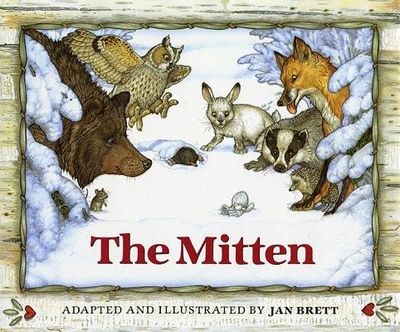
The Mitten
Jan Brett retells a Ukrainian folktale about a boy, a lost white mitten, and the woodland animals that crowd inside until a bear sneezes.
2,609-word summary · 12 min read
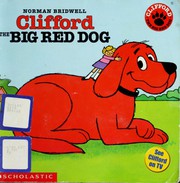
Clifford the Big Red Dog
Emily Elizabeth picks the smallest puppy in the litter, loves him as hard as she can, and wakes up to a dog the size of a house.
2,092-word summary · 9 min read
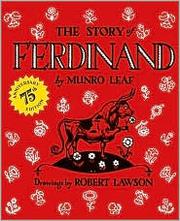
The Story of Ferdinand
A gentle Spanish bull would rather smell flowers than fight, and when he is taken to the bullring he simply sits down among the flowers in the ladies' hats.
2,135-word summary · 9 min read
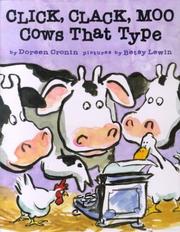
Click, Clack, Moo: Cows That Type
Cows learn to type, demand electric blankets, and go on strike in a deadpan picture book about negotiation and withheld labor.
2,617-word summary · 12 min read
Sideways Stories from Wayside School
Thirty stories, one class per floor, and a teacher who turns students into apples: Louis Sachar's absurd school classic.
2,045-word summary · 9 min read
Hoot
Roy tracks a shoeless boy to save burrowing owls from a pancake house.
2,290-word summary · 10 min read
The Jungle Book
Mowgli, raised by wolves in the Seeonee Hills, learns the Law from Baloo and Bagheera while Shere Khan circles. Kipling's 1894 story collection.
2,799-word summary · 12 min read
Mrs. Frisby and the Rats of NIMH
A widowed mouse races the spring plow to save her sick son Timothy, and finds help from the intelligent rats of NIMH hiding under the rosebush.
3,159-word summary · 14 min read
Brown Bear, Brown Bear, What Do You See?
A rhythmic animal parade teaches colors and names, from brown bear to schoolchildren.
3,226-word summary · 14 min read
Pippi Longstocking
A super-strong nine-year-old lives alone in Villa Villekulla, upending school, circus and town rules with neighbors Tommy and Annika.
3,115-word summary · 14 min read
Madeline
Ludwig Bemelmans's 1939 Madeline: the twelve girls in Paris, Miss Clavel, the midnight appendix scare, and why the smallest girl became a classic.
2,944-word summary · 13 min read
The Tale of Peter Rabbit
Peter Rabbit disobeys his mother, squeezes under the gate into Mr. McGregor garden, and ends in a chase back home to chamomile tea.
2,157-word summary · 10 min read
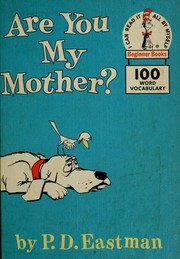
Are You My Mother?
A newborn bird falls from the nest and asks a kitten, a hen, a dog, a cow, a plane and a giant Snort if any will be his mother.
2,351-word summary · 10 min read
A Light in the Attic
Silverstein's attic poems and line drawings turn chores, monsters, and homework into jokes and small rebellions.
2,998-word summary · 13 min read
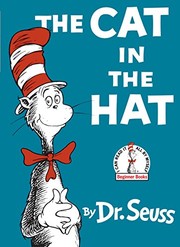
The Cat in the Hat
A tall Cat turns a rainy day upside down for Sally and her brother, with Thing One and Thing Two in tow.
2,546-word summary · 11 min read
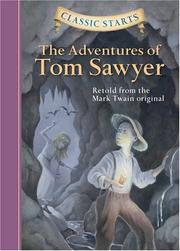
The Adventures of Tom Sawyer
Tom Sawyer skips school, chases Becky Thatcher and sees Injun Joe kill in a graveyard on the Mississippi.
3,439-word summary · 15 min read
Where the Sidewalk Ends
Sidewalk Ends retold: poems and drawings, Sarah Cynthia, unicorns, homework and giants.
1,952-word summary · 9 min read
George's Marvellous Medicine
George stirs a brew of dozens of household chemicals and gives it to his grumpy grandmother, and the medicine works far better than anyone planned.
2,014-word summary · 9 min read
Charlie and the Great Glass Elevator
Charlie and Wonka overshoot Earth in the glass elevator, meet alien Knids, then risk age pills and Minusland.
2,514-word summary · 11 min read