
Reading options
What's inside (7 sections)
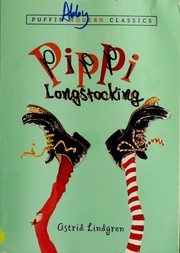
I came to Pippi Longstocking late, through a friend whose daughter had started dictating house rules in the style of a nine year old sea captain. No bedtime. Candy on Thursdays and also on most other days. Ponies in the kitchen if available. She blamed Pippi, and she said it with the tired pride of a parent who had read the same chapters four nights in a row. I borrowed her copy, a worn Puffin paperback, expecting a quick skim. I read the whole thing in two evenings and laughed more than I had in weeks. Then I sat with why it still works after eighty years.
The facts help place it. Pippi Longstocking by Astrid Lindgren was first published in Swedish as Pippi Långstrump in 1945 by Rabén & Sjögren in Stockholm, with pictures by Ingrid Vang Nyman. The standard modern English edition I used runs 160 pages in the Puffin Modern Classics paperback from 2005, ISBN 9780142402498, translated from Swedish. That short length hides a lot of history. Lindgren first told the stories to her daughter Karin when Karin was sick at home, wrote them down while recovering from an injury, saw one publisher turn the manuscript away, then won a children's book contest with a revised version. The book came out in November and sold fast. Children loved it at once. Some adults worried about it at once. Both reactions tell you what kind of book this is.
A note on names before the plot. In Swedish the original title is Pippi Långstrump. English editions call her Pippi Longstocking. She introduces herself with a very long full name that runs across the page, daughter of a sea captain. She lives alone in Villa Villekulla, a small tumbledown house at the edge of town, with a horse on the porch and a small monkey called Mr. Nilsson. Next door live Tommy and Annika Settergren, a careful brother and sister with kind parents and ordinary routines. Pippi has a suitcase full of gold coins, no parents at home, red pigtails that stick straight out, freckles, mismatched stockings, and shoes twice too large. She can lift her horse with one arm. She does not go to school until she decides to try it. She does what she says, and she says a great deal.
Villa Villekulla and the new neighbor
The opening chapters work like a door opening onto a different kind of childhood. Tommy and Annika have a good life but a predictable one. School, meals, clean clothes, polite conversation. Then a girl moves into the empty house next door without any grown ups. She cooks her own pancakes, sleeps with her feet on the pillow, tells stories that grow taller with each telling, and invites them over for coffee that turns into chaos and cake.
I loved how Lindgren stages these first visits. Pippi does not explain herself. She shows. She makes ginger snaps directly on the kitchen floor because the table feels too small for the amount she wants. She washes the floors by strapping brushes to her feet and skating through soapy water. She greets Tommy and Annika with total warmth and total confidence, as if living alone at nine is a sensible arrangement. The siblings are half thrilled and half shocked, which felt true to me. Most children I know would accept a friend who owns a horse long before they questioned where her mother is.
Physical strength is the first joke and the first clue. Pippi lifts her horse down from the porch when guests arrive. She carries policemen aside when they try to move her. She holds her own in arm wrestling with circus strongmen later on. Lindgren never frames this as scary. It reads as play. A child with the power of a grown sailor, using it to help friends reach high shelves or to stop a bully from hurting a smaller child. The physical comedy lands because Pippi herself treats it as normal. Of course she can carry a horse. Why would you leave a horse standing on a porch in the rain.
The money matters too. Pippi has gold coins from her father, Captain Ephraim Longstocking, who she believes is a king on a South Sea island after being lost at sea. She spends freely on candy and toys for other children, pays for damage when her games go too far, and has no sense of saving for later. Tommy and Annika notice this with wonder. Adults in town notice it with worry. Lindgren lets both views sit side by side. Generosity without any budget looks joyful to a child and reckless to a parent. The book does not solve that tension. It plays with it.
Short chapters help here. Each visit to Villa Villekulla feels complete in ten pages. You can read one aloud at bedtime and stop, which is probably why so many families still do. I found myself reading with a pencil, marking lines about how Pippi sets the table or talks to her monkey, because the domestic details are odd and specific. She sleeps under the covers with only her feet sticking out. She writes letters with creative spelling. She keeps her best manners for moments no one expects and forgets them at formal parties. Those small habits make her feel like a person rather than a symbol, which keeps the later adventures grounded.
School, the circus, and the policemen
The middle of the book follows a clear pattern. Pippi tries an ordinary institution, finds it too narrow, and leaves it kinder than she found it but unchanged herself. School comes first. Tommy and Annika persuade her to try a day. She arrives late, cheerful, curious, and completely unprepared for sitting still. She answers questions with jokes, stands when she wants to see better, draws on the wrong paper, and treats the teacher with friendly familiarity rather than respect for office.
I expected this chapter to feel mean toward teachers. It does not. Lindgren liked teachers and liked children, and both sides get fair treatment. The teacher is patient and a little bewildered. Pippi is bright but unschooled in the ways that matter for a classroom. She can tell wild stories about far places, count in odd ways, and spell from sound. She cannot see why you must raise a hand to ask what time it is when a clock hangs on the wall. The scene ends without punishment and without triumph. Pippi decides school is not for her right now. The teacher wishes her well. Tommy and Annika learn that clever has more than one shape.
The circus chapter is the most famous for a reason. Pippi buys tickets for herself and her friends with gold coins, sits in the best seats, then joins the act without permission. She rides a horse standing up, outwrestles the strongman Adolph, and corrects the ringmaster with perfect politeness while the crowd roars. Lindgren writes action with a light hand. No long buildup. A quick description of the tent smell, the music, the dust, then movement. Pippi on the horse, Pippi under the horse, Pippi lifting Adolph as if he were laundry. Children in the audience cheer because someone their size is winning. Adults laugh because rules are being broken without harm.
Then come the policemen, Kling and Klang in many translations, sent to move Pippi into a children's home. This is the chapter parents remember arguing about. Two kind but pompous officers climb through Villa Villekulla, try to reason with a child who reasons better, then attempt to carry her away and end up being carried themselves. Pippi lifts one in each arm and sets them gently on the road. She invites them for coffee after. She refuses to leave her house, not with anger but with clarity. This is my home. I take care of myself. I have friends next door. The officers leave scratching their heads.
What struck me rereading is how little fear Pippi shows. She likes the policemen. She offers them buns. She simply will not go. Lindgren gives her lines that sound funny and land hard. Why should she live among other children when she has her own house and horse. Why should she obey bedtime when no one tells her stories better than herself. Modern readers may hear neglect where 1945 readers heard freedom. Both readings fit. Lindgren lost no sleep over tidy morals. She trusted children to know the difference between a story and a plan.
Shopping sprees, coffee parties, and sea captains
After the town tries and fails to normalize Pippi, the book widens. There is a shopping trip where Pippi buys eighteen kilos of candy and hands it out to every child she meets. There is a coffee party with fine ladies where she puts her face in the cake and talks too loud, meaning to be friendly and missing every social cue. There is a rescue at a fire, a Christmas feast for poor children, and long evenings of storytelling where Pippi describes her travels with her father in terms that may or may not be true.
The shopping chapter shows Lindgren at her most generous. Pippi walks into stores with gold coins and no list. She buys what she likes and what others might like. She asks the shopkeeper earnest questions about doorknobs and hairpins that turn a routine errand into a game. Tommy and Annika follow with growing bags and growing delight. Strangers smile. One sour adult scolds waste. Pippi answers with courtesy and keeps handing out sweets. I read this as a fantasy of power used well. If you had endless coins at nine, would you save or share. Pippi shares without a second thought, and Lindgren lets her. The pleasure is in giving, not in owning.
The coffee party is harder and funnier. Invited to behave like a young lady, Pippi behaves like herself in a borrowed dress. She drinks too much coffee with sugar, interrupts stories to improve them, and treats delicate cups as toys. The hostess and her guests move from amusement to horror. Tommy and Annika sink in their chairs. Pippi notices late and apologizes in her own way, which only makes it worse. I winced and laughed in the same paragraph. Anyone who has brought a loud happy child to a quiet adult gathering knows this exact heat in the face.
Her father returns in stories before he returns in person. Captain Ephraim Longstocking, lost at sea and ruling an island in the South Seas in Pippi telling, writes letters and sends presents. Pippi repeats his adventures with additions. She claims she can do sums in faraway ports, ride sharks, and speak languages no one can check. Lindgren never tells us how much is true. That choice matters. Pippi is not lying to deceive. She is telling the kind of tales sailors tell, where memory and wish mix. Tommy believes with reservations. Annika believes because she wants to. I believed the way you believe a gifted friend who knows you know and keeps going because the story is good.
The rescue gives Pippi a chance to be heroic without showing off. When a fire traps two small boys in a high window, the crowd freezes. Pippi climbs with her monkey, walks a board, carries the boys down one by one while everyone holds breath. She accepts thanks with embarrassment rather than pride. This chapter balances the comedy. Strength used for show at the circus becomes strength used for help here. Lindgren places it late on purpose. By now we know Pippi can lift and climb. Watching her choose to do it for strangers changes how we see the earlier jokes. Power was never the point. Care was.
What Lindgren is really writing about
Under the jokes, this is a book about who gets to set the rules for a child. Pippi has no mother alive and a father absent for most of the story. She cooks, cleans in her own fashion, pays for things, and decides when to sleep. Adults offer help that sounds like control. Come to the home. Come to school on time. Sit still. Speak softly. Pippi listens, thanks them, and continues. Tommy and Annika, who love their parents, test these limits by proxy. They go home for meals and return for freedom. They learn they can love order and still enjoy disorder for an afternoon.
Lindgren writes this without preaching. She had worked with children, watched them closely, and respected their logic. Pippi argues like a child, not like a lawyer. If grown ups can stay up late to talk, why cannot she. If a teacher can ask surprising questions, why cannot she answer with surprising answers. The humor comes from applying adult rules evenly. The sting comes when adults cannot answer except by saying because I said so. Many cannot, and Pippi smiles and offers cake.
Friendship is the second theme, handled with care. Tommy and Annika are not sidekicks. They bring steadiness, worry, and questions that Pippi would never ask herself. Tommy wants to be brave and finds his courage near Pippi. Annika wants to be proper and learns she can be proper and still climb things. Pippi needs them because an audience makes stories better and because someone must remind her to eat before candy. Their parents model a good response to a wild neighbor. They feed her, welcome her, set boundaries, and let their children choose. That portrait of tolerant adults feels modern even now.
Money and class sit quietly in the background. Pippi has gold but no status. She gives to poor children at Christmas without making a show of charity. She treats shopkeepers, sailors, teachers, and fine ladies the same way, with direct interest. Lindgren, who grew up on a farm and worked as a secretary and editor, knew how Swedish society sorted people. Pippi ignores the sorting. She judges by kindness and fun. A lonely old woman gets company. A tired horse gets rest. A pompous ringmaster gets lifted. The standard is simple and hard to meet. Be kind if you can. Do not be dull if you can help it.
There is also grief, lightly held. Pippi misses her mother, who died when she was small, and her father, gone for long stretches. She speaks of her mother watching from above and her father ruling far away with a certainty that comforts her. She does not cry for pages. She sets an extra plate sometimes. She tells stories where parents return as kings. Adults may read this as a child managing loss through fantasy. Children may read it as fact within the story. Lindgren allows both. The sadness never takes over, but it gives weight to the laughter. A girl alone in a house with a monkey and a horse is funny until you picture winter evenings. Then funny and brave mix.
What creaks a little after eighty years
No book this old escapes its time entirely, and Pippi has parts that need framing. The South Sea island episodes, where Pippi visits her father and plays with local children, use language and ideas about faraway peoples that read as dated and patronizing now. Modern English editions have revised some terms, and publishers have added notes, but the basic setup of a white Swedish sailor as king of an island still jars. I skimmed these pages differently than the Villa Villekulla chapters, admiring the sailing games while wishing Lindgren had given the island children more distinct voices. Parents reading aloud may want to pause and talk about how travel stories once treated other cultures as backdrop. The adventure still moves. The frame needs context.
Pippi herself can exhaust as well as delight. She interrupts, boasts, and takes over every room. In small doses this is joyful. Across 160 pages it can feel relentless, especially for quiet readers who identify more with Annika. Tommy and Annika get tired in the story too, and Lindgren shows it honestly. They go home to rest. They sometimes wish Pippi would listen rather than perform. I wished for one more chapter where Pippi listens without turning listening into a game. The book gestures at it when she sits with Annika after a scare, but the moment passes fast. A little more stillness would have deepened her without taming her.
Translation choices also shape the experience. Early English versions smoothed some Swedish details, changed songs, and softened Pippi bluntness. The Puffin text I read keeps much of her edge but still feels a touch tidier than the Swedish reputation suggests. Food names, school routines, and holiday customs carry a Scandinavian flavor that footnotes cannot fully explain. None of this ruins the story. It does mean English readers meet a Pippi slightly filtered through adult ideas of what is proper for children in English. If you can compare passages or hear Swedish names aloud, do. Herr Nilsson sounds funnier and stranger in Swedish, and Villa Villekulla has a rattle that Villa Villekula in English only partly keeps.
These are fair criticisms, not reasons to skip. The core still holds. A strong kind girl lives on her own terms, loves her friends loudly, uses power to help, and refuses to be pitied. Girls who rarely see themselves as leaders in older books can see it here without a lesson attached. Boys can enjoy being Tommy, brave by association and learning to think for himself. Adults can enjoy the satire of meetings, manners, and municipal care. The book trusts children with contradictions. People can be generous and annoying. Freedom can be wonderful and lonely. Rules can be useful and silly in the same hour.
If you are picking it up now, read two or three chapters at a time rather than all at once. Let the repetition settle. Pippi returns home, counts coins, feeds animals, tells a taller tale. That rhythm is part of the comfort. Keep the facts in mind as you go. A 1945 Swedish story, born from a mother entertaining a sick child, revised after rejection, published by Rabén & Sjögren with art by Ingrid Vang Nyman, now read worldwide in a slim 160 page English edition. The history makes the voice more moving. Lindgren wrote while her own life was uncertain, during war years, with a hurt foot and a restless mind. She chose joy with teeth. Pippi kicks, lifts, shouts, shares candy, rescues strangers, and goes home to sleep with feet on the pillow. I closed the book wishing I had known her at nine and glad I met her now. My friend daughter has excellent taste in role models, bedtime negotiations aside.
FAQ
When was Pippi Longstocking first published?
It was first published in Swedish as Pippi Långstrump in 1945 by Rabén & Sjögren in Stockholm, with pictures by Ingrid Vang Nyman.
Which English edition does this summary follow?
The Puffin Modern Classics paperback from 2005, which runs 160 pages with ISBN 9780142402498, translated from Swedish.
Who are the main characters?
Pippi in Villa Villekulla with her horse and Mr Nilsson, next-door neighbors Tommy and Annika Settergren, and her father Captain Ephraim Longstocking.
Similar books
James and the Giant Peach
Lonely James escapes two cruel aunts inside a giant peach with huge insect friends, rolling to the sea and floating on gulls to New York City.
2,384-word summary · 11 min read
Winnie-the-Pooh
Edward Bear comes downstairs bump-bump-bump and into the Hundred Acre Wood for honey, hunneys, and heffalumps.
2,068-word summary · 9 min read
The House at Pooh Corner
Tigger bounces into the Hundred Acre Wood while Pooh builds Eeyore a house and Piglet does a grand thing.
2,022-word summary · 9 min read

The Adventures of Tom Sawyer
Tom Sawyer skips school, chases Becky Thatcher and sees Injun Joe kill in a graveyard on the Mississippi.
3,439-word summary · 15 min read
Amelia Bedelia
A literal-minded housekeeper follows her employer's list to disastrous and funny effect in the 1963 picture book that made wordplay a children's staple.
2,038-word summary · 9 min read
Hard Luck
Rowley has a girlfriend, so Greg turns to a Magic 8 Ball, a family Easter hunt and the school yearbook for answers.
2,586-word summary · 11 min read
Clifford the Big Red Dog
Emily Elizabeth picks the smallest puppy in the litter, loves him as hard as she can, and wakes up to a dog the size of a house.
2,092-word summary · 9 min read

Heist Society
A teenage art thief gets expelled from boarding school, then has two weeks to steal five paintings back from a London museum and clear her father.
2,781-word summary · 12 min read
Caps for Sale
A peddler balances his caps on his head, naps under a tree, and wakes to find monkeys wearing his stock in this 1940 picture book.
2,787-word summary · 12 min read
The Third Wheel
Greg tries to find a date for the Valentine's dance, ends up the third wheel in his own plan, and watches Rowley get the girl.
2,019-word summary · 9 min read
The Borrowers
A family of tiny people live under the floorboards of an English house, borrowing what they need until a lonely boy and a suspicious housekeeper change…
2,164-word summary · 10 min read
Sideways Stories from Wayside School
Thirty stories, one class per floor, and a teacher who turns students into apples: Louis Sachar's absurd school classic.
2,045-word summary · 9 min read
Harriet the Spy
Eleven year old Harriet Welsch fills notebooks with honest, often cruel observations about her neighbors, until her classmates read one and turn her spy route…
2,510-word summary · 11 min read

A Connecticut Yankee in King Arthur's Court
Hank Morgan, a Connecticut factory man, wakes in King Arthur's England, rises to chief adviser, and rebuilds the kingdom until his own inventions turn on him.
2,193-word summary · 10 min read
The Swiss Family Robinson
Shipwrecked Robinsons build treehouses and tame island beasts.
2,400-word summary · 11 min read
The Penultimate Peril
Baudelaires as concierges in a hotel sort friends from foes before the end.
2,234-word summary · 10 min read
The End
Baudelaires wash on an island where others decide what safe means.
2,320-word summary · 10 min read
Hoot
Roy tracks a shoeless boy to save burrowing owls from a pancake house.
2,290-word summary · 10 min read
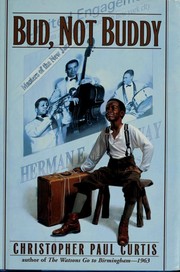
Bud, Not Buddy
A ten year old orphan in the Depression walks to find a jazzman he thinks is his father.
2,568-word summary · 11 min read
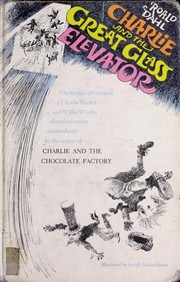
Charlie and the Great Glass Elevator
Charlie and Wonka overshoot Earth in the glass elevator, meet alien Knids, then risk age pills and Minusland.
2,514-word summary · 11 min read
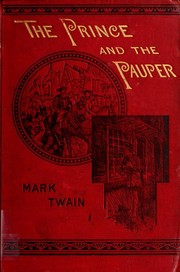
The Prince and the Pauper
Tom Canty and Prince Edward swap clothes in Tudor London and live each other's lives, from palace dinners to prison cells, until a hidden seal decides the…
2,979-word summary · 13 min read
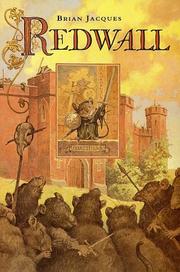
Redwall
A novice mouse hunts for Martin the Warrior's lost sword while Cluny the Scourge besieges Redwall Abbey.
2,727-word summary · 12 min read
The Slippery Slope
Violet and Klaus climb icy peaks to rescue Sunny while Quigley and V.F.D. ruins change what they know.
2,678-word summary · 12 min read
The Jungle Book
Mowgli, raised by wolves in the Seeonee Hills, learns the Law from Baloo and Bagheera while Shere Khan circles. Kipling's 1894 story collection.
2,799-word summary · 12 min read
The Carnivorous Carnival
Baudelaires hide as carnival freaks to find V.F.D. clues, facing lions, Olaf, and a fateful cliff split.
2,027-word summary · 9 min read
Cabin Fever
Greg Heffley gets snowed in with his family before Christmas while dodging blame for school property damage.
2,221-word summary · 10 min read
The Ugly Truth
Greg faces puberty, a school lock-in and Uncle Gary's wedding while Mom returns to college in Wimpy Kid book five.
2,766-word summary · 12 min read
The Twits
Mr. and Mrs. Twit trade vile pranks and torment caged monkeys until the birds and monkeys flip the house on them.
2,864-word summary · 13 min read
The Boxcar Children
Four Alden orphans run from a bakery, settle in an old boxcar in the woods, and learn to live on work, berries, and each other.
2,892-word summary · 13 min read
Fantastic Mr. Fox
Mr. Fox raids three cruel farmers to feed his family, then outdigs tractors and a siege to host a feast underground.
2,910-word summary · 13 min read