
Reading options
What's inside (8 sections)
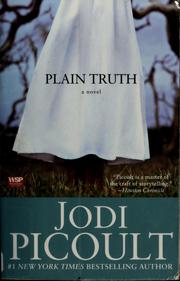
I came to this one because My Sister's Keeper had left me arguing with myself for days, and a friend said if you want the earlier Picoult that does the same courtroom plus family ache, read the Amish one. I expected bonnets and barns as background. What I got was stranger and quieter. Pocket Books published it in 2000, and my notes say the first hardcover runs 405 pages, which feels right because so much of it happens in kitchens and milking sheds rather than in court. The story follows eighteen year old Katie Fisher, who says she never had a baby, and Ellie Hathaway, a Philadelphia defense lawyer in her late thirties who agrees to defend her and ends up living with the Fishers for months.
Katie lives with her parents Aaron and Sarah on a dairy farm near Paradise in Lancaster County. She has an older brother Samuel who helps with the farm, and the family carries an older loss, a young daughter who drowned years before. They are Old Order Amish, which in this book means no phones in the house, plain dress, German mixed with English at home, church in homes, and a strong wish to handle trouble inside the community. When a dead newborn is found wrapped and hidden in the barn, that wish breaks. Police come. A detective named Lizzie Munro starts asking who gave birth, and blood on the barn floor and on Katie points one way.
The baby in the barn
The opening moves like a police call that turns into something heavier. A farm worker finds an infant tucked under blankets in the tack room area of the barn. Paramedics try and fail to revive him. He is newly born, only hours old. At first it could be abandonment or a stillbirth hidden in panic. Then the medical exam finds cloth fibers in the mouth and throat and bruising around the mouth. The reading is suffocation. That change matters because it turns grief into a homicide case.
Katie is the unmarried young woman of childbearing age in the house. Her mother Sarah says she did not have a baby and cannot have more children after a difficult birth. Neighbors interviewed have alibis. Attention settles on Katie. She is questioned and says plainly that she did not have a baby. She keeps saying it. Blood running down her leg on the porch tells a different story, and samples confirm she recently gave birth.
What makes this section stick is how little Katie explains. She does not offer a story about a boyfriend or a clinic or a panic. She denies the pregnancy itself. For Amish Katie, who is unmarried, pregnancy outside marriage would bring shame and church discipline, and denial can sound like lying to outsiders. Picoult lets it read another way too, as shock or a mind refusing an event. Denial here is not a trick, it is the wall the whole book has to walk around.
The police theory is simple. A hidden pregnancy, a secret birth in the barn at night, a hand or cloth over the mouth, a body hidden. The defense will later push back with medicine and with who else was in the barn that night. But early on, the facts favor the state, and Katie is charged with murder.
Ellie agrees to defend her
Ellie Hathaway defends people for a living in Philadelphia, often people she knows are guilty, and she is good at it. She is thirty nine, single, wanting a child, tired of her own sharp edges. She is distantly connected to Katie through her aunt Leda, who lives near the Fishers and who presses Ellie to help. Ellie does not want the drive or the cause. She goes to Paradise to get Leda off her back and stays because Katie unsettles her.
The bail terms force the issue. To keep Katie out of jail before trial, someone must take responsibility, and her strict father will not vouch in the way the court wants. Ellie volunteers as guardian and moves onto the Fisher farm for the months before trial. That is the engine of the book. A lawyer who bills by the hour and lives by phone and coffee agrees to live without those things, under Aaron Fisher's roof, watched by neighbors, sleeping near her client.
Coop comes back into Ellie's life here. He is a psychiatrist she once loved, someone she trusts to talk through clients when she needs a clear head. She asks him to help interview Katie. Old feeling returns in small ways. Shared meals. Long drives. A joke that lands like it used to. Ellie learns she is pregnant on the first day of trial, which lands hard because wanting a child has shaped her choices for years. Coop asks to marry. She holds off, not from coldness but because she cannot sort motherhood and this case at the same time.
I liked that Picoult does not make Ellie instantly noble. She still thinks like a hired gun at first. How do we explain the blood. How do we handle the denial on the stand. What expert can soften fibers and bruises. Living plain starts to change the questions she asks.
Living with the Fishers
The middle of the book is daily life, and it is the best part. Ellie learns to dress more modestly, to keep quiet during prayer, to help with cooking and laundry and garden work. She milks cows badly. She burns bread. She gets up before light because the farm does. Aaron is stern and watchful, polite but clear that English law is not his law. He loves his daughter and also fears outside judgment will stain the family and church. Sarah is softer, tired, grieving in a way she hides. Samuel is loyal to Katie, quick to shield her from police, tender in a brotherly way that sometimes looks like more to outsiders.
Picoult is careful with Amish detail without turning it into a tour. Kerosene lamps. No curtains for show. A phone shack down the road for emergency calls. Clothes hung in order. Grace before meals. Confession and shunning as real pressures rather than costumes. Ellie, who is Jewish and city raised, keeps misreading silence as agreement and obedience as lack of thought. Sarah corrects her gently. Silence can mean prayer. Obedience can mean love of order.
Katie and Ellie grow close in chores. They shell peas. They hang wash. They feed calves. Katie speaks in short answers, then in longer ones about farm rhythms and about her sister who died. She still says she did not have a baby. Ellie tries different paths. Was there a boy. Was there fear. Was there pain that night that she blurred out. Katie drifts or shuts down. Coop tries a softer interview style and gets fragments about bleeding and sleep and waking with empty arms. Nothing that fits a neat defense yet.
One thread that kept me reading was who the father might be. The book lets rumors move through the English teens and through the Amish youth group. There was a boy Katie liked. There were singings and buggy rides. There are hints about Samuel's friend and about English boys who chase Amish girls for thrill. Picoult does not rush to name him, because the point for a long stretch is not paternity but whether Katie understood she was pregnant and what she did after.
Faith sits inside all of it. Aaron prays for guidance and also for control. Sarah prays and watches Katie when she thinks no one sees. Ellie watches them pray and feels outside and oddly jealous of certainty. I found those pages moving, though slow in spots. A chapter about canning peaches will not thrill readers who came only for trial twists. I did not mind. The peaches show how this family survives trouble, by working side by side without naming it.
Trial talk and a medical crack
As trial nears, Ellie builds two tracks. The legal track attacks intent and cause. The personal track tries to get Katie to trust her enough to tell a usable story. The state has fibers and bruises and a hidden body. The defense needs another way for that baby to have died, or another reading of those marks.
The opening comes from medicine. A doctor reviews the premature birth and suggests the infant may have died from natural causes linked to listeriosis, a bacterial infection Katie could have carried after drinking unpasteurized milk on a dairy farm. Premature lungs, weak response, infection passed near birth, all of it could explain a death that looked like smothering in a hasty exam. Fibers could have come from panicked handling or from trying to clear the airway. Bruises could be read more than one way. It is not a clean acquittal theory, but it gives a jury room to doubt murder.
Picoult handles the expert talk better than many courtroom novels. She slows down for plain terms. What listeria does. How unpasteurized milk carries risk. Why a premature infant is fragile. How hard it is to tell stillbirth from live birth minutes after, or smothering from failed rescue in the dark by a terrified teenager alone. Ellie preps Katie for testimony and dreads it, because Katie will not perform grief or anger on cue. She answers flatly. She repeats denial. A jury that expects tears may read flat as cold.
There is also the question of English versus Amish justice. Aaron would prefer confession, repentance, church discipline. The state wants a verdict. Ellie stands between them, hired to win in one system while living inside the other. She starts to see that a win in court could still exile Katie at home, and that a confession useful to the church could hang her in court. The book is strongest when Ellie stops asking how to win and starts asking what Katie can live with.
Side scenes with Lizzie Munro help. Lizzie is no villain. She follows blood and timelines. She dislikes intruding on plain people and does it anyway because a baby died. Her interviews show how thin the line is between Amish reserve and suspicion. When Sarah refuses an exam, Lizzie notes it. When Aaron says unmarried means not pregnant, Lizzie hears faith and also evasion. These are fair police moves, and Picoult lets them stand.
Plea, scissors, and what mothers hide
I will keep the ending mechanics light, but this is a summary so I will lay out the shape. After days of deliberation, with risk high on both sides, Katie accepts a plea rather than waiting for a murder verdict. She receives a year of electronic monitoring that lets her stay on the farm wearing a bracelet. It is not freedom and not prison. It is a compromise that lets her remain inside family and church watch while satisfying the court.
The last turn belongs to Sarah. After the legal pressure lifts, Sarah gives Ellie the scissors used to cut the cord on the birth night. She reveals she knew Katie was pregnant, came to her that night, cut the cord, took the afterbirth signs away, all while Katie drifted in pain and blood loss and did not fully know her mother was there. In Sarah's mind she protected her daughter the only way she knew, by cleaning and hiding and praying. She begs Ellie, mother to mother, not to hand the scissors over.
This puts Ellie in a bind that the whole book has built toward. As a lawyer she should give police new evidence. As a woman who is about to become a mother herself, and who has lived in Sarah's kitchen for months, she understands what disclosure would do. She chooses not to report. Coop picks her up from the farm at the end, and they leave to build a life with the child she carries.
Readers divide here. Some see Ellie as corrupt, burying proof to buy peace. Some see her as finally human, refusing to trade a tired Amish mother for a cleaner file. I sat between. The law is clear. The book is not asking about law. It asks whether Katie acted alone that night, whether Sarah's help makes Katie less responsible or more protected, and whether Ellie's silence repeats Sarah's choice on a larger scale. Picoult does not punish Ellie on the page. She lets the reader carry the unease.
There is also Katie's inner truth to reckon with. If Sarah was there and Katie did not register her, then Katie's denial reads less like a lie and more like a fractured memory. A girl bleeding alone in a barn, half asleep, half in shock, wakes to empty arms and bloodied hay and no baby crying. Her mind keeps the shape of before, no pregnancy, no birth, because after is unbearable. The plea lets her avoid saying a story she cannot tell. The scissors confirm someone else helped erase it.
Where it strains
For all the care, parts drag. The trial prep repeats. Ellie interviews Katie, Coop interviews Katie, Ellie briefs Coop, Coop warns Ellie, Ellie worries at night. After the third loop I started skimming. Picoult wants to show trust building slowly, which is honest, but pages of the same closed answers test patience. A tighter middle would have kept tension without losing farm texture.
The Coop romance also wobbles. He is kind and steady and a little too useful, arriving with the right expert, the right calm line, the right proposal at the right time. Ellie's pregnancy reveal on day one of trial feels timed for theme rather than life. Mother facing motherhood while defending a girl accused of killing her child. It works on paper and thumps a bit in practice. I believed their history more than their future. Shared jokes in a car read true. Talk of marriage while a jury sits did not.
Katie herself can frustrate. She stays opaque by design, and opacity has a cost. We learn chores and grief and fear, but little of desire or will. Who she loved, what she wanted before pregnancy, how she imagines life after the bracelet, all stay faint. Some of that is Amish reserve and trauma. Some feels like Picoult holding her back to preserve the twist about Sarah. I wanted one scene where Katie speaks at length without Ellie steering, even if she speaks in circles.
The medicine deserves a note too. Listeriosis as doubt is clever and grounded in dairy life, yet it arrives like a late rescue. Readers who follow forensic shows may find the shift from smothering fibers to infection quick. Picoult does the work to explain, but the timing still feels like a lawyer's luck. If you accept that trials often turn on one expert willing to say maybe, it plays fine. If you want iron proof, it will not satisfy.
None of that erased the strengths for me. The farm chapters ring true in small ways. Hands cracked from milk and cold water. Prayer covering anger. A mother watching a daughter fold laundry and seeing a younger self. Aaron's stiffness hiding fear of losing another child to outside forces. Samuel's clumsy guarding. Lizzie trying to be decent while doing a hard job. And Ellie, flawed and hungry and finally gentle, learning to sit at a table without fixing everyone at it.
If you read Picoult for moral knots rather than clean wins, this early book shows her pattern forming. Ordinary people in an extraordinary charge. Medicine against law. Motherhood against duty. Community against court. The plea brings no triumph. The scissors settle nothing cleanly. They are what people do when rules fail their kin. I closed the 405 page Pocket Books edition thinking less about who smothered whom and more about Sarah in the barn doorway with rusty scissors, choosing in seconds what Ellie would later choose over months. That image has stayed with me longer than the verdict.
FAQ
When was Plain Truth published and how long is it?
Pocket Books published it in 2000. The first hardcover runs 405 pages and carries ISBN 9780671776121, which is the edition cited here.
Why does a Philadelphia lawyer end up living with an Amish family?
Katie is charged after a dead newborn is found on the Fisher farm and she denies having been pregnant. Ellie takes the case through a family connection and must live on the farm as a condition of bail.
Is this a book about Amish religion or about the trial?
No. Picoult keeps the focus on Katie, Ellie, and the Fisher household, with Coop and the police circling them. The Amish setting shapes every choice, but the story stays a legal and family drama.
Similar books

Vanishing Acts
A search-and-rescue worker's perfect life cracks when her past and her father catch up.
2,799-word summary · 12 min read
Leaving Time
Thirteen-year-old Jenna searches for her mother who vanished from an elephant sanctuary ten years earlier.
3,001-word summary · 13 min read
The Pact
After Emily Gold dies from a gunshot, her boyfriend Chris Harte says it was a suicide pact and faces trial for murder.
2,873-word summary · 13 min read
My Sister's Keeper
Thirteen-year-old Anna sues her parents for medical emancipation so she can refuse to give her dying sister Kate a kidney.
2,332-word summary · 10 min read

Sing You Home
A music therapist, her new wife and an evangelical ex-husband end up in court over three frozen IVF embryos.
2,952-word summary · 13 min read

The Storyteller
Baker Sage Singer is asked by old Josef Weber to kill him for his SS past, while her grandmother Minka's war story weighs on her.
2,174-word summary · 10 min read

Nineteen Minutes
Sterling High student Peter Haddon commits a school shooting and lawyer Jordan McAfee defends him while Josie Cormier hides truth.
2,267-word summary · 10 min read

Little Earthquakes
Four Philadelphia women meet during pregnancy and discover that new motherhood is nothing like the plan, while friendship becomes the thing that holds them…
1,997-word summary · 9 min read

Summer Island
A radio advice host hides a scandal, and the estranged daughter hired to write about it agrees to care for her at the family's island house.
2,325-word summary · 10 min read

The Girls in the Garden
Clare moves her daughters to a gated London garden where the community feels safe; at the midsummer party, twelve-year-old Pip finds her sister bleeding in the…
1,973-word summary · 9 min read

The Best of Friends
Three lifelong friends discover their teenage sons were hiding more than anyone knew after a night that leaves one dead, one in a coma and one silent.
2,040-word summary · 9 min read
Killers of a Certain Age
Four sixty-year-old assassins discover their retirement cruise is a trap and turn their skills on the agency that trained them.
2,014-word summary · 9 min read
In an Instant
After a family camper crashes down a snowy mountain, sixteen-year-old Finn watches from the afterlife as survivors make impossible choices and try to live with…
2,130-word summary · 9 min read

Days at the Morisaki Bookshop
Heartbroken Takako moves into her uncle's tiny secondhand bookshop in Jimbocho, and the shop and its regulars slowly give her back her life.
2,011-word summary · 9 min read
Olive, Again
Elizabeth Strout returns to Crosby, Maine, as Olive Kitteridge marries Jack Kennison, confronts her son, and faces old age, grief, and small-town judgment.
2,333-word summary · 10 min read
The Lost Man
A man is found dead at a lone grave in the Queensland outback, his car stocked and kilometres away. His brother works out the last day and the family behind it.
2,036-word summary · 9 min read

Dial A for Aunties
A wedding photographer accidentally kills her blind date, and her mother and three aunties help her hide the body during the biggest wedding of their careers.
2,076-word summary · 9 min read
True Colors
Three Grey sisters split over love and duty after their father judges them.
2,596-word summary · 12 min read

The Tea Girl of Hummingbird Lane
A Chinese tea farming mother gives up a daughter who later seeks roots.
2,607-word summary · 12 min read
The Reappearance of Rachel Price
Bel films a doc when her missing mother walks back after years.
2,254-word summary · 10 min read
The Most Fun We Ever Had
Four Sorenson sisters orbit perfect parents hiding old cracks.
2,590-word summary · 12 min read

The Identicals
Twin sisters swap Nantucket and Martha Vineyard lives for a summer.
2,556-word summary · 11 min read
The Book of Lost Friends
Three women trace Lost Friends ads from 1875 to find stolen sons.
2,368-word summary · 11 min read

The Accidental Tourist
Grieving Macon writes travel guides for haters of travel, then Muriel intrudes.
2,252-word summary · 10 min read

News of the World
Captain Kidd carries captive Johanna home across 1870 Texas.
2,571-word summary · 11 min read

Kitchen
Orphan Mikage finds home in a kitchen with Yuichi and Eriko after loss.
2,597-word summary · 12 min read
Case Histories
A Cambridge PI takes three cold cases that tangle with his own loss.
2,465-word summary · 11 min read
Anne's House of Dreams
Newlyweds Anne and Gilbert start in a seaside house with kind neighbors.
2,465-word summary · 11 min read
Vera Wong's Unsolicited Advice for Murderers
A widowed teashop owner pockets a flash drive from a dead man and mothers her suspects into confessing.
2,564-word summary · 11 min read
The Time Keeper
Mitch Albom's 2012 fable follows Dor, the first measurer of time punished in a cave, as he returns to guide a heartbroken teen and a dying businessman toward…
2,466-word summary · 11 min read