
Reading options
What's inside (8 sections)
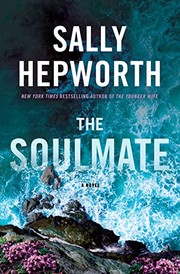
I picked up The Soulmate because I wanted a marriage thriller that stays close to home. Sally Hepworth published it in 2022 with St. Martin's Press, 336 pages in hardcover, set in the coastal town of Portsea in Australia. The hook is quick to explain. A couple moves to a beautiful house near a cliff known for suicides. The husband has a habit of talking people back from the edge. One night a woman falls. Police ask whether she jumped, slipped, or was pushed. The wife starts to doubt what she knows about her marriage.
I read it in three sittings, mostly late at night, which was a mistake because the cliff scenes stuck in my head. Hepworth splits the story between two voices. Pippa Gerard tells the present, as wife and mother trying to hold her family together after the fall. Amanda tells the past, through a bad marriage of her own. The threads meet at the cliff, then pull apart as the investigation digs up old harm on both sides. Hepworth withholds just enough in each voice that neither Pippa nor Amanda reads as fully reliable at first. Trust has to be earned chapter by chapter, and I liked earning it.
What held me was Hepworth's writing of doubt inside a marriage. Pippa loves Gabe yet keeps a mental list of odd moments she once brushed aside. A missing hour. A shifting story. Amanda loved someone once too, and learned too late what control looks like wearing a kind face. The book asks what we miss when we want to believe the best, and what that costs.
The house above the water
Gabe and Pippa Gerard move to Portsea for space and a fresh start. They have two young daughters, bright and loud. Pippa trained as a lawyer and carries much of the mental load. She tracks permission slips, groceries, and appointments while Gabe works long days. Friends call her organized, but organization here is just worry with a system. Gabe is a caring man with a troubled history Pippa knows in outline. Childhood loss and family illness left him gentle with strangers and sometimes distant at home.
Their house sits near a cliff path locals know too well. People come there when options run out. Gabe has talked down more than one person. Neighbors call him first. Pippa feels proud and tired. She fears the toll of his night walks on wet rock, and girls growing up with sirens. Still, the view is wide and the air smells like salt, and for weeks the move feels right.
Hepworth builds setting with care. Morning walks. Kids hunting shells. A kitchen window facing the drop. A fence that keeps nobody out. Pippa meets neighbors, learns who watches whom, and hears Gabe was out late more than she knew. Small details pile up. A damp jacket. A dying phone. An unknown name.
I found this opening strong because the cliff reads as fact, not prop. Volunteers patrol. Signs list help numbers. Gabe takes each death personally, as if kindness should save everyone. Pippa wants him to call professionals and step back. He hears doubt. That gap matters later, when police questions make every gap look like a lie.
The night Amanda fell
The central night arrives fast. Gabe goes out after word of someone on the cliff. Pippa stays with the girls, half asleep, watching the clock. Later come lights and voices. A woman named Amanda has fallen to her death. Gabe says he tried to talk her down as before, and she fell anyway. He returns shaken and vague on timing, which police notice.
The investigation stays polite but pointed. When did you arrive. What did she say. Did you touch her. Gabe answers, but small points shift. Times blur by minutes, and the order of two phone calls comes out differently on retelling. Shock does that, Pippa tells herself. Shock also looks like hiding, the detective seems to think. Phone records get pulled. Neighbors report sightings. Word spreads that Gabe may have pushed her.
Pippa wants to stand by him, yet starts her own 2 a.m. review. She replays the move, money stress, and fights over night walks. She learns Gabe knew Amanda better than he first said. A message. A meeting. None of it proves harm. All of it feeds fear. The scariest part is how reasonable both versions sound, the loyal husband in tragedy, and the wife seeing a pattern she missed.
Hepworth keeps procedure light. This is a domestic story with police at the edges, forcing Pippa toward her own questions. Did he go to help or to meet someone. Was Amanda a stranger or tied to them. Why does he cry at some details and blank on others. Pippa checks his clothes and timeline, hating herself. Love and suspicion trade seats.
Amanda's death opens town memory. Other falls, other rumors. Pippa learns Amanda moved nearby lately, bright in public and worn in private. A neighbor recalls her gardening at odd hours, gloves on, music low. Another remembers parcels left out for days. That portrait matters once Amanda speaks.
Pippa holds a family together while it splits
Pippa is the heart of the book, with a full life past suspicion. School lunches. Bedtime stories. Rules about cliff paths. She shields the girls from adult talk while the street talks. She leans on parents and friends, some helpful, some nosy, and answers work mail with sirens still in her head.
Marriage strain feels specific. Money is tight. Sleep is short. Gabe withdraws to the garage and long showers. When Pippa asks straight questions, he answers with hurt. Do you think I killed her. She backs off, then returns, because silence feels worse. They fight over lawyers, what to tell the kids, whether to stay. Friends take quiet sides. His past gets whispered up by people who never liked him. One neighbor brings food and stays to listen, while another asks pointed questions that sound like concern and work like traps. Pippa learns which doors to keep open and which to close politely.
Pippa carries her own secrets, which lifts the book past a simple guilty or not plot. She has withheld parts of her history, bending truth to keep peace. Hepworth does not paint her as blameless. She shows a capable woman who smooths things, now wondering if smoothing hid something real. Pippa misreads clues, snoops to nothing, trusts then feels foolish. Her judgment wobbles under stress, which makes her human rather than a sleuth in mom clothes.
The daughters fix the stakes. Pippa watches Gabe play gentle with them while breaking inside, and thinks no guilty man could be so tender. Then she recalls tenderness proves little. That swing drives the middle. Short scenes. Missed calls. A look across the kitchen. A hand pulled away. Pippa starts keeping a private note on her phone, dates and quotes, then feels ashamed and deletes half of it.
By halfway, Pippa sees saving the marriage means facing her past too. She tells the truth to one person, then another, testing the cost. Those small confessions shift the house. She stops waiting for Gabe to explain all and decides what she needs whatever police conclude.
Amanda in her own words
Amanda's chapters change the temperature. Pippa's present runs anxious and crowded, Amanda's past runs quiet and controlled. She married a man who looks good outside. Nice house, nice manners. Inside, control tightens. He tracks her time, criticizes friends, apologizes with gifts after harsh words. Hepworth skips sensational scenes. Harm builds through rules, tone, and denial.
Amanda copes as many do. She works and keeps appearances. She calls it stress. She drifts from friends who ask too much, confides a little, then retracts from fear. She prices leaving. Money, housing, shame, safety. Kindness from unexpected sides confuses her. A coworker offers a couch without pressing for details, and Amanda almost accepts before fear of follow up calls stops her. By Portsea she is worn thin and seeking air.
These sections fill how Amanda and Gabe crossed paths. Not a plain affair, but two bruised people sensing recognition. Gabe listened in his rescuer way. Amanda talked, starved for belief. Whether talks stayed proper becomes Pippa's worry. Hepworth keeps it careful. Long walks. Encouraging messages. A meeting that reads worse on paper than it felt. An outsider could mistake care for motive.
What I respected is that Amanda is no mere device. She has humor, taste, and a clear eye for others even while lying to herself at home. Her chapters show abuse as pattern, not one blow up. Fear stays steady, hope stays thin. When she reaches the cliff, she carries months of weight, with many hands easing her toward the edge before any one person stood beside her.
Reading Amanda after Pippa aches well. Pippa fears her husband harmed a stranger. Amanda shows home harm no one charged. The mirror is inexact, but it forces thought about proof, belief, and who gets doubt's benefit.
What the ending settles and what it leaves sore
Hepworth ties threads without a courtroom trick. Keeping this general to guard the read, here is the shape. Police build a timeline from movements, messages, and sightings. Gaps close. Some suspicion fades as records align. More sharpens when Pippa learns Gabe hid a meeting from fear of how it sounds.
The twist turns on identity and intent at the cliff, who meant to save whom, and what Amanda wanted that night. Her plan proves more tangled than plain suicide or murder, shaped by home abuse and a fierce wish to shield someone else. Gabe's role grows clearer and sadder. He tried to help in his flawed, over close way, but secrecy tangled the truth. No malice drove him, yet his choices left Pippa doubting him for cause.
Pippa's secrets come due. She owns what she hid and sees how editing fed rumor. Their reckoning is no neat reunion. Just tired, honest talk on boundaries, counseling, and leaving Portsea or staying. They choose each other on new terms. Fewer solo night walks. More professional help for strangers and selves. Earlier truth, before fear writes the story. They agree Gabe will tell Pippa before going out, not after, and that she may call him home with no guilt attached.
Amanda's husband draws scrutiny, though justice stays imperfect. Records show control. Friends recall explained bruises. The system crawls. Hepworth grants no clean punishment, only recognition. Amanda is believed at last by those who called her dramatic. That matters to Pippa, who learns to trust evidence over charm.
Final scenes return to house, girls, water. Life runs with guardrails. Checked locks. Watched walks. A small memorial against the view. Pippa still observes Gabe, not accusing, just attending. Love here is not blind trust. It is clear eyed care, checked and rechecked. Earned after such suspicion.
Suspense with a soft center and sharp edges
As thriller, the book runs steady, not breakneck. Hepworth favors dread over shocks. Short chapters. Cliff air. A question planted, left buzzing through pickup or work calls. Readers wanting constant reveals may find the middle slow. Pippa's voice held me. Practical, dryly funny, honest about mom guilt and marriage fatigue. Her notes on a dream house with nightmares felt exact.
The coercive control research reads careful, never pamphlet like. Amanda's husband smiles, explains, apologizes, and tightens rules. Friends say he loves her so much. That line chilled me past any cliff scene. Hepworth shows why leaving is hard and proof stays thin. She also shows helpers like Gabe blundering, trading late talks for safe referrals, mistaking attention for rescue. That critique of meant well rescue is the smartest thread, landing without preaching.
Fair criticism fits too. Gabe feels too good and too vague together. Hepworth needs him saintly enough to doubt and shadowy enough to suspect, and the balance wobbles. Some withheld facts serve suspense more than character. Neighbor reveals land on cue. Careful readers may guess the twist's shape early.
Prose stays plain in a good way, with Australian habits flavoring without travelogue stops. Bakeries, school runs, cold water, hot tea. A Saturday market, salty towels in the car, sunscreen always within reach. Class and money shape choice. Grief gets restraint. No long healing speeches. Just tired people planning safer.
I finished sad but settled, which suits Hepworth. The book does not claim love saves. It claims attention might, paired with honesty and outside help. Pippa asks harder questions sooner. Gabe learns intent never excuses secrecy. Amanda, though gone, regains part of her story. For coastal suspense on marriage, doubt, and abuse that stays believable, this earns its nights. Keep a light on after cliff chapters.
FAQ
When was The Soulmate published?
St. Martin's Press published The Soulmate in 2022. It runs 336 pages in hardcover, ISBN 9781250229700, and is set in Portsea, Australia.
Is The Soulmate part of a series?
No. It is a standalone domestic thriller told through Pippa in the present and Amanda in the past.
Does the book depict domestic abuse?
Yes. Amanda's marriage shows coercive control through rules, monitoring, and apologies. The book treats abuse and grief with restraint.
Similar books

The Lost Man
A man is found dead at a lone grave in the Queensland outback, his car stocked and kilometres away. His brother works out the last day and the family behind it.
2,036-word summary · 9 min read
The Last Thing He Told Me
Hannah Hall gets a note saying Protect her, then her husband vanishes and she must team with his teen daughter to find why.
2,951-word summary · 13 min read
The Mother-in-Law
Sally Hepworth's 2019 family thriller follows Lucy as she clashes with her polished mother-in-law Diana, until Diana's sudden death forces Lucy to rethink…
2,471-word summary · 11 min read
The Good Sister
Twin sisters share a careful arrangement until a plan to have a baby pulls old family secrets into view.
3,255-word summary · 14 min read

The Best of Friends
Three lifelong friends discover their teenage sons were hiding more than anyone knew after a night that leaves one dead, one in a coma and one silent.
2,040-word summary · 9 min read
The Survivors
Kieran Elliott returns to Evelyn Bay twelve years after a storm killed his brother, and a young woman's murder forces the town to face what it has concealed.
2,571-word summary · 11 min read

The Widow
A widow of a suspected criminal faces reporters and police while hiding what her marriage really cost.
2,599-word summary · 12 min read
The Reappearance of Rachel Price
Bel films a doc when her missing mother walks back after years.
2,254-word summary · 10 min read
The Silent Wife
A Chicago psychologist watches her twenty-year partnership collapse when Todd leaves for Natasha, then plans murder.
2,591-word summary · 12 min read

Keep It in the Family
Mia and Finn renovate a long empty house and find seven children hidden in the attic.
2,270-word summary · 10 min read

We Begin at the End
Thirteen-year-old Duchess Day Radley shields her little brother Robin after their mother dies, as freed killer Vincent King returns and sick chief Walk tries…
2,956-word summary · 13 min read
Long Bright River
Philadelphia officer Mickey patrols Kensington amid the opioid crisis, hunts a killer of vulnerable women, and searches for her missing addict sister Kacey…
2,986-word summary · 13 min read

Every Last Secret
A wealthy wife tracks a possible affair, but dinners, therapy, and a sudden death expose buried secrets across two polished suburban marriages and force her to…
2,687-word summary · 12 min read
Bring Me Back
Finn lost Layla at a French rest stop twelve years ago. Now engaged to her sister Ellen, he faces sightings, emails and Russian dolls that reopen everything.
2,912-word summary · 13 min read
What Lies Between Us
Nina keeps mother Maggie locked upstairs for years, trading lies about sisters and deaths that unravel fast.
2,062-word summary · 9 min read
The Cousins
Three cousins work at their rich grandmother island resort while digging into why their parents were cut off.
2,565-word summary · 11 min read
The Chain
Rachel must kidnap another child to save kidnapped Kylie, entering a chain where parents pass crime forward.
2,021-word summary · 9 min read

Pieces of Her
After her mother kills a mall shooter with shocking skill, Andy Oliver uncovers a hidden 1980s past of radicals and wealth.
2,791-word summary · 12 min read

The Storm
A struggling innkeeper, a returning murder suspect, and a true crime writer collide as another hurricane bears down on the Alabama coast.
2,349-word summary · 10 min read

The Life We Bury
A college junior interviews a dying convict for class and reopens a 30-year-old murder case in Minnesota.
2,708-word summary · 12 min read
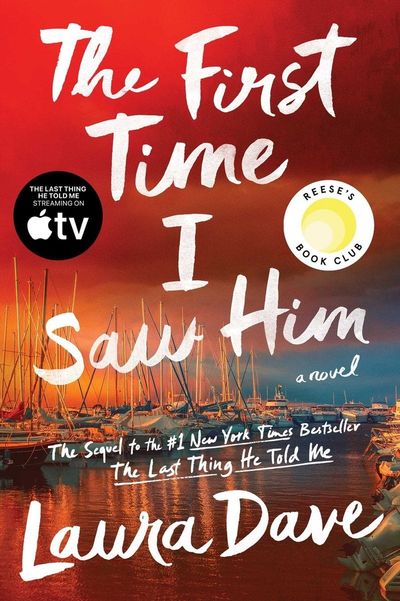
The First Time I Saw Him
Five years after Owen vanished, Hannah and Bailey have rebuilt in California until Owen walks into her exhibition and danger returns.
2,407-word summary · 11 min read
The Family Remains
Lucy returns to London as bones on the Thames reopen the Chelsea mansion deaths.
2,304-word summary · 10 min read

Such a Clever Girl
Fifteen years after the Tanners vanished, Aubrey returns at 30 as a new disappearance forces three women to face old secrets.
2,203-word summary · 10 min read

Strangers in the Villa
A strained couple in a Spanish villa takes in guests who refuse to leave.
2,208-word summary · 10 min read

Mystic River
Three Boston friends reunite when one daughter is murdered.
2,230-word summary · 10 min read

My Husband's Wife
Artist Eden Fox returns from a run to find her key fails at Spyglass and her husband claims a stranger is his wife in Hope Falls.
2,437-word summary · 11 min read

I Found You
A man with no memory on a beach, a vanished husband, and a 1993 holiday collide in a seaside town.
2,990-word summary · 13 min read

Everyone in My Family Has Killed Someone
A mystery writer narrates his own snowbound family reunion, where everyone has killed someone and the bodies pile up.
2,961-word summary · 13 min read
Dear Debbie
Advice columnist Debbie Mullen loses her job, tracks her husband's secrets, and decides it is time for payback against those who wronged her.
2,432-word summary · 11 min read

All the Little Houses
In 1980s Longview, Texas, social queen Charleigh and daughter Nellie guard mean-mom secrets when a new family threatens their empire.
2,206-word summary · 10 min read