
Reading options
What's inside (7 sections)
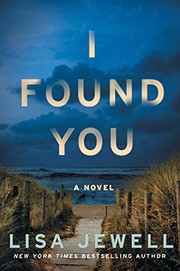
I picked up I Found You because Then She Was Gone had left me uneasy. I wanted another Lisa Jewell story about ordinary houses holding terrible secrets. This one gave me that, plus sea wind and a man asleep in the rain. It first came out in the UK in 2016 with Century, and Atria Books brought it to the US on April 25, 2017. The first Atria hardcover runs 344 pages. I read it slowly at first, then fast near the end, the way you walk out further when the tide is low and then hurry back.
The setup has three threads. In present day Ridinghouse Bay, a fictional town on the Yorkshire coast, single mother Alice Lake sees a man sitting on the beach in heavy rain. In a Surrey suburb near London, young newlywed Lily Monrose waits for her husband Carl to come home from work. He never comes. And in the summer of 1993, a family with two teens arrives in Ridinghouse Bay for their yearly holiday. Jewell cuts between these lines until they meet. You can guess they will meet. The pull is how, and what it costs when they do.
Alice is forty two and tired in the way parents of three can be. She works as an artist, making collages from old maps for cards and prints. Money is tight. The house is loud. There are dogs underfoot. Her eldest is a teen girl with opinions, her middle child is a boy trying to stay out of trouble, her youngest is small enough to accept strangers easily. Alice also keeps watch on her elderly parents, who have memory trouble, through video calls on a tablet. She worries she is too soft. Friends tell her she lets people lean on her too much.
One grey evening she walks the dog on the beach and sees him. A man alone, coatless, soaked, staring at nothing. She brings him a coat. He thanks her but seems lost in a plain, frightening way. He does not know his name. He does not know where he lives. He has no phone, no wallet, no story. Alice knows she should call the police and leave it there. She does call, but when nothing comes back quickly, she lets him sleep in the spare room above the garage. Her kids name him Frank, after a fashion, because he needs something to answer to.
Frank is gentle and scared. He helps wash dishes. He walks the dogs. He sits with Alice in the kitchen and tries to pull at threads. A carousel with chipped paint. Cold water up the nose. A girl laughing then crying. A road at night. He wakes sweating and apologizes for the noise. Part of him fears he hurt someone and ran. Part of him fears someone hurt him. Alice posts his photo in local groups and asks around the shops. No one claims him. A doctor says to give it time and keep him safe. Alice tries. She likes having a kind adult in the house who listens.
Lily and the husband who never existed
Lily is twenty one, from Ukraine, married only weeks to Carl Monrose. She met him while he was working abroad. The courtship was quick. He brought her to England, to a neat rented flat in Surrey, and promised a calm life. She speaks English well but has no friends nearby, no family close, and little sense of how things work here. She is pregnant and trying to hide how sick and lonely she feels.
When Carl is late home from work, Lily tells herself traffic, a drink with a mate, a dead phone. Then late becomes very late. She rings his office. No answer. She rings hospitals. Nothing. She goes to the police the next day with a photo and his details. The officers are kind at first. Then they go quiet. The passport Carl used is a good fake. The National Insurance number does not fit. The old address he gave does not lead to him. As far as the records show, Carl Monrose never existed.
This section made my chest hurt. Lily keeps cleaning the flat while she waits. She keeps his dinner in the fridge. She smells his shirts. She replays small lies she had brushed aside. He never introduced her to friends. His mother on the phone sounded odd and distant. He paid for things in cash. He said he did not like photos, yet kept one old snap in a drawer. She had thought him private. Now private looks like warning signs she missed because she wanted love and safety in a new country.
Lily does not sit still. She finds a receipt, a name, a place mentioned in passing. A friend of Carl from work agrees to help, though his reasons stay thin. An investigative reporter takes interest because missing husband stories sell. Lily follows the trail north, toward the coast, toward Ridinghouse Bay. She carries the old photo in her bag. She tells herself she wants an explanation. What she really wants is to know if any part of her marriage was true.
What I admired here is how Jewell keeps Lily capable. She asks for help clearly. She writes down dates and keeps copies. She gets angry when men talk over her. That steadiness makes the later scenes land harder.
Summer 1993
The 1993 thread starts sunny. Tony and Pam Ross bring their kids to Ridinghouse Bay as they do every year. Gray, called Graham at school but Gray at home, is seventeen, lanky, protective, trying to act grown. Kirsty is fifteen, bright, restless, hungry to be seen as older. They rent the same kind of house with bunk beds and a kettle that whistles. They eat chips on the sea wall. They dare each other to swim when it is too cold.
On the beach they meet Mark Tate. He is nineteen, good looking, living up the hill with his aunt Kitty. He has a car, a stereo, easy talk. He picks Kirsty out fast. Tells her she is mature for her age. Asks her to listen to music. Offers cigarettes then takes them back with a laugh. Kirsty glows under it. Gray feels sick watching. Not jealous in a small way. Alert in the way older brothers get when something is off but they lack words for it.
Mark inserts himself into the holiday. He shows up where they eat. He invites them to a party at Kitty's house. Pam is charmed because he is polite to parents. Tony is less sure. He watches how Mark touches Kirsty's lower back to steer her. How he answers for her. How he sulks when Gray stays close. Gray tries to warn Kirsty. She hears control and snaps at him. She is fifteen. Being chosen by an older boy feels like proof she is special. Being warned by her brother feels like being treated as a child.
The party night turns. Drink, loud music, older kids. Mark tries to pull Kirsty away from the group. Gray follows. There is a struggle near the water. Details come in pieces, the way memory keeps them, not like a police report. Mark drags Kirsty toward the sea. Tony runs across wet sand to reach them and clutches his chest. His heart gives out on the beach while Pam screams his name. In the dark and noise, Kirsty and Mark go under and do not come up where they should. Boats search. Divers search. The town mourns. Two drownings, one heart attack, one family broken in a week.
Pam takes Gray home to Croydon and tries to live around the hole. Gray cannot hold the night in his head. He remembers sirens and blankets and his mother's crying, then blank. Doctors talk about shock and the mind protecting itself. He finishes school badly. He works dull jobs. He visits the cemetery. He tells people his sister drowned in an accident, which is true as far as he knows. He does not remember Mark's hands or his father's face in the surf. Forgetting lets him keep going.
I found these chapters the hardest to sit with, and also the least smooth. Mark reads as dangerous very early. The grooming signs are loud. A modern reader spots them pages before Kirsty does. That is the point, I think, but it makes Pam and Tony look slow. Would parents in 1993 let a fifteen year old go off with a nineteen year old they barely know. Some would. Many would not. Jewell wants the summer to feel normal until it is not, yet Mark never feels normal. He feels like a warning from his first smile.
What Gray remembered in London
Back in the present, Frank starts to leak memories when Alice walks him around town. The curve of the bay. The amusement arcade with its sour smell of oil and sugar. The path up to a house with a high garden wall. He draws shapes without knowing why. A girl's bracelet. A man's shoes full of sand. He tells Alice he thinks he did something bad. Alice tells him fear is not proof. She holds to that, though you can see her checking the locks at night and watching how he is with her kids.
The break comes in London, months before Alice ever saw him, though we learn it late. Gray, living a flat grey life in Croydon under his real name Graham Ross, sees a man on a train or street who stops his breath. Mark Tate. Older, heavier, neat shirt, wedding ring. Alive. Not drowned at all. All the locked rooms in Gray's head fly open. The party. The hands in Kirsty's hair. His father falling. The water closing. He understands in a rush that the man who destroyed his family faked his death and built a new life.
Gray follows Mark. Learns his new name is Carl Monrose. Learns where he works and where he lives with a young foreign wife. Rage takes over where grief had sat for twenty two years. Gray grabs him at a building site, meaning to force a confession about Kirsty. They fight among dust and pallets. Gray gets his hands around Mark's throat and squeezes until Mark goes still. Gray believes he killed him. Panic wipes him clean. He runs without plan and ends up back where it started, Ridinghouse Bay, and folds onto the sand in the rain. That is the man Alice finds.
I had mixed views on this stretch. The fugue idea is used with care. Jewell shows Gray losing time and missing hours, rather than using it as a trick. What felt thin was how fast he moves from sighting to attack. Grief can make people act fast. Still, I wanted one scene of him pausing or asking for help, so the violence felt earned rather than plotted.
Lily's search brings her to the same town. A cafe meeting Jewell stages well has Lily show Alice and Frank a photo of Carl. Frank stares and goes white. It is the face from his nightmares and from the building site. Alice feels the floor tilt. Two lost people who had been helping each other now learn their kindness sits on top of someone else's crime. Lily sees Frank flinch and knows, before words, that this shaking man knows her husband. The scene is quiet. Cups, rain on glass, a child asking for cake. Horror sits inside normal noise. That contrast works better than any chase.
Kitty's garden
Kitty Tate lives up the hill in a house that smells of damp and cats. She is old now, sharp then tired, polite in the way people are when they have rehearsed lies for years. Alice, Frank, and Lily go to her because only she can fill the gap between 1993 and now. At first she offers tea and denial. Mark drowned, poor boy, she suffered too, the town was cruel to whisper. Then Lily puts the photo on the table. Then Frank says the name Kirsty. Kitty's hands shake.
What Kitty tells them is ugly and plain. On the night of the party she found Mark on the rocks with Kirsty barely breathing. Kirsty was cold, hurt, alive. Mark begged Kitty to help him, not her. When Kitty moved toward the girl, Mark held a knife and told her to step back. He said if Kirsty lived she would tell. He said they would both go to prison. He made his own aunt stand and watch a fifteen year old slip away. Then he made her help him hide it. They buried Kirsty in the garden under stones and planted over it. After, Kitty helped Mark vanish. New papers through a contact. A story about currents taking bodies out. Silence bought with fear and family loyalty.
This confession is the core of the book and Jewell writes it without thrill. No music swell. Kitty folds a napkin. Lily holds her belly. Frank stares at the floor. Alice wants to shout and also to get Lily out of the room. Kitty says she told herself Kirsty was already gone, that Mark was blood, that she had no choice. Those excuses sound thin even to her now. The police are called. A dig is arranged. Dogs, tape, quiet neighbors watching from gates. They find bones where Kitty said they would be. A bracelet that Pam had described in a missing file. Dental match later confirms it is Kirsty. Pam, long dead by now in the story's present, never learned this. That detail stayed with me. A mother died waiting for a truth buried under garden stones.
Mark, meanwhile, was not dead on that building site floor. Gray had left him breathing, or he came round after Gray fled. By the time the garden is dug, Mark has run to Scotland. He holes up in a remote house and takes the landlady and her daughter hostage when cornered. The standoff gets press and helicopters. It ends with arrest, not a shootout. I was glad Jewell resisted a neat revenge death. Arrest is slower and more honest. It leaves paperwork, trials, headlines. It leaves Lily to answer questions about a man she married and never knew.
Criticism belongs here too. The last third leans on helpful strangers. Carl's work friend opens doors a bit too easily. A reporter appears with useful files right on time. Kitty flips after twenty odd years within one visit. I also wished the Scottish hostage part was shorter. After the garden horror, the faraway siege pulls focus from Lily and Gray just when their pain is sharpest.
What stays with me
What stays is Alice. Not a detective, not a hero in a coat, just a woman who picks people up. She takes Frank in knowing it is risky. She feeds him. She argues with her teen daughter about boundaries. She checks with the police. She keeps her kids safe while keeping him close, and Jewell lets that tension sit. When her daughter says you always do this, Alice does not have a clean answer. She knows her pattern. She also knows leaving a sick man in the rain would haunt her. That mix of warmth and poor judgment feels lived in. She is not wise. She is kind in a way that sometimes works.
Lily stays too. Her English is good but her support web is thin, and Jewell shows how predators use that. Carl chose a woman far from home, young, hopeful, without witnesses. He timed love fast so questions came late. Lily's pregnancy raises the stakes without turning her into a symbol. She worries about money, about housing, about telling her mother in Ukraine that her fine English marriage was a lie. When she decides to keep going and build a life in Putney after, it reads as choice, not cure. She will still flinch at knocks. She will still check locks. Moving on means carrying, not dropping.
Gray's healing is drawn with patience I respected. He does not get his memory back and feel fine. He agrees to care. He attends Kirsty's funeral in Croydon. He stands with Alice but does not cling. He apologizes to Lily, though what happened was Mark's doing. Shame sits on him because he tried to kill a man, and Jewell does not wash that off.
The sea town itself holds the book together. Ridinghouse Bay in summer is ice cream and rented sheets. In winter it is shut shops and wind under doors. Alice's house smells of paint and toast. Kitty's garden is all wet soil and stone. The beach where Tony died and where Frank was found is the same stretch of sand seen in different light. Place does the work that speeches could have done. People return to water because grief has nowhere else to go.
If I have a complaint that covers the whole, it is pace. The first half breathes. Shops, kids, dogs, 1993 unfolding slow as sunburn. The second half sprints. Too much found too fast, for a book called I Found You. Still, the people kept me past the rush.
Would I press it on a friend. Yes, with notes. Read it in daylight if sea drownings stay with you. Expect a slow start that pays off. Expect to dislike Mark early and be right, which is rare in thrillers and oddly restful. Expect to argue about Alice taking Frank home. I argued with myself the whole way. That is probably why the title works both ways. Alice finds a man. Lily finds a lie. Gray finds a memory. And Kirsty, after twenty odd years under stones, is found at last and carried home to be buried near her father. There is comfort in that, thin but real, like sun after rain on a cold beach.
FAQ
When was I Found You published?
It was first published in the UK in 2016 by Century. Atria Books published the US hardcover on April 25, 2017, running 344 pages with ISBN 9781501154591.
Who is the man Alice calls Frank?
He is Graham Gray Ross, Kirsty's older brother. Shock buried his memory of 1993, and seeing Mark alive in London brought it back before he fled to Ridinghouse Bay.
Is I Found You part of a series?
No. It stands alone, with no link to Then She Was Gone or The Family Upstairs beyond the same author.
Similar books
The Family Remains
Lucy returns to London as bones on the Thames reopen the Chelsea mansion deaths.
2,304-word summary · 10 min read
Invisible Girl
A missing teen, a strained marriage and a doxxed loner collide in London.
1,996-word summary · 9 min read
Watching You
A new wife in Bristol fixates on a charismatic neighbor while a teen boy logs every move before a murder.
2,363-word summary · 11 min read
The Family Upstairs
Libby Jones inherits a Chelsea mansion and a past tied to a cult house, two runaways, and a baby left waiting.
3,300-word summary · 15 min read
Then She Was Gone
Ten years after Ellie vanished, her mother finds a link in a new family.
1,956-word summary · 9 min read

The Best of Friends
Three lifelong friends discover their teenage sons were hiding more than anyone knew after a night that leaves one dead, one in a coma and one silent.
2,040-word summary · 9 min read
The Reappearance of Rachel Price
Bel films a doc when her missing mother walks back after years.
2,254-word summary · 10 min read

Keep It in the Family
Mia and Finn renovate a long empty house and find seven children hidden in the attic.
2,270-word summary · 10 min read
What Lies Between Us
Nina keeps mother Maggie locked upstairs for years, trading lies about sisters and deaths that unravel fast.
2,062-word summary · 9 min read
The Chain
Rachel must kidnap another child to save kidnapped Kylie, entering a chain where parents pass crime forward.
2,021-word summary · 9 min read

Pieces of Her
After her mother kills a mall shooter with shocking skill, Andy Oliver uncovers a hidden 1980s past of radicals and wealth.
2,791-word summary · 12 min read
All the Little Houses
In 1980s Longview, Texas, social queen Charleigh and daughter Nellie guard mean-mom secrets when a new family threatens their empire.
2,206-word summary · 10 min read
The Good Daughter
Twenty eight years after a home invasion shattered her family, a lawyer witnesses a school shooting that reopens old wounds.
2,505-word summary · 11 min read
Not a Happy Family
After a bitter Easter dinner, Fred and Sheila Merton are found dead and their three adult children each hold a motive.
3,764-word summary · 17 min read
Daisy Darker
A family gathers on a tidal island for an 80th birthday and someone starts killing to a nursery rhyme.
1,917-word summary · 9 min read

The Locked Door
Surgeon Nora Davis hides serial killer father while patients die.
2,465-word summary · 11 min read
Before I Go to Sleep
Christine wakes each day with no memory, and her secret journal reveals her husband lies.
2,577-word summary · 11 min read
Nine Perfect Strangers
Nine guests enter Tranquillum House for ten days while director Masha hides smoothies and motives.
2,313-word summary · 10 min read
A Flicker in the Dark
Psychologist Chloe Davis faces copycat disappearances in Baton Rouge twenty years after her father confessed to murders.
3,074-word summary · 14 min read

The Girls in the Garden
Clare moves her daughters to a gated London garden where the community feels safe; at the midsummer party, twelve-year-old Pip finds her sister bleeding in the…
1,973-word summary · 9 min read
The Night She Disappeared
Two teen moms vanish one night, and two years later a writer finds notes in the woods.
1,993-word summary · 9 min read

What She Knew
Rachel lets her eight-year-old son run ahead in a Bristol park, and the nine-day search turns her into a suspect in the public eye.
2,952-word summary · 13 min read

The Beach House
A young valet is beaten to death at a Hamptons party, and his law-student brother spends a year building a case against the family that covered it up.
2,049-word summary · 9 min read

Six Years
A professor who promised to forget the woman he loved sees her husband's obituary and discovers that the wedding, the marriage, and the woman herself may never…
2,076-word summary · 9 min read

Rules of Prey
Minneapolis detective Lucas Davenport hunts a killer who leaves a new rule at every scene and treats murder as a game of wits.
1,914-word summary · 9 min read

4th of July
Lindsay Boxer shoots two armed teenagers in self-defense, faces a wrongful-death trial, and spends her leave chasing a string of throat-slashing murders in…
2,192-word summary · 10 min read

61 Hours
A bus crash strands Jack Reacher in a snowbound South Dakota town where a drug gang, a corrupt police force, and a single witness are on a collision course.
2,227-word summary · 10 min read

Still Missing
A realtor is abducted at a Vancouver Island open house and held for more than a year. Told through therapy sessions, the novel follows her escape and the hunt…
2,466-word summary · 11 min read
Saving Noah
A seventeen-year-old swimmer confesses to molesting two girls he coached, and his mother must decide what unconditional love is worth.
2,976-word summary · 13 min read

Bad Luck and Trouble
A deposit of $1,030 summons Jack Reacher back to his old army unit, which is being picked off one name at a time.
2,366-word summary · 11 min read