
Reading options
What's inside (16 sections)
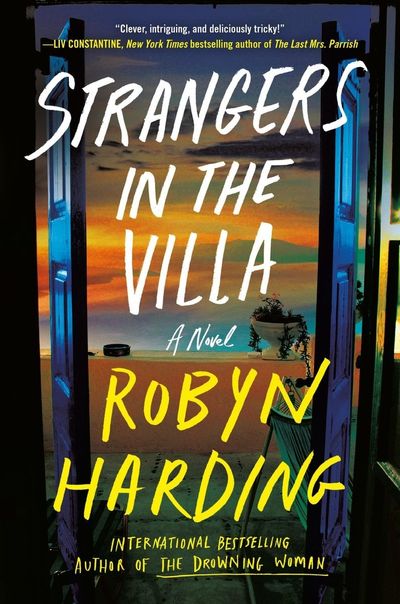
The setup is catnip: a couple repairing a marriage in a Spanish villa takes in attractive young strangers who will not leave. Harding plays it straight down the middle for maximum discomfort. Every kindness curdles. Every sunset has teeth. I read the second half standing up, metaphorically.
Sydney and Curtis Lowe are in trouble before the strangers arrive, which is what makes the book work. The villa does not break them. It finds the cracks and widens them with sea air and good wine.
A marriage on the rocks
Sydney's New York life cracked when Curtis admitted an affair with a client. His apology tour has one big idea: retreat to a remote Costa Brava hilltop house and rebuild. Sydney agrees the way people agree to surgery. Necessary, terrifying, possibly too late.
Harding sketches the damage economically. Sydney catalogs betrayals the way some people count calories. Curtis performs devotion while guarding his phone. The villa renovation gives them joint tasks to hide behind: scrubbing tiles, haggling with workmen, pretending paint colors matter more than trust.
Spain itself gets lush treatment. Markets, coves, endless lunches. The beauty works as pressure, not relief. Everyone else seems to be enjoying paradise, which makes the Lowes' stiffness more visible to each other and, fatally, to newcomers.
The guests arrive
The young Australian couple appears at the door in genuine need, or what looks like it. Stranded, broke, charming. Sydney, lonely and hungry for company that is not her husband's guilt, invites them to stay. Curtis, eager to play the generous host, agrees too fast. Loneliness makes both of them stupid in complementary ways.
The guests settle in with alarming speed. Laundry appears folded. Meals improve. Stories get told. Harding is excellent at the micro-violations: a moved photograph, a borrowed shirt returned washed, a joke about the Lowes that lands half an inch off. Each small thing could be nothing. Together they form a pattern Sydney refuses to see.
Free labor sweetens the deal. The property needs hands, and the guests have them. Sydney tells herself this is mutual aid rather than slow invasion. Curtis enjoys having an audience again. Both rationalizations sound reasonable right up until they do not.
Secrets surface
Dark histories emerge on all sides. The guests are not who they claim, and neither, it turns out, are the hosts entirely. Curtis's affair was not the whole story. Sydney's victimhood has sharper edges than she shows. Harding deals these revelations at a steady clip, each one recoloring earlier scenes.
The Lowes' bond takes the beating the premise promises. Forced proximity with attractive outsiders tests vows already thin. Jealousy flares in both directions. Old fights get new ammunition. The villa, meant as neutral ground, becomes a courtroom where everyone testifies and nobody is acquitted.
A midpoint confrontation in the pool ranks among Harding's best set pieces. Drunk, sunburnt honesty strips every character to motive in about ten pages. Nothing is resolved. Everything is exposed. The rest of the book plays out the consequences at increasing speed.
Not everyone leaves
The finale moves fast and bloody. Alliances flip as survival instincts kick in. Sydney, underestimated throughout including by herself, acts with a clarity her earlier dithering never suggested. Curtis gets a reckoning that feels proportionate rather than cruel. The guests' endgame proves both smarter and sadder than pure villainy.
Harding sticks the landing without tidying the marriage into a bow. Some breaks do not mend. Some do, crookedly. The last chapter finds the survivors changed in ways that feel permanent, which is rarer in thrillers than it should be.
The body count and betrayals will satisfy plot-first readers. The character work, especially Sydney's slow reclaiming of agency, gives the book more weight than its twist count suggests.
Sunlit dread
This is Harding at her most controlled. The Drowning Woman fans will recognize the damaged-women dynamics, but the Spanish setting and the guest plot give it fresh air. Short chapters and shifting sympathies keep pages turning. Nobody stays likable for long, which is the point.
My quibbles: the guests' backstory leans on coincidence once, and a late police development resolves a touch neatly. Neither spoiled the ride. For a tense getaway thriller with actual teeth, this delivers. Pack sunscreen and lock your doors.
Harding's catalog context
Readers of The Drowning Woman will recognize Harding's fascinations: damaged women, transactional relationships, the way money warps care. Strangers in the Villa applies those interests to marriage rather than friendship, and the shift suits her. Couples lie to each other with a specificity friends rarely manage.
The Party fans will note the structural similarity: outsiders welcomed, boundaries tested, violence arriving as punctuation. Harding has essentially perfected a subgenre, the hospitality thriller, where invitation becomes incursion. She varies it enough here through the Spanish setting and the post-affair wound to avoid self-repeat.
Her prose stays serviceable rather than showy, which fits the material. Short chapters, clean reveals, dialogue that does double duty. Nobody reads Harding for sentences alone. They read for the queasy feeling that decent people might do terrible things under the right sun.
The guest tradition
Unwelcome houseguests have a long literary pedigree, from Highsmith to contemporary vacation noir. Harding's contribution is making both sides sympathetic enough that readers keep switching allegiances. The Lowes invite trouble through loneliness. The guests exploit it through need. Everyone's motives scan as human rather than plot-driven.
The Australian couple deserves praise as antagonists. They are young, broke, attractive, and fluent in the language of gratitude. Their manipulation works because it mimics real intimacy so well. Scenes of shared cooking and cleaning carry genuine warmth alongside the menace. That blend makes them harder to dismiss than pure villains.
Sydney's slow education forms the real arc. She begins as a woman who outsources judgment to her husband and ends as someone who trusts her own read of a room. The thriller plot forces that growth rather than merely accompanying it. By the final chapters she acts with a decisiveness the opening Sydney lacked entirely.
Sunshine as dread
Setting a thriller in relentless sun takes skill. Darkness hides threats easily. Daylight forces Harding to build dread from exposure instead: no shadows to duck into, nowhere to hide a bruise, everyone visible and therefore performing. The Costa Brava brightness becomes oppressive in exactly the right way.
Food and drink do thematic heavy lifting. Shared meals mark truces. Wine loosens tongues strategically. A kitchen becomes contested territory. Harding understands that domestic thrillers live in domestic spaces, and she stages more key scenes at the table than anywhere else. Hunger, literal and otherwise, drives everyone.
The villa itself functions as a fifth character. Too big, too remote, too full of other people's taste. Its renovation parallels the marriage repair: cosmetic work over structural cracks. When both projects fail simultaneously, the symmetry satisfies without feeling engineered.
Final assessment
This is top-tier Harding, confident and cruel in the right proportions. The marriage feels real, the guests feel dangerous, and Spain feels worth the flight. Twist lovers get their count. Character readers get Sydney's hard-won clarity.
Read it on vacation if you dare. Just do not invite anyone to stay.
Harding's hospitality trap
The brilliance of the setup is how reasonable every step feels. Lonely people welcome company. Hosts enjoy gratitude. Guests help with chores. Each decision makes sense alone. Together they build a trap nobody chose and nobody can exit gracefully. Harding constructs the snare from politeness itself.
Sydney's loneliness gets specific, textured treatment. New country, thin marriage, no friends yet, days structured around a house that does not need her. The guests fill real vacancies: conversation, laughter, hands for heavy work. Her invitation is not stupidity but hunger. Understanding that hunger makes her later danger hit harder.
Curtis's eagerness reads differently. He performs the expansive host to prove the marriage works, to himself most of all. Every generous gesture toward the guests doubles as performance for Sydney. Watch him closely and you see a man directing his own redemption movie. The guests simply steal the cameras.
The Australians exploit all of it with professional skill. They read the house within days: who needs flattery, who needs help, who needs an audience. Their manipulation works because it starts as genuine attention. The scariest predators in Harding's world always begin by giving people exactly what they lack.
Marriage on the stand
Under the thriller mechanics, this is a book about a marriage testifying. Every incident becomes evidence. Who called whom. Who noticed what. Who protected whom. Sydney and Curtis keep mental ledgers that never balance, and the guests audit both accounts mercilessly.
The affair backstory gets handled with unusual evenness. Curtis cheated; Sydney knows; both recite positions like legal briefs. Harding refuses to let either own victimhood completely. Curtis's guilt is real and insufficient. Sydney's pain is real and weaponized. The villa strips their talking points until only feeling remains.
Small intimacies survive amid the wreckage and matter enormously. A hand found in the dark. Coffee made right without asking. These crumbs of care keep the marriage question open when plot logic screams divorce. Harding understands that long relationships run on such moments more than grand gestures.
The ending's verdict on the Lowes feels earned rather than moralizing. Some couples survive infidelity through work. Some discover the work reveals incompatibility. The book honors both outcomes through different characters. No single model of marriage gets endorsed. Attention gets endorsed. Everything else is negotiable.
Spain, salt, and dread
The Costa Brava setting does more than decorate. Expat fragility permeates every scene. The Lowes depend on goodwill they have not earned, in a language they half-speak, under laws they barely grasp. Their vulnerability is structural, and the guests understand the structure better than they do.
Food scenes carry class anxiety alongside flavor. Markets overwhelm. Restaurants judge. Home cooking becomes a performance of belonging nobody applauds. Sydney's attempts to master local cuisine mirror her attempts to master the situation: earnest, inadequate, increasingly desperate. Hunger here is never just hunger.
The villa's isolation works on multiple levels. Physical distance from help. Social distance from anyone who knows them. Emotional distance between the couple. Each kind of aloneness amplifies the others until the house feels like a locked room despite its open terraces. Sunshine noir at its finest.
Harding has written sunlit dread before, but never this sustained. The brightness never breaks, which means the dread never gets relief. Readers expecting Mediterranean escape should adjust expectations. This Spain gives nothing for free, least of all safety.
Trust, weaponized
The book's deepest subject may be how trust gets manufactured. The guests do not break in. They are invited, then helpful, then indispensable. Each step feels voluntary on the hosts' side. Harding shows grooming dynamics with chilling accuracy: isolation disguised as closeness, dependence framed as friendship, control arriving as care.
Sydney's professional life, glimpsed in calls and emails, shows a competent woman. That competence makes her domestic blindness more interesting, not less believable. Smart people fall for slow cons precisely because they trust their own judgment. The guests exploit her strengths, not just her wounds. Flattery works best on the capable.
Curtis's money shapes every dynamic. Who pays determines who decides, until the guests start contributing labor that complicates the ledger. Financial dependence cuts both ways here. The hosts need help they cannot afford to buy. The guests trade work for shelter in deals nobody writes down. Vagueness benefits whoever planned it, and only one side planned.
The affair backstory functions as original sin neither can outrun. Curtis's betrayal justifies Sydney's suspicion while invalidating her standing to voice it. She knows things and cannot say them without reopening her own wounds. That bind paralyzes her at key moments. The guests read the paralysis perfectly and press exactly there.
Recovery, when it comes, starts with naming. Sydney saying plain things aloud breaks spells faster than any confrontation. Truth-telling as self-defense gives the climax its power. The final chapters reward readers who tracked every small lie. Nothing was wasted. Everything was evidence.
The morning after
What lingers after the last page is not the twists but the marriage. Sydney and Curtis will carry the villa forever, whatever they decide about each other. Shared trauma bonds as surely as shared joy, sometimes more tightly. Whether that bond sustains or strangles remains their open question.
Harding resists the thriller convention of resetting to normal. There is no normal to return to, only a new arrangement built on fuller knowledge. That honesty distinguishes her from writers who treat trauma as plot fuel. Here consequences persist past the finale. People limp. Trust rebuilds slowly or not at all.
The guests, win or lose, have already taken something unreturnable: the couple's story about themselves. Before Spain, the Lowes could narrate their marriage as survivors of a rough patch. After, the narrative includes complicity, cruelty, and choices neither can unmake. Stories, once broken, do not reassemble cleanly.
I admired the nerve of that ending. Comfort would have been easier and falser. Harding chose truth over solace, and the book is better for it. The villa keeps its secrets the way the Lowes keep theirs: imperfectly, painfully, humanly.
FAQ
When was it published?
Grand Central Publishing published it on March 3, 2026. The hardcover runs 336 pages with ISBN 9781538774007.
Is it part of a series?
No. It is a standalone psychological thriller.
Who is trapped in the villa?
Sydney and Curtis Lowe plus the young Australian couple who talk their way into the villa.
Similar books
Every Last Secret
A wealthy wife tracks a possible affair, but dinners, therapy, and a sudden death expose buried secrets across two polished suburban marriages and force her to…
2,687-word summary · 12 min read
Bring Me Back
Finn lost Layla at a French rest stop twelve years ago. Now engaged to her sister Ellen, he faces sightings, emails and Russian dolls that reopen everything.
2,912-word summary · 13 min read
My Husband's Wife
Artist Eden Fox returns from a run to find her key fails at Spyglass and her husband claims a stranger is his wife in Hope Falls.
2,437-word summary · 11 min read

Six Years
A professor who promised to forget the woman he loved sees her husband's obituary and discovers that the wedding, the marriage, and the woman herself may never…
2,076-word summary · 9 min read

The Pilot's Wife
Kathryn Lyons's husband dies in a plane crash, and the investigation reveals a secret life that forces her to rethink their marriage.
2,006-word summary · 9 min read
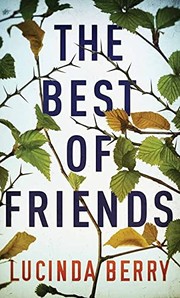
The Best of Friends
Three lifelong friends discover their teenage sons were hiding more than anyone knew after a night that leaves one dead, one in a coma and one silent.
2,040-word summary · 9 min read

Girl, Forgotten
A rookie US marshal guards a judge with a stalker and ends up reopening the 1982 prom-night murder of the judge's pregnant daughter.
2,111-word summary · 9 min read
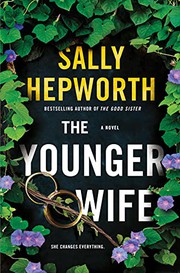
The Younger Wife
A Melbourne surgeon announces he is divorcing his wife, who has Alzheimer's, to marry a woman his daughters' age, and the family's buried violence surfaces.
2,127-word summary · 9 min read

The Boy from the Woods
Wilde, found feral in a New Jersey forest in 1986, hunts for a missing teenager while a senator's secrets tear a wealthy town apart.
2,270-word summary · 10 min read

The Widow
A widow of a suspected criminal faces reporters and police while hiding what her marriage really cost.
2,599-word summary · 12 min read
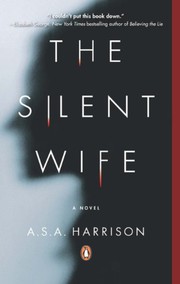
The Silent Wife
A Chicago psychologist watches her twenty-year partnership collapse when Todd leaves for Natasha, then plans murder.
2,591-word summary · 12 min read
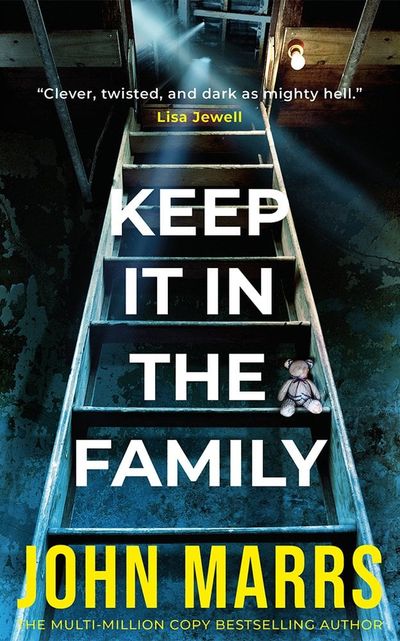
Keep It in the Family
Mia and Finn renovate a long empty house and find seven children hidden in the attic.
2,270-word summary · 10 min read
The Other Mrs.
A Chicago family inherits a house on a Maine island, then a neighbor is found murdered. Kubica's 2020 thriller builds to a final reframe.
2,267-word summary · 10 min read
The Cousins
Three cousins work at their rich grandmother island resort while digging into why their parents were cut off.
2,565-word summary · 11 min read
Reconstructing Amelia
A grieving lawyer mother reopens her teen daughter's alleged suicide at an elite Brooklyn school, uncovering bullying and secrets.
2,032-word summary · 9 min read
Pieces of Her
After her mother kills a mall shooter with shocking skill, Andy Oliver uncovers a hidden 1980s past of radicals and wealth.
2,791-word summary · 12 min read
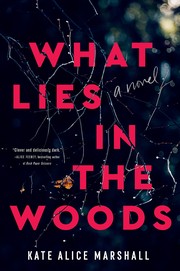
What Lies in the Woods
Naomi returns after Olivia vanishes to face what happened in the woods at eleven.
2,213-word summary · 10 min read
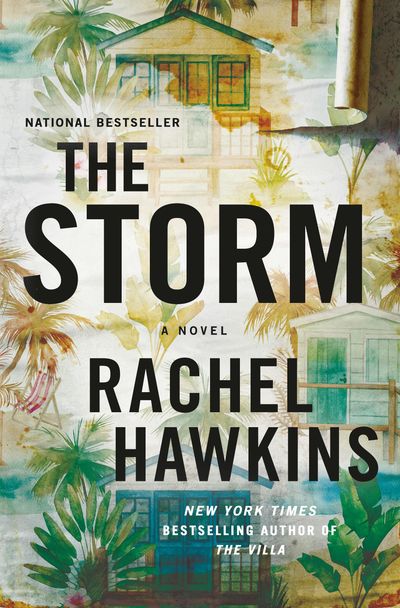
The Storm
A struggling innkeeper, a returning murder suspect, and a true crime writer collide as another hurricane bears down on the Alabama coast.
2,349-word summary · 10 min read
The Soulmate
A cliffside fall leaves a wife doubting her husband as old abuse and buried secrets surface.
2,126-word summary · 9 min read
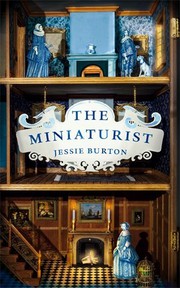
The Miniaturist
A new bride in 1686 Amsterdam gets a dollhouse replica of her home, and its tiny figures start to reveal what the Brandt family hides.
2,865-word summary · 13 min read
The Last House Guest
A year after her best friend dies in Littleport, Maine, a local woman finds a hidden phone that reopens the case.
2,596-word summary · 12 min read
The First Time I Saw Him
Five years after Owen vanished, Hannah and Bailey have rebuilt in California until Owen walks into her exhibition and danger returns.
2,407-word summary · 11 min read
Such a Clever Girl
Fifteen years after the Tanners vanished, Aubrey returns at 30 as a new disappearance forces three women to face old secrets.
2,203-word summary · 10 min read
Someone We Know
A teen burglar, two unsigned apology letters, and a murdered neighbor wife turn a quiet suburb paranoid.
2,743-word summary · 12 min read
My Lovely Wife
A bored suburban couple murders together until one victim unspools them.
2,421-word summary · 11 min read
Anatomy of an Alibi
Two Louisiana women swap lives for twelve hours to spy on a husband, then he turns up murdered and only one of them has an alibi.
2,278-word summary · 10 min read

All the Little Houses
In 1980s Longview, Texas, social queen Charleigh and daughter Nellie guard mean-mom secrets when a new family threatens their empire.
2,206-word summary · 10 min read
A Stranger in the House
A wife crashes with no memory while husband hovers and police wait.
2,001-word summary · 9 min read
The Good Sister
Twin sisters share a careful arrangement until a plan to have a baby pulls old family secrets into view.
3,255-word summary · 14 min read
The Wives
A woman who sees her husband only on Thursdays tracks down his other wives and learns her marriage is not what she believed.
2,454-word summary · 11 min read