
Reading options
What's inside (8 sections)
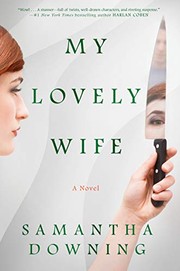
I picked up My Lovely Wife because the pitch sounded too grim to ignore. A married couple who murders together to fix a dull marriage. The cover copy calls it Dexter meets Mr. and Mrs. Smith, and that comparison is close enough to get the shape. This is Samantha Downing debut thriller, first published in 2019 by Berkley, with this edition running 320 pages. It is told by an unnamed husband in present tense, and it moves fast once the second victim surfaces.
My setup going in was simple. I expected a suburban noir with a clever twist. What I got was stranger and colder, a book where both leads keep lying to the reader as well as to each other. I finished it in two nights and spent the second night annoyed at almost everyone in it, which I think was the point.
The couple looks normal from the street. The husband teaches tennis at the local country club. His wife Millicent sells high end real estate. They have been married fifteen years and have two kids, a teenage son named Rory and a younger daughter named Jenna. They live in a comfortable Florida suburb where the houses are large, the schedules are packed, and everyone is quietly measuring themselves against the neighbors. Money is tight in the way it gets tight for people trying to look richer than they are. Club fees. Cars. Trips. The husband feels the gap every time he shakes hands with a member who owns more.
Inside that pressure, the marriage had gone flat. Not broken in a loud way. Just tired. Same routines. Same talks about bills and practices and showings. Then, a few years before the book opens, something violent happened that bound them in a new way. Millicent sister Holly threatened them, the husband used force to protect his wife, and Holly died. He hit her with a tennis racket during a confrontation. It was not clean self defense on paper, so they covered it up. Soon after, a coworker of Holly figured out pieces and tried to blackmail them. Millicent killed her to protect him. After two deaths that they told themselves were necessary, they found they wanted the rush again. That is the turn the book never blinks at. Killing became their shared hobby and their sex life improved with it.
A flat marriage in a polished suburb
Downing spends the first chapters on domestic texture, and that patience pays off.
The husband narrates with a chummy tone that curdles fast. He loves his kids in an anxious hovering way. He makes lunches. He worries about Jenna stomach aches and Rory sneaking out. He tells himself he is a good provider. At the same time he is scouting women to kill with his wife, and he writes about it the way other narrators write about fantasy football.
Millicent runs the house with a tighter hand. She is the strict parent, the scheduler, the one who remembers forms. At work she is polished and direct. At home she keeps lists and rules. Rory pushes curfew. Jenna worries and asks questions adults brush off. Friends see Millicent as competent and a little cold.
The suburb itself matters. This is a place of carpools and group chats and gala nights at the club. People notice who parks where and who lingers too long at practice. That visibility should make murder impossible, which is why the couple enjoys the risk. They pass as the parents of your kid friend, the acquaintances you keep meaning to invite for dinner. Downing uses that mask well. Grocery runs sit beside stalking plans. A showing appointment becomes cover for a drive past a target house.
What stuck with me here was the money shame. They are not poor, but they feel poor next to their circle. That envy feeds the killing in an ugly way. Choosing victims who seem freer gives the couple a sense of power they do not feel at the club. The book never excuses this.
How their hobby is supposed to work
The arrangement has rules, at least as the husband tells it.
He finds the women. He watches routines at the club and around town, looking for someone who lives alone or drinks alone at a bar. When he spots a candidate, he sometimes approaches her under a false identity. His favorite cover is Tobias, a deaf man. He fakes it with gestures and phone notes, which lets him get close without much talk. He tells himself this is careful tradecraft. It reads as predatory patience.
Millicent does the killing and the disposal, or so the plan goes. After he points, she takes over. He helps with transport and burial. They pick isolated spots. They time around kid sleepovers and work trips. They tell each other only what is needed, which becomes a problem later.
Their first planned stranger victim after the two necessary deaths was a hiker. The night went wrong in a suburban way. Their daughter called sick from a sleepover and needed pickup, so the husband left Millicent to finish alone in the woods. He never asked for details. He assumed she killed the woman that night and buried her. That assumption sits at the center of everything that follows.
I found these chapters hard to read, not because they are graphic. Downing keeps the violence mostly off the page. What is hard is the husband tone. He worries about sunscreen for the kids in one paragraph and about rope in the next. He grades women the way he grades tennis prospects. The flatness is deliberate, but it leaves a sour taste. You are inside a man who has trained himself to see half the town as props.
A fair warning. If stories where women exist mainly to be hunted anger you, this book will test you. Downing knows that risk and keeps the camera on the couple guilt rather than on suffering, but the pattern still grates by design.
Lindsay and the motel
The plot turns when a body surfaces.
A young woman named Lindsay, reported missing months earlier, is found at an abandoned motel. Police say she was held for a long stretch before she was strangled. That timeline shocks the husband. He believed Lindsay, the hiker they took together, died the night they grabbed her. Instead she was alive for months after, kept somewhere, then killed and dumped where she would be found.
He confronts Millicent. She does not panic. She tells him this was her gift to their hobby. Years earlier the area had a notorious local killer named Owen Oliver Riley who kept women for about a year before killing them and who slipped through trial. Millicent kept Lindsay alive to match that pattern, then staged the dump to point toward Owen. If police think Owen is back, the couple can keep killing under cover of a legend. Fresh fear also pumps up the marriage high they both chase.
The husband buys in at first. He helps grab a new woman to hold in the same way while police chase the Owen theory. Media coverage explodes. Old cases get rehashed. True crime chatter fills the club. Jenna, already anxious, starts reading abduction stats and sleeping badly. Rory acts out and sneaks to see his girlfriend Faith. The house fills with the exact stress the couple claimed killing would relieve.
What I liked about this middle is how Downing lets the lie grow costs. Each choice needs more choices to hold. The husband starts double booking his life. Lessons run late. He misses texts. Millicent stays cool and keeps selling houses, which makes him trust her less. He begins to wonder what else she kept from him during the months Lindsay was hidden.
The motel discovery also brings law enforcement closer. A woman detective starts asking around the club and the neighborhood. She is blunt and unimpressed by charm. The husband tries his easy grin and gets nothing back. That shift in power is fun to read. For the first time he cannot talk his way past someone.
Neighbors and kids who see too much
Suburbia does what suburbia does. It watches.
A neighbor named Josh becomes a problem and a sounding board. The men drink beers while their kids circle each other. Josh notices cars and repeats rumors about Owen. He means well and misses almost everything. Every casual chat becomes a test.
The sketch hurts. Police release a drawing of Tobias, based on a woman the husband flirted with but chose not to kill and on marks a victim left in a wall. The husband sees his own face on the evening news. He tells himself no one will connect a tennis pro to a bar flirtation.
Home is worse. Jenna grades slip. She complains of stomach pain that comes and goes. The husband finds eye drops hidden in the pantry and fixates because Millicent is allergic. He spirals into a theory that Millicent is dosing Jenna food. Millicent denies it. There is no clean answer. The kids feel the rot before the adults admit it.
Rory drifts toward Faith and late windows. When Faith parents push to end the sneaking around, Millicent agrees in the meeting and undercuts it at home. The husband tries to be the buddy dad and fails. He lectures about safety while hiding bodies in his memory.
The husband also strays in small ways that reveal his self lies. He sleeps with a woman he scouted and then decides she should live, as if mercy in one case balances intent in others. He withholds details from Millicent the way she withholds from him. Their marriage talks turn into negotiations where each person audits the other affection. I kept thinking of couples therapy with knives in the drawer.
Millicent takes control of the story
About two thirds in, the husband realizes the game has tilted.
Millicent has been killing more than he knew. Other women he had noticed and dismissed. She kept notes on a tablet. She kept timelines that make him look like the main actor. DNA, his presence as Tobias, his car near sites, all of it points one way if police pull the thread. He begins to see her Owen copy plan as cover for a second plan. Frame him.
Whether every detail of his theory is right matters less than how fast trust collapses. He hides in town with an old friend, trying to crack the tablet. The friend believes him longer than seems wise, which strained my patience. Still, the panic reads true. A man who thought murder was foreplay now does math about lawyers while eating cereal in a spare room.
Millicent plays her part with ice. She tells police she knows nothing about bodies found near a church. She keeps showing houses. The steadiness that once attracted him now terrifies him.
Their last talks are power moves. We learn Millicent long claimed her older sister Holly harmed her as a child, a story that put Holly in an institution for decades. The fuller picture is darker. Millicent framed Holly early and often. Holly release as an adult set off the chain that ended with her death in their home. She has been staging victimhood since girlhood.
I did not find Millicent believable as a person so much as effective as a device. She is control without warmth, even toward the kids. That flatness serves the twist but feeds the criticism that the book leans on a cold wife caricature while the husband gets excuses.
The kitchen ending and the last line turn
No way around spoilers here. The book is built for its final twenty pages.
The husband goes home to confront Millicent. She is waiting, calm, ready with a speech that admits enough to damn him and little enough to keep options open. They argue about the tablet and the extra bodies. Their daughter Jenna has been listening without their knowledge. She steps in with a knife when she believes her mother is about to kill her father. Millicent dies. Rory arrives to see the aftermath.
What follows is queasy and clever. Forensics find DNA from scenes degraded at similar rates, which undercuts the timeline against him and supports his claim that evidence was mixed. The woman who knew him as Tobias still identifies the persona, but without a solid timeline the case softens. Police treat Millicent death as self defense by a child. He sells the house and relocates with Rory and Jenna.
The final pages refuse comfort. In a new town, the husband falls back into old habits. He spots a woman, adopts a deaf cover again, flirts with practiced ease. He has learned nothing except how to survive his wife. The cycle looks ready to restart.
Stepping back, the construction is tight even when the people are not likable. Downing plants the Tobias cover early, pays it off with the sketch, then uses the tablet to flip sympathy. The last sentence reframes the husband from pawn to carrier. He liked choosing. He will do it again without her permission slip.
The flaws deserve plain talk. Both leads are hard to root for by the middle. He pities himself while scouting women. She kills with no visible grief. The kids anxiety becomes clues more than wounds. The friend who hides him stretches belief. And the gender pattern can feel edgy for shock rather than examined. Readers who need someone to love on the page may bail.
Who should try it. Thriller readers who like unreliable husbands, marriage pressure stories, and twists that keep coming through the last paragraph. Fans of Dexter style moral rot and Mr. and Mrs. Smith teamwork will find the blend. Readers who want justice to land clean should skip, because this ending lets rot walk away. Readers sensitive to stories built on violence against women should also skip, since the premise never leaves that ground.
I closed the book thinking less about the twist than about the early line the husband believes, that it did not start as something bad. He clings to that story through motels and sketches and churchyard graves. Downing lets him keep the sentence while showing every choice that proves it false. That gap between what he says and what he does is the whole novel. It kept me turning pages after I stopped liking him, which may be the most honest recommendation I can give.
FAQ
Is My Lovely Wife part of a series?
No. My Lovely Wife is a standalone debut thriller. Downing later wrote other books, but this marriage story ends inside this volume.
Who are Rory and Jenna?
Rory and Jenna are the couple teenage son and younger daughter. Both notice the stress first, and Jenna intervenes in the final home confrontation.
When was My Lovely Wife first published?
Berkley first published it in 2019. This edition runs 320 pages and uses ISBN 9780451491725.
Similar books

Six Years
A professor who promised to forget the woman he loved sees her husband's obituary and discovers that the wedding, the marriage, and the woman herself may never…
2,076-word summary · 9 min read
The Drowning Woman
Living in her car in Seattle, Lee saves a wealthy stranger from drowning. The friendship that follows draws her into abuse, murder, and a plan to disappear.
2,578-word summary · 11 min read

Girl, Forgotten
A rookie US marshal guards a judge with a stalker and ends up reopening the 1982 prom-night murder of the judge's pregnant daughter.
2,111-word summary · 9 min read
The Younger Wife
A Melbourne surgeon announces he is divorcing his wife, who has Alzheimer's, to marry a woman his daughters' age, and the family's buried violence surfaces.
2,127-word summary · 9 min read

The Boy from the Woods
Wilde, found feral in a New Jersey forest in 1986, hunts for a missing teenager while a senator's secrets tear a wealthy town apart.
2,270-word summary · 10 min read

The Widow
A widow of a suspected criminal faces reporters and police while hiding what her marriage really cost.
2,599-word summary · 12 min read
The Silent Wife
A Chicago psychologist watches her twenty-year partnership collapse when Todd leaves for Natasha, then plans murder.
2,591-word summary · 12 min read
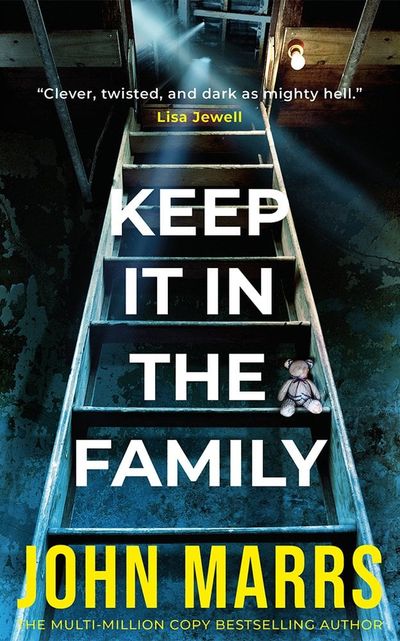
Keep It in the Family
Mia and Finn renovate a long empty house and find seven children hidden in the attic.
2,270-word summary · 10 min read
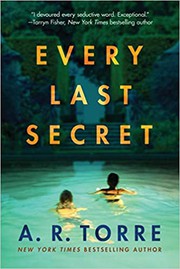
Every Last Secret
A wealthy wife tracks a possible affair, but dinners, therapy, and a sudden death expose buried secrets across two polished suburban marriages and force her to…
2,687-word summary · 12 min read
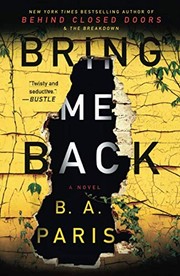
Bring Me Back
Finn lost Layla at a French rest stop twelve years ago. Now engaged to her sister Ellen, he faces sightings, emails and Russian dolls that reopen everything.
2,912-word summary · 13 min read
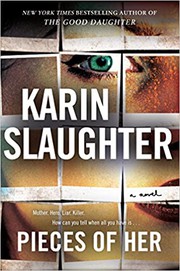
Pieces of Her
After her mother kills a mall shooter with shocking skill, Andy Oliver uncovers a hidden 1980s past of radicals and wealth.
2,791-word summary · 12 min read
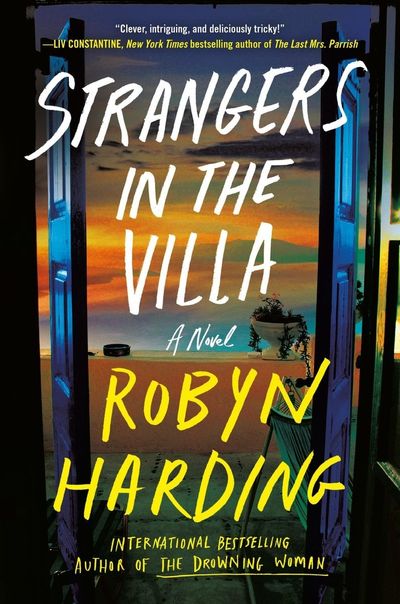
Strangers in the Villa
A strained couple in a Spanish villa takes in guests who refuse to leave.
2,208-word summary · 10 min read
My Husband's Wife
Artist Eden Fox returns from a run to find her key fails at Spyglass and her husband claims a stranger is his wife in Hope Falls.
2,437-word summary · 11 min read
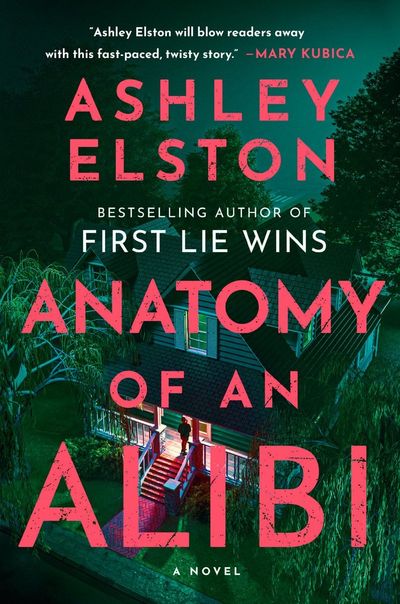
Anatomy of an Alibi
Two Louisiana women swap lives for twelve hours to spy on a husband, then he turns up murdered and only one of them has an alibi.
2,278-word summary · 10 min read
Something in the Water
Honeymoon divers find a bag of cash and diamonds at sea, then lie until lies cost more.
1,943-word summary · 9 min read

What She Knew
Rachel lets her eight-year-old son run ahead in a Bristol park, and the nine-day search turns her into a suspect in the public eye.
2,952-word summary · 13 min read

The Beach House
A young valet is beaten to death at a Hamptons party, and his law-student brother spends a year building a case against the family that covered it up.
2,049-word summary · 9 min read

Revolutionary Road
A Connecticut couple who believe they are too good for the suburbs plan to move to Paris, and the plan slowly exposes everything they cannot say to each other.
2,085-word summary · 9 min read

The Trespasser
A Dublin Murder Squad detective investigates a staged dinner-party killing and finds a cover-up that reaches into her own department.
2,051-word summary · 9 min read

Rules of Prey
Minneapolis detective Lucas Davenport hunts a killer who leaves a new rule at every scene and treats murder as a game of wits.
1,914-word summary · 9 min read

The Late Show
Exiled to the LAPD night shift after accusing her supervisor, Renée Ballard keeps two cases that were meant to be handed off at dawn: a brutal assault and a…
2,563-word summary · 11 min read

4th of July
Lindsay Boxer shoots two armed teenagers in self-defense, faces a wrongful-death trial, and spends her leave chasing a string of throat-slashing murders in…
2,192-word summary · 10 min read

The Camel Club
Four Washington misfits witness a murder on Roosevelt Island and stumble into a conspiracy that reaches the Oval Office, with a hostage president and a nuclear…
2,354-word summary · 10 min read
Persuader
Reacher goes undercover in a Maine crime family to find a missing DEA agent and the man he once failed to kill, and Lee Child keeps the whole thing tight,…
2,278-word summary · 10 min read

61 Hours
A bus crash strands Jack Reacher in a snowbound South Dakota town where a drug gang, a corrupt police force, and a single witness are on a collision course.
2,227-word summary · 10 min read
The Last Mile
Melvin Mars is hours from execution for his parents' murder when another man confesses, and FBI cold case detective Amos Decker goes looking for the trap.
2,746-word summary · 12 min read

Still Missing
A realtor is abducted at a Vancouver Island open house and held for more than a year. Told through therapy sessions, the novel follows her escape and the hunt…
2,466-word summary · 11 min read

Bad Luck and Trouble
A deposit of $1,030 summons Jack Reacher back to his old army unit, which is being picked off one name at a time.
2,366-word summary · 11 min read

A Spool of Blue Thread
Four generations of the Whitshank family in Baltimore, and the silences, resentments and quiet love they hand down without ever saying so.
2,408-word summary · 11 min read

3rd Degree
The third Women's Murder Club novel follows a San Francisco terror cell and a three-day killing schedule, and it costs the club a member.
2,685-word summary · 12 min read