

Reading options
What's inside (8 sections)
I picked up The Wives because I wanted a marriage thriller that did something stranger than a cheating husband and a hidden phone. A friend said the narrator only sees her husband on Thursdays and accepts it. That detail hooked me. The edition I am summarizing is the Graydon House hardcover from 2019, listed at 320 pages, a standalone thriller by Tarryn Fisher. I read it fast, then sat with it for a day because the second half reframes almost everything from the first half. Spoilers from here on. You need the full shape to judge whether the story earns its turns.
The narrator calls herself Thursday. She works as a nurse in Seattle and lives alone for most of the week. She believes she is the legal wife of a businessman named Seth. She believes Seth has two other wives. She does not know their real names, so she calls them Monday and Tuesday after the days he spends with them. The arrangement allows no contact between the women. Seth insists on separation. He says it keeps jealousy down. Thursday tells herself she agreed freely because she loves him. She cooks an elaborate meal every Thursday and waits for his knock. She keeps the apartment clean for him. She structures sleep and shifts around him. She tells no one in her family the full truth because shame sits close to the surface.
Thursday also carries a loss that shapes every choice. She was once pregnant. The pregnancy ended badly and she lost the chance to carry another child after emergency surgery. She spent time in a hospital psychiatric ward after harming herself. Fisher holds the medical past back while Thursday focuses on Seth, and that delay matters later when doctors start to doubt her account.
Early chapters live inside the Thursday routine. Thursday describes grocery lists and laundry and the quiet before Seth arrives. Seth is charming in a narrow way. He notices food. He praises her cooking. He asks about work with light interest and then steers talk away from his other households. He brings small gifts. He apologizes for lateness with work stories. He dislikes questions about Monday and Tuesday. When Thursday presses, he frames curiosity as ingratitude. He says she knew the terms. He says the other women respect the rules. Thursday swallows the rebuke because confrontation might cost her the one day she gets.
What breaks the routine is ordinary housework. While sorting Seth pants for laundry, Thursday finds a scrap with a name and a medical detail that points to a woman named Hannah. Thursday decides Hannah must be one of the other wives. The pregnant one, she thinks. Jealousy mixes with worry. She tells herself she only wants to see the woman from a distance. In practice she starts to investigate with focus that surprises even her. She searches online. She checks addresses. She drives past a Victorian house and lingers. She invents a reason to speak to Hannah and exchanges contact details. Hannah has no idea who Thursday really is.
A Thursday marriage that never quite adds up
The polygamous setup sounds clear when Thursday explains it, but small facts snag if you pause. Seth spends Thursday with Thursday. He spends two other days with women Thursday has never met. That leaves most of the week unaccounted. Thursday never asks for a calendar. She never asks how holidays work. She never asks about money in a concrete way. She says Seth handles each household separately. She accepts vague answers about travel and work. At first I read this as denial. Later it reads as a warning about narration itself.
Thursday isolation makes the arrangement easier to sustain. She works nights and odd shifts. She has a father who checks in but does not pry. She avoids close friends who might ask direct questions. She tells herself solitude proves loyalty. In quiet passages she admits she hates how fast Thursdays end.
Seth in these pages stays smooth and shallow. He likes rich food and praise. He likes order. He talks about his mother tea recipe for nausea with fondness that later turns cold. He talks about discretion as if it were care. He never hits Thursday in this section. He never raises his voice for long. He withdraws instead. He goes quiet. He leaves early. Thursday works hard to win him back with better dinners and softer tones. That cycle felt familiar from other books about uneven marriages, and I wished Fisher had given Seth one scene of real interior life early on. He functions as a prize and a blank, which helps the mystery but weakens him as a person.
A fair criticism belongs here. The first third repeats beats. Thursday cooks and waits and worries. The loop captures how she lives, but pages blur. Readers who want pace may skim.
Hannah and the bruises that change the plan
Hannah enters as a stranger Thursday watches too closely. She lives in a handsome older house. She is pregnant. She is polite to a newcomer who shares an interest in the neighborhood and then in coffee. They meet for breakfast. They meet again for dinner. Thursday lies about her own life with ease that startles her. She says she is new in town. She says she works different hours. She asks careful questions and memorizes answers. She tells herself the lies protect Hannah. In truth Thursday wants facts Seth never gave her. How long has Hannah known him. Whether he is gentle with her. Whether she knows about Thursday at all.
What shifts Thursday from jealous snooping to alarm is physical evidence. Hannah shows up with bruises on her arm that look like grip marks. Later Hannah has a mark on her face that she explains away. Hannah says her husband has a temper. Thursday, who has never known Seth to be violent with her, feels the floor tilt.
Thursday confrontation with Seth about the bruises goes badly. She asks too much too fast. She mentions Hannah by name. Seth turns cold. He denies knowledge. He accuses Thursday of snooping and breaking trust. The fight turns physical. Thursday is hurt badly enough to need hospital care for a head injury. This scene is brief on the page, which I appreciated. Fisher does not linger on impact. She focuses on confusion in the emergency room and the strange flatness of Seth when staff ask who he is to the patient.
At the hospital Thursday insists Seth is her husband and describes the polygamous marriage. Seth tells staff he does not know what she means. Staff admit Thursday to the psychiatric ward. She knows the routine from her earlier stay. When her father arrives instead of Seth, Thursday tells herself Seth sent him.
Regina, the lawyer wife who knows too much
With Hannah possibly at risk and Seth denying everything, Thursday turns to the third point of the triangle. She identifies Seth first wife as Regina, a lawyer in the city. Thursday books an appointment under a pretext and studies Regina across a desk. Regina is controlled. She dresses with precision. She answers personal questions with polite walls. Thursday leaves with little except a stronger sense that Regina knows Seth in a way Thursday never did.
Thursday does not let go. She follows Regina home and pushes into her house uninvited. Regina is angry and tells her to leave. Thursday talks about losing her baby and about fearing for Hannah. Regina listens longer than Thursday deserves. That relief should have worried me more on first read.
Regina later calls and asks to meet again. She tells a story that reframes Seth as ill and dangerous across both marriages. She says she lost a pregnancy near the same point when Thursday lost hers. She says Seth made tea from his mother recipe for nausea. She warns Hannah could face the same pattern. Thursday absorbs this as confirmation.
This is where the book asks for trust it has not fully earned. Neither woman shows paperwork. No lab report appears. The tea theory spreads through talk, not tests. Fisher needed one firmer anchor here to keep the theory from floating.
Regina gives Thursday an address for a condo where she says Hannah and Seth now live. She promises to meet Thursday there. Thursday, convinced Hannah is in immediate danger, agrees to go first and enter if she can. She arms herself before she goes. She tells herself a weapon only levels odds. She does not plan beyond arrival. That lack of planning tells you how far Thursday has slipped from the careful nurse who checks doses twice.
The hospital and the story that breaks open
To understand the condo confrontation, you have to return to the ward stay. Thursday describes intake questions and dull light. She describes her father bringing clothes and sitting through silence. She describes dissolving a sleeping pill in her father dinner to escape and pursue Regina and Hannah.
Memory also loosens in the ward. Thursday recalls marrying Seth in a small ceremony. Yet she cannot produce a date that holds or a witness who confirms. Each memory feels true from inside. Each one lacks outside support.
The book never mocks Thursday for this gap. After emergency surgery ended hope of future pregnancy, Thursday faced a void. Thursday reshaped limited attention into a chosen structure with rules and days. If Seth only came Thursdays, that was the rule. If he hid other women, that was the agreement.
Confrontation at the condo
The final movement moves fast. Thursday reaches the condo first. Hannah lets her inside. Before Thursday can explain fully, Seth arrives. Regina arrives after him.
Seth speaks first and flatly. He says Thursday was never his wife. He says she was his mistress. He says he divorced Regina and then married Hannah. Regina backs his account. Hannah stares at Thursday as friendship curdles into intrusion.
What happens next is violent and quick. Thursday grabs Regina by the throat. Seth pulls her off. Thursday draws a gun and shoots Seth. He survives but is left paralyzed. Fisher keeps the shooting stark rather than stylized.
Legal aftermath follows in summary. Thursday is placed in secure psychiatric care rather than prison. She attends groups and works on accepting that Seth never married her. For a stretch the book suggests a hard but hopeful path.
Then Regina asks to visit. Regina admits she shaped Thursday anger to aim at Seth because she wanted revenge. Thursday hears the admission and feels fury rise. She knocks Regina down and strikes her head against the floor until staff pull her away.
The double ending divided me. The shooting felt inevitable given Thursday access to a gun and her spiral. The final attack on Regina felt both shocking and overdetermined. Fisher wants to show that insight does not equal safety and that revenge harms the avenger. That point lands. Yet Regina visit strains belief. Security protocols in such units would rarely allow an unmediated meeting with a known trigger after a shooting. I accepted it as thriller compression, but it cost realism in a book that otherwise grounds hospital life well.
What holds and what falls apart
What holds is voice. Thursday narration is intimate and prickly. She notices cheap office art and stale coffee. She notices how Hannah holds a cup to hide a bruise. She notices Regina immaculate desk as armor. She notices her father hands shaking when he pours juice. These small physical facts do more work than any speech about trauma. Fisher also paces reveals well. Each new address leads to a new question. Each answer costs Thursday sympathy. By the time Seth denies marriage, you have enough doubt to fear he might be right and enough attachment to hope he is lying.
What falls apart is balance among the others. Seth never becomes more than charm plus absence. Hannah gets bruises and politeness but little history beyond marriage to Seth. Regina gets competence and grievance but turns too fast from cool lawyer to vengeful plotter. The book tells you these women suffered, but it shows most suffering through Thursday eyes. That choice fits first person narration, yet it leaves the central claim about shared harm thin. I wanted one chapter from Hannah point of view or one unfiltered letter from Regina early on to give them weight outside Thursday need.
I also want to name a worry about how the book uses illness and abuse as engines. Thursday history of pregnancy loss and ward care is handled with care in individual scenes. The overall structure still ties female pain to murder in a way the genre often repeats. A bruise becomes a clue. Grief hardens into a weapon. Fisher tries to complicate this by showing Thursday accountability and Seth legal marriage facts, but the thriller frame rewards escalation. Readers who come for a puzzle may miss how much real harm gets compressed into twists. Readers who have lived with loss or with a partner control may find the middle hard to read. That does not make the book cruel. It makes it loud where quiet might have served.
Who should read it. If you like narrators who mislead without lying outright, and you enjoy retracing early chapters after a break, this will satisfy. If you liked books about wives who watch other women, like the novels about the ex watching the new fiancee or the dog walker who moves in with a widower, you will recognize the pleasures here with a sharper edge. If you need a steady moral center or a fully proved explanation for every clue, you may finish annoyed. I finished torn, which I prefer to indifferent. The Thursday routine will stay with me longer than the final blood. A woman setting a table for one day of love and calling it a marriage is heartbreaking even before anyone fires a shot. Fisher understands that ache. She just buries it under plot when she should have let it breathe.
For readers tracking facts, the throughline stays consistent. Thursday believes she is a Thursday wife in a three wife arrangement with Seth. She tracks Hannah as the pregnant wife and Regina as the lawyer wife. Investigation through addresses and false friendship leads to hospital doubt and a condo showdown where Seth and Regina say Thursday was a mistress, not a wife. A shooting leads to locked care, brief progress, and a final fatal attack on Regina during a visit. The book presents itself as a standalone thriller with no series ties, and that shape fits. It opens and closes on Thursday alone, with the others receding into damage she must carry rather than solve.
FAQ
When was The Wives published?
It was first published on December 30, 2019 by Graydon House. The hardcover Original runs 320 pages with ISBN 9781525805127.
Is The Wives part of a series?
No, it is a standalone thriller. Thursday, Seth, Hannah and Regina do not return in a series.
Is Thursday really married to Seth?
Thursday believes she is his legal Thursday wife in a three wife arrangement. At the condo Seth says she was his mistress, that he divorced Regina and married Hannah, and Regina backs his account.
Similar books

The Widow
A widow of a suspected criminal faces reporters and police while hiding what her marriage really cost.
2,599-word summary · 12 min read

What She Knew
Rachel lets her eight-year-old son run ahead in a Bristol park, and the nine-day search turns her into a suspect in the public eye.
2,952-word summary · 13 min read

Still Missing
A realtor is abducted at a Vancouver Island open house and held for more than a year. Told through therapy sessions, the novel follows her escape and the hunt…
2,466-word summary · 11 min read

The End of Her
A sleep-deprived mother of twins faces a stranger's accusation that her husband murdered his first wife in Shari Lapena's domestic suspense novel.
2,383-word summary · 11 min read

The Therapist
A couple moves to a gated street where the previous therapist was murdered in their house.
2,437-word summary · 11 min read

The Night Swim
A true crime podcaster covers a rape trial while probing an old drowning in a small town.
2,260-word summary · 10 min read
The Last House on Needless Street
A lonely man, a cat and a mysterious neighbor pull you into a house full of buried trauma.
2,627-word summary · 12 min read
In My Dreams I Hold a Knife
College friends reunite ten years after a murder with a trap set.
2,252-word summary · 10 min read
The Silent Wife
A Chicago psychologist watches her twenty-year partnership collapse when Todd leaves for Natasha, then plans murder.
2,591-word summary · 12 min read

Every Last Secret
A wealthy wife tracks a possible affair, but dinners, therapy, and a sudden death expose buried secrets across two polished suburban marriages and force her to…
2,687-word summary · 12 min read
Bring Me Back
Finn lost Layla at a French rest stop twelve years ago. Now engaged to her sister Ellen, he faces sightings, emails and Russian dolls that reopen everything.
2,912-word summary · 13 min read

Twenty Years Later
A TV host reinvestigates a 20-year-old murder after a 9/11 victim ID names the accused, and the case pulls her own hidden past into view.
2,726-word summary · 12 min read
The Good Lie
A psychiatrist and a grieving lawyer reopen a closed serial killer case in California and find the profile points somewhere painful.
2,964-word summary · 13 min read

The Golden Couple
A cheating wife, a watchful husband, and a rule-breaking therapist collide in a marriage repair that hides stalking, a vanished woman, and a murder plot.
2,677-word summary · 12 min read
Something in the Water
Honeymoon divers find a bag of cash and diamonds at sea, then lie until lies cost more.
1,943-word summary · 9 min read

Sometimes I Lie
Radio host Amber wakes in a coma, able to hear but not move. Her husband may not love her, and three timelines close in.
2,399-word summary · 11 min read
The Wife Upstairs
A struggling dog walker falls for a wealthy widower in Alabama, but his missing wife may still be alive upstairs.
3,255-word summary · 14 min read
The Turn of the Key
A nanny writes from prison about a smart Highland house, four girls, and the night one child died.
3,207-word summary · 14 min read

The Last Mrs. Parrish
A con artist targets a rich wife, then the marriage game turns with a hidden past.
2,018-word summary · 9 min read
Before I Go to Sleep
Christine wakes each day with no memory, and her secret journal reveals her husband lies.
2,577-word summary · 11 min read
The Wife Between Us
A jealous ex-wife stalks her replacement, but nothing in this marriage is what it seems.
2,756-word summary · 12 min read

Into the Water
A drowning pool, eleven narrators, and sisters divided in Hawkins's murky second thriller.
2,598-word summary · 12 min read

Rock Paper Scissors
Amelia and Adam spend a locked anniversary weekend at Blackwater Chapel, trading letters that hide who wrote what.
3,135-word summary · 14 min read
The Perfect Marriage
A defense lawyer defends her husband accused of killing his mistress.
2,084-word summary · 9 min read

The Couple Next Door
After a dinner next door, Anne and Marco find baby Cora gone and every neighbor has a motive.
2,053-word summary · 9 min read
Behind Closed Doors
Grace seems to have a perfect marriage to Jack, until her sister and a friend see the locks and rules.
2,056-word summary · 9 min read

Never Lie
Newlyweds snowed in at a missing psychiatrist's house find tapes of patients.
3,849-word summary · 17 min read
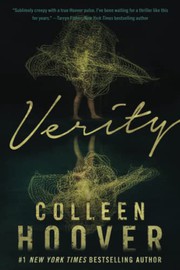
Verity
Colleen Hoover's Verity explained: Lowen, injured Verity Crawford, the hidden autobiography, and the letter that flips everything.
2,593-word summary · 12 min read

The Silent Patient
Alex Michaelides's The Silent Patient retold: Alicia's silence, Theo's obsession, the Alcestis clue, and the final flip.
2,412-word summary · 11 min read
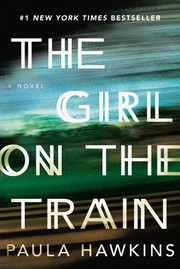
The Girl on the Train
Paula Hawkins's The Girl on the Train retold: Rachel's commute, Jess and Jason, Megan missing, and what really happened that night.
2,391-word summary · 11 min read