

The Tommyknockers
1,977-word summary 9 min read 747 pages in the book
- First published
- 1987
- Publisher
- Signet
- Pages
- 747
- ISBN
- 9780451156600
Reading options
What's inside (4 sections)
I had avoided this one because even King fans call it his cocaine novel, messy and overlong, written fast in the 1980s. That reputation is not wrong, but it misses why people still read it. The Tommyknockers, first published in 1987 by Putnam, Signet mass market edition running 747 pages, ISBN 9780451156600, is about a Maine town that finds a buried spaceship and gets smart and crazy together. Bobbi Anderson, a writer with a dog named Peter, trips over metal in the woods and starts digging. Her friend Jim Gardener, a drunk poet with a steel plate in his head that blocks the signal, tries to stop her. It is bloated, scary in spots, sad about addiction, and unmistakably King in voice.
Haven, Maine, is the usual King small town with its own gossip, feuds, town meetings. Bobbi lives on the edge with Peter, writes westerns, drinks too much coffee, loves Gard. Gard is a mess. Alcoholic, suicidal after losing family, haunted, but loyal. He comes to Haven to detox and to see Bobbi, finds her changed, thin, obsessed with digging behind her house, talking fast about batteries that never die and typewriters that read minds. The metal she found hums. It wants to be uncovered. It makes people invent things.
Digging and becoming
The first third is the best sustained horror. Bobbi digs a little each day and gets smarter. She builds a water heater from junk, fixes her truck with impossible tweaks, stops sleeping. Peter the dog gets sick from being near the ship. Townspeople who help dig start having nosebleeds, losing teeth, building strange devices in garages. A boy with a skateboard makes it fly. A housewife builds a transmitter from a toaster. King writes invention as addiction. Bright eyes, fast talk, no appetite, sex drive gone, teeth falling. Everyone is brilliant and dying and cannot stop because the ship sings that digging equals love.
Gard's steel plate matters because it shields him. Old injury from a skiing accident? Actually from a beating? He has metal in his skull that blocks the signal enough to think. He sees what others do not. Bobbi, who loves him in a tired long term way, begs him to help dig. He refuses, drinks, writes poems, tries to get Peter to a vet. Those early chapters where Gard watches Haven change while sober enough to notice are heartbreaking. He knows he is the only adult in a town of gifted children building bombs. No one thanks him. Bobbi accuses him of jealousy. Friends cross the street.
King's theme here is pretty plain. Addiction makes you brilliant at getting the drug and stupid about everything else. The ship is coke, booze, fame, whatever hollows while promising power. Gard, an addict in recovery wobbling, recognizes the pattern. He tells Bobbi she smells like invention the way drunks smell like drink. She laughs too loud. That parallel, King writing about his own 1980s use through a poet who cannot save his friend, gives the bloated middle its emotional center. You feel King trying to apologize to people he worried while using.
Haven's transformations escalate from funny to grotesque. A vending machine that reads thoughts. A clock that runs backward. Constable? Actually Deputy Becka Paulson? She kills her husband under influence and bakes? I will keep details light because they are gruesome. What matters is the town turns inward. Roads blocked by force fields. State police kept out by fake calls. Children used as batteries. The ship needs green light and human help to fully wake. Every invention costs flesh. Teeth in jars. Organs failing. King does not flinch. Some pages are hard to read while eating. That body horror still works because it is tied to grief. People give their bodies to feel smart and needed.
For pacing, the middle sags under invention lists. Another garage, another gadget, another nosebleed. Two town meeting scenes in a row follow similar beats. I skimmed one because the point, consensus to keep digging, was clear. Then a short chapter where Peter, the beagle, tries to warn Gard with eyes before seizures snaps it back. Animals as victims hit harder than humans here because they did not choose. Peter's decline made me angrier at Bobbi than any human death. King knows and uses it. If you love dogs, prepare. Peter suffers and Gard cannot save him in time.
Gard tries to save who he can
The last third becomes action. Gard, with Ev Hillman, an old man outside the signal range, and others, tries to get into the ship, to understand who the Tommyknockers are, to stop Haven from spreading. The Tommyknockers themselves, small gray creatures kept alive by the ship, are pathetic rather than evil. They crashed long ago, sent distress, died waiting. The ship is not invading. It is calling for help that corrupts helpers. That twist, victims making victims, is very King. No dark lord. Just technology that rewards digging with brilliance until you are used up.
Gard's plan involves getting inside while shielded, confronting Bobbi who is now more ship than friend, and choosing to fly the ship away to save Earth at cost to himself. Without spoiling the mechanics, he uses his poetry brain and his plate to resist long enough to be kind. His goodbye to Bobbi, where he sees the woman she was under the invention talk, is genuinely moving after hundreds of pages of bickering. He loved her for years in a broken way. He finally shows it by stopping her rather than helping her dig.
Ev Hillman, the elder who helps, gives the book its moral spine. He lost a grandson to Haven's changes and still acts with restraint. He does not hate the townspeople. He pities the ship. A scene where he reads to a sick child while Gard rigs explosives captures King's method. Ordinary kindness inside cosmic horror. Those small stays against night matter more than lore about Galactic Tommyknockers. I remembered Ev's hands more than any gadget.
For craft, King's voice here is loose to a fault. Long sentences, asides, brand names, Maine dialect jokes, references to other books. Fans will catch connections to It, to The Dark Tower, to Derry. New readers will not need them. The bloat is real. At 747 pages in mass market it could have lost 200. Subplots about minor townspeople repeat the same arc. Discover metal, get smart, lose teeth, build thing, die. After the fifth, you get it. An editor should have cut two. But the Gard Bobbi core holds through bloat because their friendship feels lived. Late night talks, old songs, shared hangovers. You believe they loved each other before the ship.
For criticism beyond length, the book's treatment of women wobbles. Bobbi starts strong, a competent writer with her own land, then becomes a mouthpiece for the ship, losing agency for hundreds of pages. Other Haven women fare similarly, gaining brilliance only to serve plot. King has written better women before and since. Here addiction metaphor swallows character. Also, the ending's physics, how the ship moves and what Gard does, is vague even by King standards. Accept sacrifice as poetry rather than plan.
Still, I finished and thought about it for days, which I cannot say for tighter King books I forgot. The image of teeth in a jar on a workbench next to a perfect battery that never dies condenses everything about 1980s excess. Brilliance with rot underneath. Gard's steel plate as sobriety chip, imperfect, painful, necessary. Bobbi's typewriter that writes what she thinks before she types, exciting and terrifying for a writer. Those images stay.
For who this is for. If you like Maine horror with community collapse like Under the Dome, try it, but know this is messier and meaner. If you are new to King, start with Salem's Lot or Misery. Do not start here. You need tolerance for bloat and for dog suffering. If you are interested in addiction stories disguised as sci fi, this is unusually honest for 1987, written from inside rather than about. I closed it thinking about Gard reading his poem aloud to no one after everything, choosing words over signal. That choice, to make art without power, is the book's answer to the ship. It is enough, barely, and that bareness feels true.
Ev Hillman's grandson Bobby? Actually his loss needs naming because it fuels his calm. He lost family to Haven's changes and still chooses to help strangers rather than burn the town. When Gard wants revenge on Bobbi for what she became, Ev talks him down not with forgiveness speeches but with chores. Drive this truck. Carry this box. Eat before you go in. Those instructions keep Gard functional when rage would get him killed. I liked that Ev never claims moral high ground. He admits he wants Haven punished too. He just knows punishment will not bring his boy back. That honesty lets Gard hear him. Two addicts of different kinds, grief and drink, keeping each other busy enough to do one useful thing. King writes old men well when he lets them be tired rather than wise. Ev is tired and still shows up, which is better than wise.
Bobbi's writing shed as mind made visible deserves attention because King, a writer writing about a writer blocked then flooded, puts his own fears on page. Before the ship, Bobbi struggles with westerns no one respects, types slowly, doubts. After touching metal, she types fast without pause, produces pages that thrill her and chill Gard. He reads a passage and recognizes brilliance without soul, ideas that connect but do not breathe. That distinction, productivity versus art, runs through King's work and feels personal here. He was producing a lot in the 1980s while using, and worried it showed. Bobbi's shed fills with perfect pages she cannot remember writing. Gard, sober enough to read clearly, tells her they are clever and empty. She hears it as jealousy because the ship needs her to. Readers who make things will recognize the temptation. Output as proof of worth even when empty. King lets that fear sit without resolving, which is braver than a lecture on sobriety.
The children of Haven as batteries for adult invention is the hardest part to sit with and King does not look away. Kids get nosebleeds first, lose teeth faster, build toys that work too well. Parents proud at first, then scared, then using. A boy who makes his skateboard fly is celebrated until he collapses. A girl who hears the ship clearly is kept near digging to translate hums. Those exploitations mirror real towns where adults spend children's futures for present gain. Factories, mines, fame. Haven just makes it literal with wires. When Gard and Ev try to get kids out first, townspeople block roads not from cruelty but from need. They need young energy to finish uncovering. That need as love twisted will stay with me longer than any gadget. It asks what we take from young when we praise them for being special.
Haven's town meeting as democracy corrupted deserves a last paragraph because King stages it twice to show decline. First meeting, people argue, vote, disagree about digging, with Ev dissenting clearly. Second meeting, after more exposure, people agree too fast with bright eyes, finishing each other's sentences about progress. Gard watches from the back and recognizes consensus as symptom. No democracy hums. He tries to speak and is ruled out of order politely. That politeness scares more than shouting would. When smart people stop disagreeing, the ship is winning. I thought about office meetings where everyone nods at a bad plan because tiredness feels like agreement. King makes that everyday failure cosmic without losing the office feel. Forms are followed while substance rots. Minutes are taken while teeth fall.
FAQ
What do they find in Haven?
Writer Bobbi Anderson trips over buried metal in Haven woods and starts digging. It hums, wants uncovering, and makes helpers invent while sickening.
When was The Tommyknockers published?
Putnam published it in 1987. The Signet mass market cited runs 747 pages with ISBN 9780451156600.
Similar books
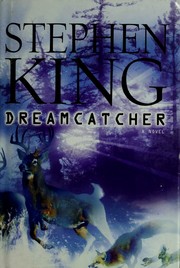
Dreamcatcher
King's 2001 novel follows four Maine friends whose hunting trip meets an alien crash. A friendship story wrapped in graphic infection horror.
2,627-word summary · 12 min read

Authority
The new director of the Southern Reach takes over an agency that is hiding the truth about Area X, and the building starts to change around him.
2,029-word summary · 9 min read

Annihilation
Four women enter Area X on the twelfth expedition to map a breathing tower that writes on its walls and a lighthouse full of lost journals.
2,265-word summary · 10 min read
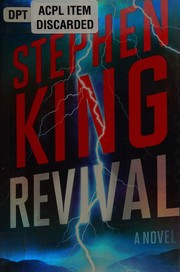
Revival
Jamie Morton shadows preacher Jacobs from boyhood healings to electric cures that open a door best left shut.
2,037-word summary · 9 min read
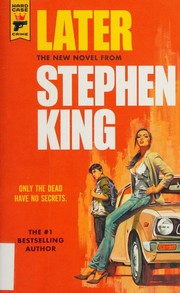
Later
Boy Jamie Conklin sees dead people who must answer truthfully, pulling him into NYPD cases and a drug crew's greed.
2,009-word summary · 9 min read
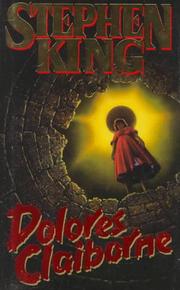
Dolores Claiborne
A Maine housekeeper confesses two deaths in one voice: Vera fall and husband lost in eclipse.
2,381-word summary · 11 min read

Cell
A cell signal turns callers into violent phoners, and a father walks north through ruins to find his son.
2,103-word summary · 9 min read

Under the Dome
Chester's Mill is sealed under an invisible dome as cook Barbie and editor Julia face Big Jim Rennie's rule.
2,731-word summary · 12 min read
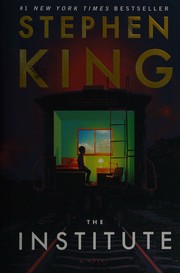
The Institute
A kidnapped prodigy wakes in a Maine facility where gifted kids earn tokens in Front Half and vanish from Back Half.
3,814-word summary · 17 min read
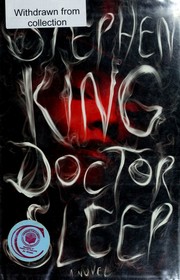
Doctor Sleep
Grown Dan Torrance gets sober in New Hampshire and helps gifted Abra Stone face the True Knot.
2,841-word summary · 13 min read
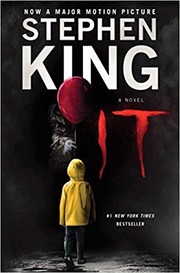
The Outsider
Coach Terry Maitland's DNA and witnesses point to an impossible murder, until Ralph Anderson and Holly Gibney trace it to El Cuco.
2,586-word summary · 11 min read
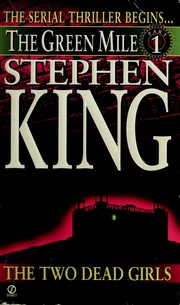
The Green Mile
Guard Paul Edgecombe watches John Coffey show healing miracles on death row in 1932 Louisiana.
2,549-word summary · 11 min read
It
Seven friends in Derry face a shape shifting evil as kids in 1958 and again as adults in 1985.
2,229-word summary · 10 min read
What Moves the Dead
Alex Easton arrives at the Usher house to find Madeline dying, the tarn full of fungus, and the local hares refusing to stay dead.
2,586-word summary · 11 min read

Wilder Girls
At a quarantined boarding school off Maine, three girls with strange mutations search for a missing friend and learn what the adults have hidden.
2,594-word summary · 12 min read
The First Fifteen Lives of Harry August
Harry August dies and is born again into the same life, again and again, until a warning from a child tells him the world is ending faster with each pass.
2,189-word summary · 10 min read

Night Film
A disgraced journalist investigates the death of a reclusive horror director's daughter, following a red coat through hospitals, secret clubs, and a family…
2,690-word summary · 12 min read
Sleeping Giants
A girl falls into a field and lands in a giant metal hand. Years later a secret team assembles the rest of the machine, and it chooses its own pilots.
2,466-word summary · 11 min read

Her Body and Other Parties: Stories
Eight stories where bodies, medicine and old fairy tales get taken apart, with a green ribbon running through the whole book.
2,997-word summary · 13 min read
Circus of the Damned
A rogue master vampire arrives in St. Louis and Anita Blake is caught in an undead turf war, with a science teacher in the crossfire.
2,757-word summary · 12 min read

Locke & Key, Vol. 1: Welcome to Lovecraft
After their father is murdered, the Locke children move into a haunted family estate where keys unlock doors to ghosts, other places, and dangerous secrets.
2,019-word summary · 9 min read
House of Salt and Sorrows
Annaleigh Thaumas investigates her sister's death in a cursed island manor where the balls are illusions and the sea god is always listening.
2,025-word summary · 9 min read
The Twelve
The middle volume of the Passage trilogy braids the year America died, a picnic massacre decades earlier, and the survivors' war against the twelve master…
2,089-word summary · 9 min read

The Caves of Steel
Detective Elijah Baley must solve a Spacer's murder in a domed New York, partnered with R. Daneel Olivaw, a humaniform robot built in the victim's image.
2,445-word summary · 11 min read

Paper Girls, Volume 1
Four paper girls in 1988 Ohio chase a stolen walkie-talkie into a basement and stumble into a time war, flying dinosaurs, and an older version of themselves.
2,235-word summary · 10 min read
A Scanner Darkly
Undercover narc Fred is ordered to surveil a drug user named Bob Arctor in near-future Orange County, not realizing the man on the screen is himself.
2,251-word summary · 10 min read
When You Reach Me
A sixth grader in 1970s New York gets strange notes that seem to predict the future.
2,456-word summary · 11 min read

Ubik
A psychic agency crew dies in a blast and reality decays unless a spray called Ubik saves them.
2,674-word summary · 12 min read

The Last House on Needless Street
A lonely man, a cat and a mysterious neighbor pull you into a house full of buried trauma.
2,627-word summary · 12 min read
The Day of the Triffids
Blinded survivors flee carnivorous plants after a meteor shower.
2,171-word summary · 10 min read