
Reading options
What's inside (8 sections)
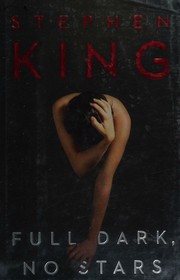
I read Full Dark, No Stars in order, one novella a night, because four dark stories in one sitting would be too much. First published in 2010 by Scribner at 368 pages in hardcover, it collects four novellas about retribution. No clowns, no aliens, just people. A farmer who kills his wife for land. A writer assaulted on a back road who plans payback. A man who trades his friend's luck for his own health. A wife who learns her husband is a serial killer. I found it bleak, gripping, and better written than its reputation for grimness suggests. King trusts you to sit with bad choices without looking away.
1922 opens the book and sets the tone. Wilfred James farms in Hemingford Home, Nebraska, in 1922. His wife Arlette inherited land he wants to keep for corn. She wants to sell and move to the city. Their son Henry, fourteen, loves his mother but sides with his father after pressure and sweet talk about the farm. Wilf and Henry murder Arlette with a knife in bed, dump her body in a well, lie to police and neighbors. That is only the start. Rats come. Guilt comes. Henry runs with a neighbor girl, robs banks, dies. Wilf loses farm, teeth, mind, writing his confession in a hotel while rats chew. The horror is not ghosts, though Arlette may haunt. It is choices rotting a man from inside.
I found 1922 the strongest because voice is perfect. Wilf writes plain, stubborn, self justifying, blaming wife, son, lawyers, rats, everyone but himself. His sentences creak like a barn. He counts acres the way Bridget counts calories, to control fear. Henry's slide from good boy to killer with his pregnant girlfriend felt rushed in places, but sad. Kids do terrible things when fathers ask. The well and rats will stay with me. Not splatter, but decay as conscience. King knows farms. Smell of hay, mud, blood. You feel work that makes men think land is worth lives. It is not, and Wilf learns too late, writing with shaking hands while teeth fall. Confession as punishment, not relief.
Big Driver and Fair Extension
Big Driver follows Tess, a cozy mystery writer who drives home from a library talk and takes a shortcut suggested by a stranger. She is assaulted brutally in the woods by a large man who leaves her for dead. She survives, crawls, drives, hides. She does not report at first from shame and fear of publicity. Then she learns her attacker is a serial man who hurt others. With help from her GPS and her own推理? Actually with help from her car and a friend, she plans revenge. She finds him, kills him and his brother who filmed. She lives, but not clean. The final pages show her writing again, changed, sleeping with a gun.
This one divided me. The assault is graphic and hard to read, though King does not linger for thrill. He focuses on Tess thinking her way out, counting, breathing, driving with injuries. Her revenge is careful, not frenzied. She becomes someone who can kill, and knows it. That knowledge costs. Some readers find the payback satisfying. I found it sad. She survives twice, once from him, once from becoming him, and second survival is incomplete. The tagline about a good girl learning to be bad sells it short. She learns to live with what she did to live. That distinction matters. Content warning is real. Rape, violence, murder. Do not read if you need light. If you do, know King treats Tess with respect, never blames, lets her be angry and smart.
Fair Extension is shortest and strangest, almost a fable. Dave Streeter has cancer and months. On the street he meets a man named Elvid, who offers to extend his life by taking luck from someone else. Dave picks Tom Goodhugh, his best friend since childhood who always had luck, money, health, wife. Dave says take it all. Elvid agrees for a price, money and a promise. Dave lives, cancer shrinks. Tom's life collapses. Child dies, wife leaves, job lost, health fails. Dave watches and feels sick and keeps living. His wife asks if it was worth. He says yes and hates saying it.
I liked this one least on first read, most on second. It reads like a Twilight Zone joke, but the sting is envy. Dave did not hate Tom. He loved him and hated his luck. Choosing a friend to curse is worse than choosing an enemy. It says success feels unfair when you suffer, and fairness tempts cruelty. Elvid as devil is polite, funny, bureaucratic. He does paperwork. That mundanity scares more than horns. Evil as a street vendor with forms. Dave's health returns but joy does not. He checks Tom's obituaries like scores. King ends without moral speech. You decide if extra years were worth a friend's ruin. I decided no, then wondered what I would pick with months left. That wondering is the story working.
A Good Marriage
A Good Marriage closes the book and may be the most unsettling because it is domestic. Darcy Anderson, married twenty seven years to Bob, finds a box in the garage with IDs of murdered women. Bob, accountant, coach, good dad, is a serial killer. He comes home while she holds evidence. He confesses calmly, says he has urges, that he stopped for years, that he loves her. He asks her to keep secret to protect family. Darcy pretends to agree while planning. She cannot go to police without ruining kids. She cannot live knowing. She kills Bob in a staged accident after careful thought, then lives with it.
Darcy's chapters are brilliant about long marriage. Knowing someone's coffee and not their darkness. Finding proof and replaying years for signs. A late night drive, a missing weekend, a joke that now chills. Bob is not a monster on surface. He is boring in the way safe men are boring. That boring hides. Darcy loves him still while planning his death, which confuses her more than fear. Can you love a killer you married. Yes, and kill him to stop. That contradiction drives the novella. King writes her thinking clearly, not panicking. She weighs kids, police, victims' families. She chooses private justice, then vomits and shops and mothers. Ordinary after extraordinary. That ordinariness scares most.
The book's theme, retribution, ties all four. Wilf kills wife for land and loses son and self. Tess kills rapists and loses innocence. Dave steals luck and loses peace. Darcy kills husband and keeps family but loses trust in love. No one gets clean revenge. Each pays in sleep, appetite, faith. King does not preach. He shows bills. That moral weight lifts the collection above gore. Yes, there is blood, rats, assault, murder. But focus stays on after. How you eat breakfast after. How you farm, write, work, marry after. Full dark, no stars indeed. Night without guide. People find their own dim lights and call it justice.
What works and what weighs
What works is craft. Four distinct voices. Wilf's 1922 formal rural. Tess's writerly practical. Dave's bitter friendly. Darcy's suburban steady. King shifts without showing off. Pacing is novella perfect. Long enough for dread to build, short enough to read in one sitting each. Nebraska farm, back roads, street corners, suburban garages feel real. You know these places. That familiarity makes horror closer. No castle needed. A well, a car, a box.
Horror here is mostly human, not supernatural, except maybe rats and ghosts in 1922. That restraint suits theme. Real people do worse than monsters and live next door. King trusts readers to handle ambiguity. Did Arlette haunt or did guilt. Did Elvid magic or placebo. Did Darcy do right. He does not answer. You argue after. Book groups will fight about Darcy most. Was killing Bob justice or murder. I lean justice to protect future victims when police might fail, but I hate how calmly she shops after. That calm disturbs. Good.
What weighs is bleakness without relief. After 368 pages, I felt heavy. No humor to lift, little kindness that lasts. Even Tess's survival feels stained. Dave's extension feels cursed. Wilf's confession feels damned. Darcy’s marriage feels over even as she stays free. Readers needing hope should space stories or skip Fair Extension, the coldest. Also, women suffer much to motivate male guilt or female revenge. Tess assaulted brutally, Arlette murdered, Tom's wife ruined, Bob's victims dead off page. King writes victims with care, but pattern tires. Men cause, women endure and avenge. That structure fits retribution theme but repeats.
Content warnings matter. 1922 has murder of a spouse, teen crime, suicide, rats. Big Driver has graphic rape and murder. Fair Extension has cancer, child death. A Good Marriage has serial murder discussion, spousal killing. Language strong. Not for young teens. For adults who like King’s darker realistic side, like Different Seasons without hope, this fits. If you prefer supernatural scares, try Night Shift first. This is crime with horror edges.
Who should read it
Read it if you like novellas that hit hard, like Different Seasons or Four Past Midnight but darker. Read 1922 for voice, Big Driver for survival, Fair Extension for fable, Good Marriage for marriage horror. Read one at a time, with daylight between. Discuss with someone. You will need to talk.
Skip it if you need light or are sensitive to sexual violence. Big Driver is tough even handled well. Skip if you want stars. Title warns. No stars here, only people in dark finding matches that burn fingers.
For me, the image that stays is Darcy making coffee after finding the box, hands steady, mind racing, acting normal for kids while knowing. Then Wilf writing while rats scratch, Tess driving while bleeding, Dave checking a friend's obituary. Ordinary tasks after terrible knowledge. King shows how life continues around horror, not pausing. We eat, farm, write, marry. That continuation is both comfort and indictment. We go on. Should we. How. At 368 pages, Full Dark, No Stars does not answer, but asks with four clear voices that linger after lights on. I closed it tired, grateful for daylight, thinking about what I would do in Darcy's kitchen with a box open. I hope I never know. That hope, thin and real, is the only star King allows, and I held it.
Confession and point of view
I want to say more about how King uses confession, because three of four stories hinge on someone telling. Wilf writes his confession in a hotel, addressing readers directly, justifying, blaming, begging belief about rats. Tess tells her story to herself while driving, then to police in edited form, then to readers fully. Darcy tells no one fully, but narrates thoughts to us while acting normal for family. Dave tells his wife partly, hides most. Each confession shapes sympathy. Wilf repels because he excuses. Tess draws close because she admits fear and rage plainly. Darcy chills because she is calm and practical about murder. Dave disturbs because he is cheerful about ruin. Voice does moral work. How you tell decides if we forgive.
Wilf's 1922 voice deserves study. Formal, rural, 1920s diction learned from papers. He says prithee in mind if not aloud. He counts acres, weather, debts. He loves Henry with possessive pride. He hates Arlette for wanting city life, lipstick, movies. His misogyny is plain and period, which makes it harder. He thinks land owns people, not reverse. When he kills, he describes knife and well with farm practicality, like butchering. That flatness scares more than gore. Later, as rats come, his writing frays. Sentences shorten. Repetitions grow. Teeth fall as grammar falls. Form mirrors decay. I admired the craft even while hating him. King writes bad men from inside without endorsing. You understand Wilf enough to see how ordinary greed becomes murder, which is more frightening than monsters.
Tess's voice is opposite. Modern, writerly, observant about process. She notes details a cozy mystery author would. License plates, diner coffee, GPS quirks. After assault, her narration fragments, then steadies as she plans. She lists what she needs. Car, gun, address. She rehearses lies to police. That procedural thinking, learned from writing mysteries, saves her. Meta without winking. A writer uses plot skills to survive plot. I liked that King respects genre knowledge. Cozy does not mean soft. It means noticing.
Darcy's voice is suburban competent. Lists for kids, PTA, cooking. She finds box while looking for batteries, a domestic errand turned nightmare. Her thoughts stay practical. Where to hide IDs. How to test Bob without alerting. What to tell kids if she leaves. She does not scream. She plans. That practicality makes her killing Bob believable. She stages an accident with household knowledge. No assassin training, just wife who knows how he sleeps, drinks, drives. Intimacy as weapon. That turn will trouble readers who want police called. Darcy considers police and rejects because proof is old and family cost high. You may disagree and still follow logic. King lets you argue. Is private murder justice when system might fail. I still argue with myself. Good.
Place as pressure
Nebraska farm, New England back roads, suburban streets, city sidewalks. King uses place to squeeze. Wilf's farm is isolated, muddy, vast. Neighbors far. Well deep. Rats many. Land hunger grows in emptiness. You feel acres demanding blood. Tess's shortcut through woods is empty by design. No houses, no signal, trees close. Her car becomes coffin and escape. Dave meets Elvid on a deserted stretch by an airport, liminal space where deals happen. Darcy finds box in garage, most ordinary haunted house. Each setting is ordinary turned trap by choice. Take a shortcut, take a deal, open a box. Horror needs no castle. Roads and garages suffice.
Time also pressures. Wilf in 1922 without phones, forensic labs, easy escape. He thinks he can hide a body in a well. He almost does, except conscience and rats. Tess in present with cell dead, GPS helpful, DNA possible. She must act fast before evidence fades. Dave with months to live feels time as theft. Every extra day costs Tom. Darcy with decades married feels time as investment. Twenty seven years, kids grown, retirement near. Does she throw it away for truth. She throws Bob away instead to keep family story. Each story asks what time is worth and what you trade for more. Answers differ, all bleak. More time costs soul. King, aging as he wrote this at sixty three, feels mortality in every page. Not fear of monsters, fear of running out while being ordinary and guilty.
The collection's order matters. 1922 historical, Big Driver present, Fair Extension fable, Good Marriage domestic. From past to now to timeless to home. Darkness narrows. Farm to road to street to house. By the end horror is in your garage. That narrowing traps. You cannot say far away or long ago. It is here. Your husband. Your friend. Yourself. I felt walls close as I read in order. Do not shuffle. Trust King's sequence. He starts with rats you can see and ends with a wife you know.
If you read for craft, study how King withholds and gives. He gives murder early in 1922, then withholds peace. He withholds attacker identity in Big Driver till Tess finds, then gives revenge fully. He gives deal fast in Fair Extension, withholds cost till Tom rots. He withholds Bob's truth till middle, then gives Darcy's plan step by step. Pacing varies to avoid monotony. Long confession, tense survival, quick fable, slow domestic dread. At 368 pages, variety keeps weight bearable. You finish one and breathe before next. Take that breath. Walk. Make coffee like Darcy, but without box. Then return. Darkness waits, but so does craft to admire.
FAQ
When was Full Dark, No Stars published?
It was first published in 2010 by Scribner at 368 pages. It collects four novellas about retribution.
What stories are included?
1922, Big Driver, Fair Extension and A Good Marriage each show a crime and a price paid in full.
Similar books

If It Bleeds
Holly Gibney faces an outsider plus three more tales of dread.
2,219-word summary · 10 min read
The Chalk Man
Childhood chalk codes lead to a murder that follows friends thirty years later.
2,350-word summary · 10 min read
Everything's Eventual: 14 Dark Tales
Fourteen Stephen King stories shuffled by the deal of a card deck, from the haunted room of 1408 to quiet tales of grief that sting as much as the monsters.
2,000-word summary · 9 min read
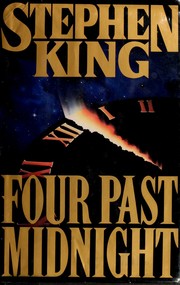
Four Past Midnight
Four novellas about a plane lost in time, a writer haunted, and horrors small and large.
2,584-word summary · 11 min read
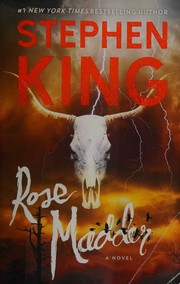
Rose Madder
After fourteen years of abuse, Rosie Daniels flees her cop husband and finds a painting that opens into a dangerous mythic world.
2,349-word summary · 10 min read

Skeleton Crew
King's 1985 collection pairs The Mist with The Jaunt, The Raft, and Survivor Type: 22 stories of Maine dread.
3,209-word summary · 14 min read
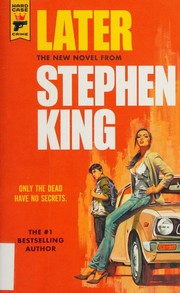
Later
Boy Jamie Conklin sees dead people who must answer truthfully, pulling him into NYPD cases and a drug crew's greed.
2,009-word summary · 9 min read
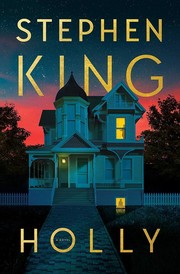
Holly
Grieving detective Holly Gibney takes a missing-girl case in 2021 and traces it to two polite retired professors with a basement secret.
2,607-word summary · 12 min read
End of Watch
A dying Bill Hodges and Holly Gibney face Brady Hartsfield again, as rigged game consoles push hurt teens toward suicide.
2,923-word summary · 13 min read
Finders Keepers
A boy finds a murdered writer's notebooks while the killer leaves prison hunting them and Hodges closes in.
2,157-word summary · 10 min read
Billy Summers
A hitman takes one last job in Red Bluff, poses as a writer, and runs when the setup turns on him.
2,882-word summary · 13 min read
Night Shift
King's first story collection moves from haunted mills to killer cornfields, twenty early tales where ordinary places turn evil.
2,488-word summary · 11 min read
The Institute
A kidnapped prodigy wakes in a Maine facility where gifted kids earn tokens in Front Half and vanish from Back Half.
3,814-word summary · 17 min read
The Outsider
Coach Terry Maitland's DNA and witnesses point to an impossible murder, until Ralph Anderson and Holly Gibney trace it to El Cuco.
2,586-word summary · 11 min read

Mr. Mercedes
Retired Hodges hunts Mercedes killer Brady Hartsfield concert plot.
2,281-word summary · 10 min read
11/22/63
A Maine teacher steps through a diner portal to 1958 to stop the Kennedy assassination, and learns the past resists change while a new life pulls him in.
2,799-word summary · 12 min read

What She Knew
Rachel lets her eight-year-old son run ahead in a Bristol park, and the nine-day search turns her into a suspect in the public eye.
2,952-word summary · 13 min read

The Beach House
A young valet is beaten to death at a Hamptons party, and his law-student brother spends a year building a case against the family that covered it up.
2,049-word summary · 9 min read

Six Years
A professor who promised to forget the woman he loved sees her husband's obituary and discovers that the wedding, the marriage, and the woman herself may never…
2,076-word summary · 9 min read

Rules of Prey
Minneapolis detective Lucas Davenport hunts a killer who leaves a new rule at every scene and treats murder as a game of wits.
1,914-word summary · 9 min read

4th of July
Lindsay Boxer shoots two armed teenagers in self-defense, faces a wrongful-death trial, and spends her leave chasing a string of throat-slashing murders in…
2,192-word summary · 10 min read
Persuader
Reacher goes undercover in a Maine crime family to find a missing DEA agent and the man he once failed to kill, and Lee Child keeps the whole thing tight,…
2,278-word summary · 10 min read

61 Hours
A bus crash strands Jack Reacher in a snowbound South Dakota town where a drug gang, a corrupt police force, and a single witness are on a collision course.
2,227-word summary · 10 min read
The Troop
A Boy Scout troop on a Canadian island takes in a stranger who cannot stop eating, and the worm inside him turns a camping trip into a war.
2,457-word summary · 11 min read

Still Missing
A realtor is abducted at a Vancouver Island open house and held for more than a year. Told through therapy sessions, the novel follows her escape and the hunt…
2,466-word summary · 11 min read

Bad Luck and Trouble
A deposit of $1,030 summons Jack Reacher back to his old army unit, which is being picked off one name at a time.
2,366-word summary · 11 min read

3rd Degree
The third Women's Murder Club novel follows a San Francisco terror cell and a three-day killing schedule, and it costs the club a member.
2,685-word summary · 12 min read

Worth Dying For
Reacher stops for one night in rural Nebraska and finds a family that runs the county, a missing girl and a shipment worth killing for.
2,021-word summary · 9 min read
The Ex
Cassie thinks her new boyfriend's ex is the woman harassing her, but Freida McFadden's thriller keeps rearranging who the ex actually is.
2,103-word summary · 9 min read