
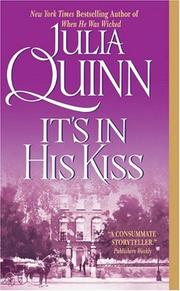
It's in His Kiss
2,908-word summary 13 min read 400 pages in the book
- First published
- 2005
- Publisher
- Avon Books
- Pages
- 400
- ISBN
- 9780060531249
- Series
- Bridgerton (#7)
Reading options
What's inside (9 sections)
I came to this one late on a rainy weekend because a friend kept insisting Hyacinth was her favorite Bridgerton. I had read enough of the series to know the pattern. Big family, London season, Lady Danbury saying exactly what no one else will say. My copy is the 2005 Avon Books paperback, 400 pages, book seven in the Bridgerton series. I expected something light. What I did not expect was how much time I would spend smiling at two people arguing over old handwriting.
Hyacinth Bridgerton is the youngest of the eight siblings. She is sharp tongued and quick, the kind of heroine who answers before most people finish the question. Gareth St. Clair is connected to Lady Danbury's circle and carries debts and family strain he does not talk about at parties. He has family papers in Italian that might point to missing jewels. Hyacinth reads Italian. Lady Danbury, who misses nothing, sees a reason for them to spend time together and acts on it.
That is the setup. A translation bargain turns into regular meetings. Regular meetings turn into trust. The jewel hunt gives them somewhere to go together while the real story, two guarded people learning to rely on each other, happens in the margins. Quinn keeps the tone bright, but the debts and the family history keep the stakes from floating away.
Hyacinth at last
If you have followed Bridgerton from the start, Hyacinth has been waiting in the background for books. As a child she was blunt. As a young woman out in society she is blunter, which London does not always reward. Men find her funny until she turns the wit on them. Mothers find her entertaining until she corrects their sons.
Quinn gives her a believable place in the family. Her older siblings are mostly married by now. The house is quieter. Her mother Violet still manages with warmth and persistence. Hyacinth loves her family deeply and still feels restless inside it. She wants something of her own to do that is not calls and balls.
What I liked here is that Hyacinth is allowed to be good at things. She is musical. She reads widely. Italian is not a party trick for her. It is something she worked at, and Quinn shows her puzzling through old phrasing with patience. That patience matters because in company Hyacinth can seem impatient. Alone with a difficult page, she slows down.
Her voice is the engine of the book. She teases. She pries. She says the thing polite girls are supposed to swallow. Quinn writes her banter fast, with short exchanges that feel like fencing without foils. Some readers will adore her from page one. Others may need fifty pages to warm up. I started in the first camp and drifted toward the second during one dinner scene where she would not let a point go, then back again when she apologized without making a speech about it.
The book does not pretend she is easy. It argues she is worth the effort. That distinction carries a lot of the romance.
Gareth and the weight he carries
Gareth St. Clair arrives with less shine and more guard. He is handsome in the way Quinn heroes tend to be, but the book spends more time on his temper and his pride than on his looks. He owes money. His father looms large in memory and not in a good way. His grandmother's generation left behind papers and talk of jewels that might ease his position if he can find them.
He is a guest in Lady Danbury's orbit rather than a Bridgerton insider. That outsider spot shapes how he moves. At balls he is polite and careful. With Hyacinth he is less careful, which gets him into trouble and keeps him coming back. He is used to handling problems alone. Asking a Bridgerton girl for help with Italian does not come naturally.
Quinn is good at showing male pride without excusing it. Gareth does not want pity. He does not want a lecture on his debts. He wants a translation and a clue, and he tells himself that is all he wants for longer than the reader will believe. His slow admission that he likes Hyacinth's company, not only her skill, is handled in small beats. A longer visit than planned. A question about her day that has nothing to do with the diary.
There is a scene early on where he tries to set terms, businesslike and crisp. Hyacinth rewrites the terms on the spot. I laughed because it felt true to both of them. He needs control. She refuses to hand it over. The bargain holds because each of them gets something real. He gets a reader for a text he cannot read. She gets a puzzle and a reason to leave the drawing room.
His family history stays vague in places, and I think that is deliberate. Quinn keeps the focus on the present pressure, creditors and pride and the fear of becoming his father, rather than on a full genealogy. If you want a detailed ledger of who owed what to whom, you will not get it. You get enough to understand why the jewels matter. They mean freedom from a past he did not choose.
Lady Danbury makes a plan
No Bridgerton book late in the series works without Lady Danbury, and here she is at her most useful. She is old, rich, blunt, and bored by polite lies. She likes Hyacinth because Hyacinth answers back. She tolerates Gareth because she senses decency under the defensiveness. She invites, suggests, and corners.
Her meddling is not subtle. She arranges seating. She extends invitations. She leaves two people alone with a stack of pages and finds a reason to be elsewhere. Quinn writes her with obvious affection. Her lines get the biggest laughs, but they also move the plot when conversation stalls.
What keeps Lady Danbury from becoming a device is that she has her own history with both families. She knew Gareth's people. She has watched the Bridgertons grow up. When she pushes, it reads as care rather than sport. She wants Hyacinth married well, yes, in the practical sense of the time. She also wants Gareth steadied by someone who will not flatter him.
One of my favorite stretches is a long afternoon call where nothing dramatic happens. Tea. Gossip. A pointed question about Italian verbs. Lady Danbury watches Hyacinth and Gareth bicker over a phrase and smiles into her cup. No one declares anything. The older woman simply files the moment away. Quinn trusts the reader to see what she sees.
If you are new to the series, Lady Danbury will still make sense. She introduces herself by behavior. Within twenty pages you know she is the person who will say the true thing loudly. Within fifty you know the younger characters both fear her and seek her out. That balance is hard to hold across seven books. Quinn holds it here.
The diary in Italian
The diary itself is the hinge. It is old, handwritten, in Italian, with the loops and abbreviations that make even good readers slow down. It belonged in Gareth's family papers and is thought to hold a clue to jewels that went missing a generation back. Quinn keeps the details of its origin loose. The point is not antiquarian precision. The point is that only careful reading will unlock it.
Hyacinth approaches it like a musician learning a hard piece. She transcribes. She puzzles over words that have shifted meaning. She argues with Gareth about whether a phrase means a place or a person. These scenes are the heart of the middle of the book. They are quiet, often set in a morning room with light changing, pages spread, heads bent close.
I found these passages more romantic than the ball scenes. Proximity does the work. Shoulders touch. Hands brush over a page. Gareth, who cannot follow the language, has to trust Hyacinth's judgment completely. For a man who trusts little, that matters. Hyacinth, who is used to being the cleverest person in the room, has to admit when she is unsure and check again. That humility makes her more lovable.
The translation sessions also let Quinn vary the pace. After a crowded musicale or a tense family dinner, we return to the diary. The hunt moves forward in inches. A name resolves. A date lines up. A reference to a house or a stone or a setting for jewels starts to look like more than decoration. Quinn does not turn this into a code breaking thriller. The mystery stays light. It gives the couple a reason to meet and a shared secret to protect.
There is a nice honesty in how slow the work is. Pages stick. Ink fades. One entry contradicts another. Hyacinth gets a headache and keeps going. Gareth fetches tea and pretends he is not watching her work. Anyone who has tried to read old handwriting will recognize the mix of tedium and pull. You want to stop. You want to know the next line.
I kept thinking they would be exhausting to know in real life and perfect to read about on a wet afternoon.
That thought stayed with me through this whole section. The diary could have been a gimmick. In practice it becomes a small room where two people learn how the other thinks.
Reading together, arguing together
As the translation deepens, so does the banter. Hyacinth corrects Gareth's assumptions about his own family. Gareth teases her about her certainty. They walk. They attend the same parties and pretend not to look for each other. They write notes that are technically about Italian and actually about everything else.
Quinn is skilled at the slow turn from utility to affection. Gareth starts to notice how Hyacinth treats servants and younger cousins. Hyacinth starts to see how Gareth handles his brother and Lady Danbury, with care he tries to hide. Respect arrives before desire is named. When attraction is named, it feels earned rather than assigned.
There are obstacles that feel true to the period. Reputation matters. A young woman cannot spend hours alone with a man without talk. The Bridgertons close ranks. Violet worries in a loving way. Brothers ask questions. Gareth, aware of his debts and his name, pulls back more than once. He does not want to drag Hyacinth into his mess.
Hyacinth, to her credit, refuses to be managed. She has spent books watching her siblings marry for love against practical sense. She knows the cost. She also knows her own mind. When Gareth retreats, she does not chase blindly. She gives him room and then tells him plainly what she will and will not accept. Those conversations are some of the best written in the book because they are direct without becoming speeches.
Physical intimacy builds in the Quinn manner, warm and consensual and lightly comic. A kiss interrupted. A touch remembered at an awkward moment. The famous title beat, the sense that feeling lives in a kiss, is handled without heavy symbolism. It is simply that Gareth kisses like a man who means it, and Hyacinth, who parses everything, finds herself briefly without words. For her, that is news.
The family scenes around all this are lively. Siblings drop in. Children run through. Someone always needs something. The Bridgerton house feels lived in rather than staged. That domestic noise gives the romance air. Love here is not escape from family. It is addition to it.
Debts, pride, and the slow turn to trust
By the last third, the money pressure sharpens. Creditors are not abstract. Gareth's pride has kept him from asking for help, and the jewels start to look less like a story and more like a deadline. Hyacinth understands the math faster than he wants her to. She does not scold. She practicals him, in her way, listing options and refusing panic.
This is where trust gets tested. Gareth has learned to keep accounts close. Telling Hyacinth the full extent of what he owes feels like handing her a reason to leave. He delays. She senses the gap and names it. Their fight about secrecy is more painful than their early sparring because now something is at stake. It is not about verbs. It is about whether he believes she will stay.
Quinn handles the class and money material with a light touch that sometimes understates the danger. Debts in this period could ruin a man. The book keeps the tone buoyant even when the numbers are bad. I did not mind, because the focus stays on character. Gareth has to learn that accepting help is not the same as being owned. Hyacinth has to learn that bluntness can wound when someone is already ashamed.
Lady Danbury intervenes again, less gently this time. She reminds Gareth that pride is a poor plan. She reminds Hyacinth that love does not fix accounts by itself. Those scenes work because they come from someone who has seen many seasons and many follies. Advice from a peer would sound preachy. From her, it sounds earned.
There is also pressure from Gareth's family past. Without giving too much away, an older male relative casts a long shadow. Gareth fears repetition. Hyacinth sees the difference between him and that man more clearly than he does. Her belief is not naive. She has watched him be honest when lying would be easier. She trusts evidence over fear. That patience, new for her, is one of the most appealing changes in the book.
The jewels and a happy ending
The final movement ties the diary clue to action. Hyacinth's reading points them toward a place where jewels might have been hidden or reset. I will keep the mechanics vague to avoid spoiling the hunt, but the search involves practical steps, old settings, and a satisfying click when a guess proves right. Quinn keeps the reveal modest. This was never a thriller. The treasure matters because it frees Gareth, not because the stones themselves glow on the page.
What matters more is who shows up. Family members help. Lady Danbury takes credit she partly deserves. Gareth has to decide what kind of man he will be with money in hand. Hyacinth has to decide what kind of wife she will be when the puzzle is solved and ordinary days return. Both choose well, in ways that fit what we have learned.
The wedding and closing chapters follow series custom. Warmth. Humor. A glimpse of future domestic life. Quinn gives Hyacinth a last sharp line and Gareth a last soft answer, which feels right. The happy ending is firm. No ambiguity, no open door. Readers who come to romance for assurance will get it.
Now for fair criticism, because this book earns affection but not a free pass. The mystery is thin. If you read for puzzles, the diary trail will feel light and the solution will arrive with less resistance than you might want. Clues line up a little too neatly once Hyacinth focuses. Gareth's debts create urgency, but the book rarely lets that urgency darken the mood for long.
Hyacinth herself will divide readers. Her wit is constant. At times it tips from lively to abrasive, especially in company scenes where she keeps scoring points after the point is made. Quinn knows this and gives her moments of self awareness, but readers who prefer quieter heroines may struggle for the first hundred pages. I liked her, yet I flagged two scenes where I wanted someone to change the subject for everyone's sake.
There is also late series formula to reckon with. Seven books in, Quinn's beats are familiar. Meddling elder, compromised reputation, forced proximity, honest talk, rescue, wedding. The execution here is strong, but the shape will not surprise anyone who has read the earlier Bridgertons. If you binge them back to back, you may feel the pattern. Spacing them helps.
None of that spoiled the book for me. The translation scenes carry the middle. The family texture carries the edges. The central pair fit in the way best Quinn couples fit, by friction that smooths into reliance. Gareth learns to accept help without shame. Hyacinth learns that being right is not the same as being kind, and that kindness can be sharp too when it needs to be.
I closed the 400 pages feeling fond rather than dazzled, which suits this entry. Not every Bridgerton needs to reinvent the series. This one needed to give the youngest sibling a partner who could keep up and slow her down in the right moments. It does that. On my shelf it sits beside the earlier books as proof that a light mystery and a strong voice can hold a long novel when both are handled with care.
If you have never read Quinn, you could start here and follow the story without trouble. You would miss the pleasure of seeing Hyacinth grow up across books, and you would meet Lady Danbury mid form rather than at first meeting. Better to start earlier if you can. If you are already deep in the family, this is a welcome visit, funny and warm, with Italian homework and hidden stones as excuse for two people to sit close and learn each other page by page.
FAQ
Who are the two leads in It's in His Kiss?
Hyacinth Bridgerton, the youngest Bridgerton sibling, and Gareth St. Clair, a guest of Lady Danbury. She can read Italian and he needs the diary translated to trace missing family jewels.
Is this part of the Bridgerton series?
Yes, it is book seven in the Bridgerton series. It reads on its own, but Hyacinth lands better if you have met the family and Lady Danbury before.
Does the romance end happily?
Yes. The book ends with a firm happy ending for the couple, in the usual Quinn style, after the diary clue and family debts are resolved.
Similar books
More from Bridgerton first, then related titles.
The Duke and I
Daphne Bridgerton and Simon Basset fake a courtship that turns real, then face truth about children.
2,107-word summary · 9 min read
The Viscount Who Loved Me
Anthony Bridgerton vows to marry without love until Kate Sheffield challenges him at every turn.
2,666-word summary · 12 min read
An Offer From a Gentleman
Benedict falls for a masked Sophie at a ball, then finds her working as a housemaid after her stepmother evicts her.
2,320-word summary · 10 min read
Romancing Mister Bridgerton
Colin Bridgerton returns and discovers Penelope Featherington is Lady Whistledown.
2,388-word summary · 11 min read
To Sir Phillip, With Love
Outspoken Eloise writes a grieving botanist, visits unchaperoned, and stays for twins.
2,013-word summary · 9 min read
When He Was Wicked
Widowed Francesca Bridgerton falls for her late husband cousin Michael, who loved her silently for years.
2,055-word summary · 9 min read
On the Way to the Wedding
Gregory chases the wrong friend while Lucy fights a forced engagement.
1,938-word summary · 9 min read
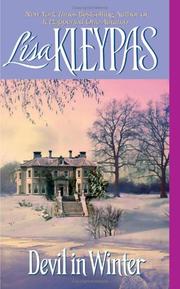
Devil in Winter
A shy heiress with a stammer proposes a marriage of convenience to London's most notorious rake, then makes him prove he can be faithful.
2,548-word summary · 11 min read

Act Your Age, Eve Brown
Eve Brown crashes into a Lake District bed and breakfast, breaks the owner's arm, and talks her way into his kitchen. A grumpy-sunshine romance about work,…
2,474-word summary · 11 min read

2 States: The Story of My Marriage
A Punjabi boy from Delhi and a Tamil Brahmin girl from Chennai meet at IIM Ahmedabad, and turn a love marriage into a campaign to convince two families.
2,634-word summary · 12 min read

What the Wind Knows
Annie scatters her grandfather's ashes on Lough Gill and is pulled into 1921 Ireland, where she becomes the missing Anne Gallagher and falls for Dr. Thomas…
2,056-word summary · 9 min read
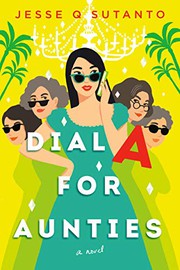
Dial A for Aunties
A wedding photographer accidentally kills her blind date, and her mother and three aunties help her hide the body during the biggest wedding of their careers.
2,076-word summary · 9 min read
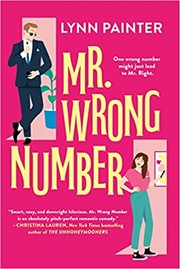
Mr. Wrong Number
After a fire and a wrong-number text, Olivia falls for a stranger who is closer than she thinks in this funny Omaha rom com.
2,248-word summary · 10 min read
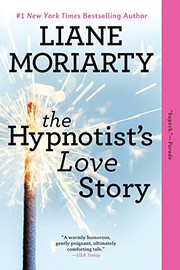
The Hypnotist's Love Story
A hypnotherapist falls for a widower whose ex keeps watching from the shadows.
2,490-word summary · 11 min read
Get a Life, Chloe Brown
A chronically ill woman recruits her gruff handyman neighbor to help her finish a bold Get a Life list.
2,147-word summary · 10 min read
The Kiss Quotient
Stella Lane hires escort Michael Phan to practice dating and learns logic fails where touch and family press in.
2,716-word summary · 12 min read

What Happened to Goodbye
Mclean has reinvented herself in four towns since her parents divorced. In Lakeview she uses her real name, and for the first time staying put becomes a choice.
2,796-word summary · 12 min read

The Japanese Lover
A Polish refugee and the son of a Japanese gardener fall in love in San Francisco in 1939, then keep the affair secret for nearly seventy years.
2,286-word summary · 10 min read

Size 12 Is Not Fat
Former teen pop star Heather Wells investigates two dorm elevator deaths while juggling her ex, her crush, and a size-12 wardrobe.
2,805-word summary · 12 min read
First Grave on the Right
Charley Davidson is a private investigator in Albuquerque and the grim reaper. When three murdered lawyers come back as ghosts, her two jobs collide.
2,770-word summary · 12 min read
Austenland
A New York graphic designer obsessed with Mr. Darcy inherits a trip to a Jane Austen theme park, where the fantasy of Regency romance collides with the men…
2,030-word summary · 9 min read

The Shadow Sister
Star D'Apliese steps out of her sister's shadow and follows a bookshop clue into the Edwardian life of Flora MacNichol, a woman who gave up love for duty.
2,260-word summary · 10 min read

Hard Luck
Rowley has a girlfriend, so Greg turns to a Magic 8 Ball, a family Easter hunt and the school yearbook for answers.
2,586-word summary · 11 min read

Ricochet
Lily Calloway tries to stay celibate for ninety days while Loren is in rehab, leaning on Rose, Connor, and Ryke as therapy forces her to face her childhood.
2,575-word summary · 11 min read

Under Locke
Iris Taylor moves to Austin broke and wary, takes a front-desk job at a tattoo shop, and spends the book learning that Dex Locke’s blunt cruelty and unexpected…
2,591-word summary · 12 min read
The Ex Talk
Two rival public radio producers pretend to be exes for a dating show, then fall for each other while the lie grows.
2,389-word summary · 11 min read

Sam's Letters to Jennifer
A grieving journalist reads her grandmother's letters and finds a decades-long love affair that changes how she sees her family.
2,310-word summary · 10 min read

Mr. Maybe
Libby Mason wants a rich husband, but the wealthy man who proposes is dull and the broke writer she cannot forget is not offering forever.
2,322-word summary · 10 min read
Bet Me
A sharp actuary agrees to dinner with a charming serial bettor, then spends the next month pretending the wager does not matter.
2,710-word summary · 12 min read
The Rumor
Two Nantucket best friends, Madeline and Grace, watch a summer of small indiscretions get retold into gossip that reshapes both their households.
2,017-word summary · 9 min read