
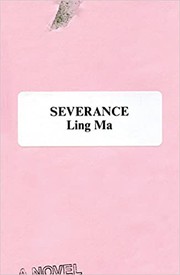
Severance
2,340-word summary 10 min read 291 pages in the book
- First published
- 2018
- Publisher
- Farrar, Straus and Giroux
- Pages
- 291
- ISBN
- 9780374261597
Reading options
What's inside (7 sections)
I came to Severance after hearing it described as a zombie novel for people who hate zombie novels. That pitch stuck because I do get bored by outbreak stories that sprint from bite to bunker. This one was first published in 2018 by Farrar, Straus and Giroux, and the standard hardcover runs 291 pages. I read it across three evenings, mostly on the train and then late at home, and the office chapters hit harder than the road chapters for me. Candace Chen is not a soldier or a doctor. She is a twenty something production coordinator in Manhattan publishing, and Ma keeps her that way even when the city empties.
What follows covers the full book, ending included. If you want to meet Candace cold, stop here and come back after.
Bible printing and Bleecker Street
Candace Chen lives in New York with a job most novels would skip. She works at Spectra, a mid level publisher, coordinating production of Bibles printed in Shenzhen. Her days are emails about paper stock, freight delays, foil stamping, and approvals that arrive overnight because of the time difference. She rents with boyfriend Jonathan, a freelance tech worker who cooks and teases her about staying too long at work. Her parents are both gone. Her mother died earlier, her father soon after, and those memories arrive in short flashbacks: immigration from Fuzhou, Queens apartments, thrifted coats, a father who kept ledgers and drove a cab.
Shen Fever starts as background noise. News clips mention a fungal infection traced to Shenzhen. Early victims repeat small tasks. A woman sets the table over and over. A driver circles the same block. A factory worker folds the same sleeve. Candace notices because her vendors are in that region. Shipments slow. One contact stops answering email. At Spectra, managers call it a supply problem first and a health problem second.
Jonathan wants to leave the city. He talks about driving to Chicago to stay with family. Candace stalls. She has a lease, a job, a routine of bodega coffee and subway timing. Part of her does not believe the fever will reach Manhattan in force. Part of her likes being needed at work when others panic. I recognized that feeling from early pandemic months, that weird loyalty to a job that would replace you in a week. Ma writes those weeks well. Meetings continue. Someone brings hand sanitizer. Someone else jokes about working from home and then stops joking.
Jonathan leaves without her. That split is quiet, not dramatic. No slammed doors. He packs, they argue about timing and money, he goes. Candace stays with her camera and her office keycard. She starts a photo project she calls NY Ghost, shooting empty storefronts and fevered people frozen mid gesture. One short paragraph about her photographing a hair salon stayed with me. The dryer chairs are full. The stylists are mid motion. Nobody will ever sweep that floor.
When fever empties Manhattan
The fever, as Ma presents it, is not rage or hunger. It is memory turned lethal. The fungus colonizes routine. Victims lose awareness and loop whatever they were doing when caught: dressing mannequins, sorting mail, praying, reading the same page. They do not chase you. They decay while repeating. They smell. They stain. They eventually stop moving altogether.
Candace learns the rules by watching. Do not touch. Do not breathe too close in closed rooms. Keep moving. She keeps going to Spectra long after she should stop because the building has bottled water, a bathroom, and a sense of order. Her boss leaves. Her coworkers vanish one by one. She answers phones that stop ringing. She approves proofs no printer will run. She wears office sweaters in cold rooms and eats snack drawer food.
This middle stretch is my favorite part of the book. Ma is precise about office objects. The hum of a copier. A spreadsheet with conditional formatting. A mug with a chip. A security guard who stops showing up. Candace counts cans of tuna and prints shipping labels for books that will never ship. She talks to herself while checking locks. She leaves the office only to photograph or to scavenge.
She also remembers her past in Fuzhou and Utah and New York. Her mother kept house with tight control. Her father believed in steady work and savings. Candace inherited both caution and restlessness. She chose publishing because books felt stable and cultural at once. Jonathan liked her steadiness but wanted more spontaneity. Those flashbacks can feel slow if you want plot, and I did get impatient around page 120. But they pay off later when Candace has to decide whether to follow anyone again.
The city empties in layers. First tourists disappear. Then restaurants close. Then the subway thins. Then power flickers. Candace walks through SoHo and sees fevered shopgirls refolding sweaters. She sees a taxi driver circling. She sees a family at a table in a dark restaurant, hands posed. She does not cry much. She documents. That flatness is intentional, and it will either pull you in or push you away. I found it chilling for about eighty pages, then I wanted her to either break down or act. Ma holds her back, which felt honest even when it frustrated me.
Leaving with Bob
Candace does not survive alone forever. A small convoy finds her. It is led by Bob, a former IT manager turned confident leader, with a changing cast of survivors in SUVs. They have guns, walkie talkies, fuel plans, and a destination they call the Facility, a shopping mall outside Chicago they intend to secure and restart. Bob recruits Candace because she can drive, shoot a little after training, and keep records. He likes her calm.
The group includes Janelle, who handles logistics with sharp humor. There is Adam, quiet and handy. There are teenagers and older drifters who join and leave. Bob assigns roles, rations, prayer circles, movie nights. He talks about faith and order and starting over. At first his structure feels like relief after Manhattan silence. Hot food. Watch shifts. Jokes around a fire. Candace sleeps better with other breathing people nearby.
Bob is charming in the way tired people trust too fast. He remembers birthdays. He prays before meals. He promises safety if everyone follows protocol. He also controls information, sex, and exit. Candace sees this early. She watches him pick favorites and punish doubt. One member questions the route and is left behind. Another asks about medicine and gets a speech about belief. Ma does not make Bob a cartoon villain. He believes his own plan. That makes him harder to dismiss.
Candace adapts in ways that made me uncomfortable. She learns to clean rifles. She learns to lie about her feelings to stay safe. She trades closeness for protection. She sleeps with Bob partly from loneliness and partly from calculation, and Ma writes those scenes without romance. It is transaction and fatigue. I thought those pages were brave. Many apocalypse books keep the heroine morally clean. Candace is not clean. She wants to live, and she knows likability can be currency.
The drive west is episodic. Empty highways. Overturned trucks. Fevered rest stop attendants wiping the same counter. A school gym full of cots. A farmhouse with canned peaches. The group argues about detours and fuel. Bob preaches about chosen people and clean starts. Janelle pushes back with practical questions about winter and antibiotics. Candace photographs less and watches more. She misses Jonathan, not with grand grief but with sudden pangs when she sees couples sharing food.
My criticism here is pacing. The convoy section repeats a pattern: stop, scavenge, Bob speech, tension, drive. After the third cycle I skimmed a little. The point about groupthink lands early, and Ma keeps pressing it. I would have cut twenty pages of mall planning and added one more real threat from outside the group. The fevered are passive by design, so human conflict has to carry the danger, and for a stretch it idles.
The Facility and its rules
The Facility is a dead mall Bob claims for the group. Glass roof. Food court. Anchor stores turned dorms. They board windows, set traps, plant seeds on the roof, run generators on schedule. Bob assigns storefronts as apartments. He sets school hours for the kids. He sets prayer hours for everyone. He sets trade rules and punishment rules. On paper it looks like recovery. In practice it feels like a workplace with guns.
Candace gets put in charge of inventory and records, which suits her Spectra training. She counts bullets like she once counted print runs. She logs fuel and medicine. She learns who is hoarding and who is scared. She sees Bob rewrite events to fit his story. A bad scouting trip becomes a lesson in faith. A death becomes proof they need stricter rules. People nod because the alternative is the road in winter.
Janelle becomes Candace's closest ally. They smoke, joke, compare notes on Bob. Janelle sees through the sermons faster than Candace. Adam stays neutral, fixing generators and avoiding meetings. The teenagers test boundaries. One sneaks out. One steals food. Bob responds with public shaming and extra duty. The mood shifts from hopeful to brittle.
Candace discovers she is pregnant. She is unsure about timing and paternity, though Jonathan is the likely father from before the split. She hides it for weeks. She thinks about her mother, about raising a child in Fuzhou stories versus Queens reality versus this mall with armed guards. She thinks about leaving. She thinks about staying for prenatal vitamins and walls. Ma handles this without melodrama. No big reveal scene. Just nausea, counting days, looser pants tightened with rubber bands.
The pregnancy forces the book's central question into focus. Is safety worth obedience? Bob offers shelter, food, and a role. He also demands belief and access to her body and future. Candace has already traded autonomy once at Spectra for a paycheck and once on the road for protection. Now the cost is higher. I liked that Ma connects office life and cult life without winking. Both run on routine, jargon, performance reviews, and fear of being cast out. The satire is quiet but sharp. Bob's morning meetings echo Spectra's status meetings. His faith language echoes brand language. Neither cares much for Candace as a person.
If you want horror, the Facility chapters may disappoint. There are guns but few shootouts. The dread is domestic. Locked doors. Curfews. A man who decides who eats with whom. I found the last fifty pages tense in a slow way, like watching someone decide whether to quit a bad job when rent is due.
What the ending refuses to give
Without spoiling the exact final image, Candace makes a break. She uses what she learned on watch and in inventory to slip controls. She does not stage a grand revolt. She acts alone, with help she does not fully trust, and the result is messy and uncertain. Ma denies the reader a clean rescue or a clear rebirth. The last scenes return to routine gestures, which mirrors the fever without copying it.
I admired that refusal and also felt cheated for half an hour. I wanted to know where Candace would go, who would help with the baby, whether Bob's group would last the winter. Ma gives fragments instead. A road. A car. A decision to keep moving rather than settle on someone else's terms. On reread in my head, that feels right for Candace. She spent the whole book choosing the familiar over the unknown. At the end she chooses the unknown while carrying the most familiar thing of all, a pregnancy tied to her past.
The book's larger point about nostalgia landed harder after I finished. Shen Fever punishes clinging to routine. Victims die doing what comforted them. Survivors risk the same in softer forms: staying at desks, following Bob, photographing instead of acting, praying on schedule. Candace is not immune. She loops too, through boyfriends and jobs and leaders. Her small rebellion is not cure or heroism. It is a pause in the loop.
Fair criticisms belong here. The prose can feel flat by design until it feels flat by habit. Dialogue is spare and sometimes stiff. Jonathan is thinly drawn for how much he motivates her. The fever science is vague, which is fine for satire but thin if you want hard science fiction. The flashbacks interrupt momentum, especially in the first half. And if you need catharsis, this book will annoy you. Nothing explodes enough. Nobody learns loudly.
Still, I kept thinking about specific images days later. The fevered girl at the department store folding table. The empty office with blinking voicemail lights. The mall chapel with plastic chairs. Candace counting inventory in a notebook while men argue about God. Those details do more work than any speech about capitalism. Ma trusts the reader to connect office drudgery to end times conformity without underlining every link.
Who should read it? Readers who liked quiet dystopias about work and habit will find plenty. Readers who want fast zombies or clear answers should skip. I would hand it to someone who felt strangely calm during lockdown and then felt guilty about that calm. Candace gave me language for that state. She keeps typing when no one will read. She keeps straightening shelves no customer will touch. Then, finally, she stops straightening and walks out, still scared, still practical, but moving on her own count.
That walk is why I rate the book highly despite the sag in the middle. Severance understands how hard it is to leave a routine that is killing you slowly, whether it is a job, a city, a boyfriend, or a belief system with free meals. Candace does not become a new person. She becomes a person willing to be uncomfortable. In a genre full of heroes who learn to shoot, that felt rarer and more useful.
FAQ
When was Severance published?
It was first published in 2018 by Farrar, Straus and Giroux. The standard hardcover runs 291 pages.
What is Shen Fever in Severance?
Shen Fever is a fungal infection that traps victims in repeated routines from memory, such as folding clothes or setting tables, until they decay.
Is Severance a fast zombie thriller?
Readers who like quiet dystopias about work and habit will find plenty here. Readers who want fast action or clear answers should skip it.
Similar books

The Age of Miracles
A California girl grows up while the Earth's rotation slows, and ordinary adolescence continues alongside slow catastrophe.
2,417-word summary · 11 min read

The Bone Clocks
A teenage runaway, a Cambridge con artist, a war reporter and a dying novelist circle a hidden war between immortals across sixty years, with Holly Sykes at…
2,125-word summary · 9 min read
I Who Have Never Known Men
Forty women in a cage, one child who remembers nothing, and a nearly empty world above the bunker. Harpman's quiet, unexplained dystopia.
2,025-word summary · 9 min read

The Memory Police
On an unnamed island, ordinary things keep vanishing from memory, and a novelist hides her editor from the police who make sure the vanished stay forgotten.
2,440-word summary · 11 min read
Y: The Last Man, Vol. 1: Unmanned
Yorick Brown and his monkey Ampersand survive a plague that kills every Y-chromosome mammal and cross a collapsed America.
2,525-word summary · 11 min read
The Running Man
Out of work in a broken 2025, Ben Richards enters a televised manhunt where each hour alive pays cash.
2,922-word summary · 13 min read

The Circle
Hired by the world most powerful internet firm, Mae trades privacy for praise until dissent turns fatal.
2,092-word summary · 9 min read
Breakfast of Champions
A Pontiac dealer breaks down while a broke sci-fi writer brings the book that tells him others are robots.
2,013-word summary · 9 min read
Snow Crash
A hacker and a teenage courier cross a fractured America and its virtual Metaverse to stop a virus that infects minds and machines.
3,293-word summary · 15 min read

Oryx and Crake
Snowman lives alone after the plague with Crake's green-eyed Children, remembering Jimmy, Crake and Oryx.
3,026-word summary · 13 min read
Station Eleven
After a flu empties the world, a traveling troupe plays Shakespeare for small towns linked by one dead actor.
2,480-word summary · 11 min read
Brave New World
Huxley's Brave New World retold: hatcheries, soma, Bernard and Lenina, John the Savage, and the lighthouse.
2,513-word summary · 11 min read
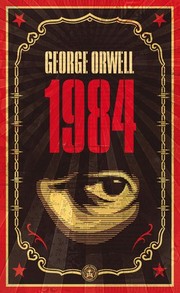
1984
A long retelling of George Orwell's 1984: Winston Smith's quiet rebellion in Oceania, the Party's grip on truth and memory, and why the ending still lands as…
2,110-word summary · 9 min read
The Crying of Lot 49
A California woman named executor of her ex-lover's estate follows a muted post horn into a possible centuries-old postal conspiracy, and Pynchon refuses to…
2,003-word summary · 9 min read

Iron Widow
Wu Zetian enlists to avenge her sister, kills her pilot, and becomes an Iron Widow in a mecha Huaxia where the machines are built to kill women.
2,444-word summary · 11 min read
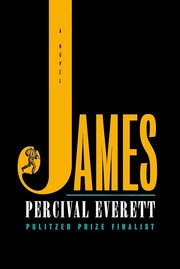
James
Percival Everett retells Huckleberry Finn from Jim's side, giving him a library, a hidden school, and a voice the novel lets loose.
2,211-word summary · 10 min read

The House of the Scorpion
A clone raised in a drug lord's poppy fields learns what he was made for and chooses what to do with the life he was given.
2,527-word summary · 11 min read
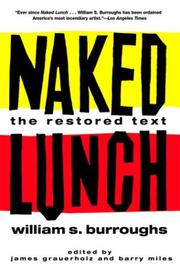
Naked Lunch
Burroughs's banned 1959 collage novel follows Bill Lee through addiction, Tangier, and the nightmare bureaucracy of the Interzone.
2,082-word summary · 9 min read
Infinite Jest
A film that kills its viewers, a tennis academy, a halfway house for addicts, and a future America where corporations name the years, all tangled together.
2,084-word summary · 9 min read
Her Body and Other Parties: Stories
Eight stories where bodies, medicine and old fairy tales get taken apart, with a green ribbon running through the whole book.
2,997-word summary · 13 min read
Divergent: Official Illustrated Movie Companion
An oversize behind-the-scenes guide to the 2014 Divergent film, with casting stories, costume and set design, and scores of photos.
2,524-word summary · 11 min read
The Sisters Brothers
Two hired killers ride from Oregon to Gold Rush California to murder a prospector, and find their trade, their brotherhood, and the frontier myth coming apart.
2,095-word summary · 9 min read

Reveal Me
A Shatter Me novella told by Kenji, set between Defy Me and Imagine Me, as the rebels learn Anderson has taken hostages and Juliette faces Emmaline.
2,098-word summary · 9 min read

Wither
In a future where women die at twenty, sixteen-year-old Rhine is sold as a bride to a wealthy stranger and plots an escape from a beautiful prison.
2,395-word summary · 11 min read
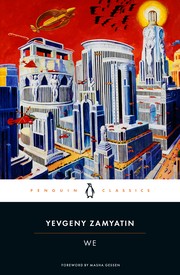
We
In a city of glass ruled by the Benefactor, a state engineer building a spaceship falls for a woman who wants to tear the One State down.
2,247-word summary · 10 min read
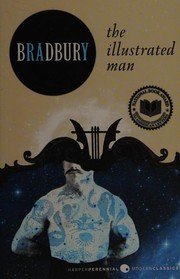
The Illustrated Man
A tattooed drifter's moving pictures retell eighteen Bradbury stories of children, rockets, Mars and the last night of the world.
2,791-word summary · 12 min read

Never Fade
Ruby, now a leader in the Children's League, must track down the boy whose memories she erased, because he holds the only proof of what caused the disease that…
2,188-word summary · 10 min read
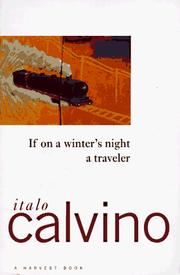
If on a Winter's Night a Traveler
You, the Reader, chase a defective novel through bookshops and translators while ten other novels keep interrupting. Calvino's famous puzzle about the act of…
2,173-word summary · 10 min read
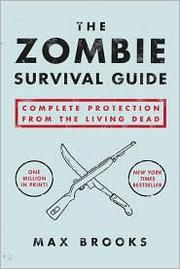
The Zombie Survival Guide: Complete Protection from the Living Dead
Max Brooks's deadpan survival manual explains the Solanum virus, the only ways to destroy the living dead, fortifying a home, and the outbreaks history quietly…
2,650-word summary · 12 min read
The Twelve
The middle volume of the Passage trilogy braids the year America died, a picnic massacre decades earlier, and the survivors' war against the twelve master…
2,089-word summary · 9 min read