
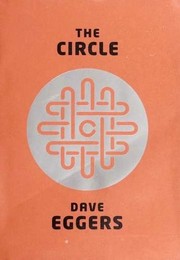
The Circle
2,092-word summary 9 min read 491 pages in the book
- First published
- 2013
- Publisher
- Knopf
- Pages
- 491
- ISBN
- 9780385351393
- Series
- The Circle (#1)
Reading options
What's inside (12 sections)
I read The Circle in two sittings with my phone face down, which is exactly the posture the book wants. Dave Eggers published it with Knopf in 2013, a 491 page novel with ISBN 9780385351393. Mae Holland joins the world most powerful internet company through a friend, rises fast on customer delight scores, and learns that transparency preached as virtue can become surveillance enforced as love. The Circle links mail, social, banking, and buying into one identity. Cameras shrink. Secrets become lies. Privacy becomes theft. Eggers writes it as thriller, satire, and tragedy at once, with a heroine who chooses the company over everyone who warns her. The ending still sits wrong in the best way.
Mae opens the book grateful. Stuck in a utility job in her hometown, caring for a father with MS, she gets a customer experience role at the Circle through Annie, her college friend who is rising fast. The campus dazzles. Glass buildings. Dorms. Parties with famous bands. Free food. Work that feels like play. Mae stats climb because she is warm on chats and quick with smiles. She posts more. She attends more. Her PartiRank rises. Annie mentors her with genuine pride that curdles as Mae passes her. Mae parents join the company health plan and then its cameras. Her ex Mercer sells chandeliers and distrusts the whole project. He tells Mae she is being watched into someone else. She hears concern as jealousy. That mishearing is the tragedy engine. Everyone who loves Mae tells truth. She reports them as friction.
The Three Wise Men
Bailey, Ty, and Stenton run the Circle with different smiles. Bailey is the visionary who believes sharing cures evil. Secrets are lies, he preaches. Privacy is theft. His keynotes unveil SeeChange cameras the size of lollipops, ChildTrack chips, and a plan to make all voting public through Circle accounts. Audiences cheer. Stenton is the operator who counts money and enemies without illusions. Ty, real name Kalden, is the founder who built the system and now sneaks around his own campus warning Mae it must be stopped. Mae meets Ty kayaking at night and mistakes him for a crush rather than a whistleblower. That romance haze costs the book its best chance to turn. Ty gives her documents. She gives him access. He asks her to help him kill the company from inside. She considers it the way she considers diets. Briefly, while posting through it.
Annie arc is the human cost in miniature. Brilliant, connected, Mae sponsor, Annie volunteers for a PastPerfect project that surfaces her family history and breaks her. Old photos. Aborted scandals. A childhood moment she never told. The system that promised completeness delivers exposure without context. Annie cracks on camera in a way Mae watches with company approved empathy. Thoughts and prayers posted publicly. Mae visits with fruit and takes notes on optics. Their friendship, once real over bad wine and job gripes, becomes content. Annie burnout is not a subplot. It is the thesis in one body. Share everything and the self that shared dissolves. Mae learns nothing from it except to post more carefully.
Mercer and the grid
Mercer Medeiros, Mae ex with a chandelier business, speaks for the outside better than any manifesto. He keeps a cabin, hunts his food, and refuses Circle accounts until the company makes them mandatory for buying and selling. Eggers gives him long letters that read as essays, which some find preachy and I found necessary. Someone must state the stakes plainly. A connected world run by one firm is not community. It is monopoly with dorms. Mercer goes off grid. Mae, fully transparent by then with millions watching, hunts him with drones as entertainment. What follows is the book most debated scene. A chase watched by millions, ending in a crash that Mae narrates as accident while viewers send hearts. Eggers refuses to let Mae feel guilt in the moment. She processes murder as metrics dip. That numbness is the horror. Not drones. Applause.
Mae parents complete the trap. Her father MS makes Circle health coverage irresistible. Cameras go up in their home to prove transparency heals. Viewers watch him shake. Strangers comment on his care. Mae mother performs cheer while breaking. When Mae posts their private moments for likes, they ask her to stop and she hears shame instead of boundary. The company frames every refusal as hiding. Why would good people need privacy. That slogan, repeated until it sounds like kindness, does the book heaviest work. Readers recognize it from real platforms that ask for birthdays to celebrate you and locations to serve you. Eggers just removes the opt out and follows the logic to its end.
Transparency as faith
The Circle religion needs a straight telling because satire depends on it. Sharing is caring. Secrets are lies. Privacy is theft. Employees chant at rallies. Mae repeats the phrases in performance reviews without irony. The company gamifies virtue. PartiRank scores social participation. No one is ordered to attend events. Low scores simply limit promotions, housing, and friendship. That soft coercion is why the novel outlasted its reviews. Eggers saw that control would come as perks rather than police. Free concerts. Health coverage. Total memory. Who refuses. Mae does not, and her rise proves the system selects for exhibition. Shy engineers stay low level. Bright posters ascend. By the final rally Mae preaches mandatory transparency for all while Ty watches from shadows he built. The student becomes the keynote.
The ending divides readers sharply and should. Mae betrays Ty on camera, exposing the founder as a lurker who uses false names. The crowd turns on privacy itself. Mae visits Annie in a medical coma caused by exposure and plans more sharing to heal her. She imagines completing the Circle by wiring every mind. No comeuppance arrives. No hack saves the day. Eggers denies catharsis because real monopolies rarely fall to heroes. They grow until they feel like weather. That bleakness frustrated thriller readers who wanted sabotage. It chilled me more than any twist would have. The villain wins by applause. The heroine applauds loudest. Put the book down and check your own PartiRank of followers. The weather is here.
What works and what strains
What works is extrapolation with receipts. Eggers toured tech campuses and it shows in cafeterias, wristbands, and all hands language. The Circle feels like three real companies merged without caricature. Mae voice is plain and eager in ways that make her choices scarier than a villain would be. She is us on a good day at a job we love. Satire lands through her sincerity. Privacy talk quoted from executives sounds plausible because it is lightly edited from real keynotes. The 491 pages move fast because every chapter adds a product that removes a freedom. Cameras. Medical. Voting. Each launch cheered. Each cage locked with snacks inside.
The strain is subtlety and straw. Wise Men debate in position papers rather than dialogue. Mercer letters lecture. Ty explanations repeat. Annie collapse, powerful as it is, gets less room than product launches. Some readers find Mae too passive to carry tragedy. She chooses the company at every turn, which is the point, but active choosing would sting more than drift. Eggers revised some of this in The Every sequel, which gives Mae power with more self awareness. Read together, the duology deepens. Alone, The Circle risks being read as anti tech screed rather than tragedy of a good employee who wanted to belong and paid with everyone she loved.
Who it is for
Read it if you work in tech, or post daily without thinking, or want dystopia without zombies. It pairs well with 1984 for surveillance and Brave New World for pleasure control. The Circle is both Big Brother and soma in one campus. Content notes include death by drone chase, medical trauma with MS described, mental breakdown on camera, and workplace harassment framed as transparency. Suitable for teens and up, most useful for adults who manage social accounts as work.
I finished by checking my own sharing. Location on for maps. Photos backed to clouds. Health data on watches. Each choice made sense alone. Together they draw a circle not unlike Mae. Eggers does not ask you to smash your phone. He asks you to notice who profits when you post the beach. That noticing is the book gift. Keep the phone. Lose the autopilot. Tell one friend something true off the record this week. Feel how strange privacy feels now. That strangeness is the measure of how far the campus spread. Walk off it occasionally. The weather is nicer outside, even without free lunch.
Series note
The Circle opens a duology completed by The Every, which follows new hero Delaney hunting the merged monopoly from inside. Read in order. The Every spoils Mae fate and assumes Circle products as background. Together they form Eggers most sustained warning. Apart, The Circle stands as a complete tragedy with an unhappy ending that refuses to blink.
Annie rise and crack
Annie Allerton deserves a fuller arc telling because her fall mirrors Mae rise exactly. College star. Recruiter. Mentor who brought Mae in with pride. Annie thrives on being known until PastPerfect makes her known too well. Childhood cruelty surfaced. Family secrets aired. A medical event posted. Her breakdown in the office, screaming while coworkers film with company approved concern, is the book most humane horror. No villain caused it. The system she served did what it promised. Total memory. Total exposure. Mae visits with smoothies and takes notes on how not to crack the same way, learning optics instead of mercy. That failure to learn is Mae tragedy in miniature. She sees the price on her best friend and keeps shopping. Readers who want Mae redeemed will be disappointed. Eggers keeps her shopping to the last page. The store never closes. Neither does she.
Ty the founder
Ty Gospodinov, hidden as Kalden, needs a closer look as the book conscience that fails. Brilliant coder who built TruYou to connect, horrified when Bailey and Stenton weaponize it for control, Ty sneaks around his own campus leaving clues for Mae. Kayak meetings. Notes in menus. A plea to help him kill the Circle with a backdoor. Mae almost helps, then reports him for lurker behavior when transparency demands it. Ty arrest on camera, calm and sad, ends resistance from inside. His failure teaches the book bleakest lesson. Founders cannot unmake systems that outgrow them. Code ships. Money follows. Good intentions become features for control. The only exit Ty sees is total shutdown, which Mae will never choose because shutdown ends her audience. Builders should read Ty as warning. Ship with off switches. Write charters that survive you. Or watch your kayak friend become your jailer.
Mae parents cameras
Mae parents camera storyline needs a closer look because it shows how care becomes content. Mae installs SeeChange cameras in their home to prove transparency helps her father MS care. Strangers watch him shake. Doctors comment. Viewers send tips. Her parents smile for the feed while breaking off camera. When her father has a humiliating episode on stream, Mae replays it as awareness while her parents beg for the cameras off. She hears shame where they ask for dignity. That deafness is learned at work where every pain point becomes a use case. Eggers stages the final confrontation quietly. Parents asking their daughter to stop helping. Help that harms is still harm, they say. Mae promises to consider it while checking viewer counts. Consideration is the company word for no. Family becomes the last product launched. Watch the scene twice. First for plot. Second for how easily love adopts metrics when praise depends on them.
The aquarium shark
The Marianas shark in the Circle aquarium earns its symbolic weight without speeches. Retrieved from deep trenches by the company, caged in glass for employees to admire, the shark eats the tank mates and keeps growing. A biologist warns it will outgrow glass. No one listens because wonder drives clicks. The shark parallels Mae herself. Retrieved from obscurity. Displayed. Growing hungry for more views. By the end it circles alone in a tank too small, watched by crowds who love it. Eggers lets the image sit without explaining. Readers get it. Systems that collect rare things kill them by display. People. Fish. Privacy. The tank needs no moral label. Just glass, water, and eyes. Look longer than comfortable. You are also behind glass you cannot see.
FAQ
When was The Circle published?
Knopf published it in 2013. The hardcover runs 491 pages and the ISBN is 9780385351393.
Who are the main characters in The Circle?
Mae Holland, Annie her friend, the Three Wise Men Bailey, Ty, and Stenton, and Mercer her ex.
Is The Circle part of a series?
Yes. It opens The Circle duology, followed by The Every.
Similar books
More from The Circle first, then related titles.
Severance
Candace keeps office routine as fever empties New York, then joins survivors.
2,340-word summary · 10 min read

The Running Man
Out of work in a broken 2025, Ben Richards enters a televised manhunt where each hour alive pays cash.
2,922-word summary · 13 min read
Snow Crash
A hacker and a teenage courier cross a fractured America and its virtual Metaverse to stop a virus that infects minds and machines.
3,293-word summary · 15 min read

Oryx and Crake
Snowman lives alone after the plague with Crake's green-eyed Children, remembering Jimmy, Crake and Oryx.
3,026-word summary · 13 min read
Brave New World
Huxley's Brave New World retold: hatcheries, soma, Bernard and Lenina, John the Savage, and the lighthouse.
2,513-word summary · 11 min read
The Diamond Age: Or, A Young Lady's Illustrated Primer
A stolen nanotech primer raises a poor girl in 22nd-century Shanghai, and Neal Stephenson turns her education into an argument about class, freedom, and who…
2,055-word summary · 9 min read

Iron Widow
Wu Zetian enlists to avenge her sister, kills her pilot, and becomes an Iron Widow in a mecha Huaxia where the machines are built to kill women.
2,444-word summary · 11 min read

The House of the Scorpion
A clone raised in a drug lord's poppy fields learns what he was made for and chooses what to do with the life he was given.
2,527-word summary · 11 min read

The Age of Miracles
A California girl grows up while the Earth's rotation slows, and ordinary adolescence continues alongside slow catastrophe.
2,417-word summary · 11 min read

Divergent: Official Illustrated Movie Companion
An oversize behind-the-scenes guide to the 2014 Divergent film, with casting stories, costume and set design, and scores of photos.
2,524-word summary · 11 min read

Reveal Me
A Shatter Me novella told by Kenji, set between Defy Me and Imagine Me, as the rebels learn Anderson has taken hostages and Juliette faces Emmaline.
2,098-word summary · 9 min read
I Who Have Never Known Men
Forty women in a cage, one child who remembers nothing, and a nearly empty world above the bunker. Harpman's quiet, unexplained dystopia.
2,025-word summary · 9 min read
Exhalation
Ted Chiang's second collection contains nine stories about time, memory, free will, and artificial minds, told with clarity and moral seriousness.
2,075-word summary · 9 min read

Wither
In a future where women die at twenty, sixteen-year-old Rhine is sold as a bride to a wealthy stranger and plots an escape from a beautiful prison.
2,395-word summary · 11 min read
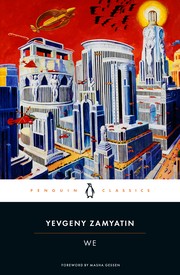
We
In a city of glass ruled by the Benefactor, a state engineer building a spaceship falls for a woman who wants to tear the One State down.
2,247-word summary · 10 min read

The Memory Police
On an unnamed island, ordinary things keep vanishing from memory, and a novelist hides her editor from the police who make sure the vanished stay forgotten.
2,440-word summary · 11 min read
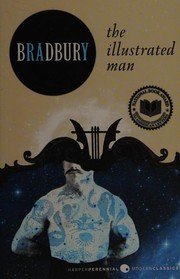
The Illustrated Man
A tattooed drifter's moving pictures retell eighteen Bradbury stories of children, rockets, Mars and the last night of the world.
2,791-word summary · 12 min read

Never Fade
Ruby, now a leader in the Children's League, must track down the boy whose memories she erased, because he holds the only proof of what caused the disease that…
2,188-word summary · 10 min read
Upgrade
A Gene Protection agent is infected with an upgrade virus that makes him stronger and faster than human, and only he can stop his sister from releasing it on…
2,166-word summary · 10 min read
The Twelve
The middle volume of the Passage trilogy braids the year America died, a picnic massacre decades earlier, and the survivors' war against the twelve master…
2,089-word summary · 9 min read
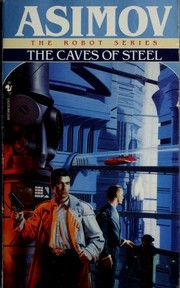
The Caves of Steel
Detective Elijah Baley must solve a Spacer's murder in a domed New York, partnered with R. Daneel Olivaw, a humaniform robot built in the victim's image.
2,445-word summary · 11 min read

A Scanner Darkly
Undercover narc Fred is ordered to surveil a drug user named Bob Arctor in near-future Orange County, not realizing the man on the screen is himself.
2,251-word summary · 10 min read
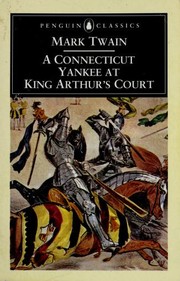
A Connecticut Yankee in King Arthur's Court
Hank Morgan, a Connecticut factory man, wakes in King Arthur's England, rises to chief adviser, and rebuilds the kingdom until his own inventions turn on him.
2,193-word summary · 10 min read


Redshirts
Ensigns realize they die to serve a bad TV show's narrative.
2,152-word summary · 10 min read

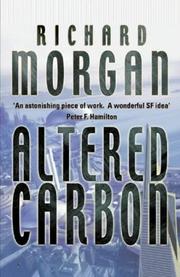
Altered Carbon
Kovacs wakes in a new sleeve to solve a rich man's own murder.
2,231-word summary · 10 min read
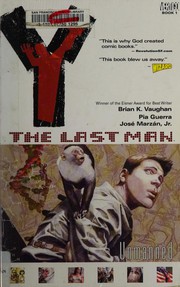
Y: The Last Man, Vol. 1: Unmanned
Yorick Brown and his monkey Ampersand survive a plague that kills every Y-chromosome mammal and cross a collapsed America.
2,525-word summary · 11 min read

Under the Never Sky
Exiled from her Pod, Aria crosses a storm-scarred wilderness with Outsider Perry to find family and the fabled Still Blue.
2,572-word summary · 11 min read