
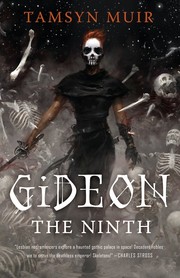
Gideon the Ninth
2,232-word summary 10 min read 448 pages in the book
- First published
- 2019
- Publisher
- Tor Books
- Pages
- 448
- ISBN
- 9781250313195
- Series
- The Locked Tomb (#1)
Reading options
What's inside (8 sections)
I picked up Gideon the Ninth because three separate friends told me it was about sword lesbians in space and that description turned out to be both accurate and unfair to how strange the book really is. Tamsyn Muir published it in 2019 with Tor Books, 448 pages in the hardcover, and it opens The Locked Tomb as book one. I read it over a long weekend, laughing at parts and then feeling gutted by the ending in a way the jokes did not prepare me for. Think locked palace mystery plus bone magic plus two girls who hate each other and cannot survive apart.
The setup needs a little laying out, so bear with me. The universe runs on necromancy, the art of death and bones, ruled over by the Undying Emperor. Nine Houses serve him, each built around one kind of death work. The Ninth House is the gloomiest of them, a black rock planet of tombs and ash where shrouded nuns raise children to pray and keep quiet. Gideon Nav, eighteen, grew up there as an indentured drudge after being found as a baby with an umbilical cord and a sword. She wants out. She has tried to run eighty seven times. She lifts weights, hides dirty magazines under her mattress, and talks back to everyone. Her opposite is Harrowhark Nonagesimus, last child of the Ninth, a bone witch barely out of girlhood who wears black paint and commands skeletons with a flick of her fingers. Harrow is brilliant and brittle and cruel in the way lonely rulers can be.
The summons changes everything. The Emperor invites each House to send one necromancer heir and one swordsworn cavalier to the First House, a ruined palace called Canaan House, to study and compete for Lyctorhood, which means becoming an undying saint with impossible power. The Ninth can only send these two girls. Harrow needs a cavalier to guard her body while her soul walks. Gideon is the only sword worth taking. So Harrow offers a deal she hates making. Serve as my cavalier through the trial, and I will free you from your indenture when we return. Gideon agrees because freedom is the one thing she has chased since childhood. They leave the Ninth together, armed and furious, and neither expects to come back fond of the other.
The Ninth House and a deal neither girl wants
The early chapters live on the Ninth, and Muir makes that cold rock feel specific. Drearburh, the fortress, smells of rot and lamp oil. The nuns, led by the chilly Crux and the sword mistress Aiglamene, keep Gideon in penance for every escape try. Gideon trains in secret with a battered two-hander she named, does pushups in a tomb, and trades insults with Harrow in corridors. There is a boy called Ortus Nigenad, the official cavalier heir, who writes bad poetry and freezes in a fight. Harrow knows he will die at Canaan House. She picks Gideon instead and frames it as orders, not trust.
What works here is how fast Muir fixes the central friction. Gideon is loud, crude, kind under the swagger, and starved for affection she covers with jokes. Harrow is disciplined, starved, sickly, and terrified of failing parents who died giving her life. Gideon thinks Harrow is a miserable little adept who loves no one. Harrow thinks Gideon is an animal who respects nothing. Both are partly right and mostly wrong, and Muir lets their inner monologues admit it in flashes. Gideon notices Harrow's hands shaking after big workings. Harrow notices Gideon practicing forms alone at night because she loves the sword itself. They share a planet, a past, and a language of tombs, and they share nothing else yet.
The flight to the First House gives the book its first taste of scale. Other Houses arrive with retinues, fine clothes, painted faces, matched swords. The Ninth arrives with two angry teenagers and a coffin of supplies. I liked this imbalance because it sets the stakes without a speech. Everyone else looks trained for this trial. Gideon looks like a runaway with muscles. Harrow looks like a ghost who wandered into the wrong story. You root for them at once, even as they bicker over beds and rations on the shuttle.
Canaan House: locked doors, old bones, new bodies
Canaan House itself is the best character after the two leads. A crumbling palace of dark stone on a dead world, full of sealed laboratories, flooded levels, libraries with teeth in the walls, and miles of corridors that rearrange in memory. The Emperor's priests, Teacher and the Custodian, greet the heirs and explain the trial. Study the old theorems carved into the walls. Unlock sealed rooms with bone magic. Learn how the first Lyctors ascended ten thousand years ago. No leaving until the work is done. No messages home. The air smells of dust and old water. Skeletons serve dinner. It feels like a graduate school run by corpses, and Muir clearly loves that image.
The rival pairs arrive with strong outlines. From the Sixth, the kindly scholar Palamedes Sextus and his quiet cavalier Camilla Hect, who fight and think as one mind in two bodies. From the Fourth, two teenagers, Jeannemary Chatur and Isaac Tett, brave and young and painfully eager. From the Fifth, the gentle Abigail Pent and her husband Magnus Quinn, older, warm, the only married pair in the trial. From the Second, the soldiers Judith Deuteros and Marta Dyas, crisp and dutiful. From the Third, the twins Coronabeth and Ianthe Tridentarius, one beloved and one feared, attended by a cavalier named Naberius. From the Seventh, the dying Dulcinea Septimus with her cavalier Protesilaus. From the Eighth, the fanatic Silas Octakiseron and his dour cavalier Colum Asht. And above them, the elegant Cytherea, Lyctor of the Seventh, sent to watch.
Muir runs the middle as a locked room puzzle crossed with a murder story. Doors open only to combined workings of bone and sword. Theorems demand adepts to burn marrow and cavaliers to bleed in circles. At night the palace groans and something moves in the walls. Then people start dying. First one heir, then another, found drained or broken in sealed chambers. Trust collapses. Alliances form over shared meals and dissolve after funerals. Gideon stands guard while Harrow studies, and her sword chapters carry real tension. She fights skeletons that should not move, duels living cavaliers in practice bouts, and once holds a corridor alone against a thing with too many joints. The sword work is written cleanly, with weight and breath and sore arms after.
Hate to trust: Gideon and Harrow
The heart of the book is the slow turn between the two Ninth girls, and Muir earns it scene by scene rather than in one speech. Early on they trade cruelty. Harrow wipes Gideon's memory of a kindness to keep control. Gideon sneaks off to flirt with the dashing Coronabeth and to swap dirty magazines with the kindly Fifth pair. But the trial forces contact. Harrow must lower her bone shields and let Gideon stand close while her soul leaves her body to walk locked halls. Gideon must learn to read Harrow's breathing to know when to pull her back. Guarding a person night after night changes how you see them. Gideon starts noticing that Harrow skips meals, hides pain, and weeps where no one can hear. Harrow starts noticing that Gideon stands between danger and others without being told, including strangers from rival Houses.
Two friendships outside the pair matter. Dulcinea of the Seventh, dying of a blood cancer of the soul, befriends Gideon with warmth and gossip and flower talk, and their bond gives Gideon the first easy affection of her life. Palamedes of the Sixth befriends Harrow with scholar respect, trading theorems and late night study, and his patience draws out Harrow's buried decency. Camilla, silent and lethal, becomes Gideon's sparring partner and something like a sister. These ties widen the book beyond the central feud. When the deaths reach these friends, the grief hits both girls and the reader, because Muir took time to make Fifth House tea and Sixth House jokes feel like home.
The tone here is the famous gamble. Gideon narrates much of the book in a modern sardonic voice full of memes, winks, and crude jokes, while the setting stays gothic and grim. Skeletons march past frescoes of saints while Gideon thinks about biceps and bad puns. Some readers will love this clash. I mostly did. The jokes keep 448 pages moving through dense magic theory, and they make Gideon feel like a real teenager dropped into a cathedral of death. Now and then a reference will date the book, since internet slang ages fast, but the warmth under the jokes holds. When Gideon stops joking, which happens more often near the end, the silence lands hard.
The trial, the Emperor, and what Lyctorhood costs
Without giving away every locked door, the shape of the trial is this. The heirs must reconstruct how the Emperor's first saints achieved undying life. Palamedes works it out first in theory. Harrow works it out first in practice, because desperation sharpens her. The answer is terrible, as answers in necromancy tend to be. True Lyctorhood demands the death of the cavalier, whose soul feeds the adept's ascension. The Emperor, called John on the page in strange interludes, built his sainthood on loss and has carried that guilt for ten thousand years. The palace itself keeps the memory in its stones, and the locked laboratories show failed tries withering on slabs.
This revelation reframes the murders. Someone in Canaan House already knows the price and is killing rivals to control who ascends. I will not name the killer outright here beyond saying the elegant Cytherea carries more than grief, and that Dulcinea's gentle story hides pain of its own. The last hundred pages move fast through duels, collapsing chambers, burned out saints, and a flight through vacuum and bone. Gideon, who spent the book chasing freedom, chooses instead to spend herself for Harrow. Harrow, who spent the book demanding obedience, begs Gideon to live and is refused. The final working passes between them like a held breath. One girl walks out changed forever. The other does not walk out, though her sword and her voice stay in the walls.
The closing chapters follow Harrow as she leaves Canaan House with the Emperor's favor and a hollow place where her cavalier stood. Muir does not soften the cost. Power arrives, grief arrives with it, and the Ninth House inherits a saint who weeps in private. Readers who came for jokes may feel blindsided. Readers who watched the small kindnesses accumulate will see the ending was promised from the shuttle ride. Freedom, the book argues through Gideon, can mean choosing where your life goes, even if that choice spends it. I cried at a line about a sword left behind, and I am not embarrassed to admit it.
Where it drags and who should try it
Fair criticism first, because this book needs a warning label with its praise. The bone magic system is dense. Thanergy and thaler, soul siphoning, marrow wards, theorems with names like hands within hands, all arrive quickly with little pause. I kept a mental glossary for the first third and still mixed up constructs and revenants. Readers who bounce off heavy magic theory may stall around page 120 when Harrow studies walls for chapters while Gideon guards. Push through to the first death and the pace steadies. A reread smooths much of this, since the early lectures plant clues for the late murders, but a first timer should expect homework.
The meme voice will also split readers. Gideon's slang, her talk of magazines and muscles and modern jokes in a tomb world, can shatter the gothic mood for some. One friend of mine quit at the first pool scene banter. I would argue the clash is the point, since Gideon performs crudeness to survive a house that wanted her silent, but I admit a few gags already feel tied to 2019 internet habits. If you dislike present day jokes inside far future worlds, this will grate. If you liked the clerk humor in other grim fantasies, you will feel at home.
Still, as a friend telling you whether to spend a week on it, I say yes if you like mysteries with swords, slow burn devotion between prickly people, and horror that respects grief. Read it before Harrow the Ninth, the second book in The Locked Tomb, since that sequel assumes you know this ending and plays stranger games with memory. Bring patience for the magic lectures, bring tolerance for gore, and bring tissues for the last fifty pages. Few debuts swing this big. Fewer still stick the landing with a joke and a wound at once. Muir does, and I immediately ordered the next volume to see what Harrow does with the terrible gift Gideon gave her.
Pairs well with
If Canaan House hooked you, try Harrow the Ninth next for the same events bent through a broken mind, or Nona the Ninth later for a softer coda. For locked palace puzzles with blades, The Scholomance books scratch a similar itch. For gothic bone work with older bones, Gormenghast waits.
FAQ
Is Gideon the Ninth the first book in a series?
Yes. It is book one of The Locked Tomb, published by Tor Books in 2019 at 448 pages, followed by Harrow the Ninth.
What is Lyctorhood?
It is the Emperor's undying sainthood, earned through bone magic at the cost of the cavalier's soul.
Is the book hard to follow?
The bone magic terms arrive fast, so expect a learning curve until the first death steadies the pace.
Similar books
More from The Locked Tomb first, then related titles.
The First Fifteen Lives of Harry August
Harry August dies and is born again into the same life, again and again, until a warning from a child tells him the world is ending faster with each pass.
2,189-word summary · 10 min read
The Eyre Affair
Literary detective Thursday Next chases a villain who kidnaps Jane Eyre from her own novel in an alternate 1985 England.
1,929-word summary · 9 min read

Authority
The new director of the Southern Reach takes over an agency that is hiding the truth about Area X, and the building starts to change around him.
2,029-word summary · 9 min read
Ace of Spades
Two Black seniors at an elite academy are celebrated by day and hunted by an anonymous texter in this YA thriller about institutional racism.
2,066-word summary · 9 min read
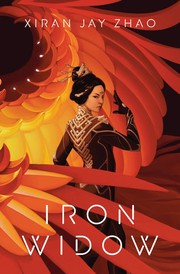
Iron Widow
Wu Zetian enlists to avenge her sister, kills her pilot, and becomes an Iron Widow in a mecha Huaxia where the machines are built to kill women.
2,444-word summary · 11 min read

Archenemies
Nova steals for the Anarchists while Adrian hides his Sentinel identity, and a serum that erases prodigy powers puts them both at risk.
2,485-word summary · 11 min read
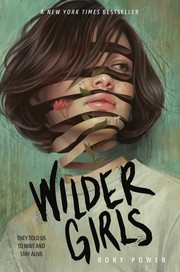
Wilder Girls
At a quarantined boarding school off Maine, three girls with strange mutations search for a missing friend and learn what the adults have hidden.
2,594-word summary · 12 min read
Sleeping Giants
A girl falls into a field and lands in a giant metal hand. Years later a secret team assembles the rest of the machine, and it chooses its own pilots.
2,466-word summary · 11 min read
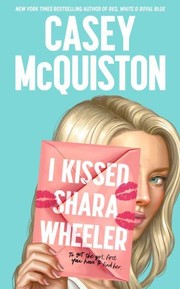
I Kissed Shara Wheeler
Shara Wheeler kisses her rival Chloe Green at prom and disappears, leaving a scavenger hunt that forces Chloe to rethink everything she knew about her.
2,083-word summary · 9 min read
Once Upon a River
A wounded man stumbles into a riverside inn carrying what appears to be a drowned child who is not quite dead, and the story braids the guesses of everyone who…
2,173-word summary · 10 min read
Last Night at the Telegraph Club
The 2021 National Book Award winner follows Lily Hu, a Chinese American teenager in 1954 San Francisco, as she falls for Kath and learns what it costs to be…
2,336-word summary · 10 min read
Her Body and Other Parties: Stories
Eight stories where bodies, medicine and old fairy tales get taken apart, with a green ribbon running through the whole book.
2,997-word summary · 13 min read

The Hazel Wood
Alice Proserpine has spent her life running from bad luck. When her mother vanishes, she follows a trail of fairy-tale clues to her grandmother's estate and…
2,064-word summary · 9 min read
The Bone Clocks
A teenage runaway, a Cambridge con artist, a war reporter and a dying novelist circle a hidden war between immortals across sixty years, with Holly Sykes at…
2,125-word summary · 9 min read
Stars Above: A Lunar Chronicles Collection
Nine Lunar Chronicles stories fill in the histories of Cinder, Wolf, Thorne, Cress, Winter, and Jacin, and end with a wedding after the war.
2,230-word summary · 10 min read
Saga, Volume 3
Marko, Alana, and Hazel hide on the planet Quietus with the reclusive author who inspired their romance, while assassins and a prince close in.
1,989-word summary · 9 min read
Orlando
A young Elizabethan nobleman becomes a woman and lives for centuries, moving through English history while writing a single poem about an oak tree.
2,030-word summary · 9 min read
Locke & Key, Vol. 1: Welcome to Lovecraft
After their father is murdered, the Locke children move into a haunted family estate where keys unlock doors to ghosts, other places, and dangerous secrets.
2,019-word summary · 9 min read
House of Salt and Sorrows
Annaleigh Thaumas investigates her sister's death in a cursed island manor where the balls are illusions and the sea god is always listening.
2,025-word summary · 9 min read
Cemetery Boys
A trans brujo in East Los Angeles summons the ghost of a boy who refuses to move on, and together they uncover a murder hidden beneath Día de los Muertos.
1,997-word summary · 9 min read
Ghost Story
Dead but not gone, Harry Dresden returns as a spirit to find his killer, protect the friends he left behind, and learn why the afterlife gave him a second…
1,978-word summary · 9 min read
Cold Days
Back from the dead as the Winter Knight, Harry Dresden must follow Mab's order to kill an immortal and defend Demonreach on Halloween night.
2,361-word summary · 10 min read
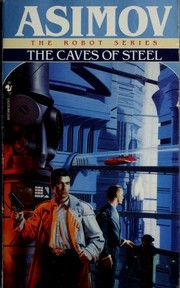
The Caves of Steel
Detective Elijah Baley must solve a Spacer's murder in a domed New York, partnered with R. Daneel Olivaw, a humaniform robot built in the victim's image.
2,445-word summary · 11 min read

Paper Girls, Volume 1
Four paper girls in 1988 Ohio chase a stolen walkie-talkie into a basement and stumble into a time war, flying dinosaurs, and an older version of themselves.
2,235-word summary · 10 min read
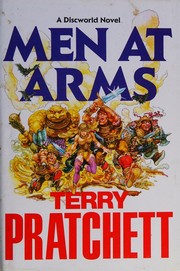
Men at Arms
The City Watch gets new recruits and a murder case when the Disc's only handgun turns up in Ankh-Morpork, in the fifteenth Discworld novel.
2,216-word summary · 10 min read
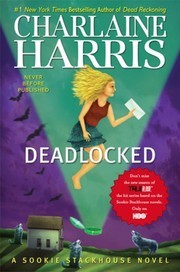
Deadlocked
A dead woman on Eric's lawn starts a murder investigation, a vampire queen wants Eric as her consort, and the fairies in Sookie's life close in.
2,885-word summary · 13 min read
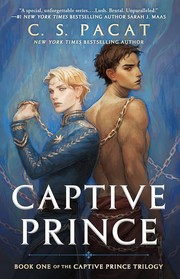
Captive Prince
Betrayed by his half-brother and sold to the enemy kingdom as a pleasure slave, Prince Damianos must survive in the court of Vere without revealing who he…
2,063-word summary · 9 min read
When You Reach Me
A sixth grader in 1970s New York gets strange notes that seem to predict the future.
2,456-word summary · 11 min read

Wayward Son
Simon and Baz road trip America after the war to decide what normal means.
2,505-word summary · 11 min read
Ubik
A psychic agency crew dies in a blast and reality decays unless a spray called Ubik saves them.
2,674-word summary · 12 min read