
None of This Is True
1,992-word summary 9 min read 384 pages in the book
- First published
- 2023
- Publisher
- Atria Books
- Pages
- 384
- ISBN
- 9781982179007
Reading options
What's inside (10 sections)
I read None of This Is True in a single day and checked my locks twice. Lisa Jewell published it with Atria Books on August 8, 2023, a 384 page psychological thriller that became an instant bestseller and made several best-of-the-century lists. The premise hooks immediately. Alix Summers, a successful true-crime podcaster, meets Josie Fair in a pub. Both are celebrating their forty-fifth birthdays. They are birthday twins. Josie, meek and strange, pitches her life as Alix's next series. As Alix records, the story darkens into abuse, captivity, and murder, while Josie insinuates herself into Alix's home and family. The book is told through prose, interview transcripts, and a fictional Netflix documentary. It is Jewell's darkest novel and her cleverest formally.
Alix narrates much of it, successful but restless, married to Nathan, mother of two, living a curated London life that feels increasingly hollow. Josie arrives as disruption. Shy, oddly dressed, married to a much older man, Walter, Josie seems fragile and harmless. Her story, as she tells it, is harrowing. A controlling husband. A stolen youth. Dark secrets she is finally ready to share. Alix smells a hit series. She starts recording. The podcast within the novel unfolds in transcript chapters, and Jewell writes them brilliantly. Josie's voice, hesitant then gathering force, carries the horror. Listeners inside the book binge like readers outside it.
The formal play is the novel's signature. Present-tense prose alternates with podcast transcripts and excerpts from a Netflix documentary made after the events. This triple lens means no account can be trusted fully. Josie lies. Alix edits. Documentaries shape. Jewell exploits every gap. Readers assemble truth from biased sources, which is exactly the book's theme. True crime consumes real pain as content. Everyone in this novel is both victim and producer. The structure is not decoration. It is accusation.
Josie's past and the recording
Josie's story emerges in layers, each darker. Her marriage to Walter, decades older, began when she was young and vulnerable. He controlled everything. Money. Movement. Contact. Her account details coercion so total it resembles captivity. Then worse revelations. A child. Deaths. Crimes Josie may have committed or suffered or both. Jewell paces the disclosures with podcaster's instinct, each episode ending on hooks. The transcripts show Alix's growing obsession. She pushes Josie for more. She edits for effect. She ignores warning signs in pursuit of downloads. The exploiter and exploited blur.
Meanwhile Josie infiltrates Alix's life with terrifying patience. Babysitting offers. Kitchen conversations. Befriending the children. Nathan's unease dismissed as paranoia. Jewell writes the invasion in small domestic details. A moved object. An overheard call. Josie presence lingering after she leaves. The home-invasion thriller beats land harder for their realism. No masked killers. Just a guest who will not leave. Readers who have managed boundaries with unstable people will feel every scene. The dread is procedural. Politeness as vulnerability.
Walter's role complicates everything. The much older husband, seemingly menacing, reveals dimensions that reframe Josie's narrative. Is he captor or fellow victim? Jewell withholds cleanly. His death, reportedly a heart attack during confrontation, arrives ambiguously. Josie's account serves her interests. The podcast shapes his memory. The documentary reframes again. Nobody in this book gets a stable story, which is precisely Jewell's point about narrative itself. Truth is the first casualty of content.
The finale and its frames
Without detailing the climax, the final act detonates the podcast's premise. Josie disappears, leaving devastation that reframes every transcript. Alix discovers she has been the subject all along, her life harvested for someone else's series. The inversion lands because Jewell prepared it meticulously. Every earlier chapter gains new meaning. Rereading becomes mandatory. The Netflix documentary frame, presenting the whole as resolved history, adds final irony. Even catastrophe becomes content. The documentary explains. It also exploits. Jewell indicts her own medium while mastering it.
The bonus materials extend the unease. An extra chapter from another perspective reframes survival. The documentary's talking heads contradict each other. No authoritative voice emerges. Readers close the book uncertain what actually happened, which is either brilliant or frustrating depending on temperament. I found it brilliant and deeply unsettling. Certainty would have comforted. Jewell refuses comfort. The title is the thesis. None of this is true, including, perhaps, that statement.
The book's darkness exceeds Jewell's previous work substantially. Domestic abuse detailed graphically. Child endangerment. Psychological torture. Readers with trauma should approach carefully. The content warnings matter here more than marketing. Jewell goes further than the genre requires, and the excess is purposeful. True crime's appetite for pain gets mirrored in the reader's own page-turning hunger. Feeling complicit is intended. Enjoying it anyway is the trap.
Podcasting, crime, and complicity
The novel's cultural critique deserves full attention because it elevates the thriller. True-crime podcasting, a massive industry built on real suffering, gets dissected through Alix's career. She monetizes misery professionally. Her success depends on others' worst moments. Josie understands this economy perfectly and uses it. Victim becomes producer. Producer becomes victim. The cycle Jewell describes is real. Podcasts reshape cases, lives, verdicts. The book asks whether documenting harm heals or harvests. It leans harvest, bleakly.
Alix's complicity is the novel's bravest thread. Protagonists in thrillers are usually investigators or victims. Alix is both plus exploiter. She profits from Josie's pain while believing she helps. Her blind spots, class privilege, professional hunger, marital discontent, make her vulnerable to manipulation. Jewell refuses to absolve her. The podcast's success is built on suffering Alix helped extract. Readers who identify with Alix must confront their own consumption. We binge fictional pain as entertainment. The book holds up that mirror steadily.
The Netflix layer completes the indictment. After catastrophe, professionals arrive to package it. Talking heads. Archival footage. Tasteful reenactments. The documentary within the novel demonstrates how horror becomes product. Jewell, whose book will itself be adapted, implicates her own success. That self-awareness saves the critique from hypocrisy. She knows she profits from darkness too. The book's darkness includes its author. Few thrillers attempt such honesty. Fewer achieve it.
Reception and standing
The book's reception confirmed its impact. Instant bestseller. Over a million copies. Best-of-century lists. British Book Awards. Critics praised pacing and twists while warning about darkness. The consensus holds. This is Jewell's masterpiece, the novel her career built toward. Earlier books, Then She Was Gone, The Family Upstairs, showed her range. This one fuses everything. Domestic suspense. Formal daring. Moral seriousness. Genuine terror. It operates on levels most thrillers never attempt.
Comparisons to Verity and Gone Girl miss what is distinctive. Those books twist narrators. This one twists media itself. The unreliability is structural, not just personal. Every frame lies a little. That innovation places it above its peers. Future thrillers will imitate the transcript-documentary braid. Jewell got there first and best. The form serves function perfectly. Unreliable media for unreliable people.
Nathan, the children, and collateral damage
Alix's family deserves attention as more than hostages. Nathan, her husband, runs a business and carries his own secrets. His unease about Josie proves justified, but his responses complicate sympathy. The marriage shows strain before Josie exploits it. Financial pressures. Intimacy gaps. Nathan's own hidden behaviors surface under pressure. Jewell writes marriages under threat with clinical precision. No partnership is clean. Stress reveals cracks already present. Josie widens them expertly. The invader succeeds because foundations shifted first.
The children raise the stakes beyond adult games. Alix's daughter and son become pawns Josie handles with terrifying gentleness. Babysitting as infiltration. Gifts as grooming. Jewell writes parental terror better than almost anyone. The scenes where Alix realizes her children were alone with danger will stop any parent's breath. The book weaponizes caregiving instincts ruthlessly. Trust extended to the wrong person. That violation haunts beyond any plot twist. Parents reading will check locks and vet sitters. The fear is rational. Josies exist.
Erin and Roxy? Actually peripheral figures orbit usefully. Neighbors. Colleagues. Podcast staff. Each gets enough shading to suspect and absolve. The suspect pool mechanics work because ordinary people behave oddly under stress. Jewell distributes red herrings through character, not contrivance. Everyone has secrets. Most secrets are boring. One is lethal. Sorting them is the reader's work. The book respects that work with fair clues. Rereading reveals the trail was visible. Foreshadowing honest enough to miss. That is craft.
The documentary frame and final meaning
The Netflix documentary device deserves final analysis as the novel's masterstroke. Presenting catastrophe as completed content, with talking heads and timelines, creates distance that horrifies. Real suffering processed into episodes. The documentary explains everything and understands nothing. Its confidence contrasts the novel's ambiguity. Viewers get closure. Readers know better. That gap is Jewell's final trap. Trusting the documentary means repeating Alix's mistake. Consuming packaged truth as reality.
The documentary also implicates adaptation culture directly. This book will become content itself. Netflix bought rights. The cycle continues. Jewell knows her critique will be monetized identically. That complicity does not invalidate the critique. It deepens it. Systems absorb dissent as product. The novel about exploitation will be exploited. Everyone profits. Nobody learns. Or perhaps readers learn enough to pause before the next binge. That pause is the book's only hope. Small resistance through awareness.
What remains after finishing is unease without resolution. Who was Josie really? What happened exactly? The answers blur deliberately. Some readers need certainty. This book denies it as theme. Truth died with the events. Only versions survive. Living with that denial is the final challenge. Most thrillers comfort with solutions. This one discomforts with questions. That discomfort distinguishes art from entertainment. Jewell chose art. The bestseller lists followed anyway. Darkness sells when shaped brilliantly.
Walter Fair and the banality of control
Walter deserves final analysis as the novel's most ambiguous figure. Old, odd, possibly monstrous, possibly pathetic, he resists categorization deliberately. Josie's account paints a tyrant. Other fragments suggest a damaged man himself controlled. His death forecloses certainty permanently. Dead men face no cross-examination. Jewell exploits that finality ruthlessly. Readers must judge without evidence, exactly as podcast audiences do. The discomfort is instructional. Certainty is a luxury truth rarely affords.
His marriage to Josie disturbs on multiple levels. Age gap. Power imbalance. Isolation tactics. Whether criminal or merely cruel, the dynamic reads as abuse. Jewell documents coercive control with clinical accuracy. Financial dependence. Social severance. Reality distortion. Survivors will recognize the pattern instantly. The novel's service to understanding such dynamics is real. It names behaviors victims struggle to articulate. That naming helps beyond entertainment. Fiction as field guide to danger.
Whether Walter deserved his fate is the question Jewell leaves poisonous. Heart attack during confrontation, convenient and unverifiable. Josie's account serves her innocence. Alternative readings implicate her directly. The ambiguity is absolute and intentional. Readers become jurors without evidence. Most convict someone. Whom reveals the reader. That mirroring is Jewell's final trap. Judgment says more about judges. The book ends. Uncertainty remains. Sleep uneasily.
What works and what drags
What works is form, pace, and nerve. The triple narrative dazzles. The twists detonate fairly. The darkness commits fully. Josie ranks among thriller's great creations. At 384 pages it never sags. The final reframes reward rereading. As pure thriller mechanics, it is flawless.
What drags is bleakness and exploitation risk. The darkness overwhelms some readers legitimately. The child endangerment disturbs deeply. The ambiguity frustrates those wanting resolution. And the book's critique of exploitation risks embodying it. Profiting from pain while condemning profit. Jewell's self-awareness mitigates but does not dissolve the tension.
Still, None of This Is True is the decade's essential psychological thriller. Read it in daylight, in one sitting, with locks checked. Jewell turned true crime back on itself and made a masterpiece from the reflection. The podcast ends. The documentary airs. Nothing was true. Everything happened. That paradox is the book, and it lingers like Josie in the kitchen, present after leaving.
FAQ
When was None of This Is True published?
Atria Books published it on August 8, 2023. The hardcover runs 384 pages and the ISBN is 9781982179007.
Who are Alix and Josie?
Alix Summers, a successful podcaster, and Josie Fair, the meek woman who insinuates herself into Alix's life with a terrible story.
Is it part of a series?
No. It stands alone, though Jewell revisited its world in later works.
Similar books
More like None of This Is True →
The Silence of the Lambs
Clarice Starling seeks Hannibal Lecter's help to catch Buffalo Bill before Catherine Martin runs out of time.
2,616-word summary · 12 min read

The Inmate
A nurse takes a prison job and faces the ex who she helped convict for murder years ago.
2,060-word summary · 9 min read

Good Girl, Bad Blood
Pip swears off sleuthing, then podcasts a missing friend case that tests fame and cost.
2,011-word summary · 9 min read

The Family Upstairs
Libby Jones inherits a Chelsea mansion and a past tied to a cult house, two runaways, and a baby left waiting.
3,300-word summary · 15 min read
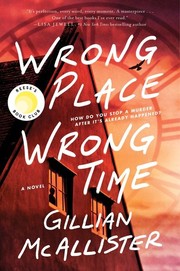
Wrong Place Wrong Time
Jen sees her son Todd kill a stranger, then wakes the day before, slipping back in time to stop the murder.
2,522-word summary · 11 min read

The Outsider
Coach Terry Maitland's DNA and witnesses point to an impossible murder, until Ralph Anderson and Holly Gibney trace it to El Cuco.
2,586-word summary · 11 min read