
Reading options
What's inside (8 sections)
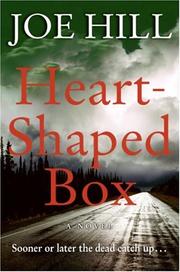
I picked up Heart-Shaped Box because a friend told me it starts with a rock star buying a ghost on the internet, and I laughed, and then I could not stop thinking about it. Joe Hill published it in 2007 with William Morrow, a 384 page hardcover with ISBN 9780061147937, and it was his first novel after a well liked story collection. I went in expecting a short sharp scare. What I got was a long road story about guilt, old men who refuse to die quietly, and a woman who refuses to be a footnote.
Judas Coyne is fifty four and tired in the way only people who used to be famous can be tired. He was the singer for a heavy metal band, the kind with pyro and screaming crowds, and now he lives on a farm in upstate New York with dogs, records on the walls, and too much money. His collection tells you who he is before he says much. Sketches drawn by John Wayne Gacy. A skull with a hole cut in it. A confession signed by a woman accused of witchcraft. A hangman noose. A snuff film he does not show people. His assistant Danny finds the listings and handles the money. His girlfriend Georgia, young and goth and kind in a guarded way, lives with him and tries to make the place feel less like a museum.
The purchase happens fast. Danny tells Jude about an auction listing for a ghost. The seller says her stepfather died and his spirit stuck around and she wants him gone. Price is a thousand dollars, buy it now. Jude thinks it is a joke or a stunt and bids because he can. A few days later a black heart shaped box arrives in the mail. Inside is a dead man suit, folded neat, smelling of old cloth and medicine. Georgia is the first to say this feels wrong. She is right, and the book does not waste time proving it.
That arrival scene stuck with me because Hill plays it plain. No thunder. No warning chord. The box sits on a table. The dogs will not go near it. Danny makes a joke that falls flat. Jude holds the jacket up and feels cold in his hands. That night Jude sees an old man in his bedroom doorway, thin and gray, holding something that flashes. He blinks and the man is gone. He tells himself it is age and drink and late nights. The reader knows better, and the fun for the next fifty pages is watching a skeptic run out of excuses.
Buying a ghost online
Jude collects because collecting lets him stay in control. Every object has a story and a price and a shelf. Hill gives you the farm in patient detail. The studio with platinum records next to drawings a killer made in prison. The kitchen where Georgia cooks and leaves the radio on. The dogs, Angus and Bon, always underfoot. It feels lived in, which matters because the haunting works by ruining routine.
Danny is important here and easy to miss on a fast read. He is funny and competent, the one person who talks back to Jude without flinching. He calls the seller, Jessica Price, to ask what exactly they bought. She says the suit belonged to her stepfather, Craddock McDermott, and that he is still with it. She says it like someone returning a coat.
Then things turn. Jude starts seeing the old man everywhere. At the end of a hallway. In the rearview mirror. The ghost carries a razor on a chain and swings it without hurry. Clocks stop. Georgia dreams of a man sitting on her chest. Angus growls at empty corners. Hill does not give you gore yet. He gives you interrupted sleep and bad air in a house that used to feel safe.
The turn that forces action is Danny death. Danny kills himself after the ghost gets into his head, and before he does he tries to warn Jude. It lands hard because Danny was the only warm link to Jude old life. Jude finds himself alone with Georgia and the dogs and a suit he cannot throw away. He buries it, burns part of it, leaves it out with trash. It comes back.
My complaint about this stretch is small but real. Jude can be hard to sit with at first. He is selfish in the settled way of men who paid people to agree with them for decades. He talks about women he used and left as if they were tour stops. Georgia gets less page time than she deserves early on, mostly reacting while men talk on phones. I kept reading because the scare scenes are staged with care, but I wished Hill had let Georgia push back harder ten pages sooner.
The suit and the man inside it
Craddock McDermott is not a sheet ghost. He is a person who died angry and stayed angry with method. In life he was a hypnotist and radio man and small time occultist, the kind who could talk a room into quiet and make people do things they later could not explain. In death he keeps those habits. He does not only appear. He suggests. He plants thoughts about razors and roads and ropes and waits to see which one grows. Hill makes him physical in a way I found nasty and effective. He smells. He leaves damp marks. His suit fits wrong on a living body because it was cut for a corpse.
The rules come out in pieces, which I liked more than a lecture chapter would have. The dead man stays near his suit. He can travel with it in a car trunk or a box. He gets stronger when people look at him and weaker when they refuse him attention, though refusing is easier said than done when he stands at the foot of your bed. Dogs see him clear and hate him. That last part becomes plot, not color. Angus and Bon place themselves between Jude and empty air again and again. Hill treats them as more than props. They get tired. They bleed. They choose.
Georgia starts to come forward here. She grew up rough and knows what it is to be looked through by powerful men. She asks the question Jude avoids. Why him. Why would a dead stranger pick Judas Coyne out of everyone online. Jude pretends it is random and bad luck. Georgia does not buy it. She finds a photo, makes a call, remembers a name Jude said in sleep. Her work pulls the thread that leads back to Florida, the girl before Georgia, who came to the farm young and left broken and later died.
Florida is Anna McDermott in the life she tried to leave. Jessica sister. Craddock stepdaughter. She lived with Jude for a few months when she was barely out of her teens and he was already a legend with bad habits. He used her as proof he was still desired and then sent her away with money and a cold line. She killed herself not long after, or that is what Jude was told and chose to believe. Jessica sold the suit to Jude on purpose. Craddock hexed the suit before he died and told Jessica to pass it on. Revenge by mail order, with postage paid.
I want to pause on Jude father because Hill threads him through without forcing it. Jude grew up with a violent man who mocked him and hit him and later grew old and small and pitiful. Jude visits or remembers calls where his father begs and accuses by turns. The parallel is clear but not shouted. Craddock is the monstrous father who will not release his grip. Jude own father is the ordinary monster who shaped him. Both men taught Jude that love is control and control is safety. Unlearning that is the whole book, if you want one sentence for it.
Running south with Georgia
Once Jude accepts that staying means dying in his own house, he runs. This is where the book changes from haunted house to road novel, and the pace jumps. Jude, Georgia, the dogs, the suit in the trunk because they cannot leave it behind, all heading south in a Mustang and later other cars. Craddock rides along in visions and roadside appearances. He stands on overpasses. He sits in the back seat when Jude checks the mirror too long. He gets into radio static and makes voices out of songs. Hill writes driving scenes with a musician ear. Engine noise, mile markers, gas station coffee, cheap motels where the ice machine hums all night.
The middle road chapters are the most fun and a little too long. A motel night where Georgia refuses to sleep so Jude stays awake carries real warmth. Then a second highway close call covers ground the first one already covered. I did not skim, but I checked how many pages were left, which is never a great sign.
What kept me in it was Georgia. On the road she stops being the girlfriend and becomes the partner. She drives while Jude shakes. She handles money and maps and lies to clerks when they need a room fast. She asks Jude about Florida with a steadiness that would have broken a lesser man sooner. Jude tells it in pieces. How young Florida was. How he grew tired of her sadness and sent her away with money and a cold line. Georgia hears the payment for what it was, a way to stop feeling guilty.
The dogs earn their keep on these pages. Angus, the older one, blocks doorways. Bon chases things no one else can see and comes back panting. They cannot kill a ghost. They can warn and block and comfort, and Hill lets them tire and bleed like living creatures.
What Craddock wants
Craddock does not want Jude dead quick. He wants Jude hollowed. He wants him to lose sleep, lose help, lose Georgia, lose the dogs, and then understand exactly why. His plan is patient. Separate Jude from protectors. Fill his head with images of Florida dying. Make him see Florida face on Georgia. Make Georgia see Jude as another older man who will use her and discard her. If Jude kills himself, fine. If Jude kills Georgia in fear, better. If Jude lives long enough to watch everyone leave, best.
Hill reveals the deeper crime slowly, and it reframes everything. Craddock did not only grieve a stepdaughter. He abused her. He hypnotized Anna, who called herself Florida around bands, and molested her and taught her to call it training. Jessica, the older sister, knew and helped hide it. When Florida threatened to go to police, Jessica and Craddock killed her and made it look like suicide after Jude threw her out. Jude blame is real but not simple. He did not kill her. He made her easy to kill by casting her off with no support. Craddock then used that guilt as a hook, hexing his own funeral suit so his spirit could ride it to Jude door.
This is strong material and Hill treats it with gravity. He does not linger on assault details for shock. He shows control patterns, gifts that obligate, secrets framed as love. Florida scenes, told in flashback and through Georgia research, are painful without feeling exploitative. My criticism is that Jessica stays thin. She gets a few phone calls and one face to face, and reads more as function than person. Given what she did, I wanted one scene where her reasons wobbled in her own words.
The hypnosis idea could have felt silly. Hill grounds it in performance history. Craddock did stage shows and radio spots where suggestible people did embarrassing things and thanked him after. Death removed his body but not his training. When he tells Jude to pick up a razor, the words arrive with weight. Jude resists because he is stubborn and because Georgia keeps talking him back into himself. Talk as lifeline is a theme Hill returns to. Songs, stories, arguments. Anything that keeps the mind occupied keeps Craddock out a little longer.
There is also a fair question the book raises without answering fully. Why can Craddock hurt some people fast and others slow. Danny falls quick. Jude holds out for weeks. Georgia bends but does not break. Hill suggests reasons. Guilt opens doors. Love closes some. Dogs guard thresholds. Attention feeds the dead. It hangs together in motion, but if you stop and poke it, the logic wobbles. I chose to keep moving. Horror systems often work best at speed, and this one does.
Louisiana and the living
The run south ends in Louisiana country, heat and water and flat roads, where Georgia has a tie who might help. I will keep names and addresses vague to avoid spoiling the exact route, but the shift in place matters. Upstate New York was closed rooms and cold woods. The south here is open sky and people who look you in the eye. Hill writes heat well. Sweat, bugs, air conditioning that rattles, food that actually gets described. After so many miles, solid ground feels like relief even though Craddock is still close.
Here the book brings in living helpers, and I liked this choice. A woman who knows about roots work and spirits and does not flinch at Jude fame. They do not solve anything with a chant. They buy time, lend tools, tell Jude and Georgia what kind of fight this is. To weaken Craddock they must cut both his anchors. Destroy the suit if they can. Prove what he did. That gives the last act its shape. Fire and truth, together.
The set piece battles get bloody. Hill does not cut away. Bones break. A house burns. I found these chapters exciting and a touch repetitive. The ghost wins, then loses ground, then wins bigger. After the third reversal I started to predict the rhythm. What saved it was Georgia refusal to be rescued. She does the research and finds the way to bring Florida spirit into the fight.
Florida return is the emotional core. She does not come back glowing and forgiving. She comes back hurt and furious, and her fury has a target. Georgia speaks to her as one used girl to another, not as a savior. Jude stands aside, which is correct. He caused harm he cannot undo. The best he can do is witness and endure and stop making it about him.
My other criticism belongs here. The book asks a lot from coincidence in these chapters. People are home when called. A stranger trusts a wild story fast because the plot needs it. None of these broke belief for me, but together they smooth edges that might have stayed rough.
The ending and what it costs
The end is fire, iron, and choices. Jude stops running and turns to face Craddock with Georgia beside him and the dogs in front. The suit, the anchor, finally burns in a way that cannot be undone. Florida holds Craddock long enough for the living to act. Jessica faces police and prison for what she did to her sister. Hill does not rush the aftermath. Hospital rooms. Bandages. Quiet meals. Dogs sleeping hard. Georgia crying without apology. Jude learning to say what happened without making himself the hero of it.
I found the last fifty pages moving in a way I did not expect from the premise. Jude lives, but survival is not framed as victory. He has to live with knowing he discarded a girl who needed help. Georgia stays, but not as a prize. She sets terms. No more collecting people. Jude agrees because he is scared and because, for once, he listens longer than he talks.
Does the scare hold up after the reveal. Mostly yes. Knowing Craddock methods makes early scenes better on memory. The razor on a chain, the damp suit smell, the phone voice. What fades a little is mystery. Once you see the gears, you cannot unsee them. Hill swaps dread of the unknown for dread of the known, which is people who hurt kids and sisters who help them and boyfriends who look away. That second dread lasts longer.
Who should read this. Anyone who likes ghost stories with muscle and road stories with dust. Fans of Stephen King early work will hear echoes, but Hill voice is his own, leaner and meaner in places, tender in others. Readers who need tidy lore may fidget at the soft rules. Readers who cannot stand gore should know the last act bleeds.
What stays with me is small. Georgia talking all night to keep Jude awake. Bon leaning against a door. A heart shaped box sitting on a porch in daylight, looking silly and harmless. A man who bought death as a joke learning to carry grief without framing it. Hill wrote a ghost train that ends at a kitchen table, with soup and bandages and a dog asleep on feet. I closed the 384 pages glad I took the ride and glad to be home, and I kept the porch light on that night without embarrassment.
One practical note for collectors. The first US edition from William Morrow is the one to match to this summary, 2007, 384 pages, ISBN 9780061147937. Later paperbacks run longer or shorter by layout, and the UK Gollancz edition differs in details. The story is the same where it counts. A selfish man buys a suit, learns whose body wore it, runs with a good woman and two good dogs, and faces what he owes. Start there and you will not get lost.
FAQ
When was Heart-Shaped Box published?
It came out on February 13, 2007 from William Morrow. This summary follows the 384-page first US hardcover, ISBN 9780061147937.
Who is Craddock McDermott?
Craddock McDermott was a hypnotist and small-time occultist, stepfather to Anna and Jessica. He hexed his funeral suit before dying so his spirit could hunt Judas Coyne.
Is Heart-Shaped Box part of a series?
No. It stands alone. Hill later wrote other novels like Horns and NOS4A2, but Jude and Georgia story starts and ends here.
Similar books
The Only Good Indians
Four Blackfeet men who killed a pregnant elk are hunted by her spirit a decade later, and the only person who can end the cycle is a teenage girl who was not…
2,010-word summary · 9 min read
The Amityville Horror
The Lutz family flees 112 Ocean Avenue after 28 days of cold spots, voices, and flies, following DeFeo murders.
2,088-word summary · 9 min read
Later
Boy Jamie Conklin sees dead people who must answer truthfully, pulling him into NYPD cases and a drug crew's greed.
2,009-word summary · 9 min read
Locke & Key, Vol. 1: Welcome to Lovecraft
After their father is murdered, the Locke children move into a haunted family estate where keys unlock doors to ghosts, other places, and dangerous secrets.
2,019-word summary · 9 min read
Horns
Accused of killing Merrin Williams, Ig Perrish wakes with horns that force strangers to confess their darkest sins.
2,264-word summary · 10 min read
NOS4A2
Vic McQueen's bike finds lost things through a bridge, pitting her against Manx's Rolls-Royce ride to Christmasland.
2,060-word summary · 9 min read
The Tale of the Body Thief
Lestat trades bodies with a psychic thief for one day of mortality and ends up trapped, sick, and hunting his own vampire body.
2,069-word summary · 9 min read

Lisey's Story
Two years after her novelist husband dies, Lisey Landon follows a trail of clues into his childhood and the other world that made him a writer.
1,998-word summary · 9 min read
A Head Full of Ghosts
A broke Massachusetts family lets a reality TV crew film their daughter's exorcism, and fifteen years later the only survivor tries to explain what really…
2,588-word summary · 12 min read
Her Fearful Symmetry
Twins Julia and Valentina inherit a London flat above Highgate Cemetery from an aunt they never met, then find a ghost in it and a family secret.
2,057-word summary · 9 min read
Lullaby
A reporter discovers that a poem in a children's book kills anyone who hears it, and his attempt to destroy every copy turns into a road trip through grief,…
2,147-word summary · 10 min read
Everything's Eventual: 14 Dark Tales
Fourteen Stephen King stories shuffled by the deal of a card deck, from the haunted room of 1408 to quiet tales of grief that sting as much as the monsters.
2,000-word summary · 9 min read
This Present Darkness
A pastor and reporter face demons over Ashton while angels answer prayer.
2,384-word summary · 11 min read

If It Bleeds
Holly Gibney faces an outsider plus three more tales of dread.
2,219-word summary · 10 min read
Four Past Midnight
Four novellas about a plane lost in time, a writer haunted, and horrors small and large.
2,584-word summary · 11 min read
Anna Dressed in Blood
Ghost hunter Cas meets Anna, the ghost who kills back.
2,622-word summary · 12 min read
The Call of Cthulhu and Other Weird Stories
Seventeen tales from Dagon to Innsmouth, led by Cthulhu, the Colour, and the Whisperer, in S. T. Joshi careful Penguin edition with notes and corrected texts.
2,593-word summary · 12 min read
The Call of Cthulhu
A professor's papers link a sculptor's dreams, a Louisiana cult raid, and a sailor's voyage to a sleeping god under the sea.
2,530-word summary · 11 min read
The Broken Girls
A journalist revisits her sister's murder while a restored boarding school gives up a girl missing since 1950.
2,579-word summary · 11 min read
The Awakening
Chloe Saunders flees Lyle House with Derek, Simon and friends while her necromancy wakes fully and the Edison Group hunts them.
2,428-word summary · 11 min read
The Talisman
Twelve-year-old Jack Sawyer flips between America and the Territories to find a Talisman that can save his dying mother.
2,050-word summary · 9 min read
Skeleton Crew
King's 1985 collection pairs The Mist with The Jaunt, The Raft, and Survivor Type: 22 stories of Maine dread.
3,209-word summary · 14 min read
Revival
Jamie Morton shadows preacher Jacobs from boyhood healings to electric cures that open a door best left shut.
2,037-word summary · 9 min read
How to Sell a Haunted House
Siblings Louise and Mark must empty puppet filled parents house that fights back.
2,085-word summary · 9 min read
Gallant
Mute Olivia Prior returns to Gallant manor where ghouls walk and a shadow Recommends.
2,081-word summary · 9 min read
Duma Key
After losing his arm, Edgar Freemantle paints on a Florida island and learns his pictures can open doors for something hungry.
2,530-word summary · 11 min read
Tokyo Ghoul, Vol. 1
Student Ken Kaneki becomes half-ghoul after Rize attack and hides at Anteiku.
2,438-word summary · 11 min read
The Valley of Vengeful Ghosts
A grieving therapist buys a model home in a rainy valley where the walls leak ghosts.
2,035-word summary · 9 min read
The Dark Half
A Maine novelist buries his violent pen name George Stark, then faces murders that carry his own fingerprints.
2,956-word summary · 13 min read
Rosemary's Baby
A young couple's dream apartment in the Bramford turns dark when helpful neighbors and a trusted doctor take over Rosemary's pregnancy.
2,665-word summary · 12 min read