
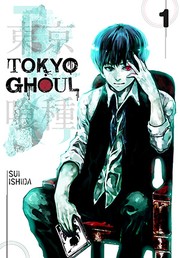
Tokyo Ghoul, Vol. 1
2,438-word summary 11 min read 224 pages in the book
- First published
- 2012
- Publisher
- VIZ Media
- Pages
- 224
- ISBN
- 9781421580364
- Series
- Tokyo Ghoul (#1)
Reading options
What's inside (9 sections)
- The quiet kid who liked the wrong girl
- Waking up hungry in a world that smells like food
- Anteiku, Touka, and the girl who lost her mother
- Doves with steel briefcases
- The Gourmet and the church of bad taste
- Ink, teeth, masks, and why the art exhausts me
- What holds up, what drags, and how the anime compares
- Key takeaways
- FAQ
The quiet kid who liked the wrong girl
I came to this one late, after friends kept telling me it was the horror manga that actually made them feel sick. I am not a big gore reader, so I put it off. Then I found the VIZ Media paperback, 224 pages, and read it in two sittings with the lamp on. What pulled me was not the violence. It was the setup. Ken Kaneki is nineteen, soft spoken, buried in books, living a small student life in Tokyo with his loud friend Hide. He likes to read in coffee shops. He has a crush on a pretty girl who likes the same obscure writer he does. That is the whole trap, and Ishida springs it fast.
The girl is Rize Kamishiro. She seems sweet and a little hungry in a way Kaneki finds charming. They meet at Anteiku, a calm cafe in the 20th ward, and agree to go out. Kaneki walks home floating while Hide teases him. Then Ishida turns the street empty and shows what Rize is. She is a ghoul, one of the hidden eaters who look human and feed on human flesh. Among her own kind she is known as the Binge Eater, reckless and strong. Her date with Kaneki was never a date. It was bait.
The attack is short and ugly. Rize drops the shy act mid sentence, her eye changes, and Kaneki understands only that he is about to die. Then the construction site above them gives way and steel beams crush them both. Kaneki wakes in a hospital learning that doctors moved undamaged organs from the dead girl into him to save him. The dead girl was Rize. From that page on, Kaneki is neither fully human nor fully ghoul, carrying the hunger of the girl who tried to eat him.
Waking up hungry in a world that smells like food
The hospital chapters are the ones that stayed with me. Kaneki goes home and finds that food has turned against him. Rice tastes like ash. A hamburger his friend brings makes him gag. His own kitchen smells wrong. His stomach cramps. He loses weight in days. Then people start to smell good, and that frightens him more than any monster. Ishida draws this stretch in closeups. Kaneki staring at his hands, pressing his face into a pillow, shaking in a bathroom and telling himself he is sick. His new body wants what Rize wanted.
He tries to live normally anyway, going to class and laughing with Hide, then returns to Anteiku because it feels safe. The staff have been watching him. Touka Kirishima, who works the counter, treats him with open contempt. She sees a half starved kid pretending everything is fine. Yoshimura, the old manager, sees something else. He takes Kaneki to the back room and says the plain truth. Kaneki smells like a ghoul now, and the doves will kill him if he wanders. He has to learn how his new body works.
Yoshimura explains the rules simply. Ghouls cannot digest human food. Coffee and water stay down, which is why a coffee shop makes a good front. Human flesh keeps them alive, and the need grows until reason thins out. Every ghoul carries a hidden weapon called a kagune, a red fleshy tail or wing that bursts from the body when they fight. Kaneki has Rize's kagune inside him, which marks him as rare and dangerous. Yoshimura offers a path. Work at Anteiku, take packaged meat from suicides so no one hunts, learn control. Kaneki refuses at first because accepting means admitting he is no longer human. Hunger answers for him, and by the end of the chapter he is on the floor begging for a way to stop the pain without hurting anyone.
Anteiku, Touka, and the girl who lost her mother
Anteiku is the heart of this volume, and Ishida takes his time showing how it runs. From the street it is just a warm cafe with good coffee and cake. Behind the counter it is a shelter. Yoshimura plays the gentle grandfather, but other ghouls speak his name with respect that hints at an older story. Touka is sixteen or seventeen, strong and rude, protective of the shop. She goes to school by day and pours coffee by night, and she hates Kaneki on sight because he reminds her of weakness she has tried to cut out of herself. She calls him out for self pity. He calls her cold. Both are partly right.
Then Ishida brings in Hinami Fueguchi, and the book gets sad in a way the fights never match. Hinami is a young ghoul girl, maybe thirteen, who comes to Anteiku with her mother after her father is killed by investigators. She loves books the way Kaneki does, reading at a table while her mother begs Yoshimura for help. Kaneki sits with her and talks about stories, seeing a lonely bookish kid caught in a war she did not start. When her mother later dies too, Hinami clings to Kaneki and asks why the world works like this. He has no answer. Touka softens around Hinami in a way she never does around Kaneki. Touka guards children and has no patience for adults who wallow.
Work scenes balance the grief. Kaneki learns to carry trays, grind beans, and smile at regulars who have no idea what the staff are. Yoshimura teaches brewing by smell while Touka shows how to spot trouble at the door. A normal customer asks for extra sugar while a ghoul asks for the special menu in code. Ishida keeps these pages calm on purpose. The cafe smells like roasted beans and rain. Then Kaneki steps into the back, opens a packet of gray meat, and has to decide whether to eat. He vomits the first time. The second time he keeps it down and hates himself. The third time he only hates the silence after. That slow change is more disturbing than any fight, because you watch a decent kid rewrite what hunger means.
Doves with steel briefcases
The threat outside the cafe has names and faces, and Ishida cuts to them often. The CCG, the Commission of Counter Ghoul, sends investigators the ghouls call doves. Two of them drive this volume. Kureo Mado is older, twitchy, obsessed to the point of keeping trophies from ghouls he has killed. He talks about his work the way a collector talks about insects. Amon Kotaro is younger, tall, serious, the junior partner who still asks whether every kill is just. They carry quinques, steel weapons built from the kagune of dead ghouls and packed into briefcases. When a quinque opens, it unfolds into a blade or club that can cut ghoul flesh. The detail matters because it tells you the whole war in one image. Humans fight eaters with pieces of eaters.
Mado and Amon start by cleaning up Rize's old hunting grounds. They interview witnesses, map disappearances, and argue about what the Binge Eater was. Mado wants to display her corpse as a lesson while Amon wants to understand why ghouls cluster in the 20th ward. Their scenes play like a cop show dropped into a horror book. They visit the construction site, note the missing body problem, and question cafe owners. Yoshimura serves them coffee with steady hands while Mado sniffs the air and smiles. Those pages made my skin crawl more than the fights, because the killers sit across from the hunted and trade small talk.
Kaneki meets the doves by accident and nearly gets himself killed through politeness. He freezes. Touka drags him away. Yoshimura warns him that kindness reads as guilt to men like Mado. The lesson lands when Nishiki Nishio, an older territorial ghoul secretly dating a human girl, picks a fight with Kaneki in the street. He beats Kaneki badly until Kaneki's kagune bursts out in panic, wild and red, shaped like Rize's. Kaneki wins by luck and shock, then sits shaking in an alley while Touka warns him that control is not optional. Another public flare will lead the doves straight to Anteiku.
The Gourmet and the church of bad taste
Just when Kaneki starts to steady, Ishida introduces the villain who steals the back half of the book. Shuu Tsukiyama calls himself the Gourmet, and he acts like hunger is an art form. He is tall and theatrical, always sniffing the air and talking about flavor notes as if people were wine. He smells something rare on Kaneki, the mix of human and Rize, and decides he must taste it. He invites Kaneki to his gym, spars almost playfully, and studies how he moves. Kaneki thinks he has made a rich new friend. Touka smells perfume and lies and tells him to stay away.
Tsukiyama runs his scheme through a ghoul restaurant hidden under a church, and these chapters are the most grotesque in the volume. Rich ghouls in masks sit at long tables while humans are wheeled out as courses. Kaneki arrives as the guest of honor without knowing it, dressed up and praised for his scent. Then the curtain pulls back and he sees the kitchen truth. Nishiki hangs beaten in a back room. A girl is prepared for slaughter. The guests turn to Kaneki with napkins ready, and Tsukiyama spreads his arms as if offering a gift. Eat with us, he says. Be tasted. It is a horrible mirror of Anteiku. One cafe feeds the hungry so no one dies. This one feeds the bored so killing feels refined.
The rescue that follows is messy in a good way. Touka storms the place in her rabbit mask, tearing through guards while Kaneki freezes at the table. Yoshimura's training holds just enough for Kaneki to move, and he takes a mask of his own, black with teeth. The fight is not clean. Kaneki gets thrown through furniture and bleeds across a white tablecloth while Touka takes hits meant for him. What turns it is not a secret technique but Kaneki accepting the kagune for a few seconds instead of flinching from it. He strikes once, hard, and drives Tsukiyama back. The Gourmet laughs even while bleeding, delighted by the flavor of defeat. That laugh is the scariest panel in the book for me, because it promises he will be back for a second meal.
Ink, teeth, masks, and why the art exhausts me
Ishida's art is the reason this volume works and also the reason it wears you down. He draws with heavy blacks, rough screentone, and fine white lines for rain and hair. Faces are sharp and a little long, with tired eyes and small mouths that make smiles look painful. Ghoul eyes get a black sclera with red iris when the hunger rises, a simple change that reads instantly even in a crowded panel. Kagune look wet and segmented, more insect than ghost, which keeps fights biological instead of pretty. Masks get real attention. Touka's rabbit, Tsukiyama's grin, the pig host, Kaneki's black teeth. Each mask tells you how its owner wants to be seen when eating.
Panel layouts grow denser as tension rises. Early cafe scenes breathe, with wide gaps and small cups of coffee centered for calm. Fight scenes crush panels together, tilt angles, and fill backgrounds with speed lines and black. The Tsukiyama dinner uses long horizontal panels for the tables, so the room feels wide and exposed, then chops into small vertical slices once blades come out. It is skilled work but a lot to parse. I reread the restaurant fight twice because bodies and kagune overlap and hide who stabbed whom. If you like open layouts with clear geography, this will test you. Ishida favors impact over clarity, and several pages made me stop and trace limbs.
There is one more craft choice worth naming. Ishida rarely shows eating directly in these early chapters. He shows the before and the after. A hand reaching. A table wiped clean. Kaneki staring at an empty packet. That restraint makes the horror land harder because your mind fills the act. The VIZ translation keeps dialogue natural, with Hide's jokes intact and Mado's creepiness in short clipped lines. At 224 pages the book moves fast, but the density makes it feel longer than its count. I finished tired, impressed, and a little queasy.
What holds up, what drags, and how the anime compares
The strengths are plain. The transplant idea is simple and cruel, and Ishida follows it everywhere it leads. Food, smell, shame, work, friendship, all of it changes because one surgery crossed a line. Anteiku gives the horror a home base with rules between the alley fights. Mado and Amon give the other side weight, so the doves read as people rather than uniforms. Tsukiyama gives the back half a villain with a voice you can hear. Rize hangs over everything even though she barely appears alive. Every hunger Kaneki feels is hers. Every power he uses reminds him of the girl who picked him as meat. That loop keeps a short volume feeling full.
Fair criticism belongs here too. The art density I praised also clogs. Backgrounds vanish in fights, so streets blur into black. Some side ghouls blend together behind masks. Kaneki spends many pages in self pity, crying about staying human while eating what keeps him alive. By the third bathroom scene I wanted someone to shake him. Touka carries much of the action, and Hide almost disappears after the setup, which wastes a good friend character. The tone is grim without relief. Coffee jokes and Hide's texts help for a page, then another parent dies or another table is set for murder. Readers who want hope or humor should know this volume rations both.
For format and next steps, this VIZ Media edition reads well, with clean retouching and notes kept short. Series order is 1 of Tokyo Ghoul, first released in Japan in 2012, so expect a beginning rather than a full arc. Threads stay open. What Yoshimura was. Why Rize came to the 20th ward. What Mado keeps in his cases. Whether Tsukiyama will return for another tasting. If you watched the anime first, note the difference. The 2014 Pierrot series covers this material early but censors the eating with black bars and shadows, and it rushes cafe life to reach fights. The manga lets hunger sit longer. I prefer the manga for that reason. The anime moves. The book festers, and for horror that is the stronger choice.
FAQ
Who turns Kaneki into a half-ghoul?
Rize Kamishiro attacks him after their date, falling steel beams crush them both, and a surgeon places her organs in him, which leaves him part ghoul.
What is Anteiku?
A coffee shop in the 20th ward run by Yoshimura. It shelters ghouls like Touka and Hinami and finds them food without killing.
Is Tokyo Ghoul, Vol. 1 the start of the series?
Yes. It is book 1 of Tokyo Ghoul by Sui Ishida, first released in Japan in 2012, with this VIZ Media edition running 224 pages.
Similar books
More from Tokyo Ghoul first, then related titles.

Skeleton Crew
King's 1985 collection pairs The Mist with The Jaunt, The Raft, and Survivor Type: 22 stories of Maine dread.
3,209-word summary · 14 min read
Desperation
Travelers on Highway 50 are hauled into empty Desperation, Nevada, where a possessed deputy serves an old thing in the mine.
2,993-word summary · 13 min read
The Tale of the Body Thief
Lestat trades bodies with a psychic thief for one day of mortality and ends up trapped, sick, and hunting his own vampire body.
2,069-word summary · 9 min read

The Only Good Indians
Four Blackfeet men who killed a pregnant elk are hunted by her spirit a decade later, and the only person who can end the cycle is a teenage girl who was not…
2,010-word summary · 9 min read
Lisey's Story
Two years after her novelist husband dies, Lisey Landon follows a trail of clues into his childhood and the other world that made him a writer.
1,998-word summary · 9 min read

Wilder Girls
At a quarantined boarding school off Maine, three girls with strange mutations search for a missing friend and learn what the adults have hidden.
2,594-word summary · 12 min read
Chainsaw Man, Vol. 1: Dog and Chainsaw
A broke teenage devil hunter and his chainsaw dog get a second life, a government leash, and a fight that stops mid-swing in Fujimoto's horror comedy.
2,584-word summary · 11 min read
The Troop
A Boy Scout troop on a Canadian island takes in a stranger who cannot stop eating, and the worm inside him turns a camping trip into a war.
2,457-word summary · 11 min read

Locke & Key, Vol. 1: Welcome to Lovecraft
After their father is murdered, the Locke children move into a haunted family estate where keys unlock doors to ghosts, other places, and dangerous secrets.
2,019-word summary · 9 min read
Lullaby
A reporter discovers that a poem in a children's book kills anyone who hears it, and his attempt to destroy every copy turns into a road trip through grief,…
2,147-word summary · 10 min read
The Zombie Survival Guide: Complete Protection from the Living Dead
Max Brooks's deadpan survival manual explains the Solanum virus, the only ways to destroy the living dead, fortifying a home, and the outbreaks history quietly…
2,650-word summary · 12 min read
The Twelve
The middle volume of the Passage trilogy braids the year America died, a picnic massacre decades earlier, and the survivors' war against the twelve master…
2,089-word summary · 9 min read
Everything's Eventual: 14 Dark Tales
Fourteen Stephen King stories shuffled by the deal of a card deck, from the haunted room of 1408 to quiet tales of grief that sting as much as the monsters.
2,000-word summary · 9 min read
This Present Darkness
A pastor and reporter face demons over Ashton while angels answer prayer.
2,384-word summary · 11 min read
The Day of the Triffids
Blinded survivors flee carnivorous plants after a meteor shower.
2,171-word summary · 10 min read

If It Bleeds
Holly Gibney faces an outsider plus three more tales of dread.
2,219-word summary · 10 min read
Four Past Midnight
Four novellas about a plane lost in time, a writer haunted, and horrors small and large.
2,584-word summary · 11 min read
The Call of Cthulhu and Other Weird Stories
Seventeen tales from Dagon to Innsmouth, led by Cthulhu, the Colour, and the Whisperer, in S. T. Joshi careful Penguin edition with notes and corrected texts.
2,593-word summary · 12 min read
The Call of Cthulhu
A professor's papers link a sculptor's dreams, a Louisiana cult raid, and a sailor's voyage to a sleeping god under the sea.
2,530-word summary · 11 min read
Horns
Accused of killing Merrin Williams, Ig Perrish wakes with horns that force strangers to confess their darkest sins.
2,264-word summary · 10 min read

The Talisman
Twelve-year-old Jack Sawyer flips between America and the Territories to find a Talisman that can save his dying mother.
2,050-word summary · 9 min read
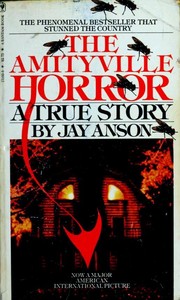
The Amityville Horror
The Lutz family flees 112 Ocean Avenue after 28 days of cold spots, voices, and flies, following DeFeo murders.
2,088-word summary · 9 min read

Revival
Jamie Morton shadows preacher Jacobs from boyhood healings to electric cures that open a door best left shut.
2,037-word summary · 9 min read
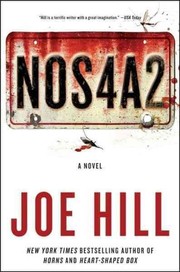
NOS4A2
Vic McQueen's bike finds lost things through a bridge, pitting her against Manx's Rolls-Royce ride to Christmasland.
2,060-word summary · 9 min read
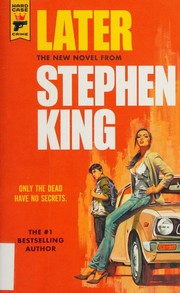
Later
Boy Jamie Conklin sees dead people who must answer truthfully, pulling him into NYPD cases and a drug crew's greed.
2,009-word summary · 9 min read
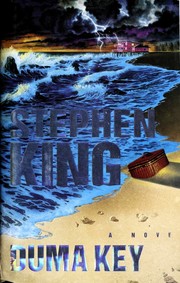
Duma Key
After losing his arm, Edgar Freemantle paints on a Florida island and learns his pictures can open doors for something hungry.
2,530-word summary · 11 min read
The Dark Half
A Maine novelist buries his violent pen name George Stark, then faces murders that carry his own fingerprints.
2,956-word summary · 13 min read
Rosemary's Baby
A young couple's dream apartment in the Bramford turns dark when helpful neighbors and a trusted doctor take over Rosemary's pregnancy.
2,665-word summary · 12 min read
Nowhere Burning
Siblings flee to a burnt ranch commune in the Rockies where old fires still smolder.
2,232-word summary · 10 min read

Heart-Shaped Box
A washed-up rock star buys a haunted suit online and must face the vengeful ghost attached to it.
2,980-word summary · 13 min read