
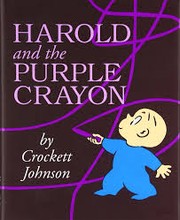
Harold and the Purple Crayon
2,941-word summary 13 min read 64 pages in the book
- First published
- 1955
- Publisher
- Harper & Brothers
- Pages
- 64
- ISBN
- 9780060229351
- Series
- Harold (#1)
Reading options
What's inside (9 sections)
- A moon to walk under and a path to walk on
- One tree, some apples, and a dragon
- Ocean, boat, and a picnic
- A mountain with no other side and a fall
- Windows everywhere, a policeman, and the room he remembers
- Purple on cream and why it still looks new
- What the book is really about and where it drags
- Key takeaways
- FAQ
I picked this one up because a friend with a four year old told me it was the only book that ended bedtime instead of extending it. That sounded like a sales pitch. I was tired enough to try anything.
The copy I found was small in my hands. Smaller than I expected for a book people talk about this much. Crockett Johnson published it in 1955 with Harper and Brothers, 64 pages in the modern hardcover, and you can read the words in about five minutes. I did. Then I sat there longer than five minutes, turning back through pages that have almost nothing on them except a purple line and a small boy.
That is the strange thing about it. There is barely any text. There is barely any picture either, if you count ink. And still kids ask for it again. My friend was right about the bedtime part, at least in her house. The story walks straight toward sleep.
Harold is small. He wears pajamas and carries an oversize crayon. One evening he decides to go for a walk in the moonlight. There is a problem at once. There is no moon out. So he draws one.
That is the whole engine of the book. Harold draws what he needs and then has to live with what he drew.
A moon to walk under and a path to walk on
The moon comes first. Harold puts it in the sky with a few strokes and it stays with him for the rest of the night. I love that Johnson keeps it there in the corner of pages, watching. It gives the walk a companion without adding a character who talks or explains. Harold does not chat with the moon. He just keeps it nearby.
Then he needs ground. So he draws a path. It is a wobbly line at first, the kind a real child would make. He follows it.
If you read this with a kid on your lap, pause here. The path does odd things. It goes straight for a while and then it tips and turns. Harold has to pay attention to where it goes. That sounds simple but it sets the rule for everything after. The crayon helps, but it does not steer by itself. Harold has to keep drawing and keep walking.
There is a small joke in the art already. Harold is drawing the world from inside the world. His feet rest on the line he just made. The moon he made lights the page he is on. Children seem to get this at once. Adults sometimes need a second look.
I think this opening is why teachers keep the book around. It shows making as a kind of walking. You put one line down, you see where it leads, you adjust.
One tree, some apples, and a dragon
Harold does not want to get lost in the woods. So he makes a very small forest. Just one tree in it, he decides. That choice made me laugh out loud. It is practical in the way small children are practical. Why draw a whole forest to get lost in when one tree gives you the idea of forest and lets you keep moving.
Next he finds, or draws, an apple tree. Apples hang on it. He wants to guard them, so he draws a dragon to stand by.
This is where the book turns. The dragon looks scary to Harold himself. His hand shakes. The shaking line slides off the page plan and becomes something else.
I did not expect to feel much tension in a book with this little ink. But I did. Harold made the dragon and now he is afraid of it. He backs away from his own drawing. Anyone who has doodled something at night and then stared at it will recognize the feeling. You meant it to be fun and now it looks back at you wrong.
Johnson does not rescue him fast. Harold steps back and back. The wobble from his shaking hand grows into waves. Before he has a plan, he is over his head in water.
That slide from one mistake into a bigger mess feels true. It is also the pattern for the rest of the night. Harold fixes things by drawing, and each fix opens a new problem. Some grown ups find that pattern thin after many reads. I get it. But for a first time reader, especially a small one, the slide carries a small thrill. Oh no, now what.
Ocean, boat, and a picnic
The ocean section is my favorite to read aloud. Harold thinks fast, the story tells us, and draws a boat. He climbs in. Just like that he is a sailor.
The boat is simple. A curved hull. A little sail. Harold sits in it with his crayon still in hand. The waves around him are just looping purple lines, but they feel big because Harold is so small on the page. I have watched kids grip the book here. They want him safe in the boat.
He sails for a while. The text keeps time vague. Long enough, it suggests. Then he makes land without much trouble. I like that line of calm after the scare. No storm speech. No lesson. Just land.
On land he wants lunch. So he draws a picnic. And here Johnson gives children the detail they repeat back later. Harold draws nine kinds of pie for his picnic. Not sandwiches. Not apples from that guarded tree. Pie, in many flavors. It is the kind of menu only a small child would order, and the book treats it as completely reasonable.
He eats. All of it, we assume. Then he sits in the grass with a full belly and starts to feel the size of the world again. He wants to see where he is. He wants home, though he does not say it quite that way yet.
If you are reading with a child who likes to count or name foods, this is your pause. Let them list what pies they would draw. Mine, when I asked around, included chocolate and strawberry and one child insisted on pickle pie. Harold would approve. The book never says his choices are silly.
A mountain with no other side and a fall
After the picnic Harold draws a mountain. He thinks that from the top he might spot his bedroom window. It is a smart plan for a tired walker. Climb high, look around, find home.
The climb takes a few pages. The mountain rises in a big triangle. Harold goes up with his crayon. He looks down the other side.
There is no other side.
He slips. He falls into thin air.
This is the scariest page for some kids. It got me too, even knowing a picture book would not drop its hero. The fall is just white space. Harold hangs there with nothing under him. Johnson lets the empty page do the work.
Luckily, as the story puts it in plain words, Harold keeps his wits along with his crayon. He draws a hot air balloon to stand in. The balloon catches him. Suddenly he has a view instead of a fall.
I find this beat interesting because it is the first time Harold saves himself in the air rather than on the ground or water. He has drawn paths and boats. Now he draws something that floats. The crayon can do that too. The only limit seems to be whether Harold can keep thinking while scared.
The balloon drifts down toward rooftops. Harold looks for his window from above. He sees houses and windows everywhere. None of them are quite his.
Windows everywhere, a policeman, and the room he remembers
This part runs longer than you would expect, and I think that is on purpose. Harold draws a house with windows. The balloon lands in the yard. He still cannot find his own window. So he draws more. Soon he has drawn a whole city of windows.
Page after page of windows could feel repetitive to an adult. Reading it the third night in a row, a parent might sigh. But for a child learning what home means, the repetition lands. So many windows. Only one is yours. How do you know.
Harold asks a policeman for help. The policeman points the way Harold was already going, or gestures in a way that leaves Harold to decide. Different summaries describe this moment a little differently, and I am not sure every edition words it the same. The shape of it is steady across tellings. A grown up in uniform appears, Harold asks, and the answer sends him back to his own memory rather than giving him a map.
That feels right for the book. No adult draws for him. No adult walks him home. The policeman does not take the crayon and fix the city. Harold has to remember.
What he remembers is small and physical. His window is near his bed. His bed is in his room. So he draws his window, then the room around it, then his bed, then the covers. He gets in. He pulls the covers up.
He falls asleep. The moon, still there from the first page, looks in. Or maybe it just stays in the sky where he left it. Either way the night ends where it should.
When I read this ending to a neighbor kid, she whispered that Harold drew his home because he remembered it. That is exactly it. The crayon did not find home. Memory did. The crayon just let him build what he remembered.
Purple on cream and why it still looks new
The art is almost nothing and almost perfect. A purple line on a cream ground. Harold is a few curves. A round head. A plain body in pajamas. The moon is a circle with a face suggested by almost no marks. Trees and waves and mountains are outlines. There is no color fill except the purple itself and the tone of the paper.
Johnson came from comics. He drew the strip Barnaby starting in the early 1940s, and he worked with his wife Ruth Krauss on books for young children including The Carrot Seed. You can feel the comic training here. Every line has to count. No shading to hide behind. No background wash to set mood. The page turn is the camera move.
The trim size helps too. Modern editions keep it small, roughly sized for a lap and for small hands. It does not feel like a showcase book. It feels like a tool. A child can hold it and turn it and point without help.
Purple matters more than it seems. People who study school supplies point out that purple was among the early colors sold widely for young children in America. It was familiar and a little special at once. Not the ordinary blue or red. Not pink with all its messages. Purple stood out on white paper without looking harsh. Johnson picked the right tool for night. A yellow moon might have glowed too much. A black line might have felt hard. Purple can be moonlight and water and pie crust all at once if you let it.
There is also a long talk about how Harold himself looks on the page and on covers. Scholar Philip Nel wrote in 2024 about printer notes and ink mixes and how Harold read as tan brown in the original printing and then lighter peach in a later reprint. I am not expert enough to settle that from my couch. What I take from it is that children have seen themselves in Harold for years across backgrounds, and that simple line leaves room for that. A less finished face lets more readers move in.
If you want context, Johnson kept going with Harold after 1955. A fairy tale came next. Then a trip to the sky. Then the North Pole and a circus. Then an easy reader about a picture for his room, and later an ABC book. A treasury and later collections gathered them. A posthumous treasure hunt appeared years later. You do not need those to enjoy the first book. But if your child falls for the crayon, you have somewhere to go. The later books keep the same deal. Harold draws, deals with what he drew, finds his way through.
What the book is really about and where it drags
People call this a book about imagination. Sure. But it is more precise than that. It is about agency inside imagination. Harold dreams up nice things and then has to live with them. He makes choices that have effects, gets scared by those effects, and has to make new choices. That loop is the story.
A scholar of early childhood put a fancy phrase to it, something like translucent reality, meaning imagined things act real enough that Harold must answer them. I would say it plainer. When Harold draws waves while scared, he still gets wet. Feelings do not excuse him from the water. He still needs a boat. That is a useful idea for a four year old to meet in a safe place. What you make can surprise you. You can still make the next thing.
It is also a book about control. Harold is tiny in a night world. Adults are mostly absent. The policeman helps for a moment and then steps back. The moon keeps watch but does not steer. Harold decides when to draw and what to draw. For kids who spend most of the day being told where to sit and what to eat, that control feels good. For parents, it can feel a little wistful. Your child will walk off with a crayon one day and you will not be in the picture except as a window left on.
Now the fair criticism, because a 64 page book with maybe 100 words of story should get an honest look.
The plot is thin. Draw a need, meet a snag, draw a fix. Repeat. Adults reading it for the twentieth time may feel the loop more than the wonder. The middle, especially the city of windows, can feel long when you are tired. The picnic and the mountain and the balloon arrive fast and leave fast. If you want character growth in the novel sense, you will not find it. Harold starts resourceful and ends sleepy. That is the arc.
Some readers also wish Harold spoke or thought in a more distinct voice. A scholar named Louise Collins made this point in 2010, saying Harold draws but an adult narrator stays in charge the whole time. I think she has a point about who tells the story. Harold never gets to say much for himself. At the same time, I am not sure the book would work if he chattered. The quiet is part of the night feeling. Still, if your child likes funny voices and back talk, this will feel calmer than they want.
Repetition can also test patience in another way. The fix is always another drawing. Moon, path, tree, dragon, ocean, boat, picnic, mountain, balloon, windows, room, bed. Once you see the trick, you see it coming. Small children often love seeing it coming. They shout what he should draw next. Grown ups sometimes want a twist that never comes. The twist is just home. Which, to be fair, is a good twist for a bedtime book.
I should add a note on age and use, since that is how most people meet this book now. Publishers place it around ages three to seven. Scholastic lists it even younger in some sets, down to two with a grown up. Reading levels put it early, with short sentences and strong picture support. It works well one on one, with the child close enough to trace the line with a finger. It also works in a classroom with a big pad nearby. Read, then draw. What would you make with one crayon. What would you do if your drawing scared you. Those two questions carry a whole morning.
A few practical tips from trial and error. Go slow on the wordless stretches. Let the child find Harold in the waves or in the city. Ask where the moon is on each page. It is there, keeping time. Do not rush the fall. Give it a beat so the balloon feels like relief. On the window pages, let them point to which window might be Harold. They will be wrong and happy about it. End quiet. The last pages want a soft voice. He made his bed. He got in. Covers up. Sleep.
I keep thinking about how little Johnson needed to pull this off. One color. One kid. One night. No villain except a dragon Harold drew himself. No moral speech. Just a walk that gets messy and then gets put back in order by remembering home.
My friend was right. It ends bedtime. Not because it lectures about sleep. Because it walks the wiggles out, lets the scare happen and pass, and lands in bed with the covers drawn up. The moon stays out, in case anyone wants to check.
If your house has a purple crayon, expect it to go missing after. Ours did. We found a moon on the back of a grocery list and a wobbly path leading down the hall. No dragon yet. We are keeping an eye out.
FAQ
When was Harold and the Purple Crayon published?
Crockett Johnson published it in 1955 with Harper and Brothers. The standard modern hardcover runs 64 pages.
What age is Harold and the Purple Crayon for?
It is usually read with children ages three to seven. The sentences are short and the pictures carry most of the story.
Is this the first book in the Harold series?
Yes. It is the first Harold book, followed by titles like Harold's Fairy Tale and Harold's Trip to the Sky.
Similar books
More from Harold first, then related titles.
Don't Let the Pigeon Drive the Bus!
A bus driver leaves the reader in charge with one rule, and a very persuasive pigeon spends the rest of the book trying to break it.
2,084-word summary · 9 min read
Miss Nelson Is Missing!
Room 207 gets kind Miss Nelson, then terrible Viola Swamp instead.
2,597-word summary · 12 min read
Horton Hears a Who!
An elephant protects tiny Whos on a clover while jungle mocks.
2,375-word summary · 11 min read
The Night Before Christmas
A father watches St Nicholas arrive with reindeer on Christmas Eve in classic poem.
1,986-word summary · 9 min read
The Monster at the End of This Book
Grover begs readers not to turn pages for fear of a monster, until the ending reveals himself.
2,061-word summary · 9 min read
Guess How Much I Love You
Two nutbrown hares try to outshow their love at bedtime in this gentle picture book classic.
2,282-word summary · 10 min read
Goodnight Moon
A small bunny says goodnight to each object in the green room in this 1947 bedtime classic.
2,600-word summary · 12 min read
How the Grinch Stole Christmas!
The Grinch steals Who presents and learns Christmas means more than gifts.
2,998-word summary · 13 min read
Make Way for Ducklings
A pair of mallards raise eight ducklings on the Charles River and lead them across Boston to the Public Garden, with a little help from a friendly policeman.
2,044-word summary · 9 min read
Go the Fuck to Sleep
A rhyming bedtime book for adults in which an exhausted father narrates the fourth hour of a toddler's stalling, one profane couplet at a time.
2,291-word summary · 10 min read
Amelia Bedelia
A literal-minded housekeeper follows her employer's list to disastrous and funny effect in the 1963 picture book that made wordplay a children's staple.
2,038-word summary · 9 min read
The Mitten
Jan Brett retells a Ukrainian folktale about a boy, a lost white mitten, and the woodland animals that crowd inside until a bear sneezes.
2,609-word summary · 12 min read
Clifford the Big Red Dog
Emily Elizabeth picks the smallest puppy in the litter, loves him as hard as she can, and wakes up to a dog the size of a house.
2,092-word summary · 9 min read
The Story of Ferdinand
A gentle Spanish bull would rather smell flowers than fight, and when he is taken to the bullring he simply sits down among the flowers in the ladies' hats.
2,135-word summary · 9 min read
Go, Dog. Go!
Dogs drive, work, play, and climb a tree for a party in this Beginner Book built on repetition, opposites, and one very unpopular hat.
2,196-word summary · 10 min read
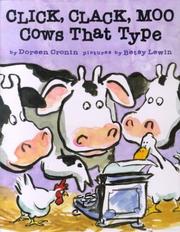
Click, Clack, Moo: Cows That Type
Cows learn to type, demand electric blankets, and go on strike in a deadpan picture book about negotiation and withheld labor.
2,617-word summary · 12 min read
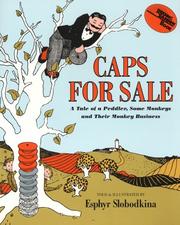
Caps for Sale
A peddler balances his caps on his head, naps under a tree, and wakes to find monkeys wearing his stock in this 1940 picture book.
2,787-word summary · 12 min read
Frog and Toad Are Friends
Five short stories about a cheerful frog and a grumpy toad who need each other for waking up, swimming, and waiting for the mail.
1,969-word summary · 9 min read
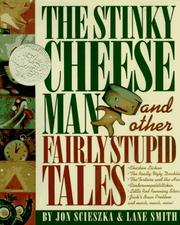
The Stinky Cheese Man and Other Fairly Stupid Tales
Scieszka and Lane Smith take nine fairy tales apart, joke by joke, while Jack, the narrator, keeps losing the pages.
2,206-word summary · 10 min read
The Swiss Family Robinson
Shipwrecked Robinsons build treehouses and tame island beasts.
2,400-word summary · 11 min read
The Snowy Day
Peter in his red snowsuit explores fresh snow, from footprints and angels to a melted pocket snowball, in Keats classic winter day.
2,375-word summary · 11 min read
The Little Engine That Could
Watty Piper follows a stranded toy train past proud engines that refuse, to a small blue switcher who agrees to try the mountain and pulls her chanting load…
2,311-word summary · 10 min read
Stellaluna
A baby fruit bat falls into a bird nest, learns to perch and eat bugs, then reunites with her mother in Cannon's acclaimed 1993 picture book about difference…
2,486-word summary · 11 min read
Curious George
Curious George retold: a monkey sails from Africa to the city, phones the fire station, floats off on balloons, and finds home.
2,979-word summary · 13 min read
Cloudy with a Chance of Meatballs
A grandfather tells of Chewandswallow, where soup rains and meatballs fall, until giant food storms force everyone to flee.
2,873-word summary · 13 min read
Chicka Chicka Boom Boom
Letters race up a coconut tree, tumble down with a boom, then climb again with help in this chant classic.
2,120-word summary · 9 min read
Brown Bear, Brown Bear, What Do You See?
A rhythmic animal parade teaches colors and names, from brown bear to schoolchildren.
3,226-word summary · 14 min read
True Story of the Three Little Pigs
A. Wolf tells his side from the Pig Pen: he only wanted sugar for a cake, had a bad cold, and sneezed. You decide.
2,975-word summary · 13 min read
Alexander and the Terrible, Horrible, No Good, Very Bad Day
Alexander has one bad day from gum in his hair to bedtime, while his family copes and his mother stays honest.
2,548-word summary · 11 min read
The Wind in the Willows
Mole, Rat, Badger, and Toad mess about in boats, lose themselves in the Wild Wood, and retake Toad Hall.
2,033-word summary · 9 min read