
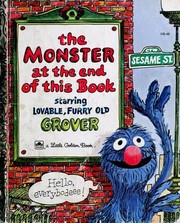
The Monster at the End of This Book
2,061-word summary 9 min read 24 pages in the book
- First published
- 1971
- Publisher
- Little Golden Books
- Pages
- 24
- ISBN
- 9780307010858
Reading options
What's inside (7 sections)
I have read The Monster at the End of This Book more times than any novel on this site, because toddlers demand repeats and because it still makes me laugh. Jon Stone, the first head writer for Sesame Street and one of the show principal directors and producers for over 24 years, wrote it. Michael Smollin illustrated it. Little Golden Books first published it in 1971. The standard edition runs 24 pages with ISBN 9780307010858. It stars Grover, lovable, furry old Grover, who learns there is a monster at the end and begs you not to turn pages. I first met it as a kid, then again as a parent, then again as someone who writes about books. It holds up all three times.
The plot fits in one sentence, which is its genius. Grover hears there is a monster at the end of this book. He does not want to meet it. He asks readers not to turn pages. Readers turn pages anyway. He tries to stop them. At the end, the monster is Grover himself, which embarrasses and delights him. Oh, I am so embarrassed, he says. End.
What happens between is pure interaction. Grover talks directly to you from page one. Please do not turn the page. You turn. He ties pages with rope. You break through. He builds a brick wall. You turn past it. He nails boards. You keep going. Each barrier is bigger and sillier. Smollin draws Grover straining, sweating, pleading with big eyes while the wall already has a hole shaped like a turned page. Toddlers shout, turn, turn. Adults reading out loud get to act panic, which kids love.
Why Grover works
Grover is the perfect host for this joke because he is anxious and brave at once. He is scared of the monster but stays in the book to warn you. He never leaves. He tries harder each time even as he fails. Kids recognize that feeling, scared but responsible. They also recognize his logic, which is kid logic. If I tie the page, you cannot turn it. If I build a wall on the page, you cannot pass. It makes sense until an adult hand turns anyway, which proves grownups break rules too.
His language is simple and repeatable. Do not turn the page. There is a monster at the end of this book. Oh, I am so afraid. Phrases return with small changes so pre readers can chant along. My daughter at three could do Grover voice before she knew letters. That participation is early literacy. Predicting, chiming, pointing. Teachers use the book for print concepts, left to right, front to back, because Grover names pages. It teaches without announcing.
Smollin art carries half the comedy. Grover is blue, round, with ping pong eyes that slide toward the page edge as you turn. His rope is lopsided. His bricks are crooked. His nails bend. Each plan looks doomed before you turn, which invites turning. Backgrounds stay plain, cream and simple, so focus stays on Grover and barriers. When the wall falls, dust spells nothing, just puffs. When boards break, Grover holds two nails and looks betrayed. The final reveal, Grover blushing and grinning with arms out, is iconic because it is just him, no wall, no rope.
Reading tips from many repeats. Let the child turn pages, even if they rip a little. Pause before each barrier and ask, should we. They will shout yes. Do Grover panic higher each time, then drop to whisper on the last page before the reveal. On the reveal, act surprised even though you both know. Kids correct you if you fake it wrong, which is part of fun.
Fear, bravery, and control
For a 24 page joke, the book says a lot about fear. Grover fear is specific. Not of dark, not of monsters generally, of the monster in this book. He heard about it. He believes the rumor. He tries avoidance, then control, then pleading. None work because readers control pages, not him. That power flip delights toddlers who control little. They get to be bigger than Grover. They get to be kind about it too. Most kids pat Grover at the end or say, it is just you.
It also models brave behavior. Grover stays. He does not run out of the book. He faces the end with you. When the monster is himself, he laughs at himself without shame spiral. Oh, I am so embarrassed becomes oh, it is okay. That shift matters. Kids learn you can be wrong about fear and still be lovable. Parents learn to let kids feel fear in safe play. Turning pages when scared, in a book, practices turning toward hard things later.
The book handles control gently. Toddlers live with little control. Bedtime, food, car seats. Here they control the story. Grover begs. They decide. That feels powerful and safe because an adult holds the book and keeps rhythm. If a child gets truly scared, you can stop, close, hug. Most do not. They giggle harder as barriers grow because they know the pattern. Anticipation replaces dread. That is the book teaching emotional regulation without naming it.
There is also a lesson about rumors. Someone told Grover a monster waits. He believed without checking. He spent the whole book fighting the check. At the end he checks and finds himself. Kids will not state the moral, but they live it. Look before you wail. Adults can name it later during calm moments, not mid giggle.
History and versions
A little history helps adults appreciate it. Stone reportedly wrote it around late 1970 or early 1971 on a flight, when Sesame Street was in its second season. Little Golden Books published it in 1971 for 39 cents. It became the bestselling Sesame Street title ever and a modern classic of children literature. Stone stayed with the show for decades. He died in 1997. Smollin, a former advertising executive, gave Grover the worried charm that TV puppets could not fully show on flat pages.
Versions confuse buyers, so here is the practical guide. The classic Little Golden Book edition, 24 pages, ISBN 9780307010858, Golden Books, is the one most families want. Sturdy, cheap, fits small hands. There is also a Big Little Golden Book, 32 pages, ISBN 9780375929137, larger for lap reading. Board book versions exist for babies who chew, shorter and tougher. Sound book versions with play buttons exist for car rides. All tell the same joke. For first purchase, get the 24 page Little Golden Book. It lies flat, turns easy, survives drops.
Sequels exist. Would You Like to Play Hide and Seek with Lovable, Furry Old Grover from 1976, and Another Monster at the End of This Book with Elmo from 1996, also by Stone and Smollin. Both are fun. Neither tops the original because the original joke is perfect and first. If your child loves Elmo more than Grover, get the second too. Elmo encourages turning while Grover despairs, which doubles the comedy.
Awards and lists back its status. It appears on teacher top 100 picture book lists, library favorites, and nostalgia polls where adults name it as their favorite childhood book. That crossover, loved by toddlers and remembered by adults, is rare. Most picture books age out. This one ages with you because you read it differently at three, at thirteen babysitting, at thirty as a parent.
How we use it at home
At our house the book lives on a low shelf, spine cracked. We use it for bedtime when energy is high and we need a wind down that still allows silliness. We read it straight through once, then again with the child as Grover, begging us not to turn. Role swap teaches empathy fast. When you beg and someone turns anyway, you feel Grover flash of outrage and then laugh.
We also use it for new situations. Doctor visits, first day of school, loud vacuum. We say, remember Grover thought there was a monster and it was just him. It does not fix fear, but it gives language. I was scared like Grover. I checked. It was okay. Preschool teachers tell me they use it the same way before fire drills.
Care tips. Tape the rope page early because little fingers pull. Do not quiz during first reads. Let chanting happen. After five reads, point to words as you read to build print awareness. Ask, where is Grover now, to build location words. Keep it joyful. If you turn it into a lesson, the joke dies.
Fair criticism is short because the book is short. At 24 pages the joke is thin for older kids. Ages three to seven is right. Eight year olds will find it babyish unless reading to younger siblings, which they often love. The gender is dated, Grover as he, monsters as him, which reflects 1971. Modern families can note it and move on. The book has no real plot twist for adults, which is fine, it is not for adults alone.
Some parents worry it teaches disobedience, Grover says stop and kids go. That misses the design. The book invites disobedience as play. Real boundaries, street, stove, stay firm. Story boundaries bend. Kids know the difference when adults keep real rules steady. If your child tests stop in real life after reading, practice stop games separately. Red light, green light works.
I love that the site, full of long novels, makes room for this tiny book. It reminds me summaries are not only about plot. They are about use. This book is used to fall asleep laughing, to practice bravery, to learn pages turn. Grover begs, we turn, he blushes, we hug. Twenty four pages, fifty years, still working.
Reading it a hundred times without losing joy
Anyone who lives with toddlers knows the test of a picture book is repeat 87. Does it survive. This one does because it gives the adult a part to play. Grover panic is fun to perform. You can start calm, then worried, then frantic, then relieved. Kids direct you. Louder, they say. More scared. They correct your Grover voice, which makes them feel expert. My Grover started as generic worry and ended as a specific neighbor who always loses keys. Kids loved the upgrade.
The book also survives because it is short enough to read twice in a row, which toddlers demand. Two reads take six minutes. You can do two and then say, Grover needs rest, without guilt. Longer classics force bargaining. This one fits bedtime when everyone is tired. It ends happy, which helps sleep. No cliffhanger keeps small minds buzzing. Just a blushing Grover and a hug.
We invented games around it to stretch play. Find the rope on each page after first read. Count bricks. Count nails. Spot where Grover eyes look. Act out building a wall with pillows. Draw our own monster at the end, which is always someone we love. A grandma monster. A cat monster. These extensions build language and drawing without worksheets. Teachers do similar with barrier words, tie, nail, build, and with feeling words, afraid, brave, embarrassed, proud.
For new parents worried about doing voices right, there is no right. Grover can be high, low, fast, slow. The key is to pause before turning. Let the child say turn or do it themselves. That pause builds anticipation, which is pre reading skill. It also builds consent in play. You ask, should we, they answer, you follow. Even in silliness, you model listening.
One more practical note. Little hands tear tied pages because they pull where Grover tied. Tape those pages on day one with clear tape. Board book versions solve tearing but lose some art size. We keep a paper copy for lap and a board copy for bags. Both get love. Both cost less than coffee. Libraries always have copies because it never stays on shelves long. If yours is missing, ask. Librarians light up when you ask for Grover.
If you buy one copy, get ISBN 9780307010858, Little Golden Books, 24 pages, ages three to seven. Read it silly. Let them turn. Be embarrassed with Grover at the end. You are the monster too, the loving monster who kept turning to reach the hug.
FAQ
When was The Monster at the End of This Book published?
Little Golden Books first published it in 1971. The standard edition runs 24 pages with ISBN 9780307010858.
Is it part of a series?
Yes. It belongs to Sesame Street and Little Golden Book books, with sequels like Another Monster at the End.
What age is it for?
Ages 3 to 7 fits best. There is playful fear, page turning games, and a gentle self acceptance ending.
Similar books
Miss Nelson Is Missing!
Room 207 gets kind Miss Nelson, then terrible Viola Swamp instead.
2,597-word summary · 12 min read
Amelia Bedelia
A literal-minded housekeeper follows her employer's list to disastrous and funny effect in the 1963 picture book that made wordplay a children's staple.
2,038-word summary · 9 min read
Click, Clack, Moo: Cows That Type
Cows learn to type, demand electric blankets, and go on strike in a deadpan picture book about negotiation and withheld labor.
2,617-word summary · 12 min read
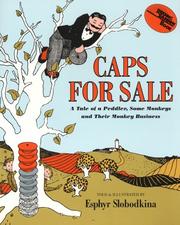
Caps for Sale
A peddler balances his caps on his head, naps under a tree, and wakes to find monkeys wearing his stock in this 1940 picture book.
2,787-word summary · 12 min read
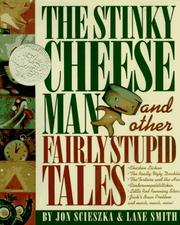
The Stinky Cheese Man and Other Fairly Stupid Tales
Scieszka and Lane Smith take nine fairy tales apart, joke by joke, while Jack, the narrator, keeps losing the pages.
2,206-word summary · 10 min read
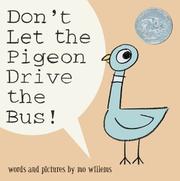
Don't Let the Pigeon Drive the Bus!
A bus driver leaves the reader in charge with one rule, and a very persuasive pigeon spends the rest of the book trying to break it.
2,084-word summary · 9 min read
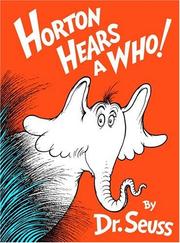
Horton Hears a Who!
An elephant protects tiny Whos on a clover while jungle mocks.
2,375-word summary · 11 min read
The Night Before Christmas
A father watches St Nicholas arrive with reindeer on Christmas Eve in classic poem.
1,986-word summary · 9 min read
Harold and the Purple Crayon
Harold draws a moon and a path with one purple crayon and walks into the night, through woods and water until he finds his way home.
2,941-word summary · 13 min read
Curious George
Curious George retold: a monkey sails from Africa to the city, phones the fire station, floats off on balloons, and finds home.
2,979-word summary · 13 min read
Madeline
Ludwig Bemelmans's 1939 Madeline: the twelve girls in Paris, Miss Clavel, the midnight appendix scare, and why the smallest girl became a classic.
2,944-word summary · 13 min read
If You Give a Mouse a Cookie
A mouse gets a cookie and turns one small favor into a whole busy day.
2,560-word summary · 11 min read
Witches
Colin Hawkins's rhyming picture book teaches small readers to spot witches, flaps and all.
2,783-word summary · 12 min read
How the Grinch Stole Christmas!
The Grinch steals Who presents and learns Christmas means more than gifts.
2,998-word summary · 13 min read
The Cat in the Hat
A tall Cat turns a rainy day upside down for Sally and her brother, with Thing One and Thing Two in tow.
2,546-word summary · 11 min read
Strega Nona
A village witch doctor hires a boy who does not listen, and the pasta pot he was told not to touch floods Calabria with noodles he cannot stop.
2,587-word summary · 11 min read
Make Way for Ducklings
A pair of mallards raise eight ducklings on the Charles River and lead them across Boston to the Public Garden, with a little help from a friendly policeman.
2,044-word summary · 9 min read
Go the Fuck to Sleep
A rhyming bedtime book for adults in which an exhausted father narrates the fourth hour of a toddler's stalling, one profane couplet at a time.
2,291-word summary · 10 min read

Hard Luck
Rowley has a girlfriend, so Greg turns to a Magic 8 Ball, a family Easter hunt and the school yearbook for answers.
2,586-word summary · 11 min read
The Mitten
Jan Brett retells a Ukrainian folktale about a boy, a lost white mitten, and the woodland animals that crowd inside until a bear sneezes.
2,609-word summary · 12 min read
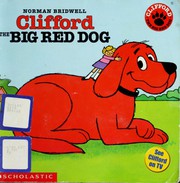
Clifford the Big Red Dog
Emily Elizabeth picks the smallest puppy in the litter, loves him as hard as she can, and wakes up to a dog the size of a house.
2,092-word summary · 9 min read
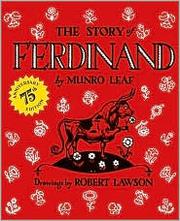
The Story of Ferdinand
A gentle Spanish bull would rather smell flowers than fight, and when he is taken to the bullring he simply sits down among the flowers in the ladies' hats.
2,135-word summary · 9 min read
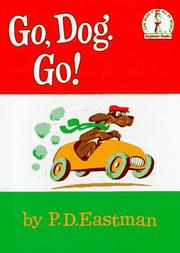
Go, Dog. Go!
Dogs drive, work, play, and climb a tree for a party in this Beginner Book built on repetition, opposites, and one very unpopular hat.
2,196-word summary · 10 min read
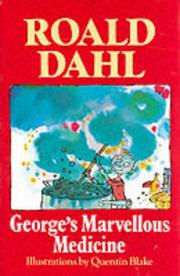
George's Marvellous Medicine
George stirs a brew of dozens of household chemicals and gives it to his grumpy grandmother, and the medicine works far better than anyone planned.
2,014-word summary · 9 min read
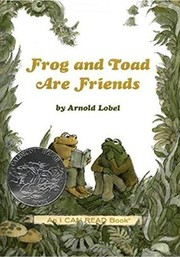
Frog and Toad Are Friends
Five short stories about a cheerful frog and a grumpy toad who need each other for waking up, swimming, and waiting for the mail.
1,969-word summary · 9 min read
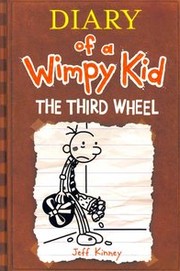
The Third Wheel
Greg tries to find a date for the Valentine's dance, ends up the third wheel in his own plan, and watches Rowley get the girl.
2,019-word summary · 9 min read
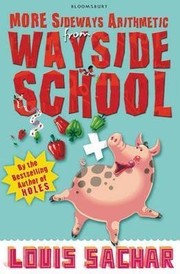
Sideways Stories from Wayside School
Thirty stories, one class per floor, and a teacher who turns students into apples: Louis Sachar's absurd school classic.
2,045-word summary · 9 min read
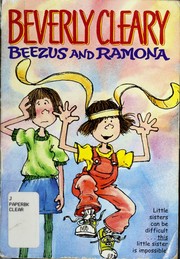
Beezus and Ramona
Nine year old Beezus tries to be a good older sister while four year old Ramona turns every ordinary day into a disaster, until a tenth birthday forces honesty.
2,062-word summary · 9 min read
The Swiss Family Robinson
Shipwrecked Robinsons build treehouses and tame island beasts.
2,400-word summary · 11 min read
The Penultimate Peril
Baudelaires as concierges in a hotel sort friends from foes before the end.
2,234-word summary · 10 min read