
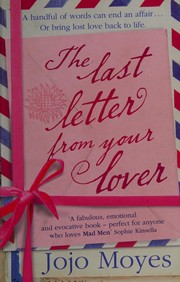
The Last Letter from Your Lover
2,506-word summary 11 min read 512 pages in the book
- First published
- 2010
- Publisher
- Hodder & Stoughton
- Pages
- 512
- ISBN
- 9780340961643
Reading options
What's inside (7 sections)
I came to The Last Letter from Your Lover after loving and arguing with Me Before You. I wanted to see what Moyes does with a wider canvas. The book was first published in 2010 by Hodder and Stoughton and runs 512 pages in the Hodder paperback. It tells two love stories forty years apart. In the early 1960s, Jennifer Stirling, a wealthy young wife, loses part of her memory after a car crash and finds letters from a lover she cannot fully recall. In the present, Ellie Haworth, a journalist in London, finds one of those letters misfiled in a newspaper archive and starts hunting for what happened. I read it slowly over four evenings and kept thinking about how much a few pages of handwriting can change a life.
The setup sounds like a puzzle, but Moyes plays it as character first. Jennifer wakes in hospital with a blank where her recent past should be. Her husband Laurence is successful, controlled, polite in a way that feels cold at the bedside. Friends visit with grapes and gossip. Doctors speak of rest. Home is large, quiet, and full of rules she does not remember agreeing to. Then she finds a letter hidden in a drawer, signed with an initial, asking her to leave her husband. The writing is urgent and tender. She hides it in her sleeve and reads it twice in the bathroom. That small act of secrecy tells you more than any medical report. Some part of her knows this letter matters.
Ellie enters much later in time but with a parallel ache. She works for a London paper, writes features, drinks too much coffee, answers emails at midnight. She recently split from a long term boyfriend and now sees a married man who texts when he can and cancels when he cannot. She tells herself it is casual. It is not. Sent to write a piece about a dead editor, she charms her way past Rory, a shy archivist who guards boxes like a tired gatekeeper, and starts opening folders. Inside one, among memos and proofs, sits a love letter from the 1960s to someone called J from someone called Boot. The language floors her. She copies lines into her notebook and misses her deadline by an hour because she keeps rereading.
Jennifer Wakes Up
Moyes spends careful time on Jennifer's return home. The house has staff, flowers changed on schedule, a drinks tray that appears at six. Laurence works long hours and expects order. He corrects Jennifer gently when she forgets names. He tells her not to worry about letters or bills. He hires help so she can rest. On paper he looks caring. In person he feels like a man managing risk. Jennifer tries to be grateful. She smiles at dinners. She wears the dresses laid out for her. She feels watched in a way she cannot prove.
Memory comes back in flashes rather than floods. A song on the radio makes her cry. A street near Postman's Park in London feels familiar under her shoes. A man's laugh in a restaurant makes her turn too fast. Moyes writes those moments well, with physical detail. Head pain. Nausea on stairs. Hands shaking while pouring tea. Jennifer starts searching the house when Laurence is out. She finds more notes tucked inside books and coat pockets. She finds a postal box in her own name that was closed without her consent. Each find steadies her and scares her. Someone wanted her to forget.
Laurence is not a cartoon. That matters. He is an industrialist who built standing through work and manners. He loves Jennifer in a possessive way shaped by the era. Divorce would shame them both. A wife who writes to another man would ruin him at his club and at the bank. He tells himself hiding letters protects her while she heals. He tells friends her nerves are fragile. He keeps her schedule full so she has less time to wonder. I found him chilling precisely because he stays calm. He never shouts. He moves papers from one drawer to another and calls it care.
Jennifer's friend circle adds pressure. Women in gloves ask how she feels and listen for slips. A mother figure warns her to rest and be thankful. Servants notice more than they say. One maid leaves a coat where a letter can be found, or so Jennifer suspects. These small kindnesses keep Jennifer going. Without them the house would close over her like water. Moyes is good at showing how wealth isolates. Money buys doctors and quiet, but it also buys silence from people who depend on pay.
Boot and J on the Riviera
The heart of the book looks back to before the crash, to a summer on the French Riviera. Laurence brings Jennifer along for business mixed with holiday. They stay somewhere bright with terraces, sea views, long lunches. Anthony O'Hare arrives to interview Laurence about his success. He is a foreign correspondent, Irish in manner, quick, a little rough around the edges for this crowd. At dinner Laurence talks down to both Jennifer and Anthony, correcting facts and ordering wine without asking. Anthony drinks too much afterward and complains to another guest about the awful company. Jennifer overhears.
What follows is my favorite stretch. Anthony returns in the morning with a written apology and Jennifer makes him read it aloud on the steps, which he does with bad grace and humor. He invites them to lunch. Laurence gets called away on business, leaving Jennifer and Anthony to fill hot afternoons. They swim, drive to small towns, argue about books and politics. They start writing letters even while in the same place, signing as J and Boot. The nickname sounds silly until you see how free it lets them be. On paper they say things they avoid face to face.
Moyes lets the affair build through restraint. Jennifer tries to kiss Anthony once and he pulls back, afraid of ruining her. She runs off humiliated. Days pass. Then a letter arrives proposing a meeting at Postman's Park in London, that small green space with memorials to ordinary heroes. She goes. From there they steal time between his assignments and her duties. Hotel lobbies. Phone boxes. Trains. Anthony asks her to run away with him to New York, where he has work and where no one knows their names. Jennifer hesitates. Leaving means scandal, losing friends, hurting parents, risking custody of any future children in a legal system that favors husbands. Staying means a life of lunches where she feels invisible.
The writing in these chapters has color without turning travelogue. Market stalls. Salt on skin. A dress bought in a hurry. A meal where they laugh too loud and get stared at. Anthony's letters carry the heat. He writes about waiting, about fear, about how ordinary rooms feel charged when she is near. Jennifer keeps them folded small enough to hide in a purse lining. I believed in them as a couple because they talk like friends first. He asks about her childhood. She asks about his war reporting. Desire grows out of attention, which makes later loss hurt more.
The Crash and the Hidden Letters
The turn is brutal and simple. On the night she plans to meet Anthony at a train station and leave, Jennifer rushes through rain and her car crashes. She wakes with a head injury and partial amnesia. Anthony waits, hears nothing, boards with a hollow feeling, and tells himself she chose comfort over love. He does not know about the crash for a long time. Distance does the rest. No phones in pockets. No easy way to check. Pride keeps him from writing again at first. Work sends him elsewhere.
Six months later Jennifer lives in a fog that lifts only at edges. Laurence hides the last letter Anthony sent, hoping the affair stays buried. He tells Jennifer that Anthony died, or lets her assume absence means death. The lie works because Jennifer has no counter proof. She feels lost and guilty without knowing why. Then hidden letters surface. One behind a drawer. One inside a winter coat. The postal box clue leads her to ask questions at a counter where a clerk looks away. Confrontation with Laurence goes badly. He claims he acted to save their marriage. She hears fear under his logic and hates that part of her still wants peace at any price.
Four years on, chance does what letters could not. Jennifer bumps into Anthony in London and memory snaps back hard. They talk in a cafe with cups going cold. He begs her to leave with him. She says no because she now has a small daughter and fears courts would call her unfit and hand sole care to Laurence. The scene aches because both have valid points. Anthony sees a woman caged by threats. Jennifer sees a mother protecting a child from scandal and loss. They part with more pain than before, which felt true to life. Reunion does not fix power.
Laurence then shows his hardest edge. When Jennifer says she will stay only for their daughter and will leave if mistreated, he warns he will ruin her name and seek sole custody, counting on judges to side with a rich husband over a wife seen as unfaithful. Moyes does not soften this. It reads as control dressed as law. Jennifer flees with her daughter to find Anthony, only to learn he checked out of his hotel. At his paper an editor says he already left town. Forced back to Laurence, Jennifer hands over a bundle of love letters to the editor with a plea to forward them if Anthony ever makes contact. That bundle becomes the thread Ellie finds decades later.
Ellie in the Archive
Ellie's search gives the book its forward drive. She is not a detective by trade. She coaxes Rory with tea and jokes, stays late, sneezes in dusty stacks. Rory is careful, funny in dry bursts, protective of fragile paper. He knows where misfiles go to die. Together they trace initials, dates, addresses. A lunch receipt. A hotel register. A phone number crossed out. Ellie writes updates to her editor that sound confident and feels anything but. Her own love life bleeds into the work. She compares Anthony's plain devotion to the thin texts she gets from her married lover. The contrast embarrasses her into honesty.
I liked Ellie more than I expected to. She could have been a device to deliver old letters. Instead she has bills, deadlines, a flatmate who steals milk, a mother who calls at bad times. She breaks up and backslides. She spends a night with Rory and then pulls away, afraid to want someone kind after wanting someone unavailable. Moyes lets her be competent at work and messy at home without punishing her for either. Her voice is drier than Jennifer's sections, with newsroom jokes and short paragraphs that move fast.
Rory earns his place too. He is not a makeover project. He likes order, knows paper, blushes when Ellie teases him. He tells her when to stop pushing an elderly source. He makes her eat before late searches. Their romance grows through shared tasks rather than speeches. Finding a date stamp together feels intimate. Watching an old film reel in silence feels like a date. When Ellie learns Jennifer and Anthony are both alive, old and living with separate regrets, she has to decide whether to intrude. Rory helps her weigh it. Curiosity must answer to care.
The final moves link past and present without forcing neatness. Ellie speaks to both Jennifer and Anthony, hears how loss shaped them, and decides not to live with the same kind of regret. She chooses Rory with clearer eyes. She also nudges Anthony to write Jennifer one last letter and to ask for a meeting at Postman's Park, the place that started their London story. Ellie and Rory watch from a distance as two older people meet under trees. It is sentimental, yes, and Moyes knows it. She keeps the scene short and lets weather and posture do the work. I felt moved even while noticing the staging.
What Holds and What Frays
What holds is Moyes on love under constraint. She writes marriage as economics and reputation, not only feeling. Laurence can threaten custody because law and money back him. Jennifer can love Anthony fully yet stay because a daughter's safety outweighs romance. Ellie can see the pattern across decades and still struggle to leave a man who only calls on certain nights. Those parallels give the book spine. Letters matter because in 1960 they were proof and risk at once. A kept letter could end a marriage. A lost letter could end a future.
Moyes also writes place with ease. Riviera heat, London fog, newsroom clutter, archive chill. Clothes, food, trains, phones, all placed without lectures. The inclusion of real last letters between chapters, short notes from ordinary people, adds ache. Some readers may skim them. I read each one and felt the main story widen. Love looks less rare and more various when you see many hands writing at night.
Criticism is fair here. The middle sags when Ellie repeats the same archive steps. A few discoveries depend on luck and kind clerks. Laurence stays a little too smooth for too long, which delays confrontation readers want. The adultery frame will trouble some readers. Anthony and Jennifer lie to many people, and the book asks us to root for them anyway. Moyes makes the case through Laurence's cold control and through genuine tenderness, but she does not fully face the hurt to others. Friends lose trust. Families split. Those costs get less space than longing.
The modern thread also feels thinner than the past. Ellie's married lover is sketched more than drawn. Rory's backstory stays light. Their happy turn arrives quickly after long hesitation. Readers who prefer Jennifer's high stakes may skim Ellie pages to get back to 1960. I felt that pull myself around the two thirds mark. Yet Ellie's ordinariness is the point. Most of us will not face Riviera choices. We face late texts and small courage. Her decision to choose steady care over sweet excuses lands because it is small and repeated, not grand.
Who should pick this up. Readers who enjoy dual timelines, letters, and romance with social detail will find plenty. Fans of historical fiction set in the 1960s, stories about memory, and newspaper worlds should try it. Readers who want fast pace or dislike infidelity as a central engine should skip or borrow first. The book runs long and asks patience for archives and house scenes. I closed it thinking of Jennifer keeping paper against her skin and Ellie learning to ask for more. Sentimental in places, sharp in others, and worth the hours for anyone who keeps old letters in a drawer.
FAQ
When was The Last Letter from Your Lover published?
It was first published in 2010 by Hodder and Stoughton. The Hodder paperback runs 512 pages and the summary follows that text.
Who are J and Boot in the letters?
J is Jennifer Stirling, a wealthy wife with memory loss. Boot is Anthony O'Hare, a foreign correspondent who asks her to leave with him.
Is there a film of The Last Letter from Your Lover?
A 2021 film for Netflix starring Felicity Jones and Shailene Woodley follows the same two timelines. The book gives more archive and house detail.
Similar books

The Shadow Sister
Star D'Apliese steps out of her sister's shadow and follows a bookshop clue into the Edwardian life of Flora MacNichol, a woman who gave up love for duty.
2,260-word summary · 10 min read
The Storyteller's Secret
A New York journalist goes to India to learn why her grandmother loved a British officer, and why a family servant kept the truth for forty years.
2,270-word summary · 10 min read
The Keeper of Happy Endings
Barbara Davis's 2021 standalone braids a Paris dressmaker's wartime losses with a grieving Boston artist who unlocks her family's secrets through an old row…
2,437-word summary · 11 min read
The Things We Leave Unfinished
Georgia Stanton and Noah Harrison finish Scarlett's last novel while her WWII romance with pilot Jameson unfolds in letters. A dual timeline story of grief,…
2,565-word summary · 11 min read
The Girl You Left Behind
Two women a century apart fight for what they love, joined by a portrait painted in wartime France and claimed in modern London.
2,613-word summary · 12 min read
The Giver of Stars
Alice Wright joins Kentucky packhorse librarians with Margery and faces marriage strain and a murder trial.
3,439-word summary · 15 min read
The Stationery Shop
Two teenagers fall in love in a Tehran stationery shop in 1953, are separated by the coup and a family deception, and meet again sixty years later.
2,024-word summary · 9 min read

The Japanese Lover
A Polish refugee and the son of a Japanese gardener fall in love in San Francisco in 1939, then keep the affair secret for nearly seventy years.
2,286-word summary · 10 min read

Anatomy: A Love Story
In 1817 Edinburgh, a noblewoman who wants to be a surgeon disguises herself to study anatomy and falls for the grave robber who supplies her with bodies.
2,031-word summary · 9 min read

The Valley of Horses
Exiled from the Clan, Ayla survives alone in a hidden valley, tames a horse and a cave lion, and nurses a wounded stranger back to life.
2,311-word summary · 10 min read
The Echo of Old Books
Barbara Davis's 2023 novel sends a rare-book dealer in 1984 New Hampshire hunting for the authors of two unpublished volumes that tell opposite sides of one…
2,491-word summary · 11 min read

Origins
Stefan's diary of 1864 and 1888: how he and Damon fell for Katherine, became vampires, and went looking for a killer in London.
2,056-word summary · 9 min read
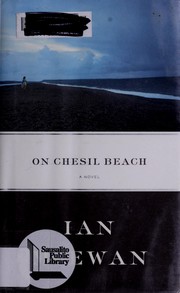
On Chesil Beach
Two newlyweds spend one terrible night on Chesil Beach in 1962, and the rest of their lives is decided by it.
2,456-word summary · 11 min read
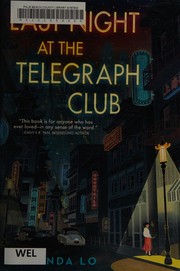
Last Night at the Telegraph Club
The 2021 National Book Award winner follows Lily Hu, a Chinese American teenager in 1954 San Francisco, as she falls for Kath and learns what it costs to be…
2,336-word summary · 10 min read

Ivanhoe
A disinherited Saxon knight, a great tournament, a besieged castle and a trial by combat. Scott's most famous novel, set in England in 1194.
2,834-word summary · 13 min read
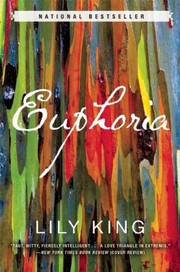
Euphoria
Three anthropologists in 1930s New Guinea turn fieldwork into a love triangle, and a real history breathes behind them.
2,048-word summary · 9 min read
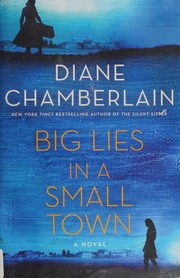
Big Lies in a Small Town
A 22-year-old woman leaves prison to restore a 1940 mural, and Edenton, North Carolina, starts talking.
2,187-word summary · 10 min read
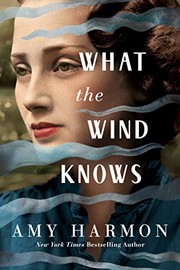
What the Wind Knows
Annie scatters her grandfather's ashes on Lough Gill and is pulled into 1921 Ireland, where she becomes the missing Anne Gallagher and falls for Dr. Thomas…
2,056-word summary · 9 min read
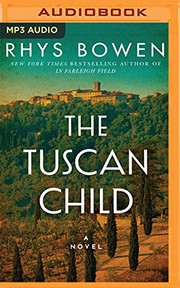
The Tuscan Child
After her father's death, Joanna follows a returned letter to Tuscany and uncovers his wartime love, a hidden painting and a village secret. A dual-timeline…
2,095-word summary · 9 min read
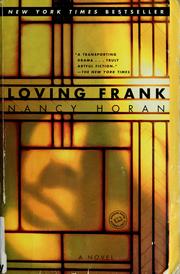
Loving Frank
Mamah Borthwick Cheney leaves her family for Frank Lloyd Wright, and their affair becomes a public scandal that ends in tragedy at Taliesin.
2,034-word summary · 9 min read

Doctor Zhivago
A doctor and poet lives through revolution, war, and love in Pasternak's novel of private life under the pressure of Russian history.
2,213-word summary · 10 min read
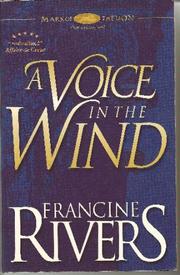
A Voice in the Wind
A young Christian slave in Rome serves a spoiled patrician daughter and catches the eye of her brother, while a captured German gladiator fights for freedom.
2,322-word summary · 10 min read
The Storm Sister
Ally D'Aplièse loses her father and her lover within weeks, then follows a brass frog and a Norwegian biography into Anna Landvik's music and the world of…
2,376-word summary · 11 min read
The Clockmaker's Daughter
A London archivist finds a Victorian satchel holding a photograph, a sketchbook and a letter, then follows them to Birchwood Manor, where a young woman died in…
2,886-word summary · 13 min read
A Fate Inked in Blood
In Norse-inspired Skaland, a fish gutter hiding a goddess's blood is claimed by a jarl, bound by oath, and guarded by the son she cannot want.
1,971-word summary · 9 min read

Those Who Save Us
A Minnesota professor hunts her mother's hidden wartime past in Weimar, where survival came wrapped in an SS officer's protection. A dual timeline about…
2,345-word summary · 10 min read
Grave Mercy
Convent assassin Ismae spares Gavriel and hunts traitors in Brittany.
2,357-word summary · 10 min read
Chain of Gold
Cordelia and James hunt demons in Edwardian London while hearts tangle.
2,364-word summary · 11 min read
Anne's House of Dreams
Newlyweds Anne and Gilbert start in a seaside house with kind neighbors.
2,465-word summary · 11 min read
A Soul of Ash and Blood
Casteel retells Poppy fall and rise while she sleeps under siege.
2,458-word summary · 11 min read