
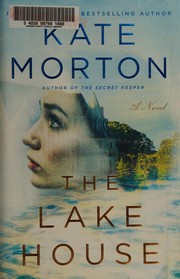
The Lake House
2,055-word summary 9 min read 512 pages in the book
- First published
- 2015
- Publisher
- Atria Books
- Pages
- 512
- ISBN
- 9781451649321
Reading options
What's inside (6 sections)
I read The Lake House over a rainy weekend with tea going cold because I kept saying one more chapter. Atria Books published it in 2015, a 512 page edition with ISBN 9781451649321. It is a standalone dual timeline mystery about the Edevane baby who vanished in 1933 and detective Sadie Sparrow who reopens it in 2003. If you like houses with secrets, writers with lies, and endings that reframe all, settle in. Morton plots impeccably, as always, and this one surprised me most.
June 1933, Loeanneth, Cornwall country house polished for Midsummer Eve party. The Edevanes, Anthony and Eleanor, daughters Alice sixteen and Deborah, son Theo eleven months, plus staff, guests. Alice, budding writer in love with someone she should not, worked out a perfect twist for her novel. By midnight fireworks, baby Theo is gone from his tent by the lake. Searches fail. Family leaves Loeanneth forever, never to return. Seventy years later, DC Sadie Sparrow, on leave after a troubling case, retreats to grandfather cottage in Cornwall and stumbles on abandoned Loeanneth. She learns of Theo and cannot let go. Meanwhile old Alice Edevane, now famous detective novelist in Hampstead, lives plotted like her books until young detective asks about family past.
Alice as teen and old woman anchors both timelines. Sixteen, bright, inquisitive, talented, in love with her tutor? Actually with someone unsuitable. She writes stories to control life. When Theo vanishes on her watch, sort of, guilt shapes her into crime writer who solves fictional cases because real one failed. Old Alice is formidable, neat, kind to fans, ruthless about privacy. She deflects Sadie with tea and anecdotes. Underneath, she guards what she saw that night as teen. Her chapters show a writer using fiction to hide truth. The twist she worked out for her novel in 1933 becomes the twist of her life. Morton loves writers who lie. Alice lies best of all, to police, family, self, readers. Unpacking takes 500 pages. Worth it.
Sadie and Alice
Sadie Sparrow as modern detective feels fresh and tired at once. Young, good at job, haunted by a case where she pushed too hard and someone died? Actually her leave follows a missing person case gone wrong. She runs to grandfather cottage to rest, but rest bores her. Finding Loeanneth gives purpose. She investigates without authority, charming locals, reading old papers, walking lake at dawn. Her methods irritate old Alice and endear readers. She makes mistakes, assumes, apologizes. She falls for a local vet? Actually for someone kind. Romance stays light. Work drives. Her grandfather, beloved ex policeman with dementia? Actually with wisdom, grounds her with stories about policing before DNA. Their talks about when to let go shape Sadie arc. She learns to solve without possessing. Theo case becomes hers though no one assigned. That choosing matters. Justice as care, not career.
Old Alice and Sadie cat and mouse across Cornwall and London delights. Sadie visits Hampstead attic writing room, all neat plots and awards. Alice serves tea, deflects with writer talk. Sadie asks about Theo. Alice tells a story that is true but incomplete. Sadie leaves, researches, returns with new question. Alice revises. Each visit peels a layer. Neither is villain. Both protect people they love by hiding. Their final meeting, where Alice tells all, lands because Morton waited. Seventy years of silence break in one afternoon with rain on windows. Bring tissues. No guns. Just two women who needed truth at different times finally aligning. That alignment is the book climax more than reveal. Truth told in time to matter, barely.
1933 household as suspects and victims needs catalog without spoiling. Anthony, charming father with money troubles. Eleanor, mother distracted by status. Deborah, older sister jealous of Alice shine. Staff, Nanny, cook, gardener, each with secrets. Guests, friends of Alice, a young man she loves who should not be loved. That night, fireworks mask sounds. A tent by lake left unwatched minutes. Baby taken or wandered. Each adult remembers differently. Morton plants red herrings fairly. A torn letter. A muddy shoe. A dog barking. Reread rewards. I guessed kidnapper halfway and missed motive fully. Motive involves love, shame, and a writer twist Alice herself invented as teen and lived to regret. Delicious and sad.
Loeanneth as house deserves praise as character. Abandoned for seventy years, overgrown gardens, dense woods, lake that took. Sadie finds it by walking, drawn as Alice once was. She clears paths, reads initials carved, sleeps nearby in cottage. House gives clues reluctantly. A nursery with dust outlines. An attic manuscript. A boathouse lock. Morton writes place with sensory care. Wet leaves, cold water, bird cries. You feel Cornwall damp. Houses in Morton hold memory in walls. Loeanneth holds loudest because a child vanished and no one mourned properly, just left. Sadie mourning for strangers heals her own case grief. Place heals when witnessed. Visit ruins respectfully in life too. Listen before fixing.
Dual timelines done right
Dual timeline mechanics work because Morton balances reveals. 1933 chapters move toward party and vanishing. 2003 chapters move toward solving and healing. Each ends on hooks that the other answers obliquely. A name mentioned in 1933 appears as old lady in 2003. A letter hidden then found now. Neither timeline sags because both have stakes. Alice teen stakes are love and guilt. Sadie stakes are career and conscience. Both women risk. That parallel keeps 500 pages turning. Skim neither. They braid, not alternate. By end, timelines merge in one attic where old Alice tells young story to young detective. Time collapses kindly. Past hands truth to present. Present grants absolution past could not. That handoff is why dual timeline exists. Not for twists alone. For healing across years. Beautiful.
Fair criticism is real. At 512 pages, sprawl tests patience. Names pile. Edevanes, staff, guests, plus Sadie circle. Track with list. Middle sags with garden descriptions. Morton loves houses and shows it at length. Readers wanting fast thriller should adjust. This is gothic mystery, not police sprint. The astonishing conclusion, as PW says, satisfies but requires accepting coincidence. A writer twist saving day feels meta. Some will find it clever. Some contrived. I found it moving because Alice lived her twist. It cost her life shaped around lie. Payoff equals pain. Accept.
Who should read. Adults who love family secrets, houses, dual timelines fit best. Fans of Morton House at Riverton, Secret Keeper will feel home. Pair with Clockmaker Daughter next for more time braids. Read with tea and blanket. Note names, dates, who was where at midnight. Trust Morton to play fair. She does, impeccably. The lake keeps what it took until Sadie asks rightly. Ask with care in life too. Missing stories surface when witnessed kindly. Dive, but bring rope. Come up with truth held gently. That is Sadie lesson and Morton gift.
Alice writing and Sadie policing
Alice as crime writer who hides crime deserves craft attention because Morton loves writers who lie. Teen Alice writes detective stories with perfect twists to control chaotic home. She invents endings where loose ends tie. Real Midsummer night refuses tying. Baby gone. Family fled. Police baffled. Alice grows up writing tidy mysteries to manage untidy guilt. Each novel solves what she could not. Fans love her puzzles. She hates them as reminders. Old Alice attic room, neat plots on boards, is both shrine and cell. When Sadie asks real questions, Alice answers with writer tricks, red herrings, misdirection. Sadie, trained to spot lies, admires technique while resenting use. Their duel of storytellers delights. Who plots better. Novelist or detective. Both lose to truth that wants telling after seventy years. Let it tell. Write after, not before, healing. That order matters for writers using life. Live first. Tell later with care. Do not use living as material without consent. Alice learns late. Learn sooner from her. Ask before borrowing pain. Credit after. Kindness edits better than twists.
Sadie policing as care, not career, drives modern chapters and redeems procedural tropes. On leave for pushing too hard on a missing case, she should rest. Instead she walks to Loeanneth because idle hands investigate. No warrant. No backup. Just curiosity and grandfather maxims. She charms locals with honesty about being on leave. She reads archives after hours. She swims the lake to feel what baby felt, reckless and right.
Grandfather cottage as refuge needs warmth because Sadie heals there between digs. Ex policeman with garden, dogs, stories that meander into wisdom. He tells Sadie when to push and when to walk. He cooks. He listens without fixing. His own past case, unsolved, mirrors Theo. He never found a girl. He lives with it by tending roses. That tending teaches Sadie more than procedure. Some cases stay open. Work them, then weed around them. Live anyway. Their talks on porch with tea pace the book kindly between revelations. Slow down with them. Her methods break rules supervisors would flag. Readers forgive because motive is care, not glory. She wants Theo found for family, not clearance. When she finally confronts Alice, she does so with tea, not cuffs. Sit. Tell. I will listen. That soft interview gets what interrogations missed for decades. Power softens to hear. Learn it for work fights. Ask kindly twice before demanding once. Truth surfaces for those who wait with blankets, not batons. Sadie knows after her own case went wrong from rushing. Slow now. Listen longer. Solve by staying, not seizing. The lake gives up its kept to patient watchers. Watch with her. Breathe. Hear.
Grandfather, lake, and letting go
Grandfather cottage as refuge needs warmth because Sadie heals there between digs. Ex policeman with garden, dogs, stories that meander into wisdom. He tells Sadie when to push and when to walk. He cooks. He listens without fixing. His own past case, unsolved, mirrors Theo. He never found a girl. He lives with it by tending roses. That tending teaches Sadie more than procedure. Some cases stay open. Work them, then weed around them. Live anyway. Their talks on porch with tea pace the book kindly between revelations. Slow down with them. Healing needs porches as much as proof. Call your own grandfather figure after chapter. Ask about unsolved things they carry. Listen longer than comfortable. Gardens and grandfathers know. Not all mysteries close. Love persists regardless. Tend roses. Walk lakes. Ask gently. Enough.
Lake as keeper and mirror closes the book with water wisdom worth sitting with. Loeanneth lake took Theo, or hid him, depending how you read until final pages. I will not spoil which. Water reflects sky, houses, faces. It keeps what falls. Divers search. Mothers stare. Writers mythologize. Sadie swims to understand cold and depth. She emerges shivering with respect. Do not swim alone, grandfather warns. She does anyway once, then never again without telling. That lesson extends. Grief depths tempt solo dives. Bring rope, friend, shore watcher. Morton, who loves houses with water, knows lakes hold stories better than attics. Attics keep papers. Lakes keep bodies and secrets with equal chill. Visit water responsibly in life too. Look. Do not plunge to prove. Ask locals about currents before swimming. Theo learned too late, or was taught cruelly. Remember small shoes by shore in final scene. They ache more than any twist. Hold that ache kindly. Let water keep what it must while you carry truth ashore. Dry off. Tell. Heal.
Her methods break rules supervisors would flag. Readers forgive because motive is care, not glory. She wants Theo found for family, not clearance. When she finally confronts Alice, she does so with tea, not cuffs. Sit. Tell. I will listen. That soft interview gets what interrogations missed for decades. Power softens to hear. Learn it for work fights. Ask kindly twice before demanding once. Truth surfaces for those who wait with blankets, not batons. Sadie knows after her own case went wrong from rushing. Slow now. Listen longer. Solve by staying, not seizing. The lake gives up its kept to patient watchers. Watch with her. Breathe. Hear. Healing needs porches as much as proof. Call your own grandfather figure after chapter. Ask about unsolved things they carry. Listen longer than comfortable. Gardens and grandfathers know. Not all mysteries close. Love persists regardless. Tend roses. Walk lakes. Ask gently. Enough.
FAQ
When was The Lake House published?
Atria Books published it in 2015. The edition runs 512 pages with ISBN 9781451649321.
Is it part of a series?
No. It is a standalone dual timeline mystery.
Who should read it?
Adults fit best. There is child loss, war death, and romance.
Similar books
The Clockmaker's Daughter
A London archivist finds a Victorian satchel holding a photograph, a sketchbook and a letter, then follows them to Birchwood Manor, where a young woman died in…
2,886-word summary · 13 min read
The Forgotten Garden
A Brisbane woman traces a century old abandonment from an English country house to a Cornish cove and a hidden author.
2,056-word summary · 9 min read

The Echo of Old Books
Barbara Davis's 2023 novel sends a rare-book dealer in 1984 New Hampshire hunting for the authors of two unpublished volumes that tell opposite sides of one…
2,491-word summary · 11 min read

The Tuscan Child
After her father's death, Joanna follows a returned letter to Tuscany and uncovers his wartime love, a hidden painting and a village secret. A dual-timeline…
2,095-word summary · 9 min read
The Secret Keeper
A girl watches her mother kill a stranger in 1961; fifty years later she digs into her mother wartime London past.
2,262-word summary · 10 min read

Anatomy: A Love Story
In 1817 Edinburgh, a noblewoman who wants to be a surgeon disguises herself to study anatomy and falls for the grave robber who supplies her with bodies.
2,031-word summary · 9 min read
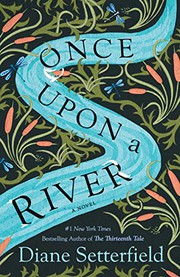
Once Upon a River
A wounded man stumbles into a riverside inn carrying what appears to be a drowned child who is not quite dead, and the story braids the guesses of everyone who…
2,173-word summary · 10 min read

The Storyteller's Secret
A New York journalist goes to India to learn why her grandmother loved a British officer, and why a family servant kept the truth for forty years.
2,270-word summary · 10 min read

Big Lies in a Small Town
A 22-year-old woman leaves prison to restore a 1940 mural, and Edenton, North Carolina, starts talking.
2,187-word summary · 10 min read

Those Who Save Us
A Minnesota professor hunts her mother's hidden wartime past in Weimar, where survival came wrapped in an SS officer's protection. A dual timeline about…
2,345-word summary · 10 min read
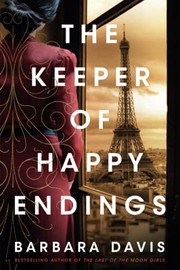
The Keeper of Happy Endings
Barbara Davis's 2021 standalone braids a Paris dressmaker's wartime losses with a grieving Boston artist who unlocks her family's secrets through an old row…
2,437-word summary · 11 min read
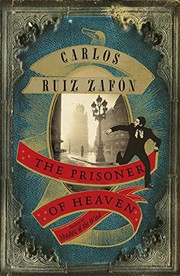
The Prisoner of Heaven
Fermin Christmas past returns with a stranger and a prison debt.
2,388-word summary · 11 min read
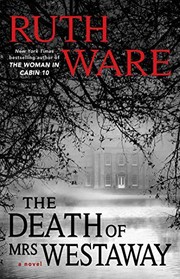
The Death of Mrs. Westaway
Broke tarot reader Hal claims a Cornish inheritance and finds attic locks and lies.
3,313-word summary · 15 min read

The Angel's Game
In 1920s Barcelona, a young writer accepts a strange publisher's offer to write an impossible book and finds his life turning into a ghost story.
2,699-word summary · 12 min read
The Thirteenth Tale
A dying novelist tells her true story at last to a bookseller's daughter, and the mystery of the Angelfield twins comes into the open.
2,928-word summary · 13 min read

The Historian
A daughter traces her father's search for Dracula through letters and archives across Europe.
3,237-word summary · 14 min read

Mexican Gothic
In 1950 Mexico, glamorous Noemi Taboada leaves Mexico City for High Place after a desperate letter, to rescue cousin Catalina from the chilling Doyles and…
2,523-word summary · 11 min read

The Shadow of the Wind
In postwar Barcelona, Daniel finds a cursed novel and hunts its vanished author while a burned man watches.
2,000-word summary · 9 min read
The House at Riverton
In 1999, ninety eight year old maid Grace Bradley tapes the truth about a 1924 shooting at Riverton Manor, poet Robbie Hunter, two sisters and a lie held for…
2,433-word summary · 11 min read

What Moves the Dead
Alex Easton arrives at the Usher house to find Madeline dying, the tarn full of fungus, and the local hares refusing to stay dead.
2,586-word summary · 11 min read

The Beach House
A young valet is beaten to death at a Hamptons party, and his law-student brother spends a year building a case against the family that covered it up.
2,049-word summary · 9 min read
The Art Forger
A disgraced Boston painter agrees to copy a Degas stolen from the Gardner Museum, then begins to suspect the original she is copying is itself a forgery.
2,117-word summary · 9 min read

The Shadow Sister
Star D'Apliese steps out of her sister's shadow and follows a bookshop clue into the Edwardian life of Flora MacNichol, a woman who gave up love for duty.
2,260-word summary · 10 min read
The Unmaking of June Farrow
A woman in a North Carolina flower-farming family walks through a red door into 1951, where she must solve her mother's disappearance and decide whether to…
2,701-word summary · 12 min read

The Black Dahlia
James Ellroy builds a fiction around the real Black Dahlia murder, following two Los Angeles cops whose partnership and obsessions destroy them.
2,533-word summary · 11 min read
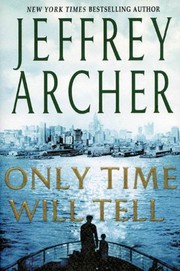
Only Time Will Tell
A Bristol dockworker's son wins a scholarship, falls in love with the daughter of the family that owns the shipyard, and learns that his father's death was not…
2,082-word summary · 9 min read

Night Film
A disgraced journalist investigates the death of a reclusive horror director's daughter, following a red coat through hospitals, secret clubs, and a family…
2,690-word summary · 12 min read

The Moonstone
A cursed yellow diamond vanishes on the night of a birthday party, and eight witnesses tell what they saw.
2,603-word summary · 12 min read
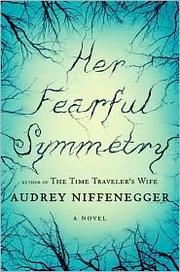
Her Fearful Symmetry
Twins Julia and Valentina inherit a London flat above Highgate Cemetery from an aunt they never met, then find a ghost in it and a family secret.
2,057-word summary · 9 min read

Last Night at the Telegraph Club
The 2021 National Book Award winner follows Lily Hu, a Chinese American teenager in 1954 San Francisco, as she falls for Kath and learns what it costs to be…
2,336-word summary · 10 min read